
GUIDA ALLA PROVINCIA
Provincia del Guizhou: sangue di drago — la capitale del cinabro
Il distretto di Wanshan, nel Guizhou, è la capitale cinese del mercurio, che produce macle di cinabro rosso gemmeo su dolomite. Storia, geologia e guida al collezionismo.
Le località
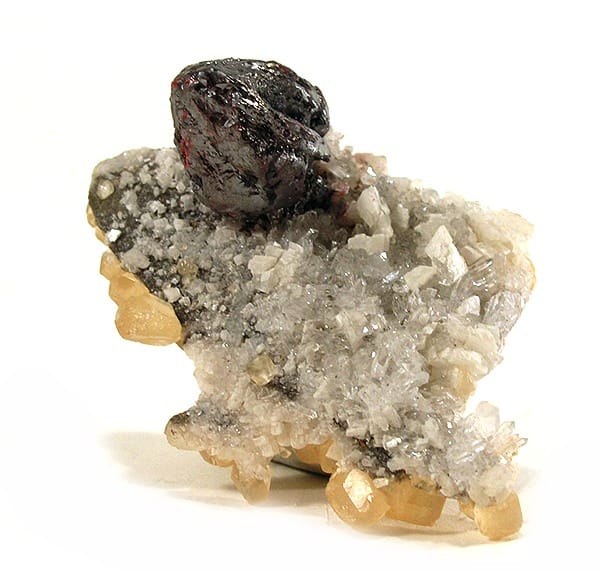
La cintura mercurifera del Guizhou attraversa la regione Wanshan-Tongren, a est della provincia, con la miniera di Dadongla (Yunchangping), presso Tongren, fonte dei più begli esemplari moderni, in particolare da ritrovamenti intorno al 2006. Le miniere dei distretti di Qinglong e Dushan aggiungono pirite e altre specie al repertorio provinciale, ma il cinabro resta la stella indiscussa.
La geologia è classicamente idrotermale a bassa temperatura: fluidi mercuriferi che si muovevano attraverso dolomite e calcare fratturati, tardi nei grandi episodi mineralizzanti della Cina meridionale, depositando solfuro di mercurio nelle cavità. La dolomite ospite è la buona sorte degli esemplari — cristalli rossi nitidi su romboedri di dolomite bianca come la neve e perlacea formano uno dei più bei contrasti di colore della natura.
I cristalli
Il cinabro qui, nella sua forma migliore, forma spessi cristalli romboedrici di rosso carminio profondo, da traslucidi a gemmei, con una scintilla adamantina insolita per un minerale mercurifero. L'abito distintivo è il geminato di compenetrazione — due cristalli che si interpenetrano con simmetria esagonale — una forma così caratteristica che un grande geminato di cinabro cinese si riconosce dall'altra parte di una stanza. I cristalli oltre i 2-3 cm sono importanti; tutto ciò che è più grande è eccezionale. Un celebre geminato dello Smithsonian apparve sulla copertina del Mineralogical Record nel 1972, decenni prima che i minerali cinesi diventassero ampiamente disponibili — il cinabro fu, insieme alla stibina e al realgar, tra le prime specie cinesi che l'Occidente abbia mai conosciuto.
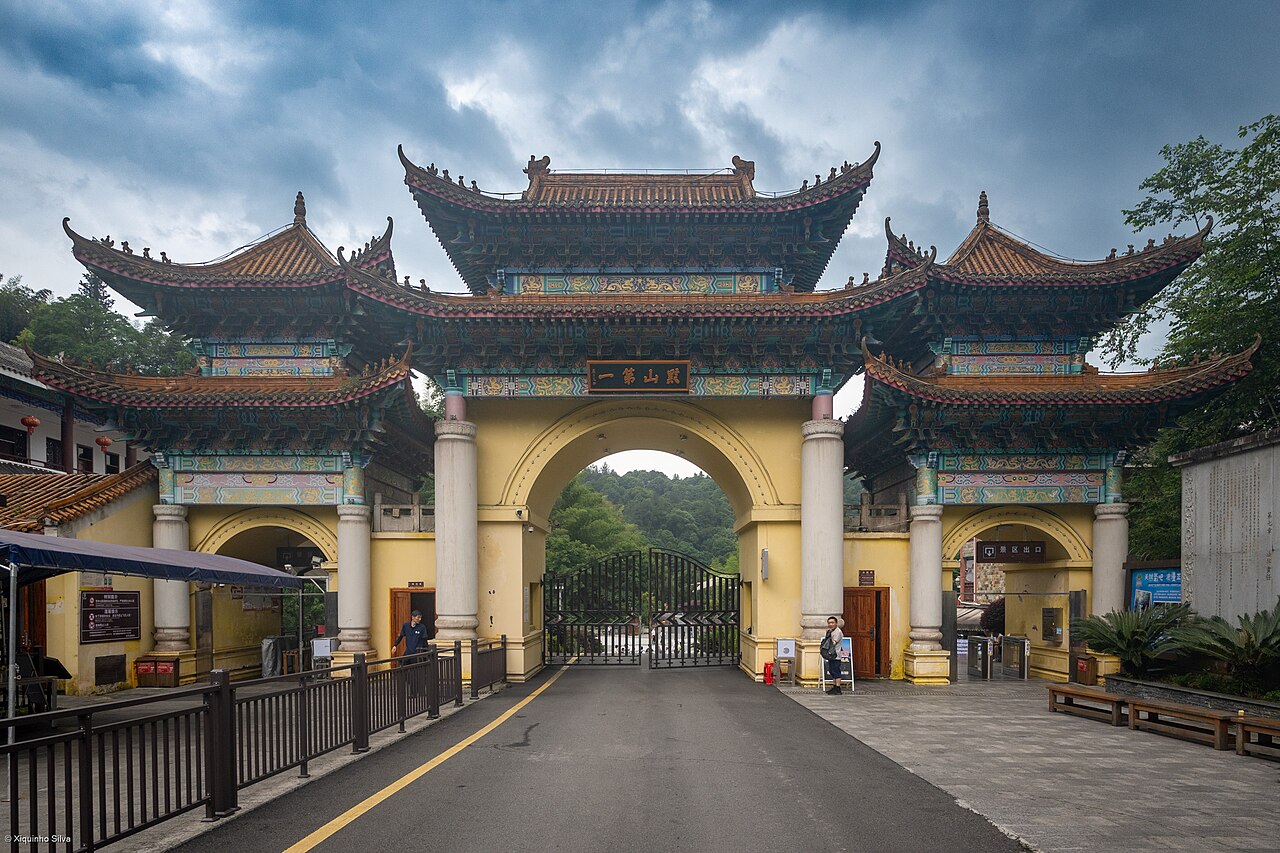
Foto: xiquinhosilva, CC BY 2.0, via Wikimedia Commons
Un capitolo ammonitore
Il cinabro ha anche insegnato una dura lezione al mercato. Anni fa, un'ondata di esemplari falsificati — cristalli sciolti incollati su matrice di dolomite — colpì il mercato, e la reputazione del cinabro cinese subì di conseguenza un serio calo di prezzo. L'episodio resta l'esempio standard del perché i punti di contatto cristallo-matrice meritino un esame attento e perché la fiducia nel commerciante conti. Gli esemplari autentici su matrice mostrano cristalli cresciuti dentro e fuori dalla dolomite, spesso con incastonatura parziale; i cristalli incollati vi poggiano sopra, talvolta con colla visibile sotto ingrandimento o UV.
Note per il collezionista
L'estrazione di mercurio nel distretto di Wanshan si è notevolmente ridotta — il distretto ha persino convertito i vecchi scavi in un parco turistico del patrimonio minerario — quindi il bel cinabro nuovo è raro e gli esemplari più vecchi si sono rivalutati. Acquistare pezzi su matrice verificati come naturali da fonti fidate, privilegiare geminati nitidi con traslucidità gemmea, e maneggiarli con attenzione: il cinabro è tenero (durezza 2-2,5), pesante e — essendo solfuro di mercurio — un esemplare da esporre, non da maneggiare quotidianamente. Stabile e sicuro in vetrina, richiede solo il rispetto che ogni classico merita.
Sangue di drago nella dolomite: nessuna collezione cinese è completa senza di esso.
---
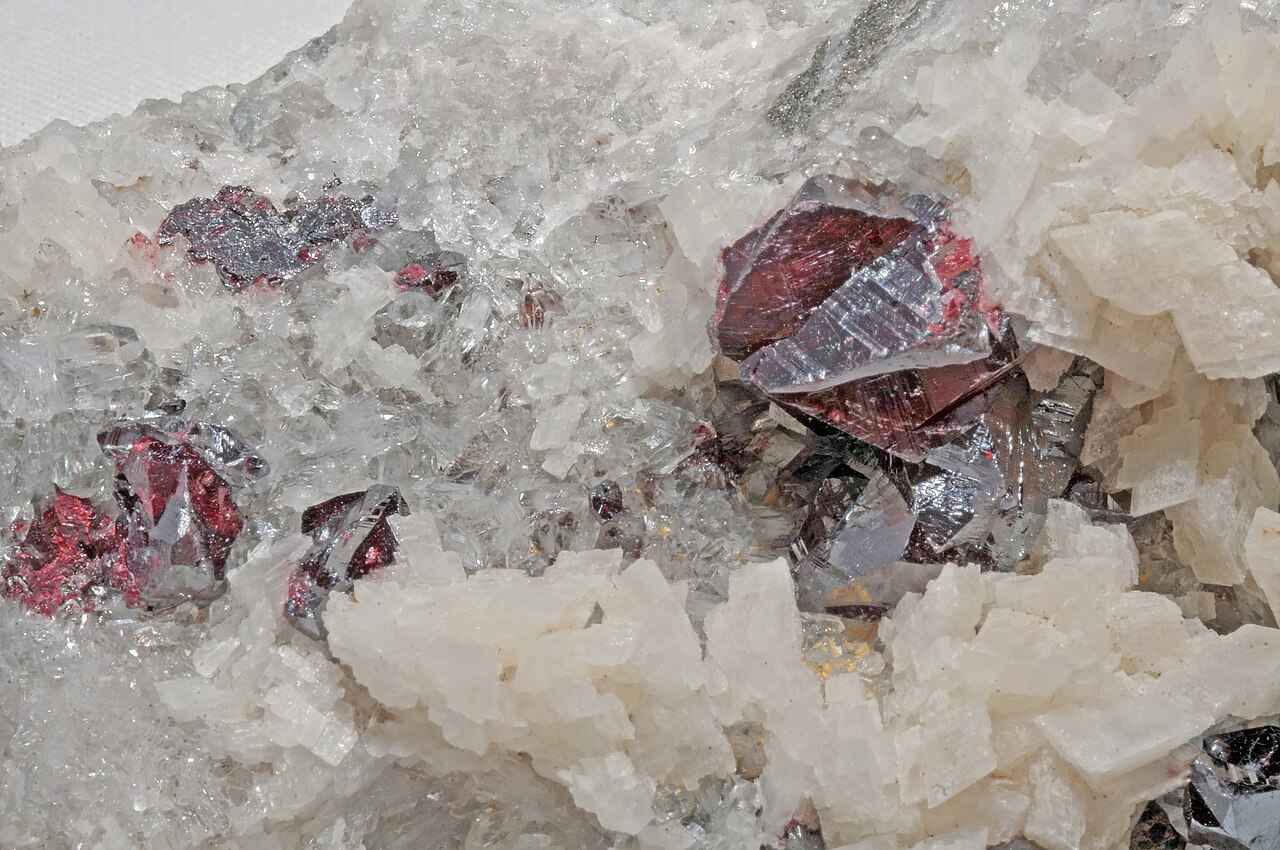
Foto: Géry PARENT, CC BY-SA 3.0, via Wikimedia Commons
Sviluppi recenti (al 2026)
Lo storico giacimento mercurifero di Wanshan è oggi in gran parte un distretto esaurito e chiuso — rinato come parco del patrimonio minerario — quindi il bel cinabro su dolomite che raggiunge il mercato viene negoziato come materiale classico piuttosto che come nuova produzione. Il principale sviluppo recente è scientifico: uno studio del 2023 ha caratterizzato una rara metacinabro seleniifera proveniente dal giacimento, di interesse per i collezionisti di specie e di riferimento. Per gli acquirenti, questo rafforza il consiglio principale sul cinabro cinese: senza un nuovo approvvigionamento significativo, i pezzi su matrice verificati come naturali da fonti fidate sono quelli che vale la pena cercare, e i falsi che un tempo hanno danneggiato il mercato rendono la provenienza essenziale.
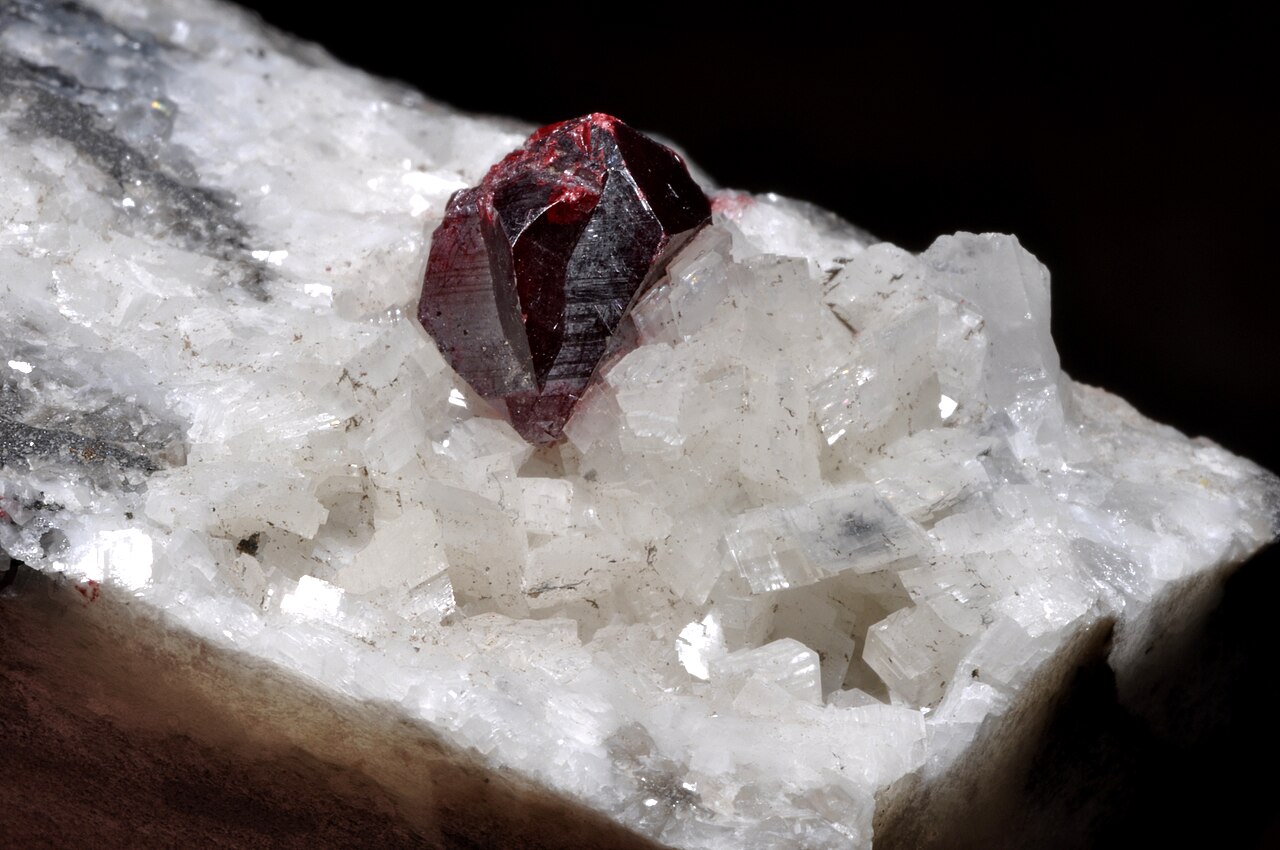
Foto: Géry PARENT, Dominio pubblico, via Wikimedia Commons
Fonti e approfondimenti
Il contesto fattuale di questo articolo si basa su Liu, G., Lavinsky, R.M., Meieran, E.S., Schmitt, H.H., Moore, T.P. & Wilson, W.E. (2013), Crystalline Treasures: The Mineral Heritage of China, un supplemento a The Mineralogical Record, vol. 44, n. 1, insieme alle note di località di MyMineralBox e ai riferimenti mineralogici standard. I fatti relativi agli sviluppi recenti provengono dalle fonti datate collegate nel riquadro sopra. Tutto il testo è originale di MyMineralBox.
Immagine principale: foto di Robert M. Lavinsky, CC BY-SA 3.0, via Wikimedia Commons.
Domande frequenti
Da dove proviene il cinabro cinese?
Principalmente dal distretto mercurifero di Wanshan-Tongren, nel Guizhou, storicamente la "capitale del mercurio" della Cina. Produce cinabro romboedrico rosso profondo e geminati di compenetrazione su dolomite bianca.
Il cinabro del Guizhou viene ancora estratto?
Il giacimento di Wanshan è in gran parte esaurito e chiuso, oggi un parco del patrimonio minerario, quindi il bel cinabro viene negoziato come materiale classico. Poiché i falsi assemblati hanno un tempo danneggiato il mercato, i pezzi su matrice verificati come naturali da fonti fidate sono essenziali.