
GUIDA AI REGALI
Guida ai regali di minerali e cristalli: esemplari veri per ogni budget
La guida pratica ai regali per gli amanti di rocce e cristalli: quanto costano davvero gli esemplari minerali, cosa acquistare a ogni budget da meno di 50 $ ai pezzi da vetrina, regali adatti a principianti, bambini, collezionisti seri e amanti dell'arredamento — e le insidie che rovinano i regali minerali.
Perché un vero esemplare batte un altro regalo generico
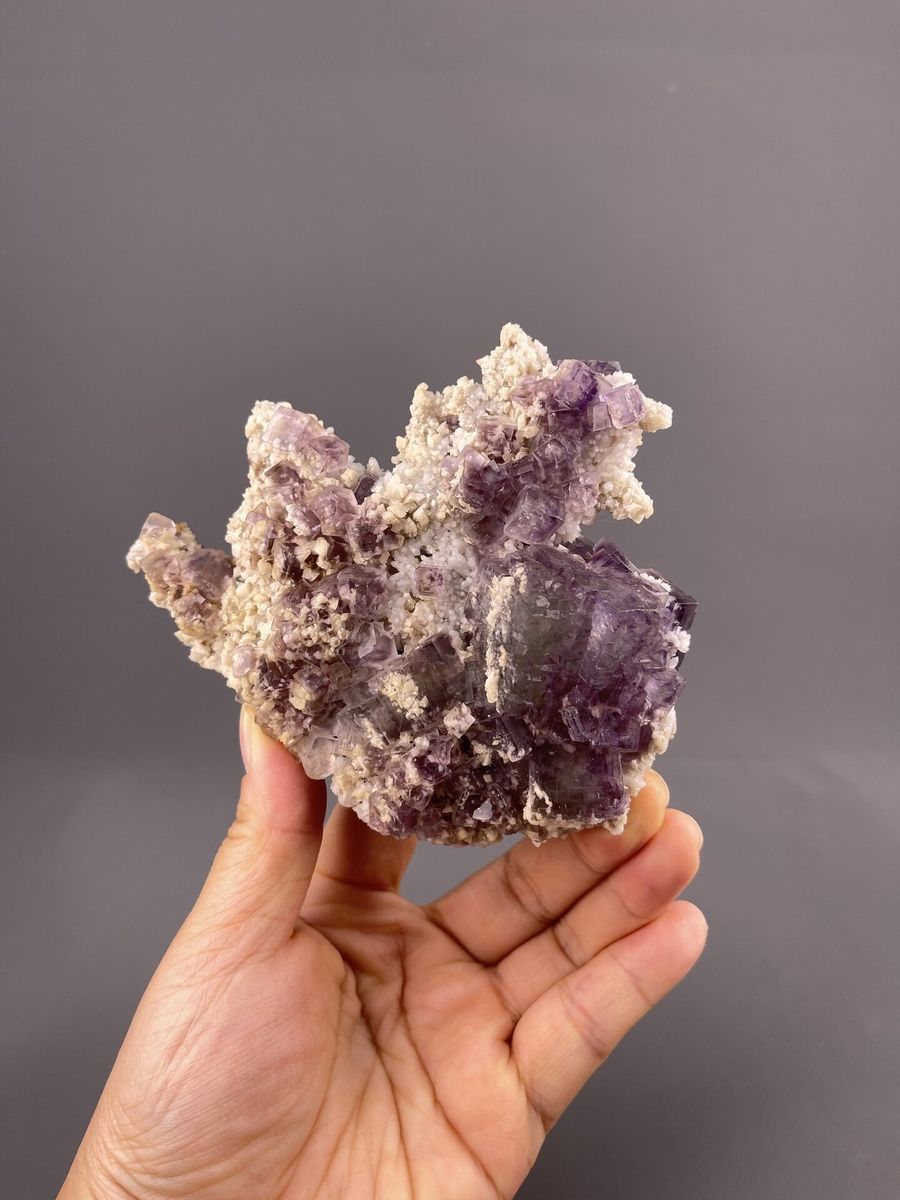
Un cristallo naturale è letteralmente irripetibile: il pezzo esatto che si regala non esiste da nessun'altra parte. Non richiede batterie, tabelle taglie né scommesse sul gusto — quasi chiunque reagisce a un vitreo cubo di fluorite o a un gruppo metallico di pirite — e a differenza dei fiori o del cioccolato, è ancora lì anni dopo, di solito con la storia di chi lo ha donato ad accompagnarlo.
Anche i regali in esemplari scalano onestamente con il budget. Dieci dollari acquistano un vero cristallo; qualche centinaio acquista qualcosa degno di un museo. Il segreto sta nel sapere cosa aspettarsi a ogni livello, ed è esattamente ciò che trattano le prossime tre sezioni.
Regali sotto i 50 $: autentici, non paccottiglia
Sotto i 50 $ si possono acquistare esemplari veri e onesti — piccoli cubi di fluorite su matrice, gruppi di quarzo, cubi di pirite, ammoniti lucidate — a condizione di evitare il materiale di riempimento burattato e tinto. A questo livello, cercare: una località nominata sull'etichetta (non solo "Cina" o "Brasile"), una foto del pezzo effettivo anziché un'immagine stock, e punte cristalline intatte.
Scelte iniziali sicure: una piccola fluorite cinese con zonatura di colore visibile, un quarzo drusa scintillante, o un luminoso gruppo di pirite — tutte specie in cui persino i pezzi entry-level fanno bella figura. Per un bambino o uno studente, abbinare un piccolo esemplare a una lente d'ingrandimento; questo trasforma una bella pietra in un hobby.
Regali da 50 a 250 $: il punto ideale
È qui che si trova la maggior parte dei pezzi da collezione seri — la mediana del nostro stesso catalogo si colloca appena sotto i 100 $ — ed è qui che un regalo smette di essere un simbolo e diventa un pezzo da conservare. Aspettarsi cristalli privi di danni da località classiche, colore saturo, e pezzi che si difendono da soli su uno scaffale senza bisogno di una storia eclatante.
Scelte affidabili in questa fascia: una fluorite gemmea di Yaogangxian con zonatura fantasma, una scheelite dorata da Xuebaoding, un ventaglio di stibnite dallo Hunan, o un grande gruppo di calcite da Daye. Se il destinatario colleziona già, puntare a una specie o a una località che non possiede, piuttosto che una versione più grande di ciò che già ha.
Regali da vetrina: dai 250 $ in su
Sopra i 250 $ si acquistano pezzi centrali da esposizione: grandi lastre intatte, geminati di compenetrazione, rare varietà di colore. Sono i regali per le occasioni importanti — un compleanno significativo, un pensionamento, un anniversario di matrimonio — e competono con i gioielli pur risultando molto più distintivi.
A questo livello la condizione è tutto: pretendere facce espositive prive di danni e una località specifica. Un rivenditore che fotografa ogni angolazione e dichiara apertamente i difetti sta proteggendo il budget del regalo. Vale anche la pena chiedere al rivenditore di confermare che il pezzo è disponibile e può essere spedito in tempo per la data desiderata prima di procedere all'acquisto.
Abbinare il regalo alla persona
Per un principiante: un pezzo imponente e robusto batte tre piccoli — fluorite, quarzo o pirite, più un'etichetta di località leggibile. Evitare specie fragili come la stibnite per chi maneggerà il pezzo.
Per bambini e studenti: durevole e visivo — quarzo, pirite, ammoniti lucidate — idealmente con una storia ("questo è cresciuto dentro una montagna nello Hunan"). Gli insegnanti che allestiscono set per la classe dovrebbero guardare ai lotti all'ingrosso piuttosto che ai singoli pezzi.
Per un collezionista serio: NON indovinare la sua lista dei desideri. O chiedere direttamente, o acquistare da una località in cui è specializzato, o regalare una carta regalo — i collezionisti preferiscono davvero scegliere da soli.
Per chi ama semplicemente gli oggetti belli: pensare prima all'arredamento — ametista, celestina, grande calcite, o un intaglio lucidato — e abbinare il colore del pezzo al luogo in cui verrà collocato.
Le insidie che rovinano i regali minerali
Materiale tinto e falso: il quarzo "aura" dai colori arcobaleno vivaci, le agate tinte e i compositi incollati dominano gli annunci di regali economici. Acquistare da rivenditori che dichiarano cosa è naturale e cosa è trattato.
Foto stock: se la foto dell'annuncio non è l'esemplare effettivo, non si ha idea di cosa arriverà. Ogni rivenditore serio di esemplari fotografa il pezzo esatto.
Etichette vaghe: "Cristallo curativo, origine sconosciuta" non è un pezzo da collezione. Un nome specifico di miniera non costa nulla e aggiunge valore reale.
Tempi di spedizione: i minerali vengono spediti in imballaggi a doppia scatola che richiedono tempo per essere preparati, e il trasporto internazionale aggiunge altro tempo. Per le festività, ordinare due o tre settimane in anticipo — e verificare la finestra di reso (la nostra è di 14 giorni) in modo che il destinatario possa cambiare il pezzo se necessario.
Quando non si riesce a decidere
Una carta regalo risolve completamente il problema del gusto del collezionista — e per gli appassionati di minerali non è una scappatoia, è un giro di shopping. In alternativa, indicare al rivenditore il proprio budget e i gusti del destinatario e chiedere due o tre suggerimenti; abbinare i pezzi alle persone è gran parte di ciò che un rivenditore di esemplari fa ogni giorno.
Se si conosce il mese di nascita del destinatario, un esemplare pietra portafortuna del mese — la forma cristallina naturale anziché un gioiello tagliato — fa la scelta al posto proprio. La guida alle pietre portafortuna mese per mese qui sotto associa a ogni mese esemplari veri.
Domande frequenti
Qual è un buon regalo per un collezionista di rocce o cristalli?
Per i principianti, un esemplare robusto e imponente — fluorite, quarzo o pirite — con una località nominata. Per i collezionisti seri, o un pezzo da una località in cui sono specializzati, o una carta regalo: i collezionisti preferiscono davvero scegliere da soli. Evitare di indovinare la lista dei desideri di uno specialista.
Quanto si dovrebbe spendere per un regalo in esemplare minerale?
I piccoli esemplari autentici partono da meno di 25 $, i solidi pezzi da esposizione costano 50–250 $ (la maggior parte dei pezzi di qualità da collezione si trova qui), e i pezzi da vetrina per le occasioni importanti costano 250 $ e oltre. La condizione e una località specifica contano più della dimensione a ogni budget.
Come evitare di acquistare un cristallo falso o tinto come regalo?
Acquistare da rivenditori che fotografano il pezzo effettivo (niente foto stock), nominano la miniera o la località specifica, e dichiarano apertamente cosa è naturale rispetto a cosa è trattato. Diffidare di rivestimenti "aura" arcobaleno vivaci, agate tinte e compositi incollati comuni negli annunci di regali economici.
Un regalo minerale arriverà in tempo per una festività?
Gli esemplari vengono spediti in doppia scatola e il trasporto internazionale richiede tempo — ordinare due o tre settimane in anticipo per le festività. Verificare anche la finestra di reso: la nostra è di 14 giorni, così il destinatario può cambiare un pezzo se non è quello giusto.