
GUIDA ALLA PROVINCIA
Provincia del Sichuan: arancione scheelite e blu acquamarina
La scheelite arancione, l'acquamarina e la cassiterite del monte Xuebaoding hanno reso famoso il Sichuan. Una guida del collezionista su Pingwu, l'oro di Ganzizhou e altro.
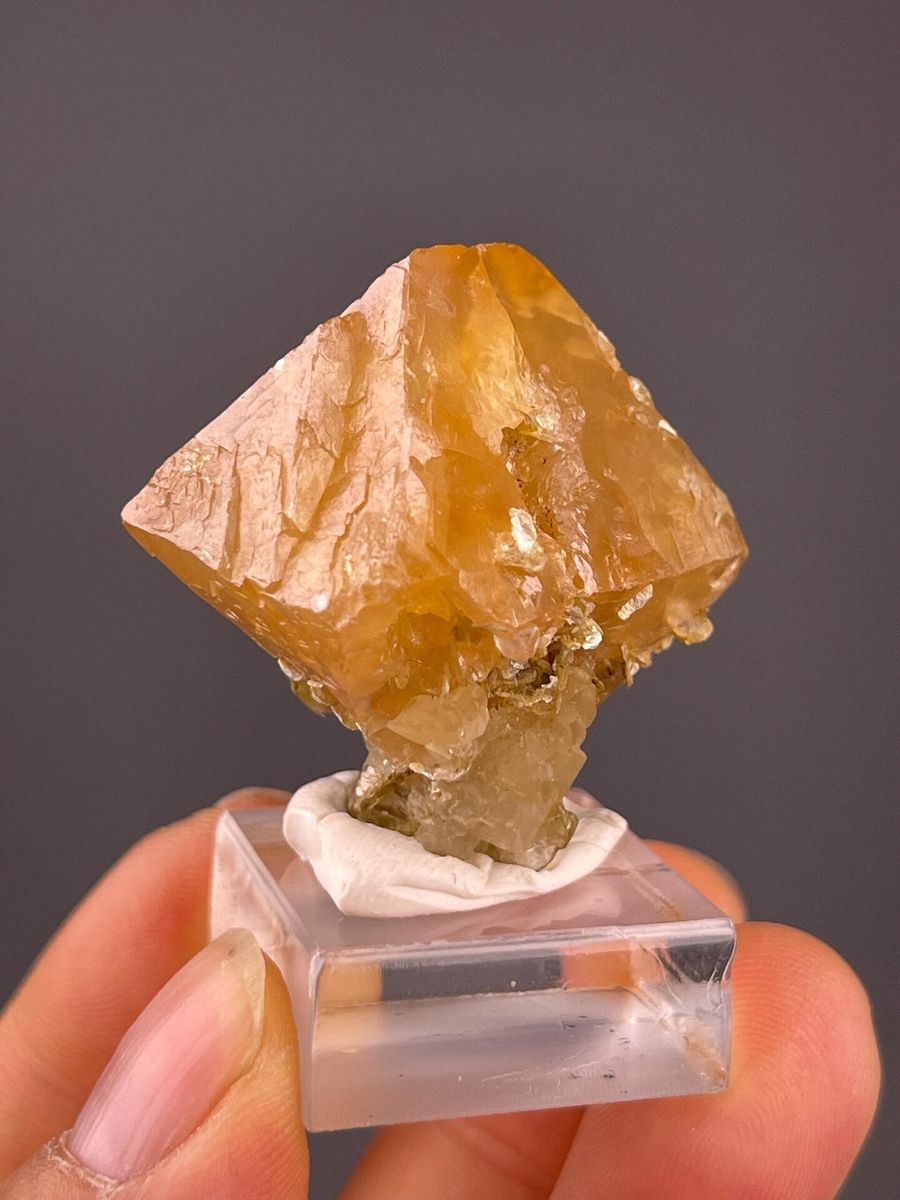
Xuebaoding: un'associazione minerale perfetta
La miniera di Pingwu, nel comune di Huya, contea di Pingwu, sfrutta vene di tipo greisen ad alta quota dove un granito in raffreddamento rilasciò i suoi ultimi fluidi ricchi di elementi. L'associazione risultante è una delle più riconoscibili della mineralogia mondiale: scheelite arancione brillante, acquamarina blu mare e cassiterite nera come la pece, tutte poggiate su letti di "libri" di moscovite argentea.
La scheelite è la protagonista. Questo tungstato di calcio forma normalmente cristalli piccoli e opachi; a Xuebaoding cresce in pseudo-ottaedri vitrei, da traslucidi a gemmy, di arancione vivido, che occasionalmente superano i 10 cm e i 400 carati in forma sfaccettata. Il colore — attribuito a elementi delle terre rare in tracce — è unico, e gli esemplari della celebre "Tasca Rossa" del 2008 mostrano una saturazione eccezionale. Sotto UV a onde corte, la caratteristica fluorescenza blu-bianca della scheelite rende questi pezzi doppiamente esponibili.
L'acquamarina delle stesse vene forma prismi esagonali a terminazione piatta di perfezione vitrea — i primi esemplari esportati a metà degli anni novanta (inclusa la morganite, la varietà rosa del berillo, su feldspato) furono tra i primi minerali cinesi in stile pegmatitico visti in Occidente.
La cassiterite completa il trio: cristalli neri netti, geminati, brillantemente lucenti, che superano i 13 cm, in grado di competere con i migliori esemplari della Bolivia.
Oltre la montagna
Oro nativo di Ganzizhou (contea di Meigu). La prefettura di Liangshan produce oro nativo cristallizzato in crescite dendritiche e a foglia fino a 12 cm — i migliori esemplari d'oro della Cina, da una regione più nota al mondo esterno per i suoi aspri altopiani della minoranza Yi.
Maoniuping (contea di Mianning). Questo distretto di terre rare ha prodotto notevoli esemplari di aragonite blu rame (a lungo etichettati erroneamente come "Xichang" su vecchie etichette — i dati di località accurati si evolvono man mano che la conoscenza migliora).
Jinkouhe (Leshan) e la cava di Hongquizhen (Meigu). Fonti di prehnite e babingtonite nera lucente — l'associazione di Hongquizhen tra prehnite verde e babingtonite è tra le migliori del suo genere a livello mondiale. (Nota: spesso elencata sotto lo Yunnan o il Sichuan nei riferimenti più vecchi; il consenso attuale la colloca nella prefettura di Liangshan, Sichuan.)
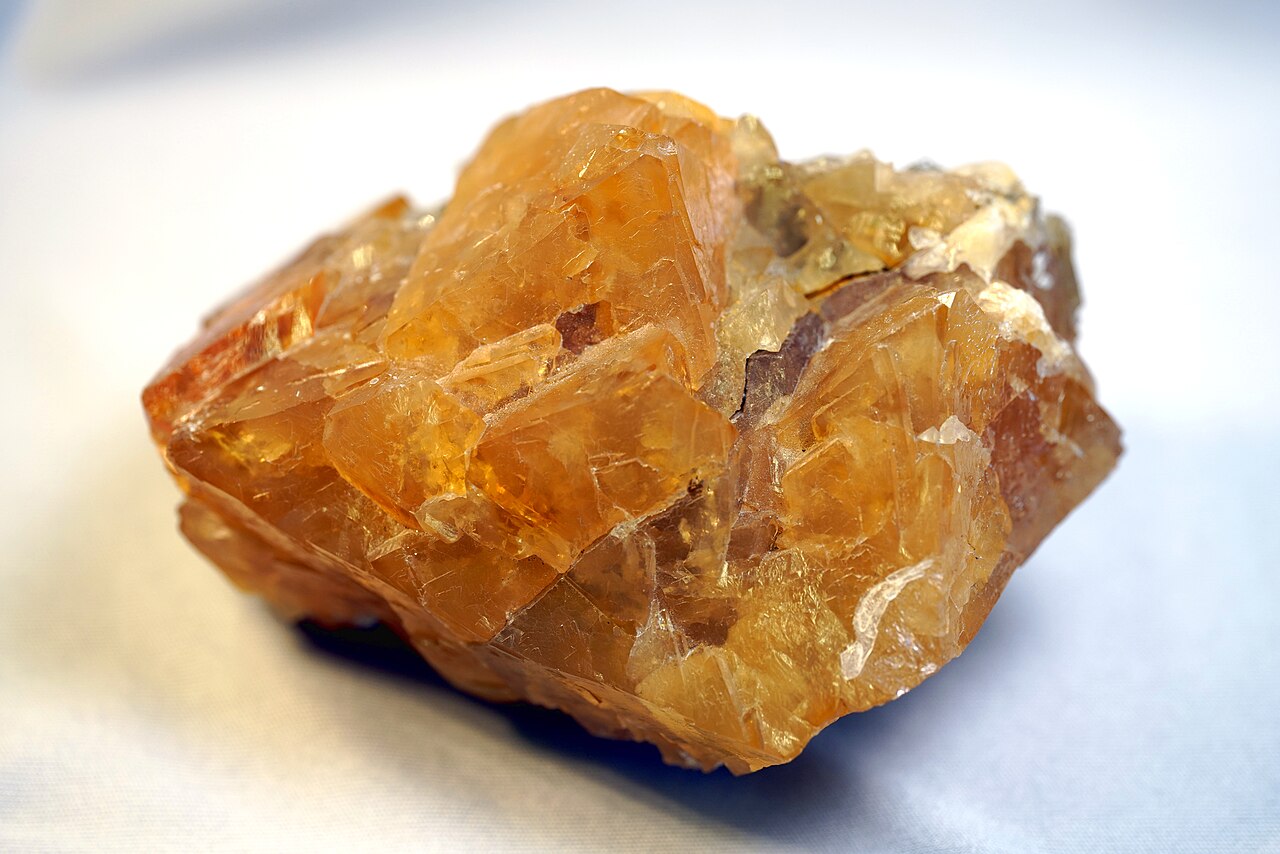
Foto: Lodewicus de Honsvels, CC BY-SA 4.0, via Wikimedia Commons
Note per il collezionista
L'estrazione a Xuebaoding è stagionale — i lavori si trovano vicino ai 4.000 metri, innevati per gran parte dell'anno, storicamente lavorati d'estate dagli agricoltori locali. La produzione è rallentata considerevolmente dall'apice degli anni 2000, e le migliori scheeliti si sono apprezzate di conseguenza. All'acquisto, privilegiate cristalli con spigoli intatti (la scheelite si ammacca facilmente) e terminazioni naturali, non riparate; la matrice di moscovite è fragile, quindi ispezionate i pezzi su matrice per stabilizzazioni e riparazioni, accettabili solo se dichiarate.
Una scheelite di Xuebaoding su moscovite è, per molti collezionisti, l'oggetto più bello che la mineralogia cinese abbia mai prodotto — un frammento di chimica granitica alpina congelato nel momento della perfezione.
---
Sviluppi recenti (al 2026)
Il monte Xuebaoding resta la fonte classica, e le lastre combinate di scheelite-acquamarina-quarzo hanno continuato a raggiungere il mercato fino al 2021-2023 — ma i vincoli sono reali. I lavori si trovano oltre i 4.000 metri all'interno di una riserva naturale del panda gigante, quindi la raccolta è stagionale, artigianale e ad accesso limitato, e la migliore scheelite arancione si è apprezzata di conseguenza. L'interesse scientifico è recente: uno studio mineralogico del 2023 ha rinnovato l'attenzione accademica sul giacimento. L'oro nativo di Ganzizhou (Meigu) continua come un rivolo lento piuttosto che come una grande nuova tasca, e l'aragonite blu rame di Maoniuping sul mercato è ormai in gran parte materiale più vecchio, rimesso in circolazione.
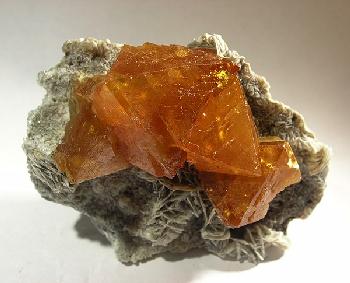
Foto: Robert M. Lavinsky, CC BY-SA 3.0, via Wikimedia Commons
Fonti e approfondimenti
Il contesto fattuale di questo articolo si basa su Liu, G., Lavinsky, R.M., Meieran, E.S., Schmitt, H.H., Moore, T.P. & Wilson, W.E. (2013), Crystalline Treasures: The Mineral Heritage of China, un supplemento a The Mineralogical Record, vol. 44, n. 1, insieme alle note sulle località di MyMineralBox e ai riferimenti mineralogici standard. I fatti relativi agli sviluppi recenti provengono dalle fonti datate collegate nel riquadro sopra. Tutto il testo è originale di MyMineralBox.
Domande frequenti
Cos'è la scheelite di Xuebaoding?
Scheelite arancione brillante dal monte Xuebaoding vicino a Pingwu, Sichuan — la migliore al mondo per la specie, tipicamente su moscovite argentea con acquamarina blu e cassiterite nera. Fluoresce blu-bianco sotto UV a onde corte.
Perché il materiale di Xuebaoding è costoso?
La miniera si trova oltre i 4.000 metri all'interno di una riserva naturale del panda gigante, quindi la raccolta è stagionale, artigianale e ad accesso limitato. La migliore scheelite arancione si è apprezzata fortemente man mano che la produzione rallentava.