
PROVINCIEGIDS
Provincie Anhui: blauw fluweel — het azuriet van Liufengshan
Anhui's Liufengshan-mijn produceerde China's fijnste azuriet — diepblauwe rozetten met malachiet. Vindplaatsgeschiedenis en koopgids.
De omgeving
Anhui's mineraalrijkdom reikt verder dan zijn verzamelaarsroem — 140 ontdekte afzettingen, waarvan 38 tot China's grootste behoren qua reserves —, waarbij de kopermijnbouw zich concentreert in de gebieden Chizhou en Lujiang langs de metallogenetische gordel van de midden-benedenloop van de Jangtsekiang, een van China's grote koperkorridors.
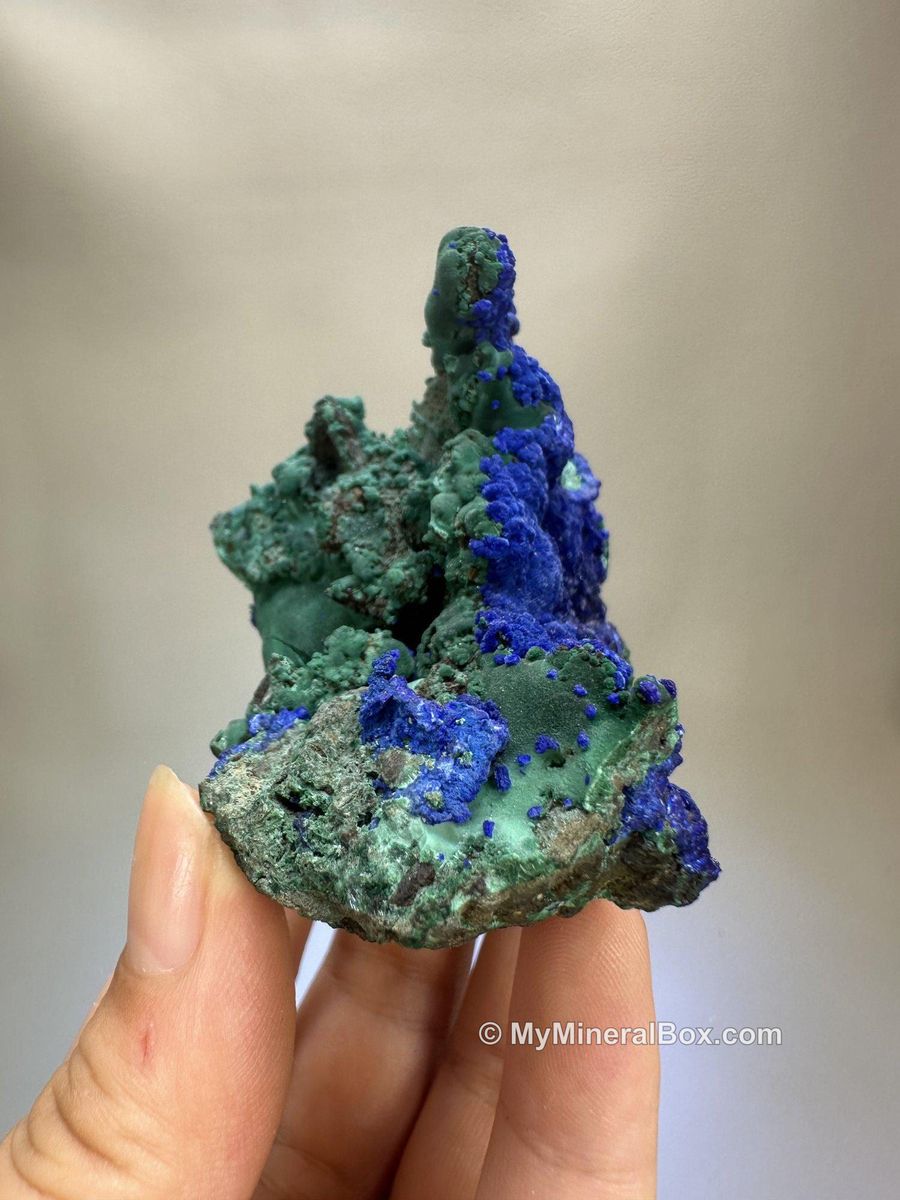
De Liufengshan-kopermijn in het district Guichi, prefectuur Chizhou, ontgint een koperafzetting van het skarn-type. In de geoxideerde zones reageerde afdalend, carbonaatrijk grondwater met kopersulfiden en bloeide op tot de twee klassieke secundaire kopercarbonaten: azuriet (blauw) en malachiet (groen).
De specimens
Liufengshan-azuriet, vooral gevonden in de vroege jaren 2000 (de fijnste stukken rond 2002), vormt rozetten en bundels bladvormige kristallen met een fluwelen, diep koningsblauwe kleur, op matrix en in gedurfde clusters van bijna 30 cm. Gedeeltelijke omzetting naar malachiet voegt groene accenten toe — soms volledige pseudomorfen — die in één specimen de door vocht aangedreven chemie vastleggen die het ene kopercarbonaat in het andere verandert. Gepolijste azuriet-malachiet plakken uit de mijn tonen concentrische blauw-groene bandering die de kloof tussen mineraalspecimen en lapidaire kunst overbrugt.
Chinees azuriet heeft diepe historische wortels: azurietclusters behoorden tot de specimens die het Geologisch Museum van Peking in 1980 in Tucson toonde, en een van die azurieten werd beroemd geruild tegen een belangrijk Amerikaans goudspecimen — een vroege transactie in wat de Chinese mineralenboom zou worden.
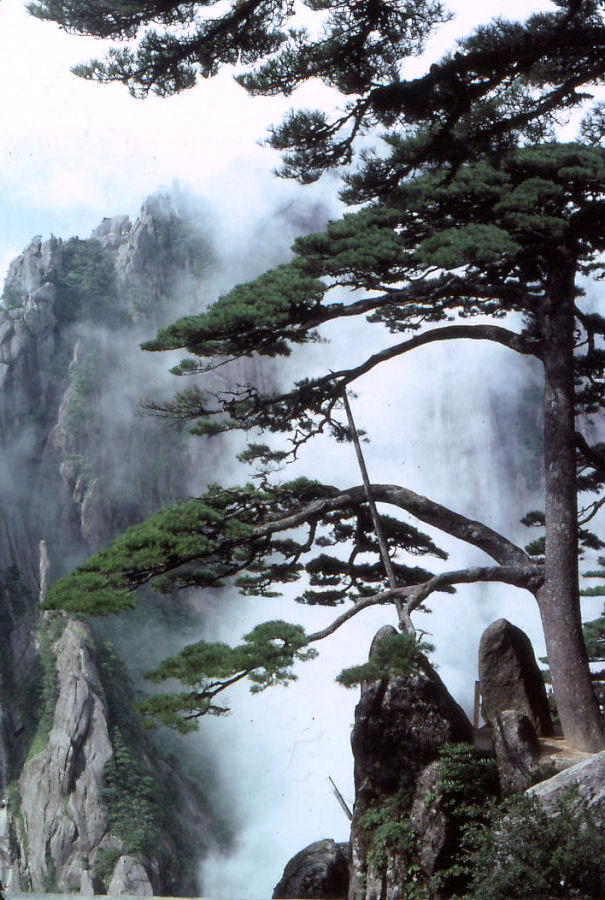
Foto: , Publiek domein, via Wikimedia Commons
Verzamelaarsnotities
Azuriets vijanden zijn licht, hitte en schuring: langdurig sterk licht dooft de fluwelen glans, en de bladvormige kristallen splinteren gemakkelijk. Toon het uit direct zonlicht en hanteer het alleen aan de matrix. Omdat Liufengshans belangrijkste productievenster voorbij is, is de voorraad eindig; scherpe, onbeschadigde rozetten met rijke kleur — vooral met contrasterende malachiet — zijn de stukken om na te jagen. Vergeleken met de wereldstandaarden (Tsumeb, Chessy, Milpillas) houdt Liufengshan het hoofd hoog; onder Chinese vindplaatsen blijft het de maatstaf.
---
Recente ontwikkelingen (vanaf 2026)
Anhui's Liufengshan blijft een van de consistenter beschikbare klassieke Chinese kopercarbonaat-vindplaatsen. De zwaardvormige azurietrozetten met bolvormige groene malachiet blijven tot in de jaren 2020 verschijnen via handelaars- en veilingkanalen, en de mijn is nog steeds goed gedocumenteerd — maar de productie is incrementeel in plaats van een nieuwe ontdekking, dus er is geen meevaller van een nieuwe vondst te verwachten. De praktische implicatie is eenvoudig: scherpe, onbeschadigde, rijk gekleurde rozetten — vooral met contrasterende malachiet — zijn de stukken om te prioriteren zolang er nog een gestage aanvoer van goed materiaal bestaat.
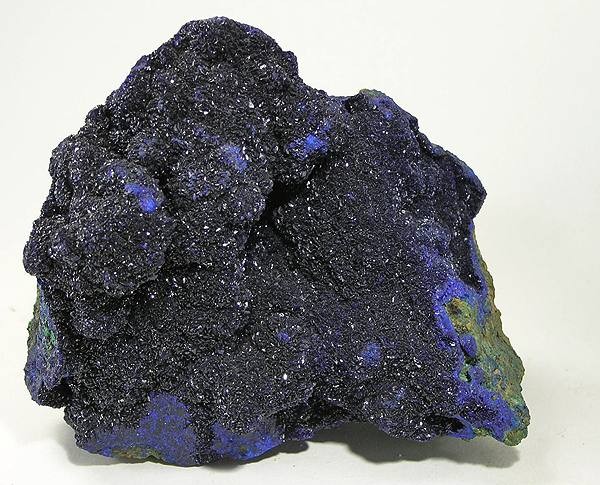
Foto: Robert M. Lavinsky, CC BY-SA 3.0, via Wikimedia Commons
Bronnen en verder lezen
De feitelijke achtergrond van dit artikel is gebaseerd op Liu, G., Lavinsky, R.M., Meieran, E.S., Schmitt, H.H., Moore, T.P. & Wilson, W.E. (2013), Crystalline Treasures: The Mineral Heritage of China, een supplement bij The Mineralogical Record, deel 44, nr. 1, samen met MyMineralBox-vindplaatsnotities en standaard mineralogische naslagwerken. De feiten over recente ontwikkelingen zijn ontleend aan de gedateerde bronnen die hierboven zijn gelinkt. Alle tekst is oorspronkelijk van MyMineralBox.
Veelgestelde vragen
Wat is Liufengshan-azuriet?
Diep koningsblauw azuriet in bladvormige rozetten, vaak met groene malachiet, uit de Liufengshan-kopermijn in Chizhou, Anhui — China's fijnste azuriet-vindplaats.
Hoe moet azuriet worden bewaard?
Houd azuriet uit langdurig sterk licht, dat de fluwelen glans dooft, en hanteer het aan de matrix, omdat de bladvormige kristallen gemakkelijk splinteren.