
دليل الهدايا
أحجار الميلاد كعينات معدنية طبيعية: دليل شهر بشهر
أهدِ حجر الميلاد نفسه، لا المجوهرات: دليل شهري لعينات أحجار الميلاد الطبيعية — الغارنت، الأمثيست، الأكوامارين وأكثر — إلى جانب بدائل صادقة للهواة لأشهر الأحجار الكريمة الثمينة مثل الألماس والياقوت الأحمر والياقوت الأزرق.
لماذا تُهدي العينة بدلاً من المجوهرات
عينة حجر الميلاد تُظهر المعدن كما صنعته الأرض: أوجه بلورية، تمنطق نمو، والصخرة المضيفة التي نما فيها. عادة ما تكون أرخص بكثير من مجوهرات بجودة الأحجار الكريمة من النوع نفسه — عينة غارنت طبيعية حقيقية تكلف أقل من قلادة غارنت صغيرة مقصوصة — بينما تكون أندر بكثير كموضوع، إذ تُقصّ معظم البلورات قبل أن يراها أحد كاملة.
بالنسبة للأشهر التي تكون أحجار ميلادها أحجاراً كريمة ثمينة، يحتاج مسار العينة إلى بديل: بلورات ألماس أو ياقوت أحمر أو ياقوت أزرق طبيعية بجودة عرض تكلف الآلاف. القائمة الشهرية أدناه تقدّم بدائل صادقة وجميلة يحترمها الهاوي فعلاً.
من يناير إلى أبريل
يناير — الغارنت: بلورات بلون أحمر عميق إلى عنابي، غالباً مغروسة في مصفوفة من الشيست أو السكارن. بلورات الغارنت الطبيعية اثنتي عشرية الأوجه اقتصادية وسهلة التمييز فوراً.
فبراير — الأمثيست: أسهل عينة حجر ميلاد على الإطلاق — عناقيد، جيود، ورؤوس مفردة بكل حجم وميزانية. أمثيست فيرا كروز يقدّم منشورات أنيقة باهتة اللون؛ والمادة الأوروغوانية تحمل أرجوانياً عميقاً.
مارس — الأكوامارين: منشورات بيريل زرقاء طبيعية. قطعنا من شويباودينغ في سيتشوان تقرن الأكوامارين بالموسكوفيت والشيليت على مصفوفة — حجر ميلاد بقصة موقع صيني موثّقة.
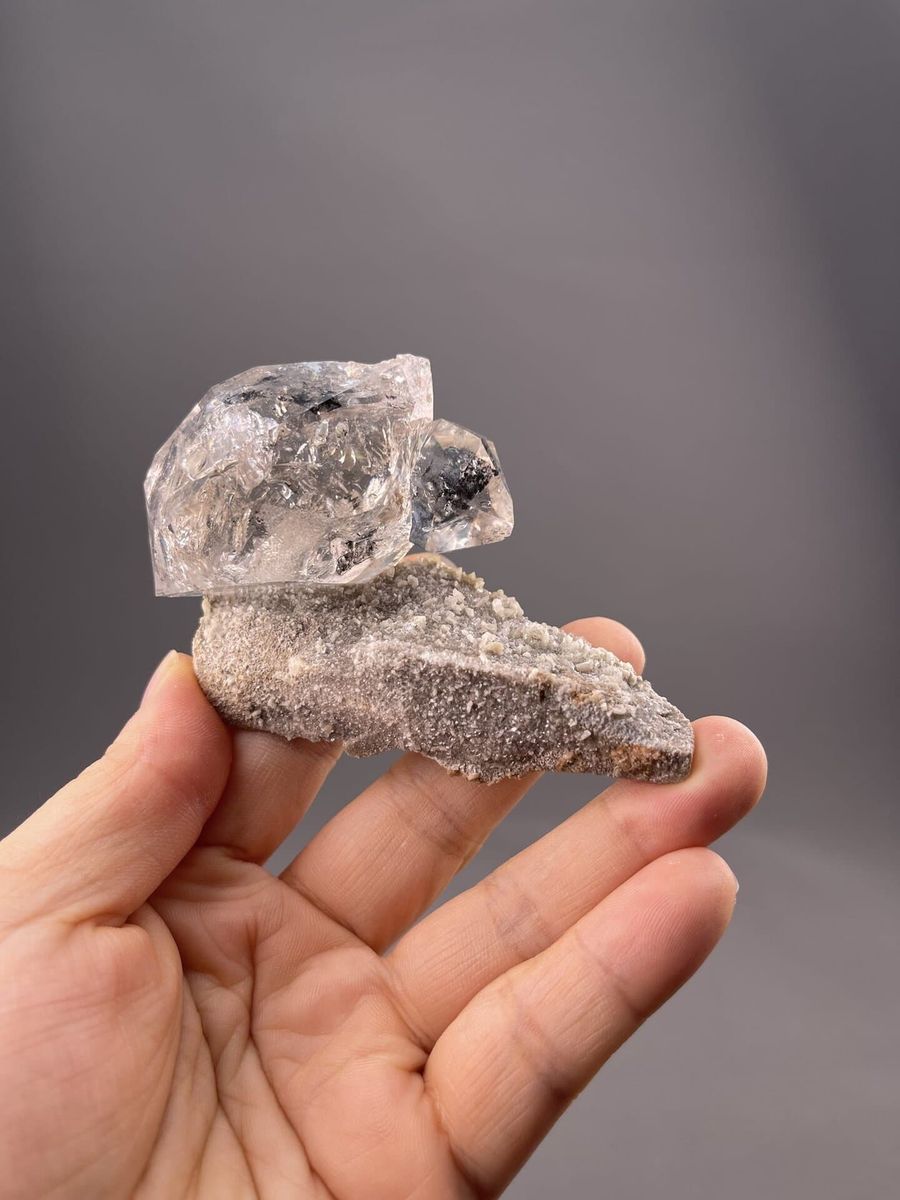
أبريل — الألماس: الألماس الطبيعي المعروض بعيد المنال، لذا أهدِ بديل الهاوي: كوارتز "ألماس هيركيمر" مزدوج النهايات — صافٍ كالماء، زجاجي، وطبيعي — أو عنقود كوارتز شفاف براق.
من مايو إلى أغسطس
مايو — الزمرد: توجد بلورات زمرد طبيعية في مصفوفة بأسعار الهواة — بيريل صغير لكنه أخضر حقاً — أو استبدلها بفلوريت أخضر جوهري للحصول على لون أكثر بكثير مقابل كل دولار.
يونيو — اللؤلؤ وحجر القمر: لا يوجد أي منهما كعينة بلورية، لذا اتّجه نحو الوهج بدلاً من ذلك: عنقود كالسيت أبيض كالثلج أو كوارتز شفاف زجاجي يحمل موضوع الضوء الناعم ليونيو بشكل طبيعي.
يوليو — الياقوت الأحمر: بلورات الياقوت الأحمر الكريمة ثمينة؛ أحمر الهاوي هو الرودوكروسيت — كربونات وردية-حمراء متشرّطة — أو المانغانوكالسيت الوردي لوردي أنعم.
أغسطس — البريدوت: نادراً ما يبقى البريدوت الكريم بلورات قابلة للعرض؛ البرهنيت الأخضر التفاحي أو الفلوريت الأخضر العنقودي يمنحان أغسطس لونه في شكل عينة.
من سبتمبر إلى ديسمبر
سبتمبر — الياقوت الأزرق: بدلاً من الكوروندوم الأزرق غير الميسور، أهدِ أزرقاً يُقدَّم جيداً: كيانيت شفروي في شيسته، أو أزوريت أزرق عميق، أو سودالايت.
أكتوبر — الأوبال والتورمالين: التورمالين هو حجر أكتوبر الأنسب كعينة — منشورات شورل سوداء داكنة درامية واقتصادية؛ وعقيق العنب العنقودي يقدّم بديلاً مميزاً بلمسة أوبالية.
نوفمبر — التوباز والسترين: الشيليت الذهبي من شويباودينغ هو ذهب نوفمبر لدى الهاوي — ثمانيات وجوه برتقالية عسلية أندر بكثير من السترين التجاري (الذي يكون كثير منه أمثيست معالجاً حرارياً؛ اسأل قبل الشراء).
ديسمبر — الفيروز والزركون الأزرق: عينات الفيروز غالباً كتلية لا بلورية؛ بلورات السيلستين السماوية الزرقاء أو الكريزوكولا الزرقاء المخضرة الزاهية تلتقط ديسمبر بشكل أفضل على الرف.
اختيار قطعة تليق بعيد الميلاد
القواعد نفسها لأي هدية عينة، لكن أكثر صرامة للمناسبة: أطراف بلورية سليمة (هدايا أعياد الميلاد تُفحص عن قرب)، وموقع محدد مسمّى على البطاقة، وحجم يُقدَّم دون عدسة مكبّرة — من الحجم المصغّر إلى الخزانة الصغيرة (نحو 4–10 سم) هو النقطة المثلى للمكاتب والرفوف.
من ناحية الميزانية: عينات أنواع أحجار الميلاد الأصيلة تبدأ من أقل من 30$ للغارنت والأمثيست والكوارتز؛ و50–150$ تشتري لوناً بجودة عرض لمعظم الأشهر؛ والأكوامارين على مصفوفة والشيليت الفاخر يكلفان أكثر. اقرن القطعة ببطاقة تذكر المعدن والموقع والشهر — البطاقة نصف الهدية.
الأسئلة الشائعة
ما أحجار الميلاد لكل شهر؟
يناير الغارنت، فبراير الأمثيست، مارس الأكوامارين، أبريل الألماس، مايو الزمرد، يونيو اللؤلؤ/حجر القمر/الألكسندريت، يوليو الياقوت الأحمر، أغسطس البريدوت، سبتمبر الياقوت الأزرق، أكتوبر الأوبال/التورمالين، نوفمبر التوباز/السترين، ديسمبر الفيروز/التنزانيت/الزركون. لعدة أشهر بدائل حديثة وتقليدية.
هل يمكنني إهداء عينة طبيعية بدلاً من مجوهرات حجر الميلاد؟
نعم — بالنسبة لمعظم الأشهر، البلورة الطبيعية لنوع حجر الميلاد الفعلي اقتصادية وأندر بكثير كهدية من المجوهرات. الغارنت، والأمثيست، والأكوامارين، والزمرد، والتورمالين، والكوارتز كلها موجودة كعينات عرض حقيقية تبدأ من أقل من 50–100$.
ماذا عن أشهر الألماس والياقوت الأحمر والياقوت الأزرق؟
بلورات طبيعية بجودة عرض للأحجار الكريمة الثمينة تكلف الآلاف، لذا يستبدلها الهواة: كوارتز "هيركيمر" مزدوج النهايات لأبريل، ورودوكروسيت أو مانغانوكالسيت وردي ليوليو، وكيانيت أو أزوريت لسبتمبر. كل منها طبيعي وجميل ومُوسَم بصدق كبديل.
هل السترين عينة حجر ميلاد طبيعية؟
كثير من السترين التجاري أمثيست معالَج حرارياً بدلاً من كوارتز ذهبي طبيعياً — التجّار الموثوقون يذكرون ذلك. لذهب نوفمبر الطبيعي، الشيليت الذهبي من شويباودينغ في الصين بديل بمستوى الهاوي.