
دليل الأسعار
دليل أسعار الفلوريت: كم تساوي قيمته؟
كم تساوي قيمة الفلوريت؟ نطاقات الأسعار الحقيقية لعينات الفلوريت — من مكعبات البداية بسعر 12$ إلى توائم ياوغانغشيان رباعية الأرقام — والعوامل التي تحرّك السعر: اللون، والشفافية، والتوأمة، والموقع، والحالة.
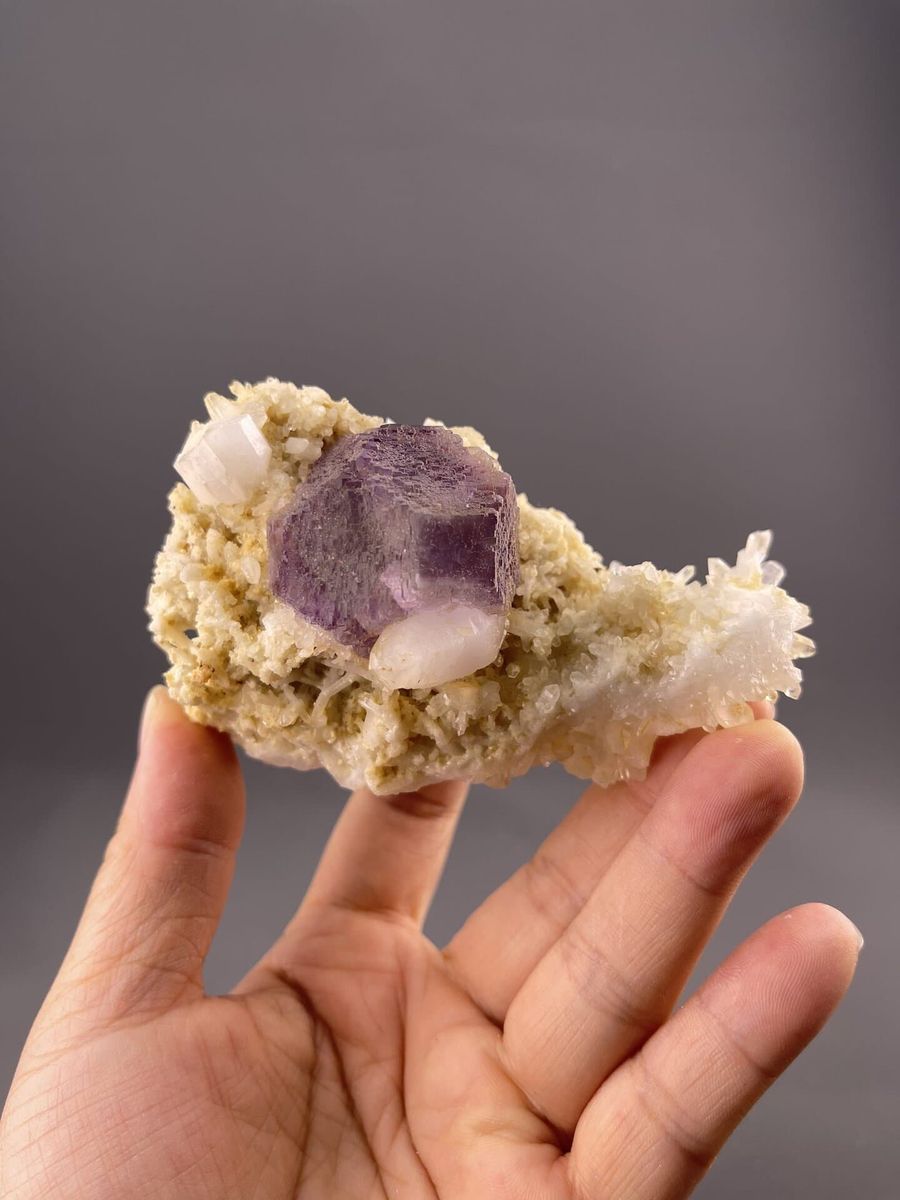
نطاقات أسعار الفلوريت بلمحة
| الدرجة | نطاق السعر | ما تحصل عليه |
|---|---|---|
| مصقول بالبرميل / كتلي | بضعة دولارات | ديكور معدني، لا عينات |
| عينات البداية | 12–50$ | مكعبات أو ثمانيات وجوه طبيعية صغيرة على مصفوفة، لون صادق، ربما تآكل طفيف في الحواف — قطع اقتناء حقيقية بأسعار زهيدة |
| درجة المجموعة الأساسية | 50–250$ | حيث يعيش معظم الفلوريت الجاد، وحيث تقع قيمتنا الوسطى (~100$): شفافية جوهرية، أوجه خالية من الضرر، تمنطق أو أطياف محددة، بطاقات موقع محددة |
| درجة العرض الفاخرة | 250–1000$ | قطع أكبر وسليمة بلون مشبع، توائم تداخل حادة، أو تركيب لافت على المصفوفة |
| استثنائي | أكثر من 1000$ | قطع فترينة من مواقع من الطراز الأول: توائم زجاجية كبيرة، ألوان نادرة، حالة لا تشوبها شائبة |
يصل كتالوجنا حالياً إلى نحو 2800$؛ والسوق الدولية تتجاوز ذلك بكثير.
اللون: أكبر عامل منفرد يحرّك السعر
الأرجواني والأخضر والأزرق المشبع تحمل العلاوات السعرية؛ واللون الباهت أو الغائم يفقد قيمته بسرعة. التمنطق الطيفي الحاد — أشرطة لون داخلية تتبع نمواً سابقاً — سمة يدفع الهواة أكثر مقابلها، خصوصاً في مادة ياوغانغشيان.
الألوان الأندر تقع أعلى من ذلك: الأزرق القوي، والوردي (تقليدياً من اكتشافات الألب ومنغوليا الداخلية)، والأصفر المشبع تتفوق سعرياً على الأرجواني والأخضر الشائعين بالجودة نفسها. القطع متعددة الألوان بحدود واضحة بين المناطق — "فلوريت قوس قزح" في التجارة — تحمل علاوة تجزئة قوية عندما يكون التمنطق حاداً حقاً.
تحذير صادق واحد: الإضاءة تغيّر الفلوريت بشكل كبير. احكم على اللون من صور ضوء النهار، وتوقع أن تميل بعض المادة الخضراء الصينية نحو الأزرق المخضر تحت إضاءة LED.
الشفافية والشكل والتوأمة
الشفافية: الأجسام البلورية الزجاجية الشفافة ("جيمي" بلغة التجّار) قد تضاعف سعر مادة مطابقة لولا ذلك؛ والأسطح غير اللامعة أو الحريرية تخفضه.
الشكل: المكعبات الحادة، والثمانيات الوجوه، والنمو المتدرّج أو المعدّل باثني عشرية الأوجه، كلها تُقبِل عليها الأسواق جيداً حين تكون الحواف حادة. البلورات الخام أو المدوّرة أو المتآكلة تُسعَّر أدنى ما لم تكن الآكلة نفسها جمالية.
التوأمة: توائم التداخل — مكعبان نميا أحدهما عبر الآخر — هي السمة المميزة لفلوريت ياوغانغشيان الفاخر، والتوائم النظيفة المتمركزة السليمة هي باستمرار الشكل الأغلى للفلوريت الصيني. توأم حاد قد يساوي عدة أضعاف بلورة غير متوأمة بالحجم واللون نفسيهما.
كيف يحرّك الموقع أسعار الفلوريت
المواقع الصينية تضبط إيقاع سوق الفلوريت الحالي. منجم ياوغانغشيان (هونان) يحمل أقوى علاوة: مكعبات وتوائم أرجوانية زجاجية، غالباً متربّعة على أسرّة من إبر الكوارتز، مع ثلاثة عقود من الإنتاج الموثّق. ثمانيات وجوه شيانغهوالينغ (هونان) الخضراء البحرية ومكعبات شانغباو (هونان) متمنطقة اللون كلاهما كلاسيكي ومعروف ومسعّر فوق المادة العامة. فلوريت فوجيان الأخضر العنقودي مدخل مميز بتكلفة أقل.
خارج الصين، الفلوريت الإنجليزي الكلاسيكي الأخضر المتوهّج تحت ضوء النهار (روجرلي، ويردال)، والوردي الألبي، والمواقع الأمريكية التاريخية (إلموود، كيف-إن-روك) تحمل جميعها علاواتها الخاصة بالموقع — والمواقع المغلقة أو المستنفدة أكثر من غيرها.
الخلاصة العملية: اسم منجم محدد على البطاقة جزء مما تشتريه. "فلوريت، الصين" و"فلوريت، منجم ياوغانغشيان، مقاطعة يي تشانغ، هونان" منتجان مختلفان بسعرين مختلفين.
الحالة: لماذا الفلوريت أقل تسامحاً من أنواع أخرى
ينفلق الفلوريت بشكل كامل في أربعة اتجاهات، لذا يتشظى وينفلق بسهولة أكبر من أي شيء آخر تقريباً يشتريه الهواة على نطاق واسع. هذا يجعل الحالة حصة أكبر من السعر مقارنة بالكوارتز أو البايريت: زاوية واحدة مصدومة على مكعب في الوجه المعروض تخصم القطعة بشكل ملموس، والأوجه الخالية فعلاً من الضرر تكسب علاوة حقيقية.
عند الشراء عبر الإنترنت، افحص الزوايا والحواف المصوّرة واحدة تلو الأخرى، واقرأ كلمة "تماس" (طبيعي، مقبول، يجب أن يكون مسعّراً ضمن السعر) مقابل "تشظٍّ" أو "انفلاق" (ضرر). نحن نصوّر العيوب في قطعنا الخاصة بدلاً من إخفائها خارج الإطار — أي تاجر يستحق الشراء منه سيفعل الشيء نفسه.
هل يحافظ الفلوريت على قيمته؟
كان الفلوريت الجيد من أقوى الأداءات بين معادن الهواة خلال العشرين عاماً الماضية، بقيادة المادة الصينية مع تراجع مناجم هونان الكلاسيكية واستمرار تداول القطع القديمة النظيفة بأسعار أعلى. تنطبق القواعد نفسها في السوق الأوسع: الحالة الخالية من الضرر، واللون المشبع، والشكل الحاد، وبطاقة الموقع المحددة هي ما يرتفع سعره؛ أما المادة من الفئة الجماعية فلا.
العناية تحمي القيمة أيضاً: الفلوريت لين (4 على مقياس موس)، لذا خزّن القطع حيث لا يمكن أن تصطدم ببعضها، وأبقِ الألوان المشبعة بعيداً عن ضوء الشمس المباشر لفترات طويلة، فقد يبهت بعض المادة تدريجياً.
الأسئلة الشائعة
كم تساوي قيمة الفلوريت؟
يُباع الفلوريت المصقول بالبرميل بضعة دولارات، وتتراوح عينات البداية الأصيلة بين 12 و50$، ويقع معظم قطع المجموعة الجيدة بين 50 و250$، وتتراوح قطع العرض الفاخرة بين 250 و1000$، وتصل العينات الاستثنائية — توائم كبيرة سليمة من مواقع كلاسيكية مثل ياوغانغشيان — إلى الآلاف. اللون والشفافية والحالة والموقع تحدد أين تقع قطعة ما.
ما لون الفلوريت الأكثر قيمة؟
بالجودة نفسها، الألوان الأندر — الأزرق المشبع، والوردي، والأصفر القوي — تتفوق سعرياً على الأرجواني والأخضر الشائعين. التمنطق الحاد متعدد الألوان (فلوريت "قوس قزح" بأشرطة محددة) والأطياف الواضحة تحمل علاوات أيضاً. التشبع والانتظام يهمان أكثر من اللون نفسه.
لماذا فلوريت ياوغانغشيان غالٍ جداً؟
أنتج ياوغانغشيان، في هونان بالصين، مكعبات زجاجية شفافة وتوائم تداخل — غالباً متربّعة على أسرّة من إبر الكوارتز — أصبحت المعيار الحديث للنوع. تاريخه الموثّق وإنتاجه المتراجع يعنيان أن القطع النظيفة السليمة تحمل علاوة موقع دائمة.
هل يبهت الفلوريت تحت ضوء الشمس؟
بعض الفلوريت، خصوصاً أنواع معينة من الأخضر والأرجواني، قد يبهت تدريجياً تحت ضوء الشمس المباشر لفترات طويلة. اعرض الفلوريت بعيداً عن النوافذ ذات الشمس المباشرة. كما أنه لين (4 على مقياس موس) وينفلق بسهولة، لذا خزّن القطع بحيث لا تصطدم ببعضها.
هل الفلوريت معدن جيد للاقتناء من أجل القيمة؟
الفلوريت الجيد — الخالي من الضرر، جيد اللون، من مواقع كلاسيكية مسمّاة — حافظ على قيمته ونمّاها مع تراجع المناجم الصينية الشهيرة. المادة من الفئة الجماعية والتالفة لا ترتفع قيمتها. اشترِ أفضل حالة تستطيع تحمّل تكلفتها واحتفظ ببطاقة الموقع مع القطعة.