
دليل الشراء
ما الذي يجعل عينة المعدن رائعة؟ دليل الهاوي إلى الجودة
اللون، والبريق، والشكل، والضرر، والمعالجات — المعايير التي يستخدمها الهواة والمتاحف فعلاً للحكم على جودة عينة المعدن، مشروحة بلغة بسيطة.
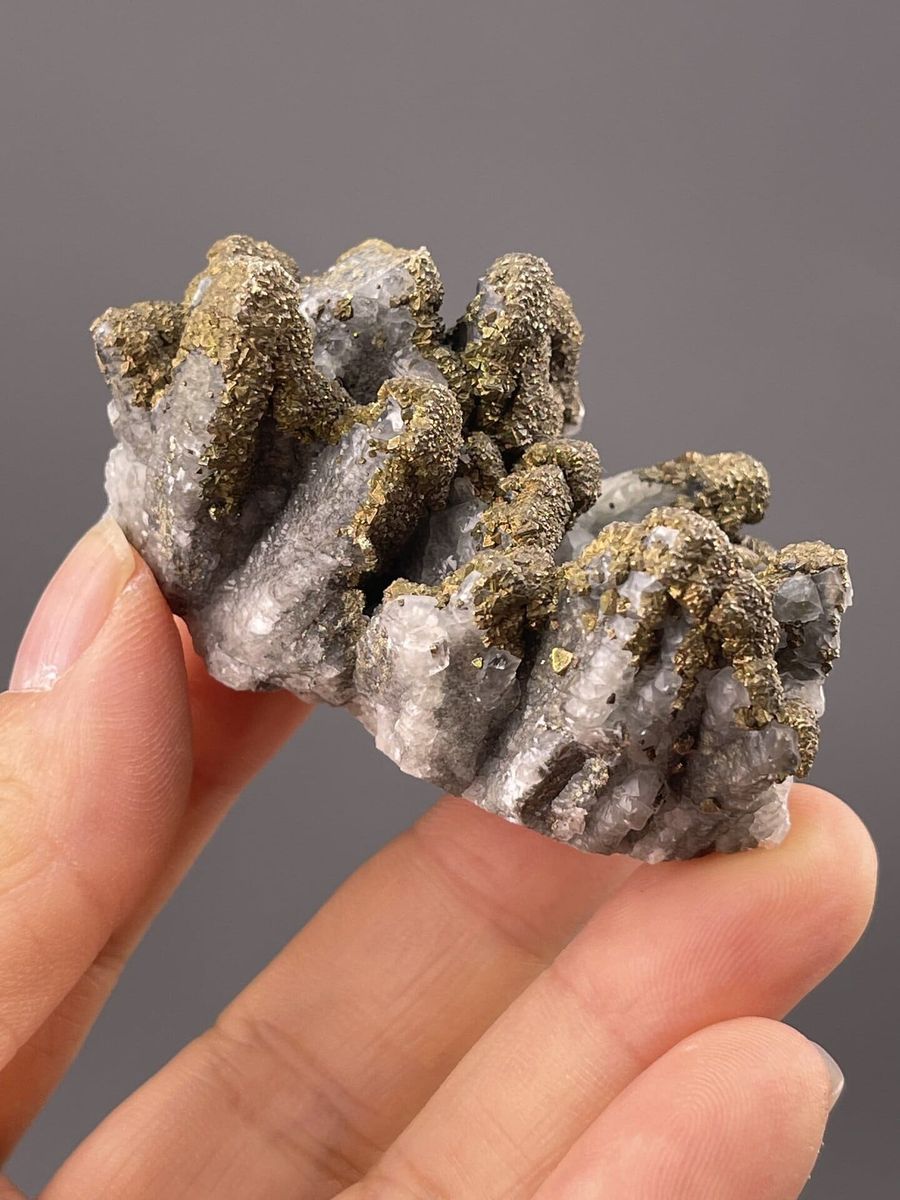
اللون
اللون الزاهي المشبع يفوز. المعادن الحمراء والبرتقالية والصفراء والخضراء والزرقاء والأرجوانية أكثر جاذبية، مع تساوي كل شيء آخر، من البنية أو الرمادية أو السوداء أو البيضاء. هناك ميّزتان إضافيتان لافتتان. أولاً، عندما يظهر نوع عديم اللون عادةً بلون زاهٍ بفضل عناصر نزرة أو شوائب داخلية — فلوريت وردي، كوارتز أحمر، كالسيت ذهبي — ترتفع القيمة فوراً. ثانياً، يهمّ التباين اللوني: فلوريت أرجواني متمركز على كوارتز أبيض كالثلج يساوي أكثر من الفلوريت نفسه على صخر رمادي، لأن العين تقرأ العينة كلها كتركيبة واحدة.
حجم البلورة وشكلها
البلورات الأكبر أفضل عموماً — لكن فقط بالنسبة إلى النوع. شيليت بحجم 3 سم ضخم؛ وكوارتز بحجم 3 سم لا شيء يُذكر. يجب أن تعرف ماذا يعني "كبير" لكل معدن قبل أن تحكم على عينة بناءً على ذلك. الشكل يهمّ بالقدر نفسه: حواف حادة، أوجه طبيعية ناعمة، والشكل "المثالي الكلاسيكي" للنوع. أشكال البلورات النادرة والتوأمة الظاهرة — توائم سبينل الفلوريت، توائم قلب الكالسيت، كوارتز على طراز اليابان — تحمل علاوة حقيقية.
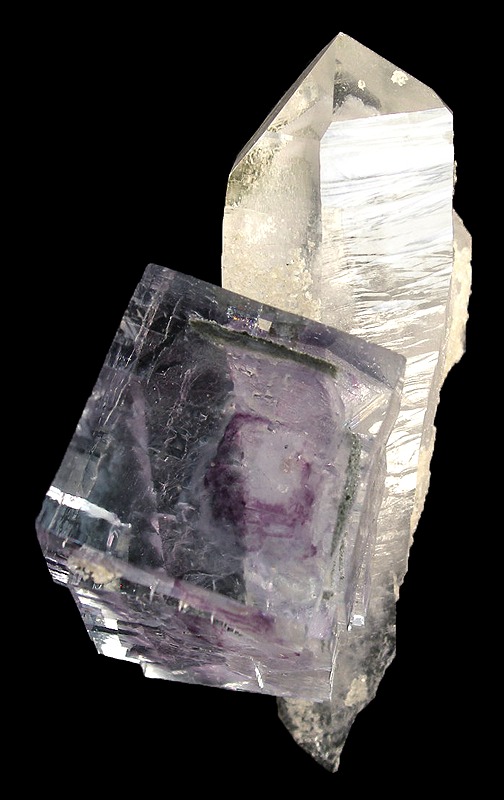
صورة: Robert M. Lavinsky، CC BY-SA 3.0، via Wikimedia Commons
الشفافية
معظم المعادن غير المعدنية يمكن أن تكون شبه شفافة؛ وأقل منها يصل إلى الشفافية الكاملة. كلما مرّ ضوء أكثر، كان أفضل. تُسمى البلورات الشفافة تماماً "جيمي"، وحين يظهر نوع نادر مثل الشيليت في بلورات جيمي وغنية اللون، تتعزز قيمة العينة وقيمة الحجر الكريم كل منهما الأخرى بشكل كبير.
البريق
يسمّيه عمّال المناجم "اللمعان"، وقد يصنع القطعة أو يهدمها. بالنسبة للأنواع غير المعدنية تريد لمعاناً زجاجياً براقاً؛ وبالنسبة للأنواع المعدنية مثل الستيبنيت والبورنونيت والأكانثيت، فإن البريق المعدني اللامع كالمرآة هو كل شيء — بلورة معدنية فائقة اللمعان قد تضاهي الزمرد في السعر. والأهم أن يكون البريق طبيعياً: غير معزّز بالتلميع أو الزيت أو المعالجة الكيميائية.
الجمالية: التركيب
ثلاثة تكوينات تهيمن على السوق. البلورات المنفردة الحرة ("العائمة") تُقدَّر حين تكون كاملة من كل الجهات، دون نقطة التصاق سابقة. تُحكَم عناقيد البلورات وفق "جمالية البلورة المهيمنة": بلورة أو بلورتان محورية أكبر بوضوح من البقية، متمركزة جيداً، تجذبان العين وترفعان القطعة فوق سجادة متجانسة من بلورات متساوية الحجم. عينات المصفوفة — بلورات على صخر مضيف — هي المثال الكلاسيكي. ابحث عن التوازن: يجب أن تكون البلورة أو العنقود نصف حجم المصفوفة على الأقل، مع انسجام لوني ممتع بين البلورة والمضيف. تشذيب المصفوفة إلى شكل جمالي ممارسة مقبولة، طالما بدت الحواف طبيعية.
الحالة: المعيار الذي لا يرحم
الهواة ذوو الخبرة لا يتسامحون تقريباً مع أي ضرر ظاهر. كدمة صغيرة في طرف البلورة المحورية قد تدمّر معظم قيمة العينة حتى لو كان كل شيء آخر مثالياً. الإصلاحات والترميمات موجودة في السوق وقد تكون مقبولة — لكن فقط مع إفصاح كامل وصادق من البائع.
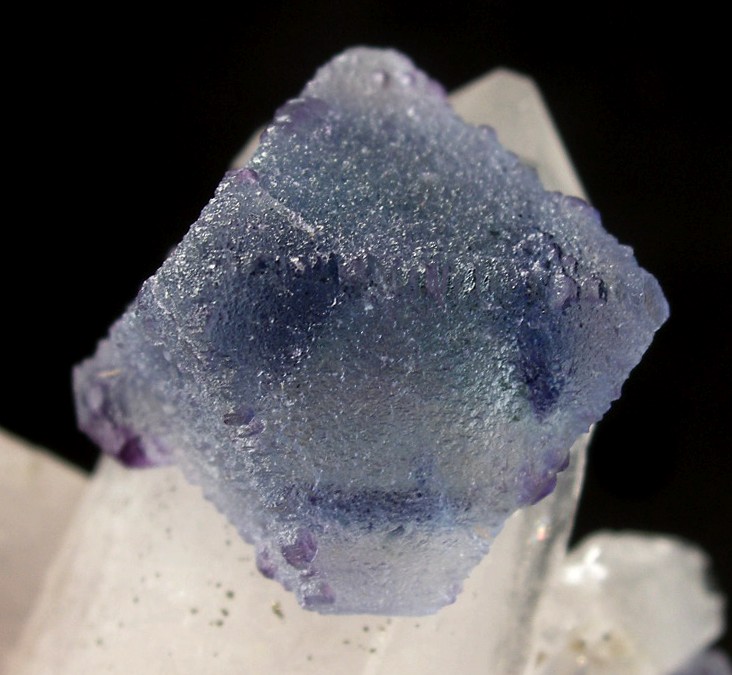
صورة: Robert M. Lavinsky، CC BY-SA 3.0، via Wikimedia Commons
المعالجات والتزييف: ما يجب الانتباه إليه
تثقيف المشتري جزء من الحكم على الجودة، وقد شهدت المادة الصينية نصيبها من المشكلات التي تستحق المعرفة:
التزييت. يُمسح الفلوريت أحياناً بالزيت لتعزيز البريق. غير ضار نسبياً وقابل للغسل، لكن الزيت الذي يتسرب إلى الشقوق قد يزيّف الشفافية — وبالمعايير الغربية، التزييت غير المُفصَح عنه غير أخلاقي.
التشعيع. يمكن تشعيع الفلوريت الباهت ليصبح أخضر أو أزرق شديد الحدة، ويمكن تحويل الكوارتز عديم اللون إلى "موريون" أسود كالفحم. قد يسمّي بعض التجّار هذا بصدق "طبيعياً". الكوارتز الدخاني الداكن بشكل مريب من موقع معروف بمادته الباهتة يستحق طرح الأسئلة.
التزييفات المركّبة. ظهرت البلورات الملصوقة على شكل موجات — عانى الزنجفر من انهيار سمعة على مستوى السوق قبل سنوات بسبب العينات الملصوقة. افحص نقاط تلامس البلورة والمصفوفة بعناية.
الدفاع بسيط: اشترِ من تجّار يضمنون أن موادهم طبيعية ويفصحون عن أي إصلاح أو معالجة، ويقفون وراء بيانات موقعهم. المصدر والصدق يساويان أكثر من أي عينة منفردة.
القيمة التاريخية والثقافية
أخيراً، يضيف العمر والقصة قيمة. العينات "الكلاسيكية القديمة" من مواقع شهيرة استُنفدت، مع بطاقات قديمة توثّق تاريخها، تحمل علاوات قوية. العينات الصينية التي جُمعت قبل عام 1990 تقريباً تدخل بالفعل هذه الفئة — إذ حُفظ القليل جداً قبل ذلك التاريخ، ما يجعل القطع المبكرة شاهدة على بداية تاريخ الاقتناء الصيني نفسه.
كل عينة من MyMineralBox تُباع مع معلومات موقع دقيقة وملاحظات حالة صادقة — كما ينبغي أن يكون الأمر.
---
المصادر والقراءة الإضافية
تستند الخلفية الواقعية لهذا المقال إلى Liu, G., Lavinsky, R.M., Meieran, E.S., Schmitt, H.H., Moore, T.P. & Wilson, W.E. (2013)، Crystalline Treasures: The Mineral Heritage of China، ملحق لمجلة The Mineralogical Record المجلد 44 العدد 1، إلى جانب ملاحظات المواقع الخاصة بـ MyMineralBox والمراجع المعدنية القياسية. تُستقى وقائع التطورات الأخيرة من المصادر المؤرخة المرتبطة في اللوحة أعلاه. جميع النصوص أصلية من MyMineralBox.
الأسئلة الشائعة
كيف تُحكَم جودة عينة معدنية؟
يوازن الهواة بين اللون، وحجم البلورة وشكلها، والشفافية، والبريق، والتركيب الجمالي (كيف تتوضع البلورات على المصفوفة)، والحالة (بلا ضرر أو إصلاح مخفي)، والموقع. لا يحدد عامل واحد القيمة وحده؛ فقطعة صغيرة سليمة قد تتفوق على قطعة كبيرة تالفة.
كيف تعرف إن كان المعدن الصيني طبيعياً أم معالَجاً؟
احذر الفلوريت المشعّع (أخضر أو أزرق بحدة غير طبيعية) والكوارتز المحوَّل إلى أسود كالفحم، والفلوريت المزيَّت (بريق مصطنع يملأ الشقوق)، والبلورات الملصوقة أو المركَّبة. اشترِ من تجّار يضمنون المادة الطبيعية ويفصحون عن أي إصلاح.
هل يخفض الضرر فعلاً قيمة العينة؟
نعم — كدمة أو تشظٍّ في طرف بلورة محورية قد يدمّر معظم قيمة العينة حتى لو كان الباقي مثالياً. الهواة ذوو الخبرة لا يتسامحون إلا مع أقل قدر من الضرر الظاهر.