
KULTUR
Betrachtungssteine und Kristallschätze: Zwei Arten, den Stein zu lieben
Chinas 2.000 Jahre alte Tradition der Betrachtungssteine trifft auf westliches Kristallsammeln. Wie zwei Kulturen lernten, die jeweils andere Art, Stein zu sehen, zu schätzen.
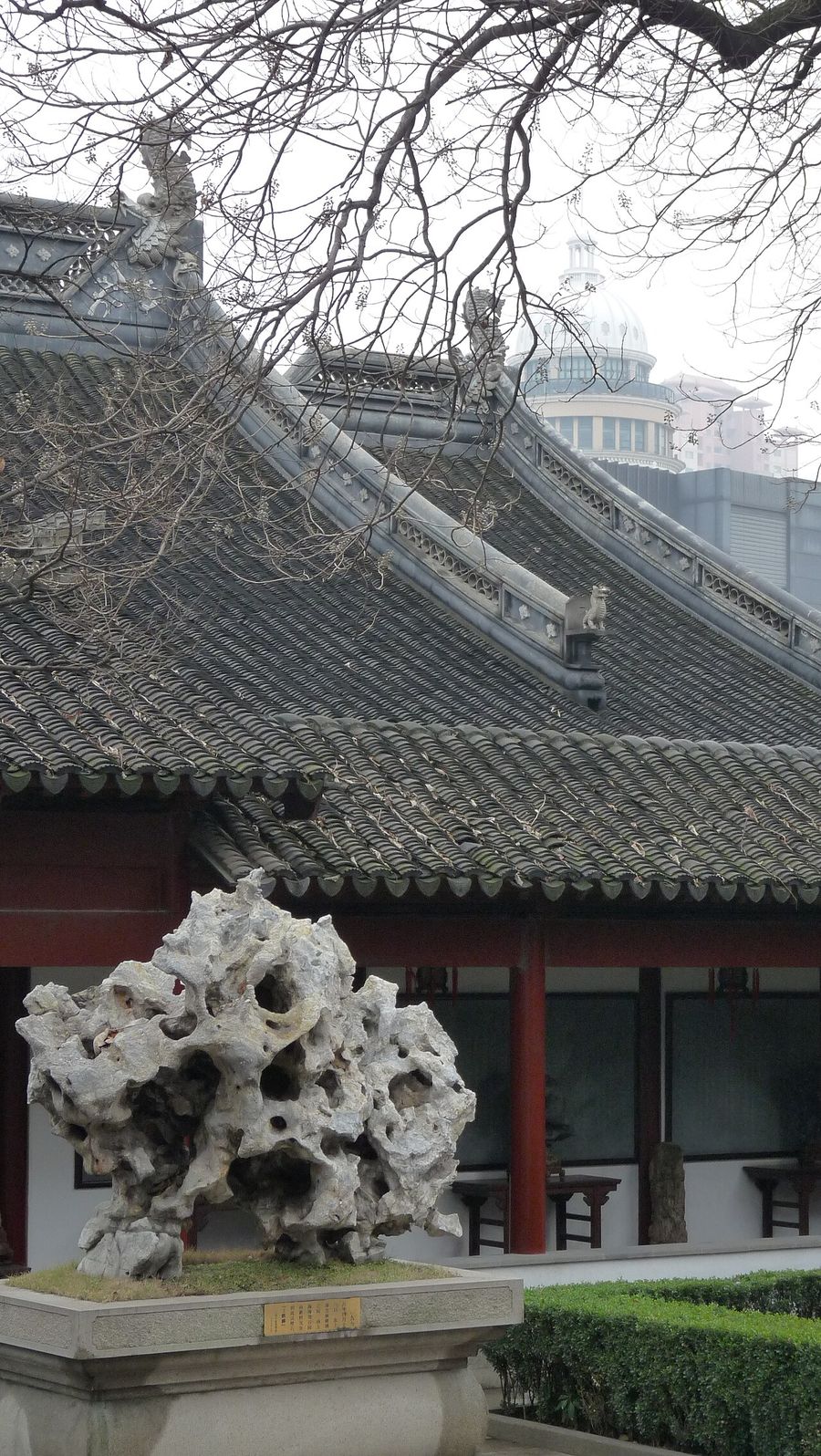
Der Gelehrtenstein
Das chinesische Steinsammeln beginnt mindestens vor 2.200 Jahren, als Herrscherfamilien nach seltenen, natürlich geformten Felsen suchten. Was sich über die Jahrhunderte entwickelte, war die Tradition der Betrachtungssteine — auch Gelehrtensteine oder Gongshi genannt: Steine, die von Fluss, Wind und Wetter zu Formen geschliffen wurden, die an Berge, Wolken, Tiere oder Unsterbliche erinnern, montiert auf geschnitzten Holzsockeln und betrachtet, wie man ein Landschaftsgemälde betrachtet.
Der Schlüssel zum Verständnis dieser Tradition: Die Zusammensetzung des Steins ist unerheblich. Was zählt, sind Form, Andeutung, Geschichte und philosophische Resonanz — die Ideen, die der Stein verkörpert, seine Verbindungen zu Legenden, Religion oder berühmten Besitzern. Ein Betrachtungsstein ist gefundene Kunst, in der Natur „zufällig entdeckt". Millionen Enthusiasten in China sammeln bis heute auf diese Weise; die China View Stone Association zählt rund vier Millionen registrierte Mitglieder, und in den letzten Jahren haben Dutzende privater Betrachtungsstein-Museen ihre Türen für die Öffentlichkeit geöffnet.
Das westliche Kabinett
Die westliche Tradition entwuchs einem völlig anderen Samen: dem Renaissance-„Kuriositätenkabinett", in dem Mineralien neben Fossilien und Muscheln als Objekte wissenschaftlichen Staunens standen. Die Fragen, die ein westlicher Sammler stellt — Welche Art ist es? Wie perfekt ist die Kristallform? Wie steht sie im Vergleich zu den besten bekannten Beispielen? — sind analytische Fragen. Schönheit zählt enorm, aber es ist eine Schönheit, verankert in Kristallografie, Seltenheit und Fundortdokumentation.
Deshalb bauten Europa und Amerika große Mineralienmuseen, während China, trotz fünftausend Jahren Bergbau, dies nicht tat. Die steinliebende Kultur war vorhanden; die stufenbewahrende Kultur nicht. Kristalle, die in chinesischen Minen gefunden wurden, waren Erz, und Erz ging an die Mühle.
Foto: Rolfmueller, CC BY-SA 3.0, über Wikimedia Commons
Zwei Traditionen treffen aufeinander
Als China sich nach 1978 wieder der Welt öffnete, prallten diese beiden Sichtweisen aufeinander — produktiv. Westliche Händler, die in den 1980er Jahren ankamen, führten das Konzept einer Mineralstufen-Ökonomie ein, und chinesische Bergleute, Händler und schließlich Sammler lernten die westliche Bewertungssprache von Glanz, Transparenz, Form und Schaden. In die andere Richtung sind westliche Sammler zunehmend dazu gekommen, die kontemplative, ästhetische Dimension zu schätzen, die die chinesische Tradition mitbringt — die Vorstellung, dass ein großartiges Naturobjekt Anlass zur Besinnung ist, nicht nur eine wissenschaftliche Trophäe.
Heute löst sich die Grenze auf. Viele chinesische Betrachtungsstein-Sammler haben kristallisierte Mineralien zu ihren Sammlungen hinzugefügt, und der „Chrysanthemenstein" aus Hunan — grauer Schiefer, der strahlenförmige Coelestin-Aggregate beherbergt — wird in beiden Traditionen zugleich geliebt: ein Betrachtungsstein, der zufällig eine Mineralstufe ist, oder eine Mineralstufe, die zufällig ein Betrachtungsstein ist.
Auch Chinas Regierung hat die pädagogische Kraft des westlichen Ansatzes erkannt und finanziert im ganzen Land moderne geologische Museen und Geoparks, um junge Menschen für die Geowissenschaften zu begeistern — über hundert neue naturkundliche Museen wurden in Großstädten geplant oder gebaut, zusammen mit Leuchtturmprojekten wie dem China-Betrachtungsstein-Park bei Wuxi, der Betrachtungssteine und Weltklasse-Kristallmineralien unter einem Dach vereint.
Was Sammler von beiden lernen können
Die reichste Art zu sammeln besteht vielleicht darin, sich von beiden Traditionen etwas zu leihen. Vom Westen: Genauigkeit. Kennen Sie Ihre Art, Ihren Fundort, Ihre Kristallformen; bestehen Sie auf ehrlichem, unbeschädigtem, unbehandeltem Material. Von China: Kontemplation. Lassen Sie eine Stufe mehr sein als eine Checkliste von Qualitätsmerkmalen — lassen Sie sie ein kleiner Berg auf Ihrem Schreibtisch sein, ein 150 Millionen Jahre altes Ereignis, das Sie in der Hand halten können.
Jede Stufe bei MyMineralBox trägt vollständige Fundortdokumentation — und mehr als eine würde einen Gelehrten der Song-Dynastie innehalten und staunen lassen.
---
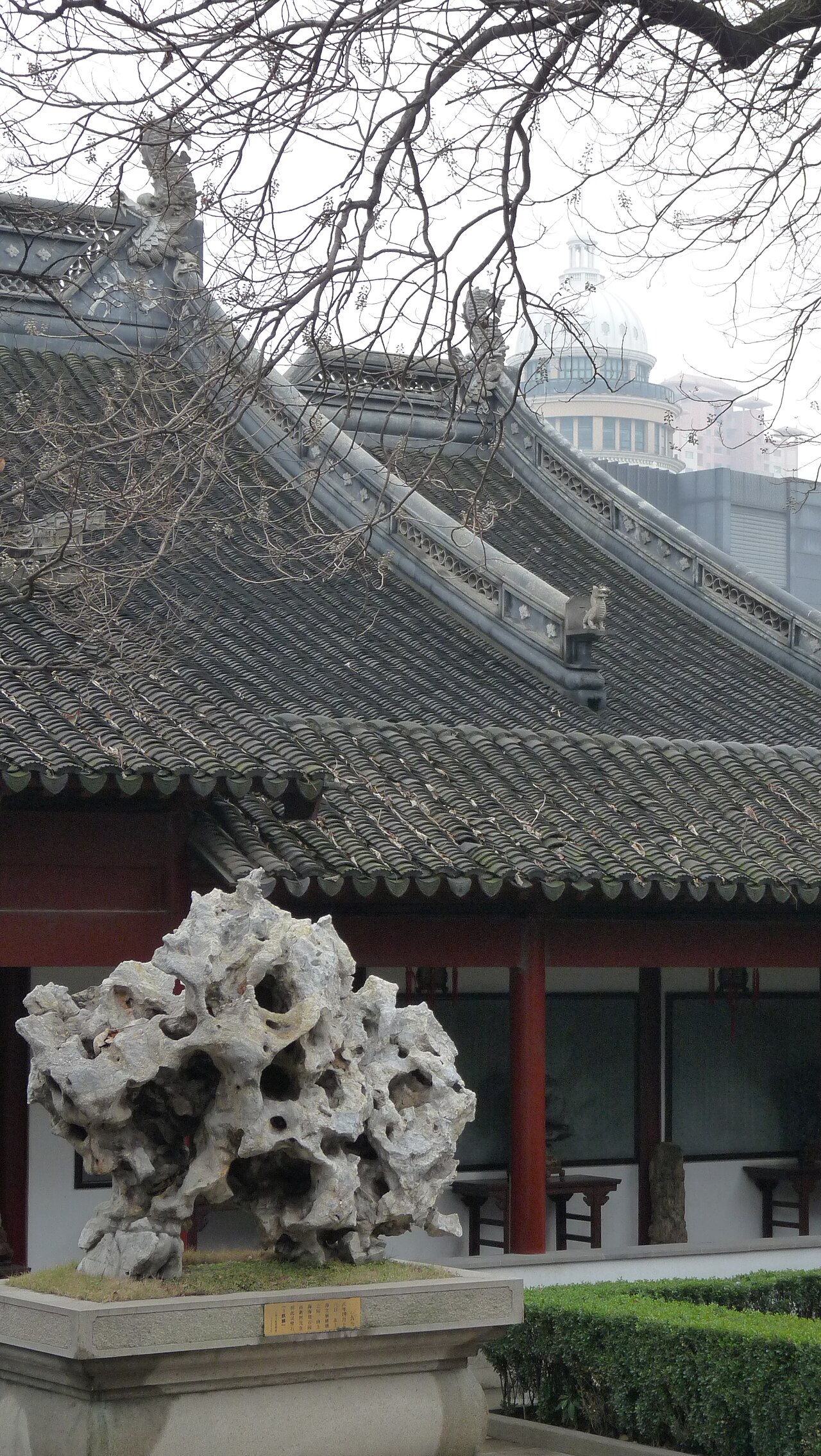
Foto: Christopher, Tania and Isabelle Luna, CC BY 2.0, über Wikimedia Commons
Quellen und weiterführende Lektüre
Der sachliche Hintergrund dieses Artikels stützt sich auf Liu, G., Lavinsky, R.M., Meieran, E.S., Schmitt, H.H., Moore, T.P. & Wilson, W.E. (2013), Crystalline Treasures: The Mineral Heritage of China, ein Supplement zu The Mineralogical Record, Bd. 44, Nr. 1, sowie auf die Fundort-Notizen von MyMineralBox und gängige mineralogische Referenzwerke. Fakten zu aktuellen Entwicklungen stammen aus den datierten Quellen, die oben im Kasten verlinkt sind. Alle Texte sind Originalinhalte von MyMineralBox.
Heldenbild: Foto von Christopher, Tania and Isabelle Pearson, CC BY 2.0 über Wikimedia Commons.
Häufige Fragen
Was ist der Unterschied zwischen einem Betrachtungsstein und einer Mineralstufe?
Ein Betrachtungsstein (Gongshi oder Gelehrtenstein) wird für seine natürliche skulpturale Form und poetischen Assoziationen geschätzt, unabhängig davon, woraus er besteht. Eine Mineralstufe wird für ihre kristallisierte Art, Form, Farbe und ihren Fundort geschätzt. Chinas Tradition bevorzugte Betrachtungssteine; der Westen entwickelte das Kristallsammeln.
Was ist ein chinesischer Gelehrtenstein?
Ein Gelehrtenstein ist ein natürlich erodierter Stein — oft Kalkstein aus dem Tai-See —, der in China seit Jahrhunderten für Formen bewundert wird, die an Berge oder Wolken erinnern, präsentiert auf einem geschnitzten Holzsockel als Objekt der Kontemplation.