
GEOLOGIE
Waarom China zoveel wereldklasse-mineraalspecimens voortbrengt: de geologie
Botsende platen, oeroude magma's en hydrothermale aders — de geologische redenen waarom China meer fijne mineraalspecimens oplevert dan bijna elke andere plek op aarde.
Een land samengesteld uit stukken
Geologisch gezien is „China" een mozaïek. De landmassa die we vandaag zien, werd over honderden miljoenen jaren aan elkaar gesmeed uit afzonderlijke korstblokken — de Siberische, de Tarim-, de Noord-Chinese, de Yangtze-, de Zuid-Chinese, de Indiase en de Pacifische plaat speelden allemaal een rol. Elke botsing hief plooigebergten op langs de naadzones, en precies in deze vervormde, gebroken gebergtegordels vonden mineraliserende vloeistoffen hun weg. Stabiele plaatinterieurs werden bekkens en vlakten; de botsingszones werden schatkamers.
Drie grote episodes zijn het belangrijkst voor verzamelaars.
De Perm-Trias-samensmelting (ongeveer 250-205 miljoen jaar geleden). Nadat het supercontinent Gondwana uiteenviel, botsten meerdere blokken tot een nieuwe Aziatische landmassa. Het vulkanisme en de metamorfose die deze botsingen begeleidden, dreven wijdverbreide mineralisatie aan. De coelestien-bundels in de beroemde „chrysantsteen"-concreties van noordelijk Hunan en de uitzonderlijke kermesiet-kristallen van Shaanxi dateren uit dit tijdperk.
De India-Azië-botsing (beginnend ~200-50 miljoen jaar geleden en tot op heden voortdurend). Terwijl de Indiase plaat noordwaarts in Eurazië drong, tilde ze de Himalaya en het Tibetaanse plateau op. Vrijwel alle verzamelmineralen en edelstenen van West-China — inclusief de pegmatietmineralen van het Gaoligongshan-gebergte in Yunnan — ontstonden tijdens deze langdurige samendrukking.
De Pacifische subductie (Late Jura, ongeveer 150-140 miljoen jaar geleden, tot op heden voortdurend). Dit is de grote gebeurtenis voor specimenverzamelaars. Terwijl Pacifische oceanische korst onder Oost-China dook, stegen mantelafgeleide magma's op, plooiden en verbraken gebergteketens, en circuleerde overvloedig grondwater — gevoed door de hoge neerslag van de regio — door heet gesteente. Het resultaat was hydrothermale mineralisatie op massale schaal over Guangdong, Guangxi, Jiangxi en Hunan. Vrijwel alle beroemde fluoriet-, cassiteriet-, scheeliet- en wolfraamiet-mijnen van Zuid-China gaan terug op deze gebeurtenis.
Hydrothermale aders: de kristalfabrieken van de natuur
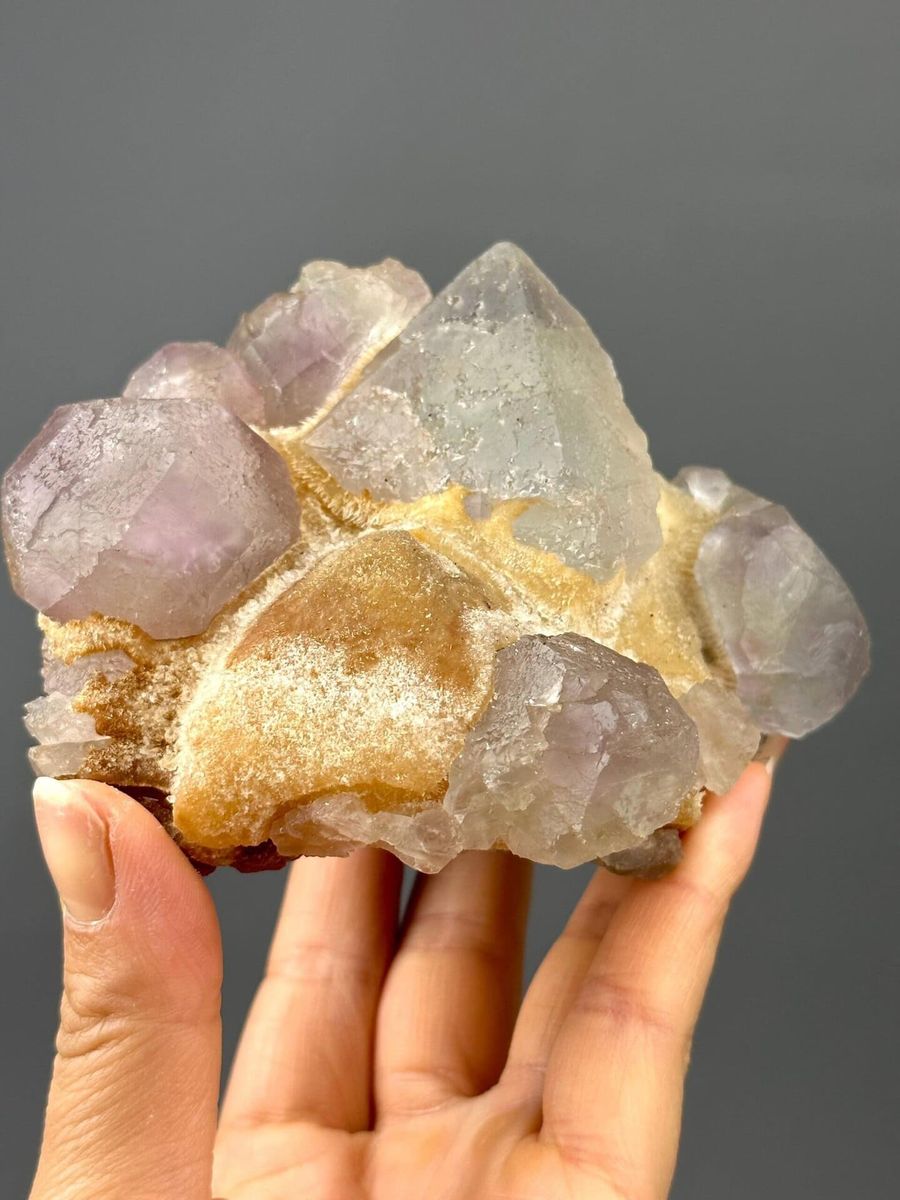
De meeste mooie specimens op de markt — fluoriet, calciet, kwarts, pyriet, stibniet, cinnaber, auripigment, bariet en hun begeleiders — groeiden in hydrothermale aders. Het recept is in principe eenvoudig: heet water loogt metalen en opgeloste silica uit omringend gesteente of wordt uitgedreven uit een afkoelende granietintrusie; de vloeistof stijgt door breuken; naarmate temperatuur en druk dalen, kristalliseren mineralen op de breukwanden. Waar een open holte (een „zakje" of druse) blijft bestaan, groeien kristallen vrij de ruimte in en ontwikkelen ze de scherpe vlakken die verzamelaars waarderen.
De contactzones tussen granietintrusies en ouder gastgesteente waren bijzonder productief en creëerden de koper-, molybdeen-, lood-zink-, tin- en wolfraamertslichamen die Zuid-China doorboren. Het is een gelukkig geochemisch toeval dat dezelfde vloeistoffen die economisch essentieel erts afzetten, ook museumwaardige kristallen lieten groeien in aangrenzende holtes.
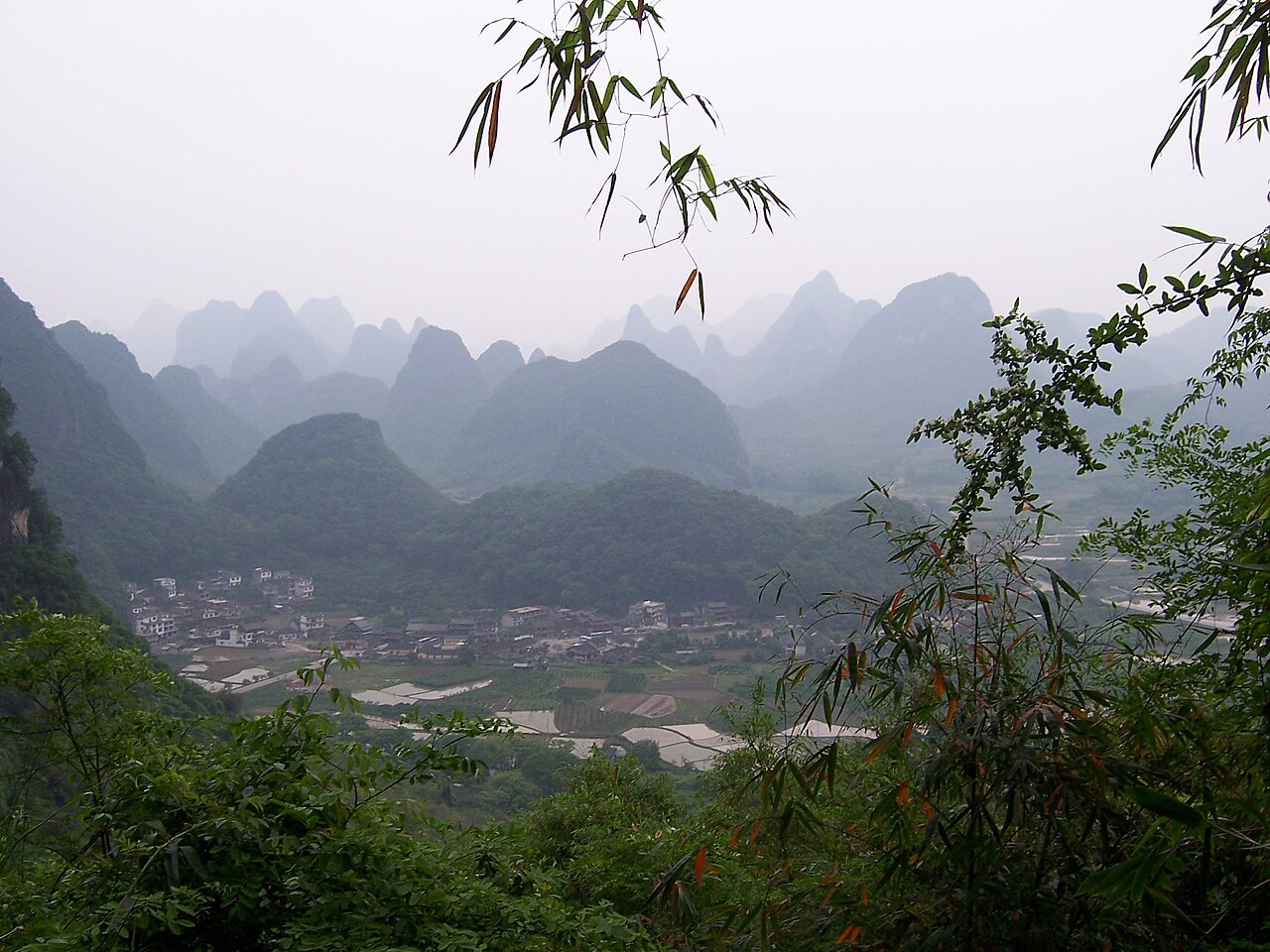
Foto: McKay Savage from London, UK, CC BY 2.0, via Wikimedia Commons
Skarns, pegmatieten en verweringszones
Niet alles is een ader. De Huanggang-afzetting in Binnen-Mongolië is een gigantische skarn — een zone waar magmatische vloeistoffen reageerden met carbonaatgesteente — wat de exotische soortenlijst verklaart: ilvaiet, arsenopyriet, löllingiet en glasachtige fluorieten van ongewone kleur. De edelberyllen van het Altai-gebergte in Xinjiang en de aquamarijn-scheeliet-cassiteriet-associatie van de Xuebaoding-berg in Sichuan komen uit pegmatieten en greisenaders, de laatste waterige resten van kristalliserend graniet.
Tot slot voegt tropisch Zuid-China een tweede hoofdstuk toe: waar neerslag en grondwater sulfide-ertslichamen nabij het oppervlak oxideren, bloeit een nieuwe generatie mineralen op. De pyromorfiet van Daoping, de mimetiet van Pingtouling, de malachiet en azuriet van Shilu en Liufengshan, en de grotcalcieten en hemimorfiet van het karstland zijn allemaal producten van deze warme, natte chemische herwerking.
Wat dit betekent voor verzamelaars
China herbergt 168 typen economische mineraalafzettingen, verspreid over meer dan 20.000 bewerkte vindplaatsen — toch komen de tot nu toe bekende specimens slechts uit een beperkt aantal vindplaatsen, geconcentreerd in het zuiden en zuidwesten. Het uitgestrekte noordwesten en noordoosten blijven vanuit verzamelaarsperspectief nauwelijks verkend. Elke paar jaar verschijnt er een „nieuw Huanggang", en de geologie zegt dat er nog meer zullen volgen.
---
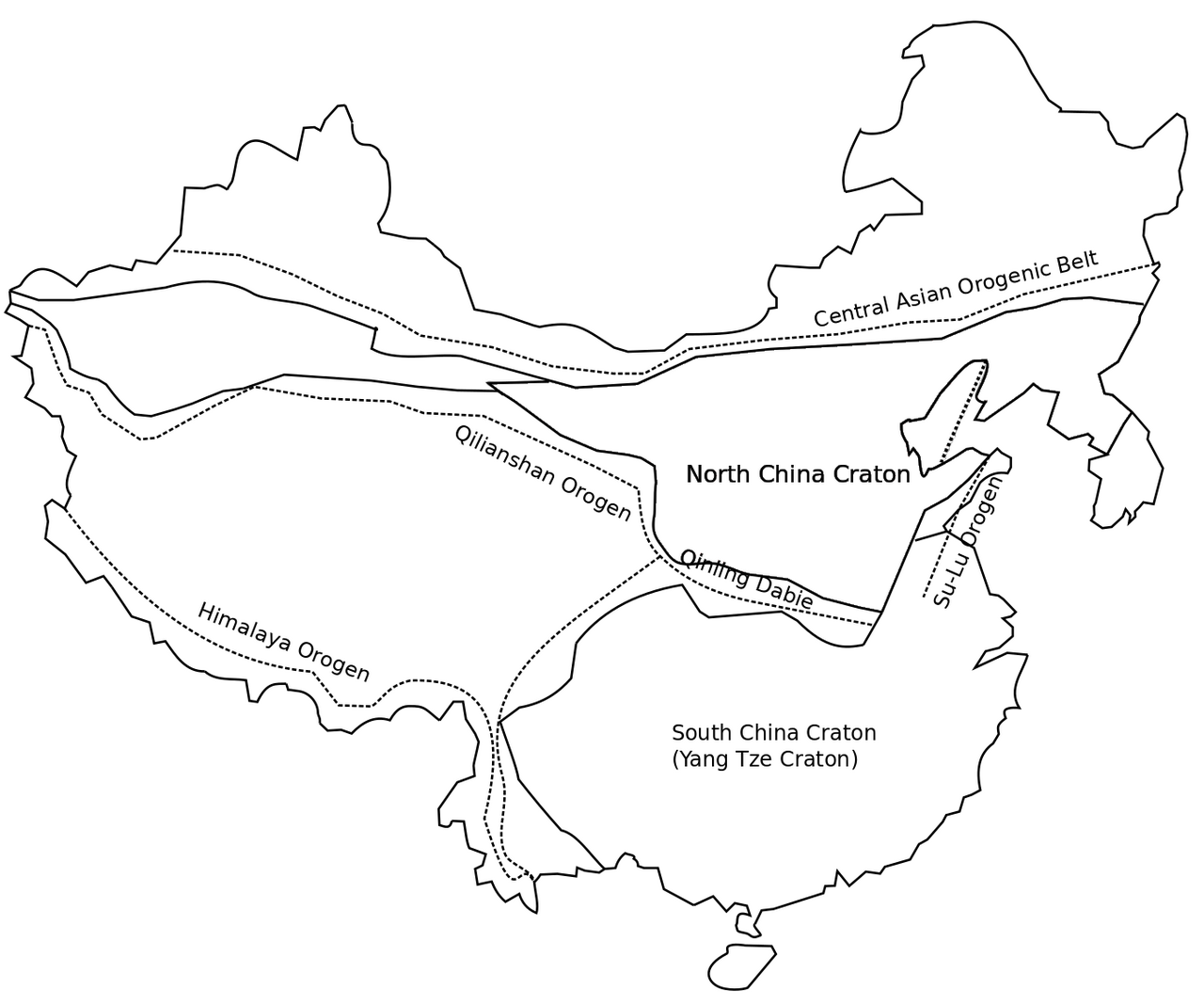
Foto: Celiayangyy, CC BY-SA 4.0, via Wikimedia Commons
Bronnen en verdere lectuur
De feitelijke achtergrond van dit artikel is gebaseerd op Liu, G., Lavinsky, R.M., Meieran, E.S., Schmitt, H.H., Moore, T.P. & Wilson, W.E. (2013), Crystalline Treasures: The Mineral Heritage of China, een supplement bij The Mineralogical Record, deel 44, nr. 1, samen met de vindplaatsnotities van MyMineralBox en standaard mineralogische naslagwerken. Feiten over recente ontwikkelingen zijn afkomstig uit de gedateerde bronnen die hierboven in het kader zijn gelinkt. Alle tekst is origineel van MyMineralBox.
Veelgestelde vragen
Waarom heeft China zoveel fijne mineraalspecimens?
China's landmassa werd over honderden miljoenen jaren samengesteld uit vele botsende tektonische platen, waardoor uitgestrekte gebergtegordels ontstonden waar hete, mineraalrijke vloeistoffen in holtes kristalliseerden. De omvang, gevarieerde geologie en hoge neerslag maken het uitzonderlijk rijk aan verzamelmineralen.
Hoe ontstonden Chinese fluoriet en stibniet?
De meeste ontstonden in hydrothermale aders tijdens het Late Jura (ongeveer 150 miljoen jaar geleden), toen de Pacifische plaat onder Oost-China subduceerde. Hete vloeistoffen uit afkoelende granieten zetten fluoriet, stibniet, calciet en kwarts af in open breuken in Hunan, Jiangxi en Guangxi.