
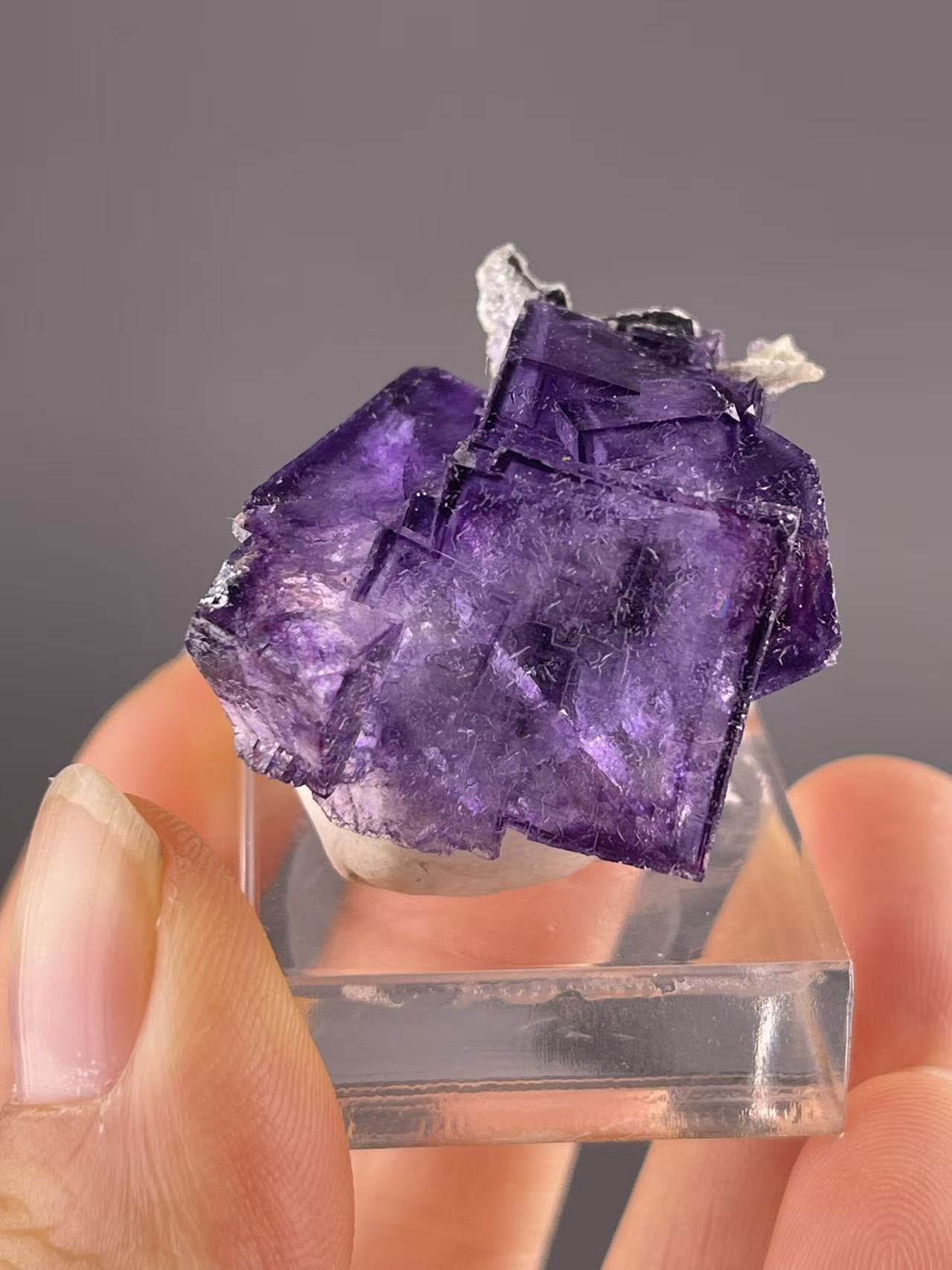
Fluorite is one of the most admired and widely collected minerals in the world. Known for its extraordinary range of colors and remarkable crystal forms, this calcium fluoride (CaF₂) mineral has fascinated collectors, geologists, and gem enthusiasts for centuries. This guide will explore fluorite's physical properties, famous localities, collecting tips, and its value in the mineral market.

Physical and Optical Properties
Fluorite crystallizes in the cubic system and often forms perfect cubes or octahedrons, making it one of the most recognizable minerals for collectors. It is relatively soft, with a Mohs hardness of 4, which means that while it can be polished to a brilliant luster, it requires careful handling to avoid scratches.
Key properties of fluorite include:
- Transparency: Ranges from transparent to translucent.
- Color: Exhibits almost every hue in the visible spectrum.
- Fluorescence: Many specimens glow vividly under ultraviolet (UV) light, a feature that has made fluorite a cornerstone of UV mineral collections.

Common Colors and Zoning
Fluorite is famous for its diversity of colors: purple, green, blue, yellow, pink, and even colorless. The coloration is caused by trace impurities, crystal defects, and exposure to natural radiation. One of the most striking features of fluorite is color zoning, where multiple colors appear in sharp bands or layers within a single crystal.

Popular Color Varieties
- Purple Fluorite: The classic collector's choice, often associated with Illinois and Chinese specimens.
- Green Fluorite: Found worldwide, highly sought after for its clarity and vibrant hues.
- Blue Fluorite: Less common but especially valued when intensely colored.
- Yellow Fluorite: Bright, translucent crystals from Spain, China, and Illinois are particularly collectible.
Famous Localities
Fluorite occurs in many parts of the world, but some localities are especially renowned for producing museum-grade specimens.
- China (Hunan & Jiangxi): Produces world-class fluorite, often associated with quartz, calcite, or pyrite. Yaogangxian Mine in Hunan is celebrated for its blue-green zoned crystals.
- Illinois, USA (Cave-in-Rock District): Known for purple and yellow cubes with extraordinary clarity and size.
- Mexico (Chihuahua & Veracruz): Richly colored specimens with strong fluorescence.
- Spain (Asturias): Famous for gemmy yellow cubes on matrix, highly prized by collectors.

Explore Our Chinese Mine Specimens
Collecting and Handling Tips
Fluorite is delicate compared to harder minerals, so collectors must take extra care.
- Storage: Use padded boxes to prevent chipping and scratching.
- Cleaning: Avoid ultrasonic cleaners and harsh chemicals; use lukewarm water and a soft cloth.
- Display: Keep specimens away from prolonged direct sunlight, as some colors (especially purple and green) can fade over time.
- Handling: Always pick up large specimens from their base, not the crystal edges.
Value and Collecting Market
The value of fluorite is determined by several factors:
- Color intensity and rarity (deep blues, gemmy greens, or perfect purples).
- Crystal size and form (sharp, transparent cubes or octahedrons).
- Associations (fluorite on quartz, calcite, or barite often adds aesthetic value).
- Provenance (well-documented origins like Yaogangxian or Cave-in-Rock greatly increase value).
Auction houses and mineral shows have recorded strong demand for high-quality fluorite, especially Chinese and American specimens. Prices range from affordable thumbnail pieces to five-figure showpieces.

FAQ About Fluorite
1. What is the main use of fluorite outside of collecting?
Fluorite is an important industrial mineral, used as a flux in steelmaking and in the production of hydrofluoric acid.
2. Why does fluorite glow under UV light?
The fluorescence is due to impurities and crystal lattice defects that emit visible light when excited by UV radiation.
3. Is fluorite a good beginner's mineral?
Yes, because of its abundance, beauty, and affordability. However, collectors must learn to handle it carefully due to its softness.
4. Which fluorite localities are the most valuable for collectors?
Chinese and Illinois specimens typically command high prices, especially those with sharp crystals, strong colors, and unique zoning.
[IMAGE: Collector-quality fluorite cabinet specimen]

Conclusion
Fluorite remains one of the most versatile and collectible minerals in the world. Its extraordinary colors, striking fluorescence, and diversity of crystal habits ensure its place in every serious mineral collection. Whether you're starting with a simple green cube or acquiring a world-class zoned cluster, fluorite offers both beauty and value.
