
Fossils
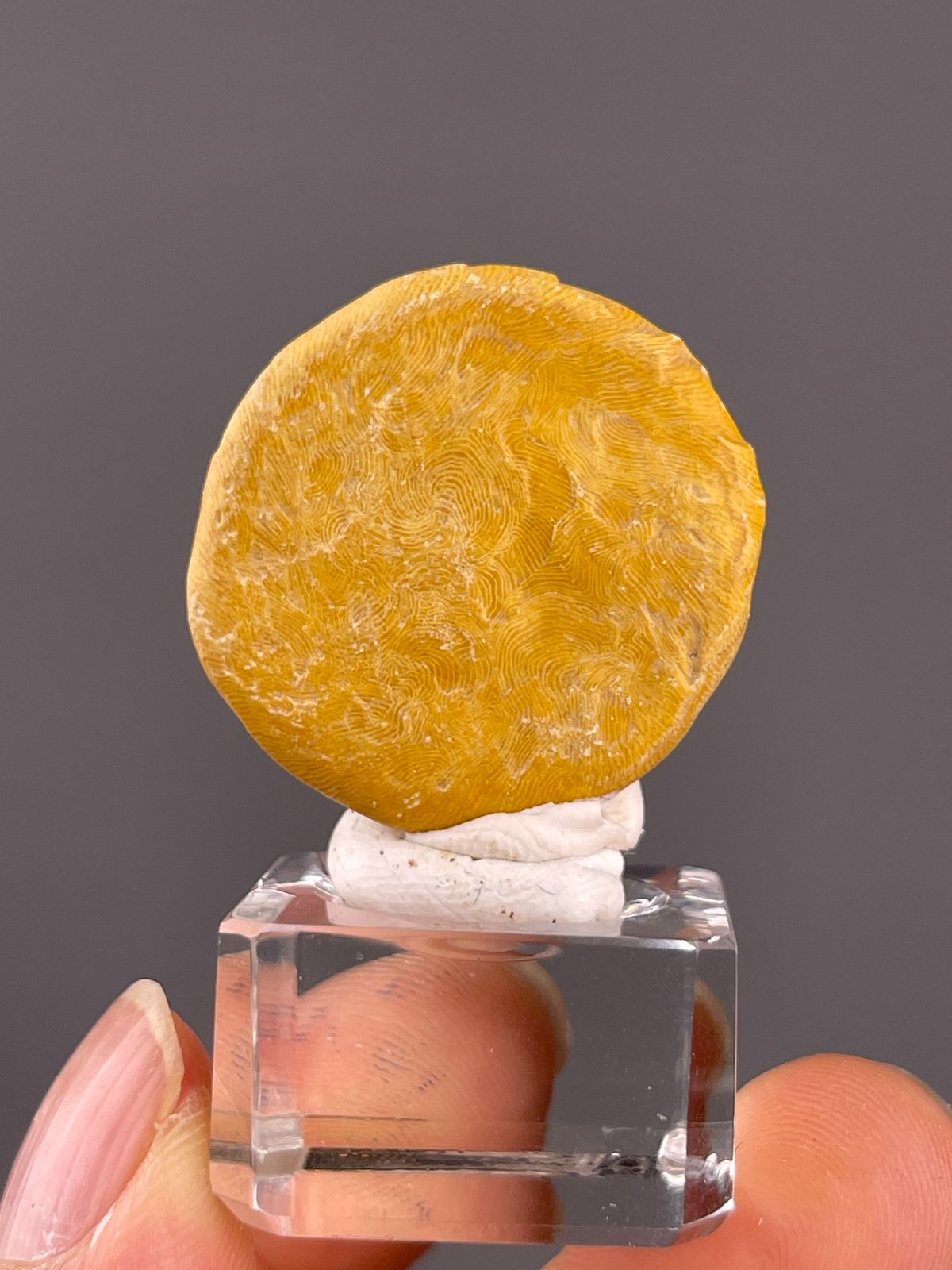
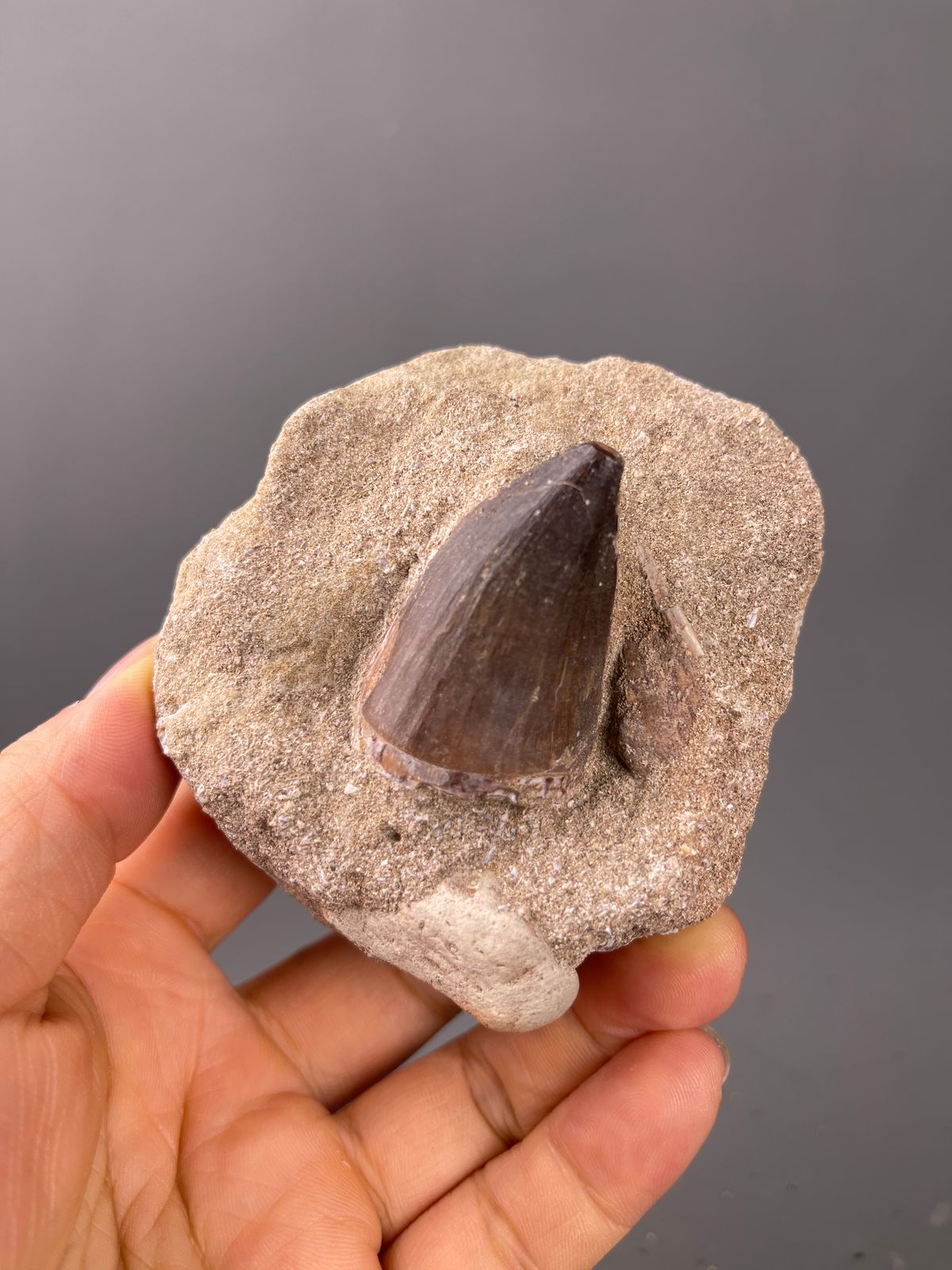
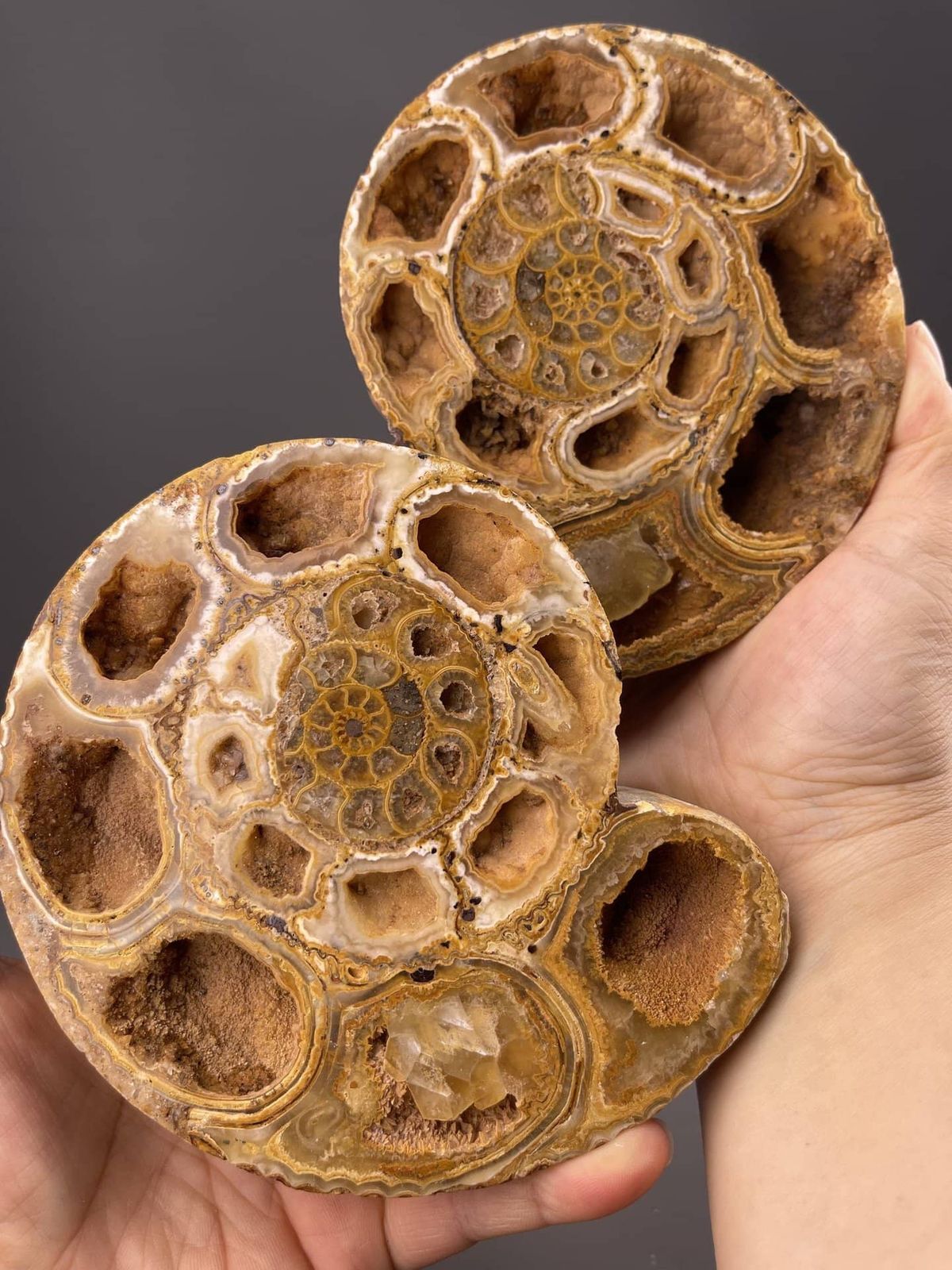
Fossil Buying Guide
Our current fossil selection is small and focuses on individually photographed pieces such as prepared ammonites and fossilized teeth. Fossil material may be cut, polished, stabilized, filled, or restored during preparation, so the exact product record matters more than a broad category promise. We do not infer taxon, geological age, formation, locality, or treatment status when the supporting record is absent.
What to look for in a fossil
Preservation detail is the first grade: crisp suture lines on an ammonite, well-defined chambers in an orthoceras, intact enamel and serrations on teeth. Preparation quality is the second: a skilled polish or matrix prep reveals structure without grinding through it, and the difference between a rushed and a careful prep is obvious side by side. Completeness matters third — a whole, uncrushed shell outranks a fragment — and finally size, which adds value only when the first three hold up.
Honest labeling
The fossil trade has more enhancement than many buyers realize, so a listing should state only the species, locality, age, and preparation details its documentation supports. Filling, stabilization, repainting, or restoration must not be guessed from a photograph. If a claim cannot be verified from the product record or qualified review, it should remain absent or explicitly unconfirmed.
Price and care
Fossil prices vary with taxon, preservation, completeness, preparation, documented provenance, and size. Because this is a small, changing collection, use the exact live listings above for current prices rather than relying on a fixed minimum or range. Most mineralized fossils are stable display objects, but follow the individual listing’s care notes and avoid harsh cleaning or prolonged damp storage.