
Pyrite
Matching specimens
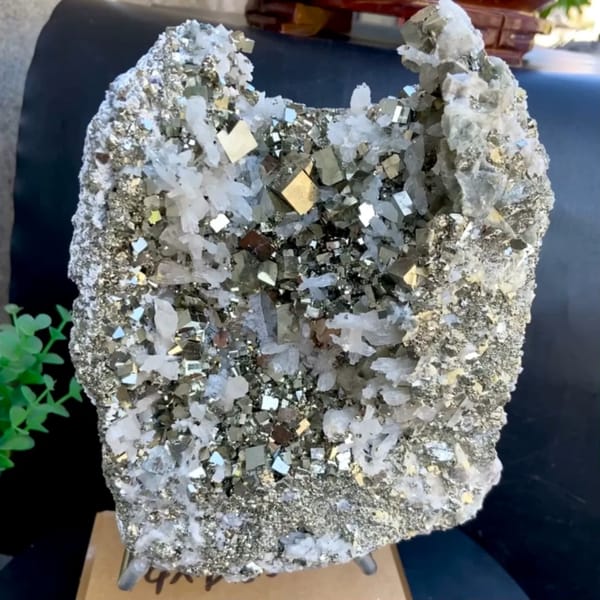
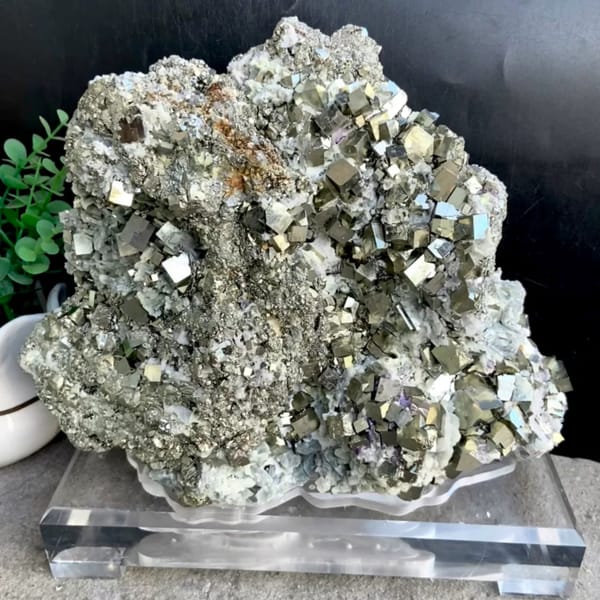
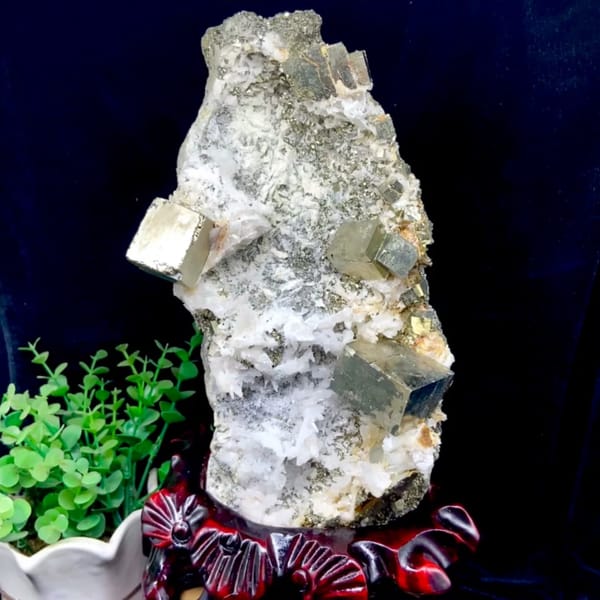
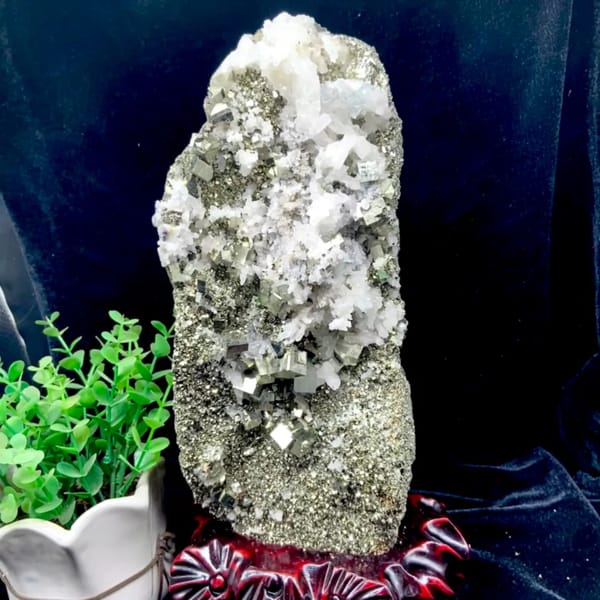
Pyrite Buying Guide
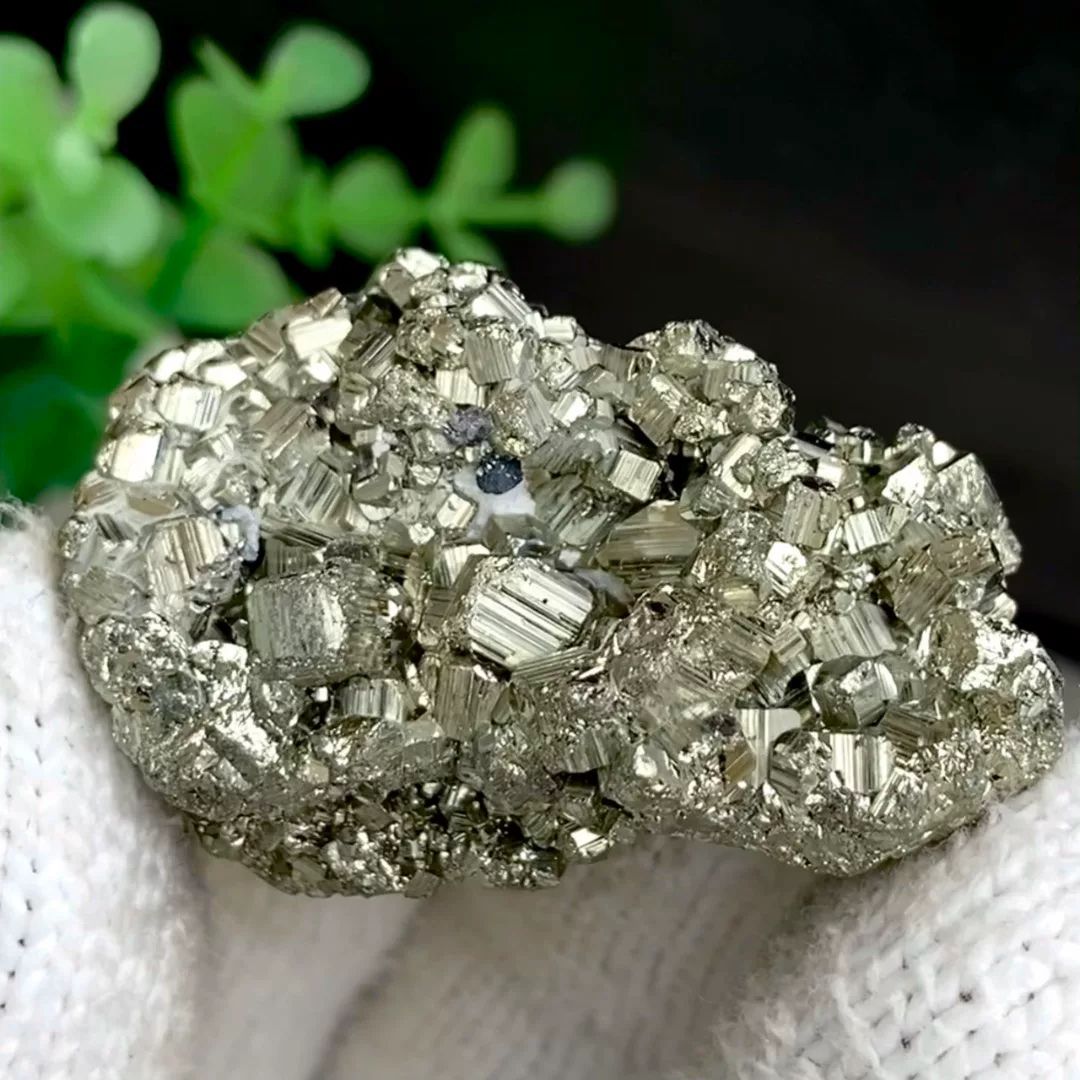
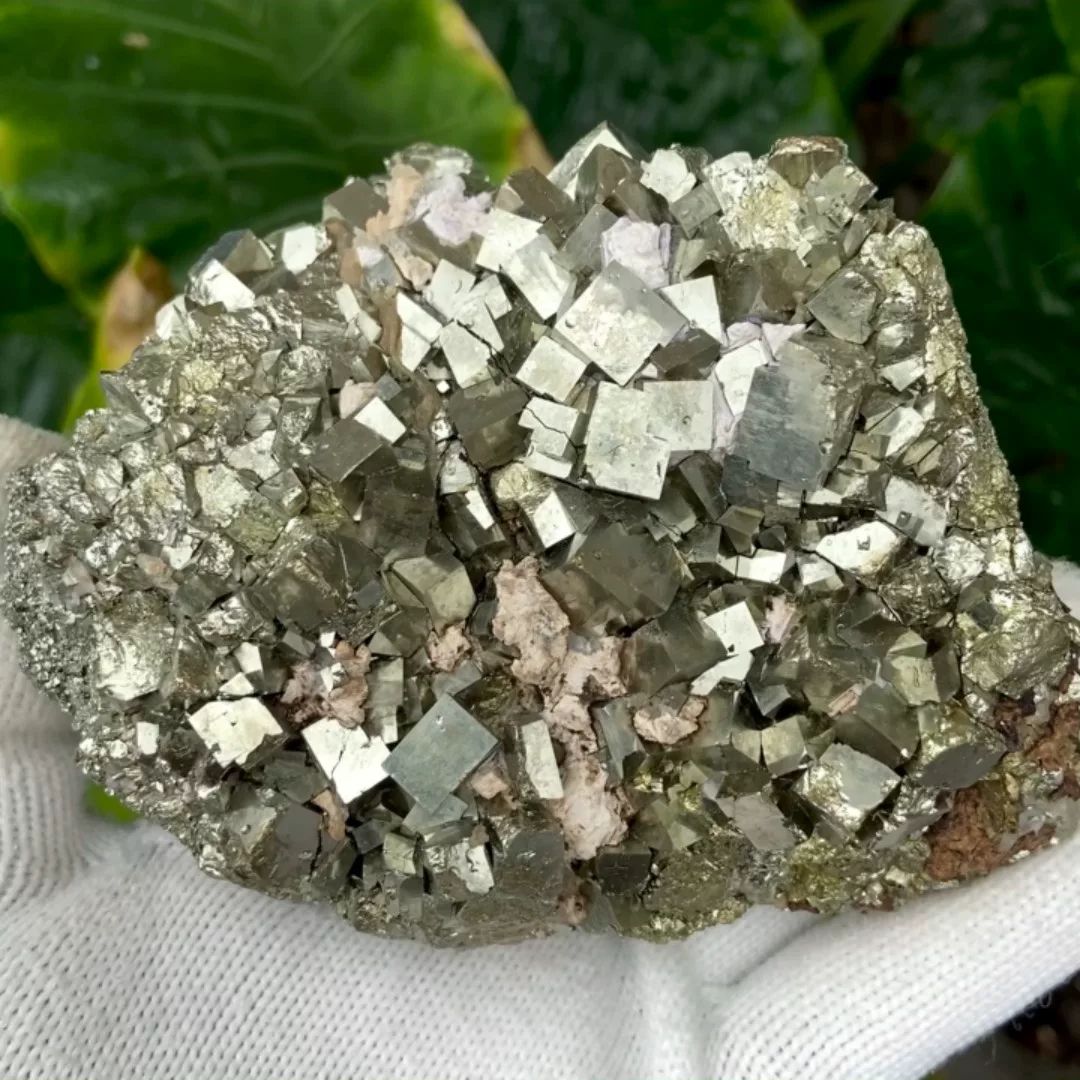
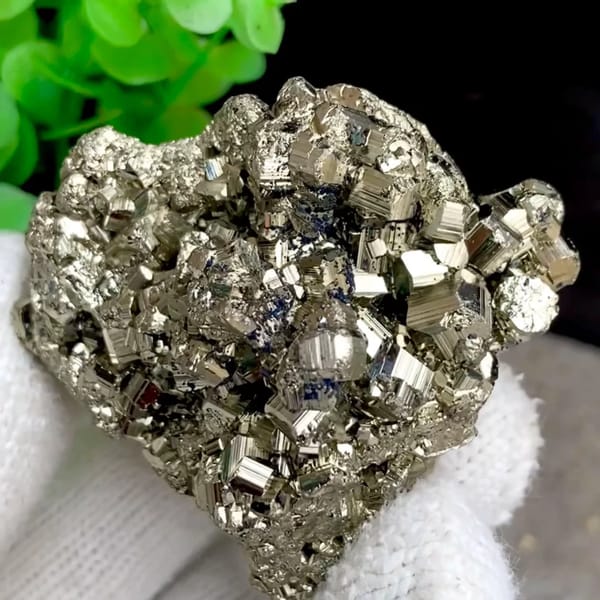
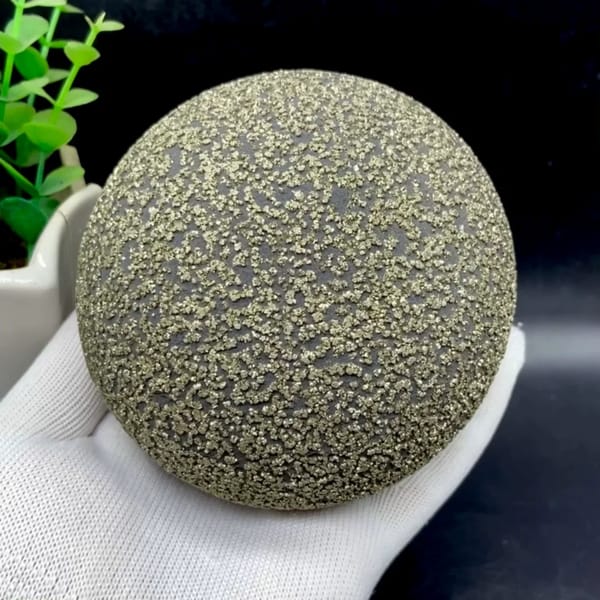
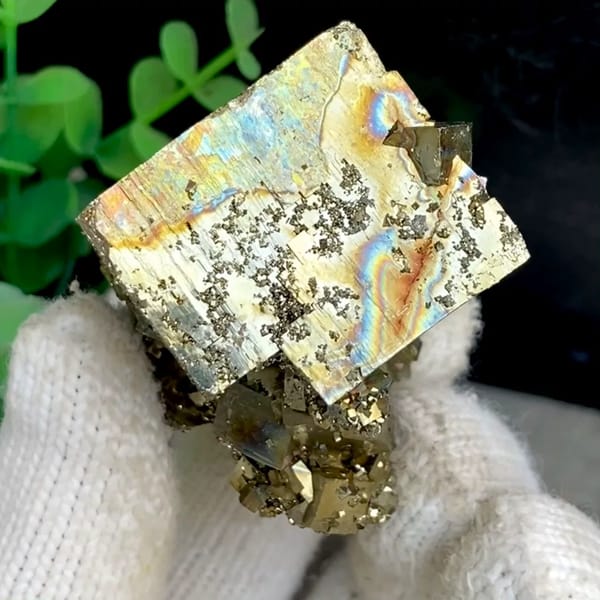
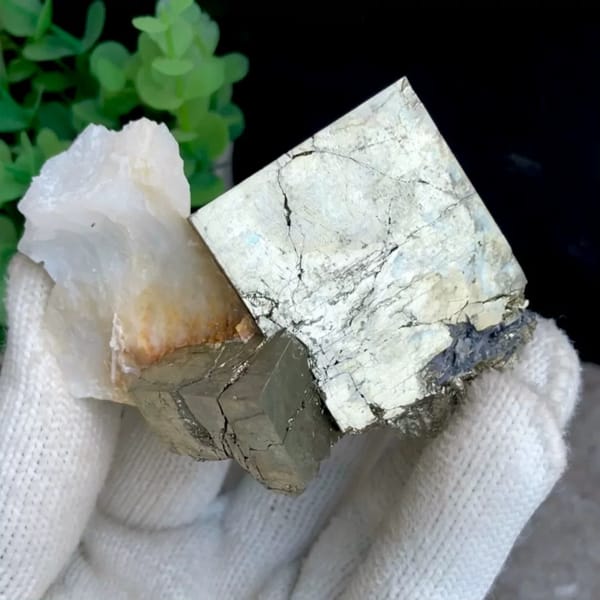
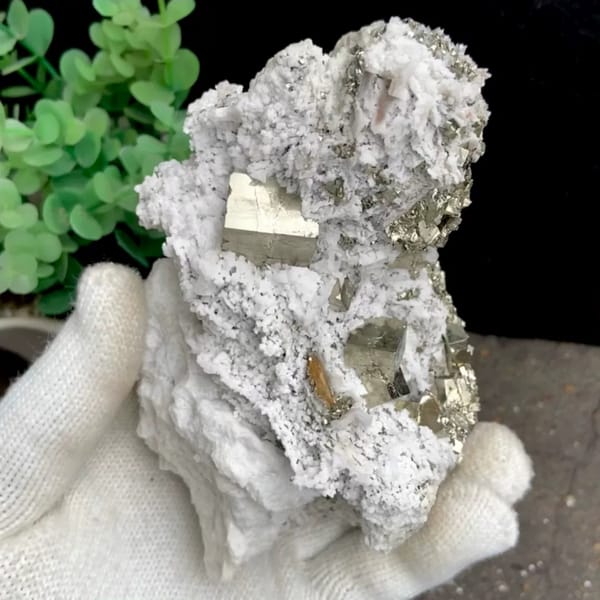
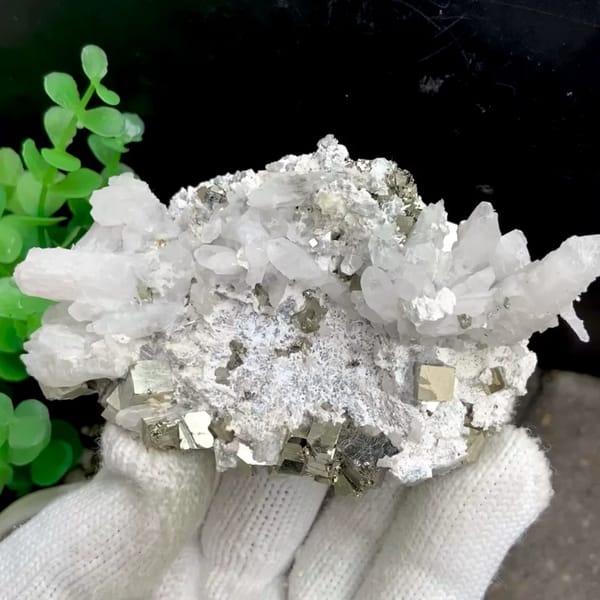
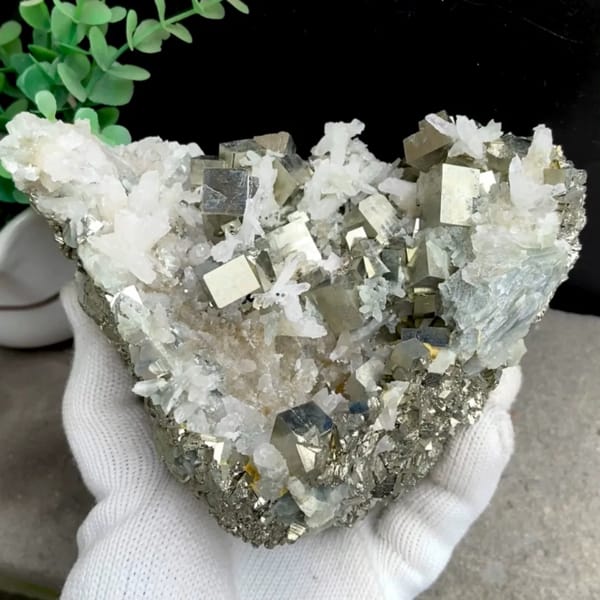
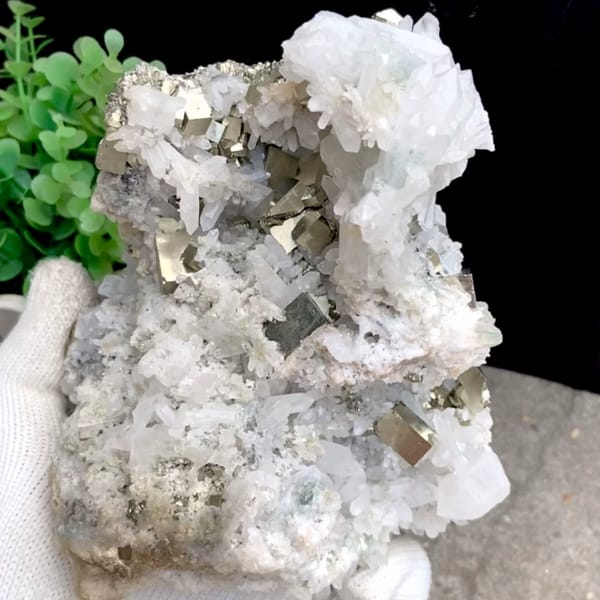
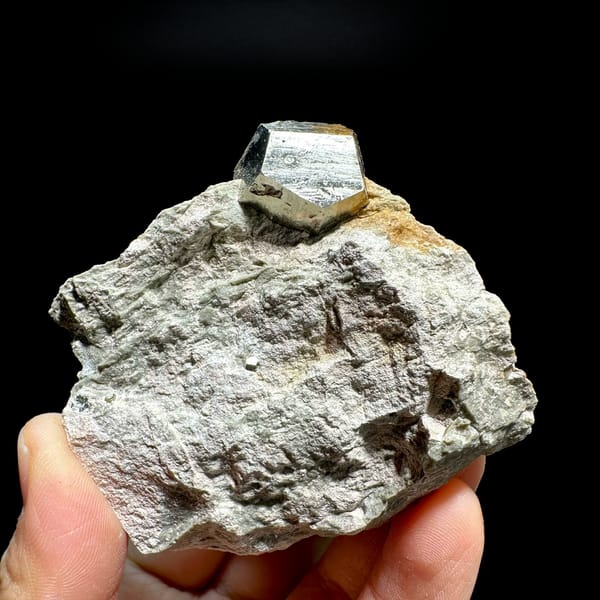
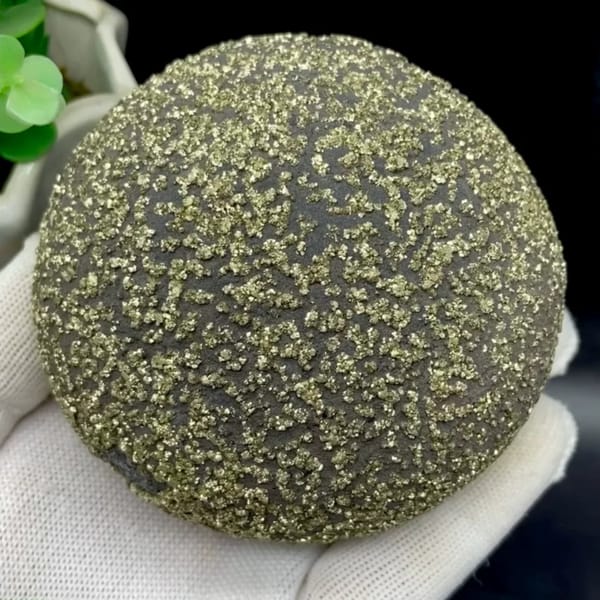
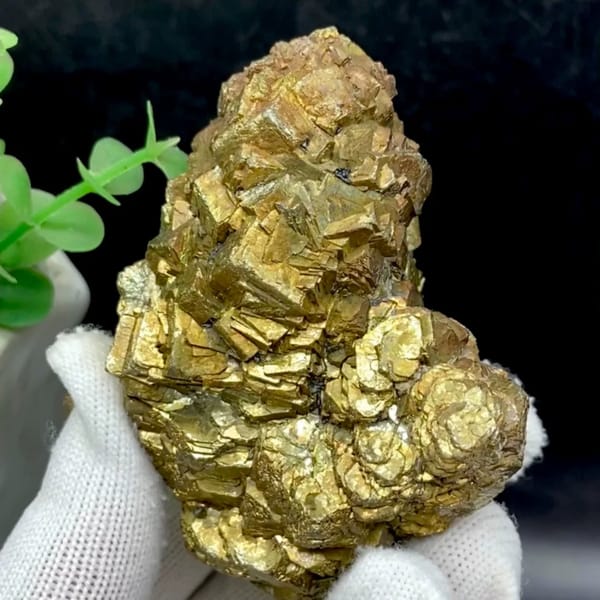
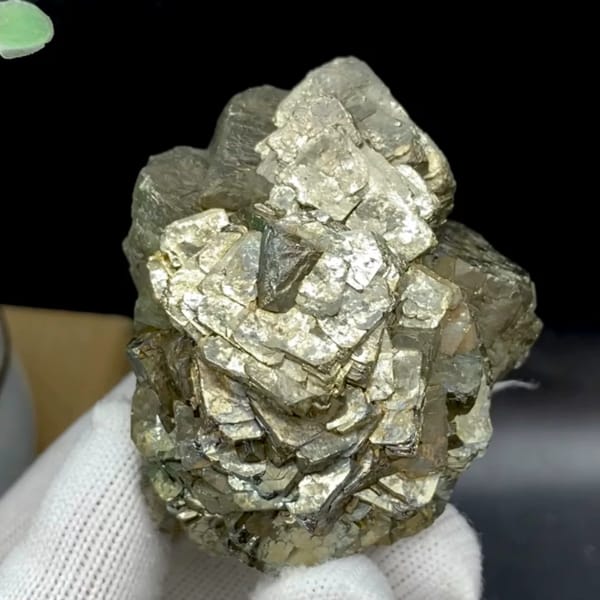
Pyrite — iron sulfide, the original "fool's gold" — is one of the most satisfying minerals to collect because its quality range is so visible: from dull crumbly aggregates to razor-sharp, mirror-bright cubes that look machined. Our pyrite comes primarily from Chinese localities, including the Daye mining district in Hubei, alongside classic cubic material.
How pyrite is graded
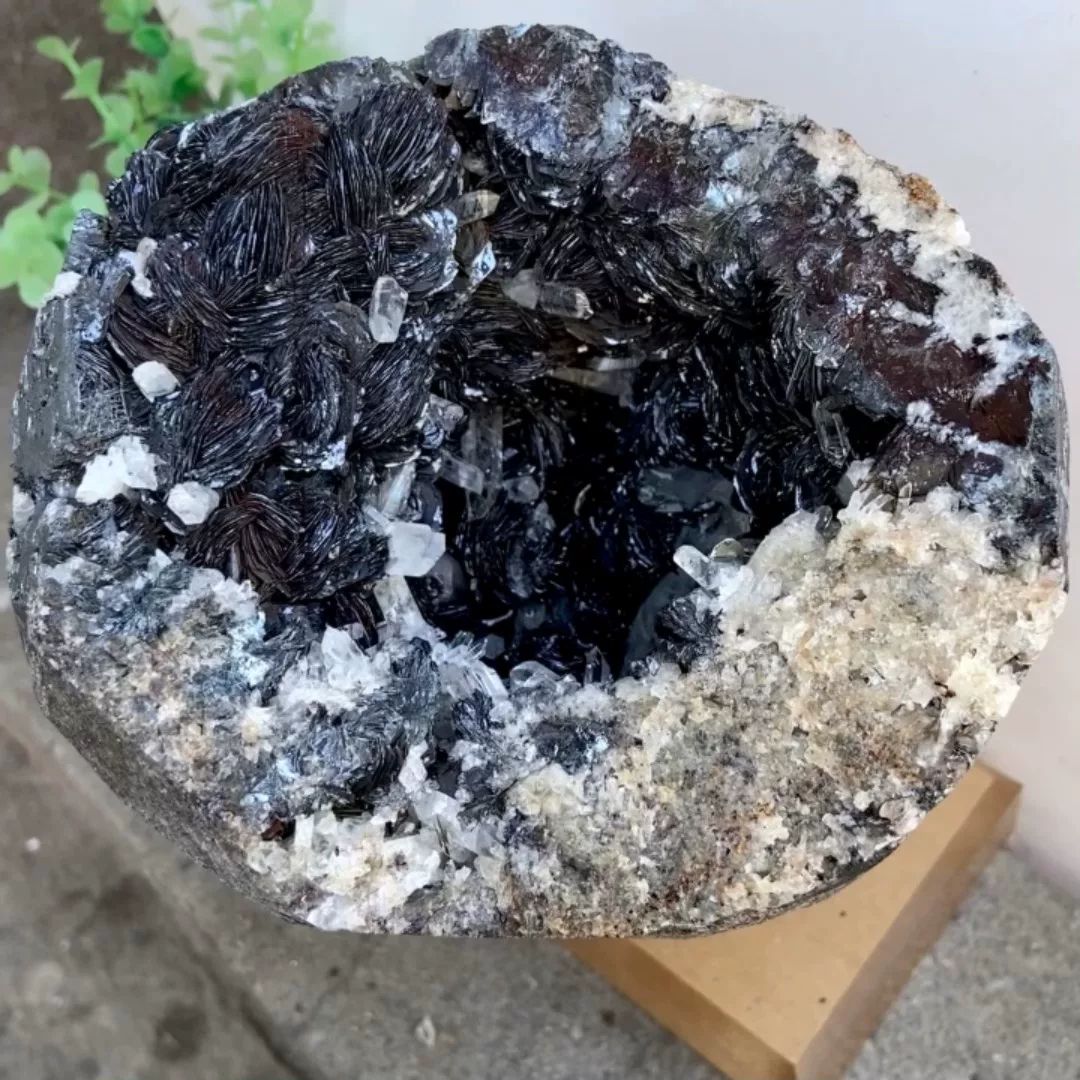
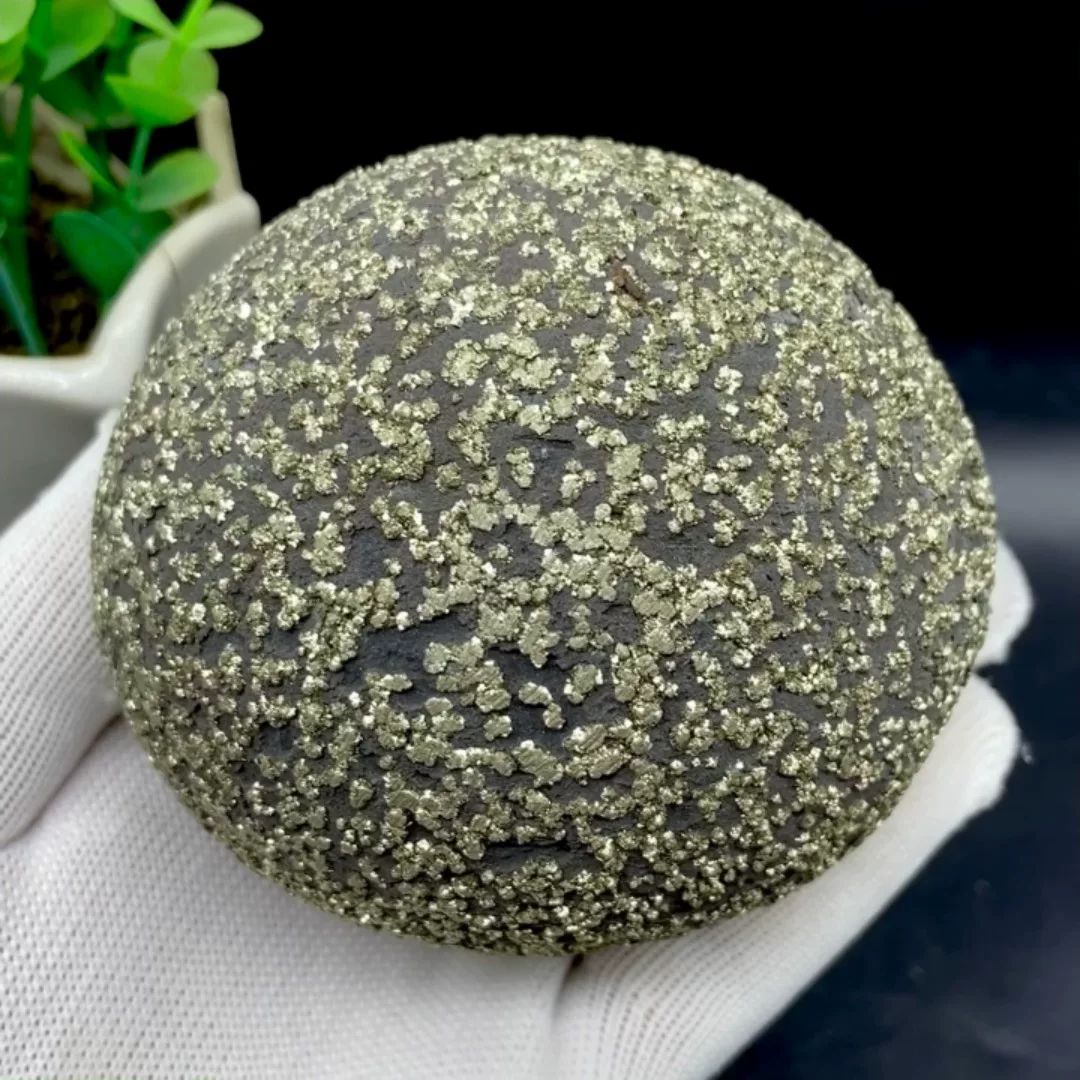
Luster is the first factor: top pyrite has a bright, brassy, mirror-metallic shine across whole faces, while oxidized or poorly preserved material looks dull or darkened. Crystal sharpness is the second: crisp cube edges, clean striations, and well-formed pyritohedra or octahedra grade far above rounded or granular growth. Third is the composition — intergrown cube clusters and cubes sitting cleanly on contrasting matrix display better than single loose crystals. Damage shows as bruised gray edges on an otherwise brassy face and should be priced in.
Typical price bands
Small bright single cubes and clusters start under $25, good display clusters mostly run $30 to $120, and large sharp-cubed plates command more. Pyrite gives some of the best visual impact per dollar in mineral collecting — a $50 pyrite often out-displays specimens at several times the price.
Care notes — this one matters
Pyrite's enemy is humidity. In damp storage, some pyrite slowly oxidizes ("pyrite disease"), showing gray or whitish bloom and, in bad cases, cracking. Keep pyrite in a dry room — with silica gel in the case if you live in a humid climate — and it will stay bright for decades. Wipe fingerprints with a dry soft cloth; skin oils can etch the luster over time. All our pyrite is checked for stability before listing, and we do not sell material already showing decay.