
Stibnite
Matching specimens
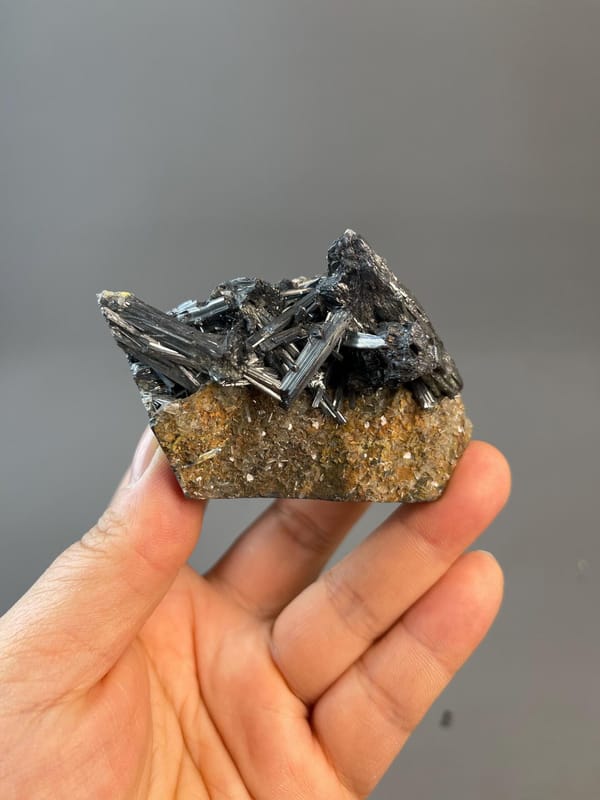
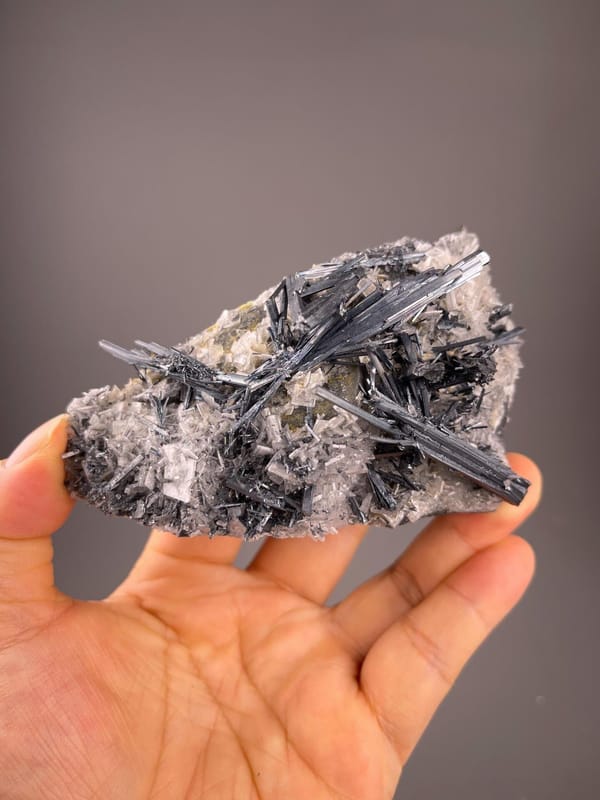
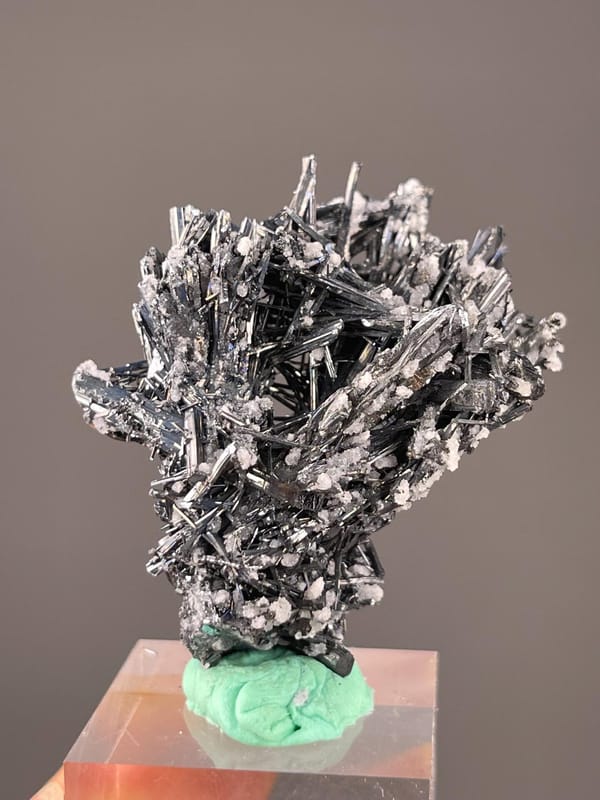
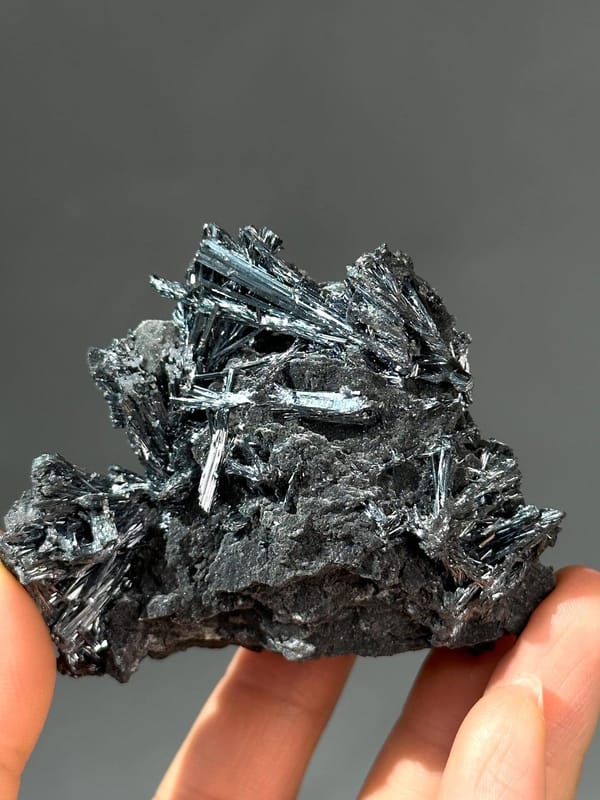
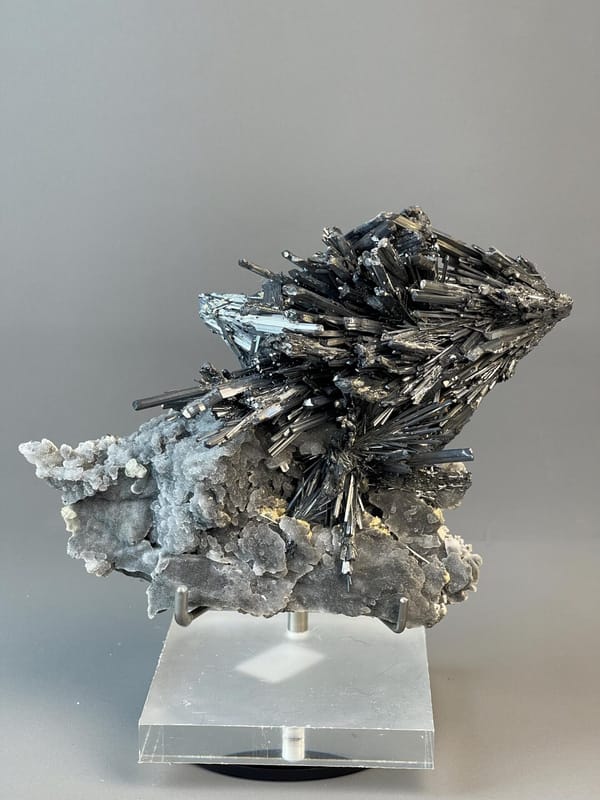
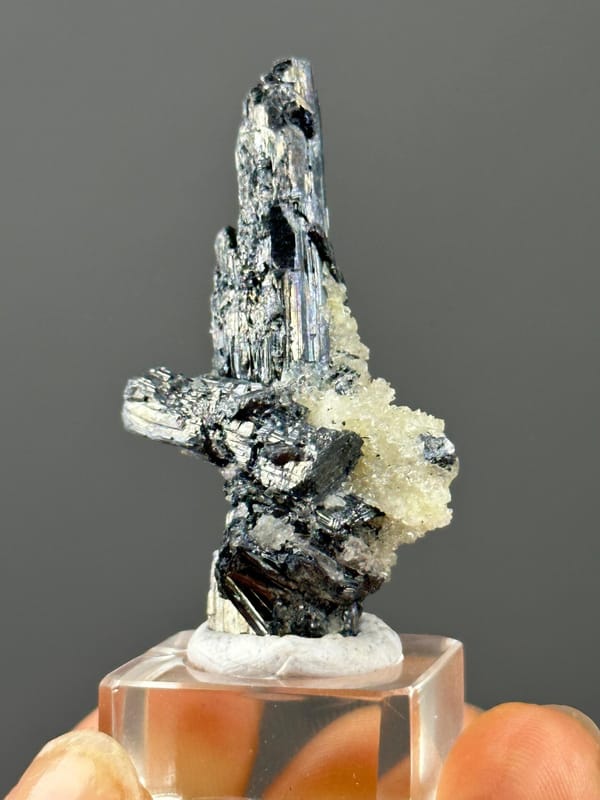
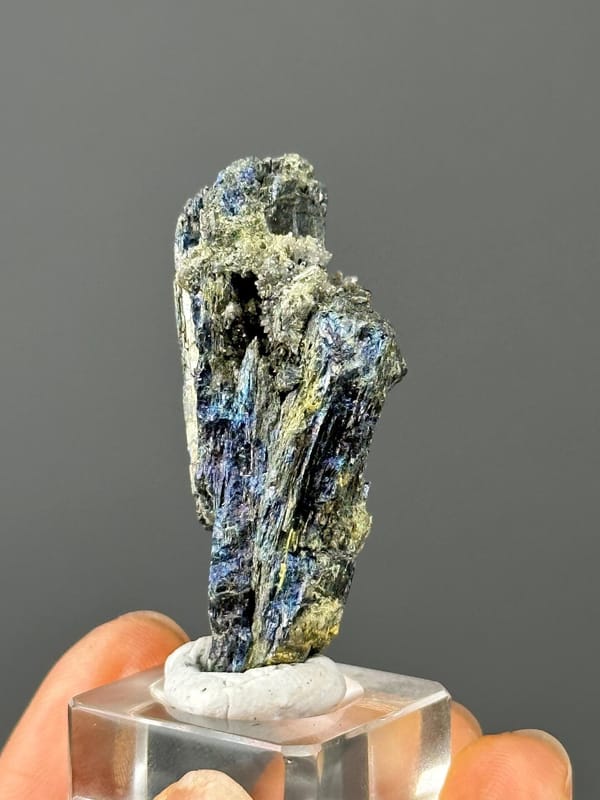
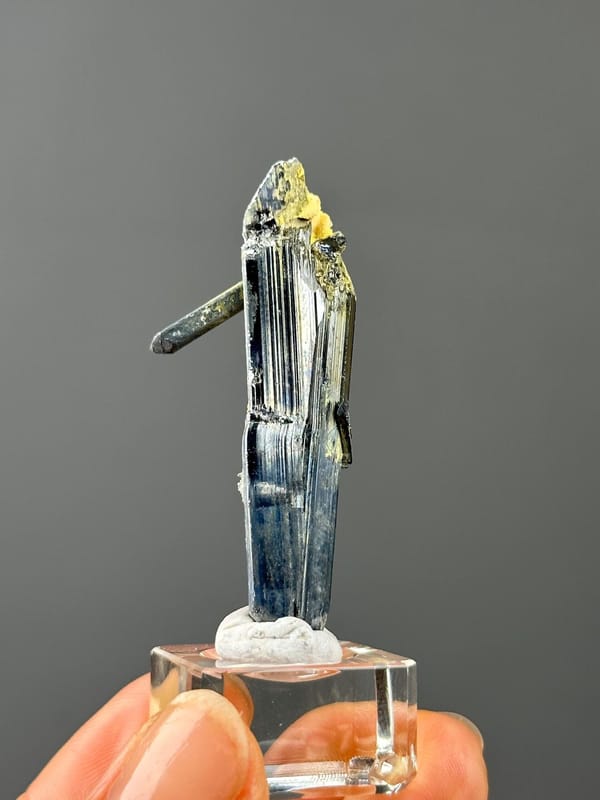
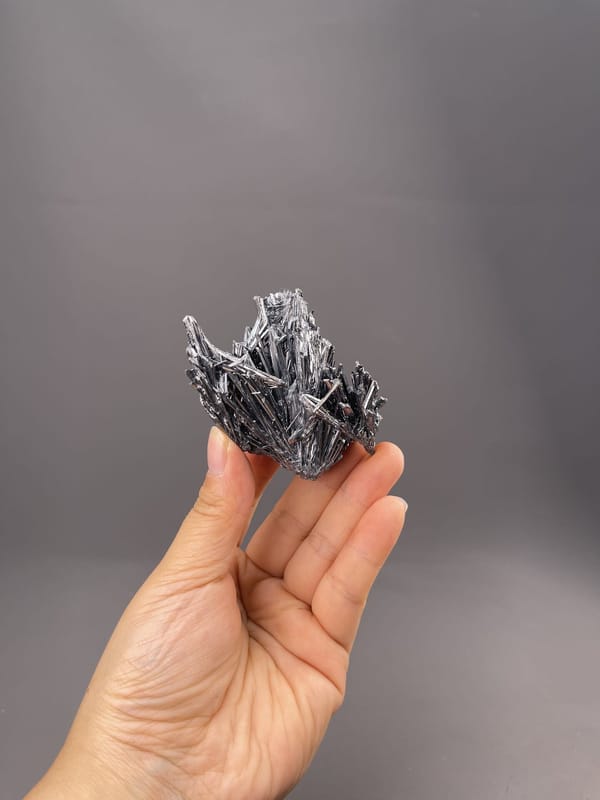
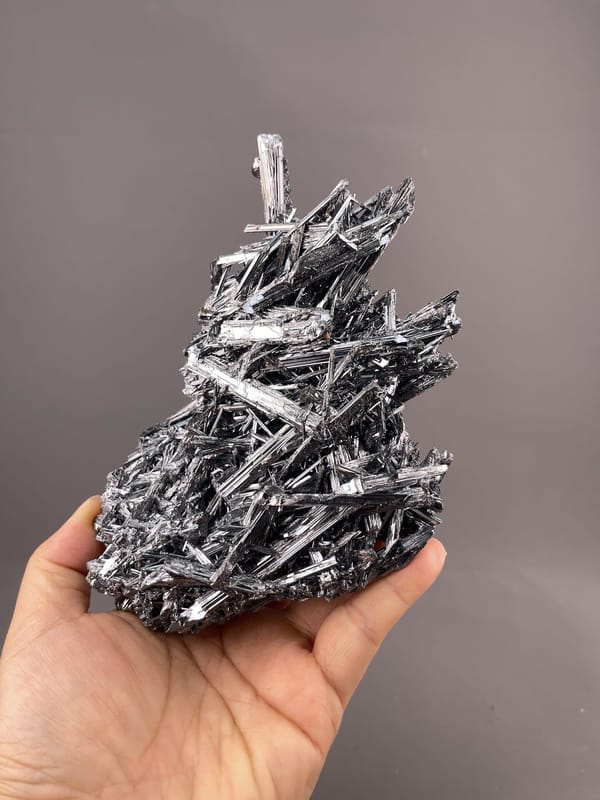
About Stibnite
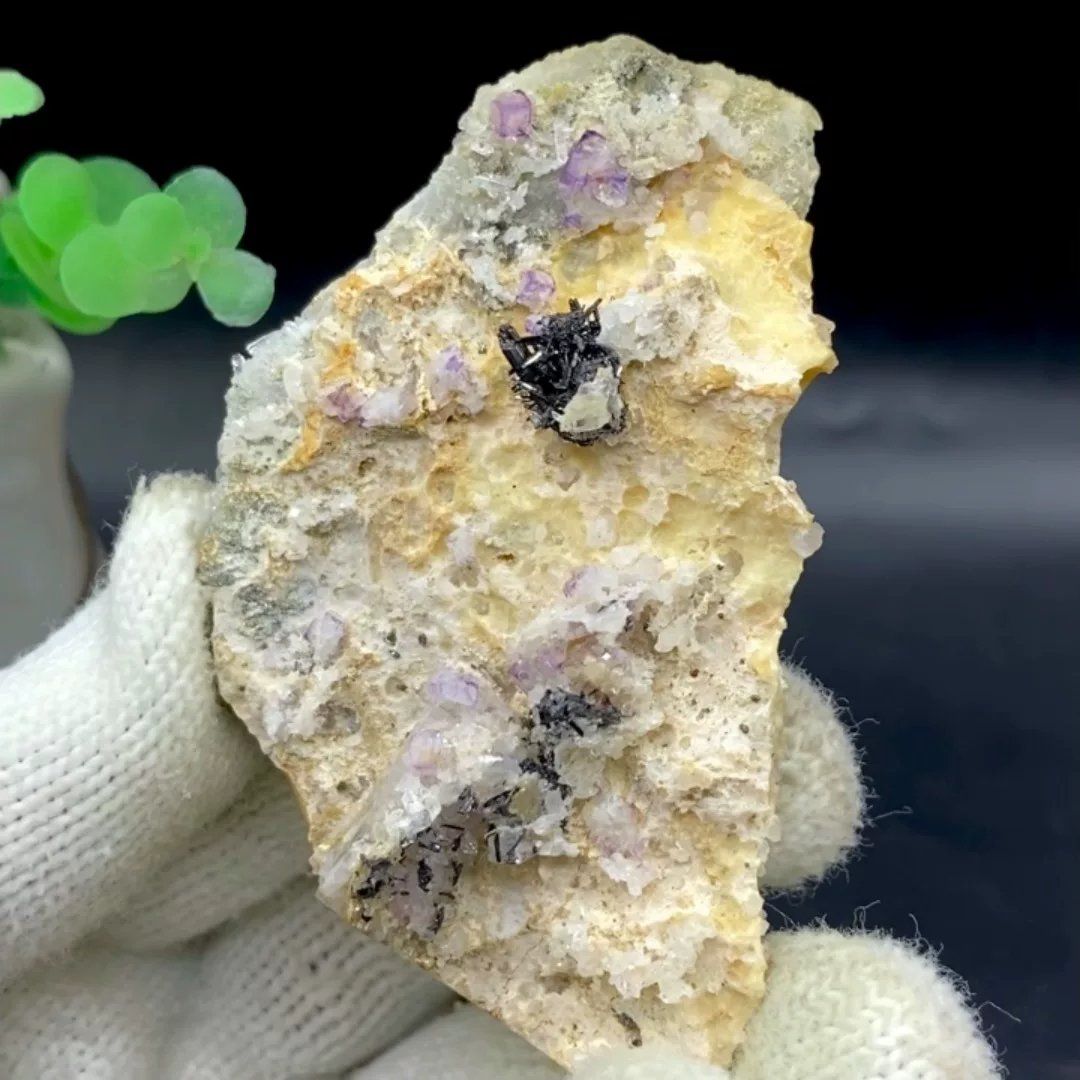
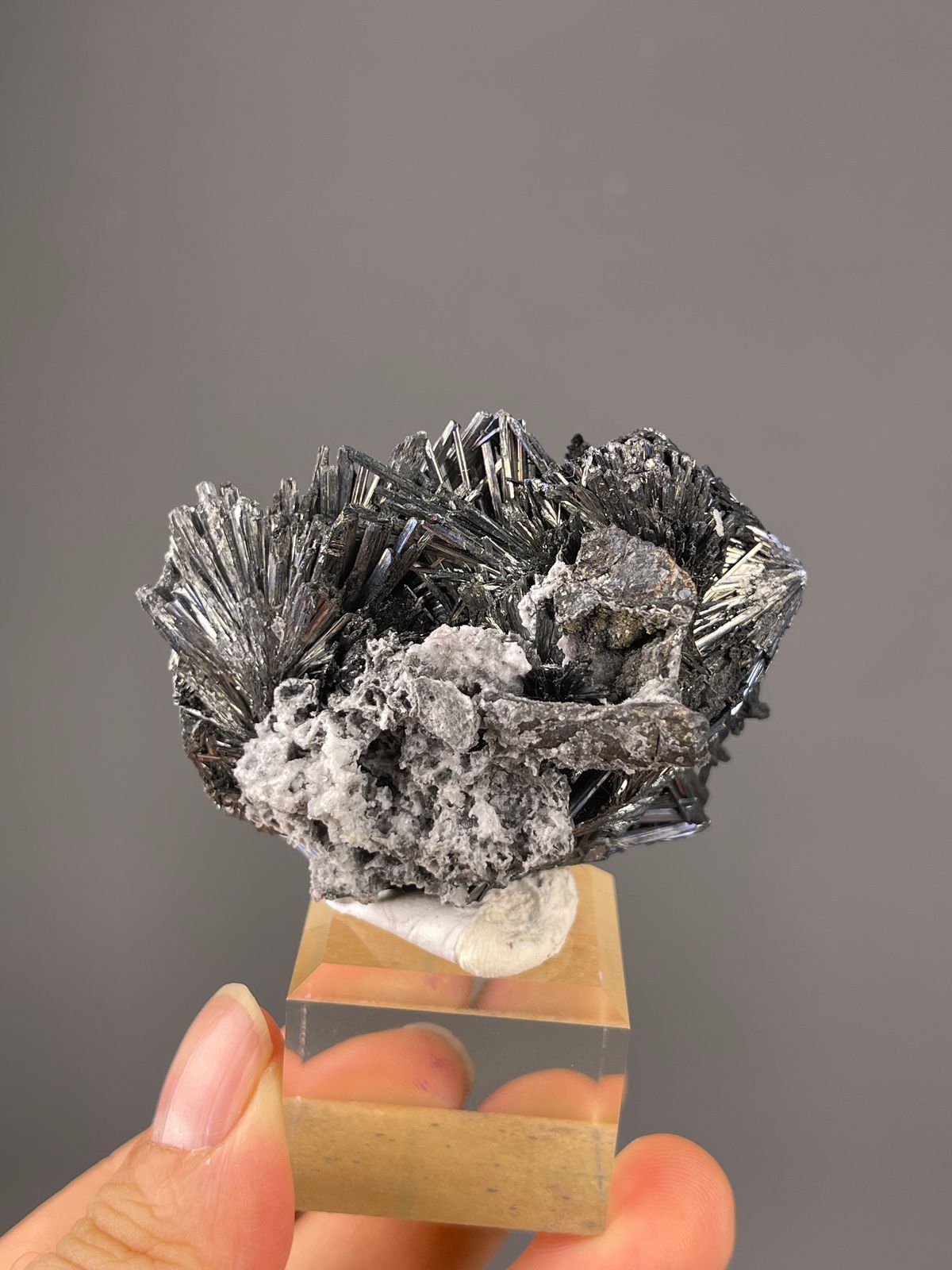
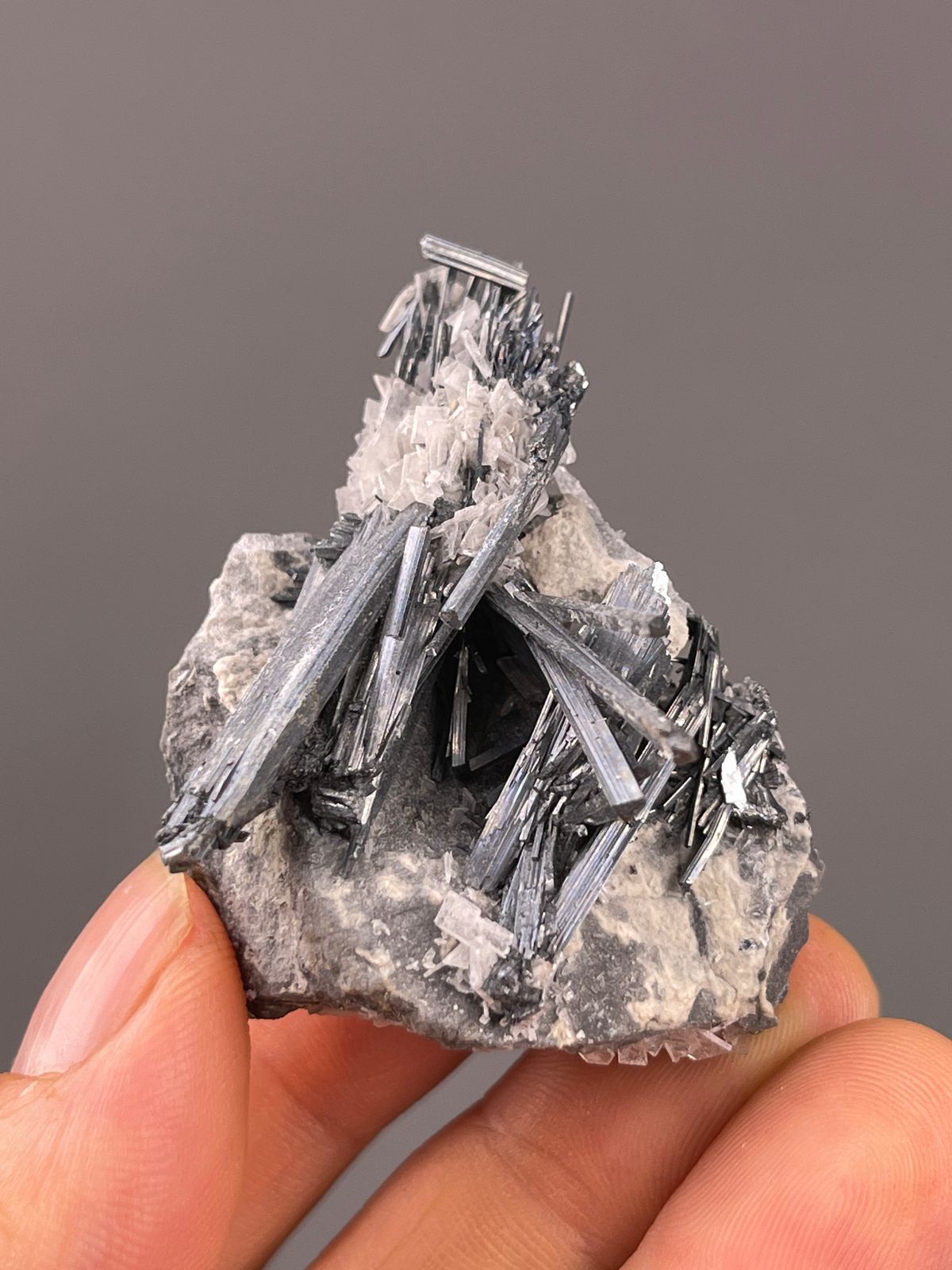
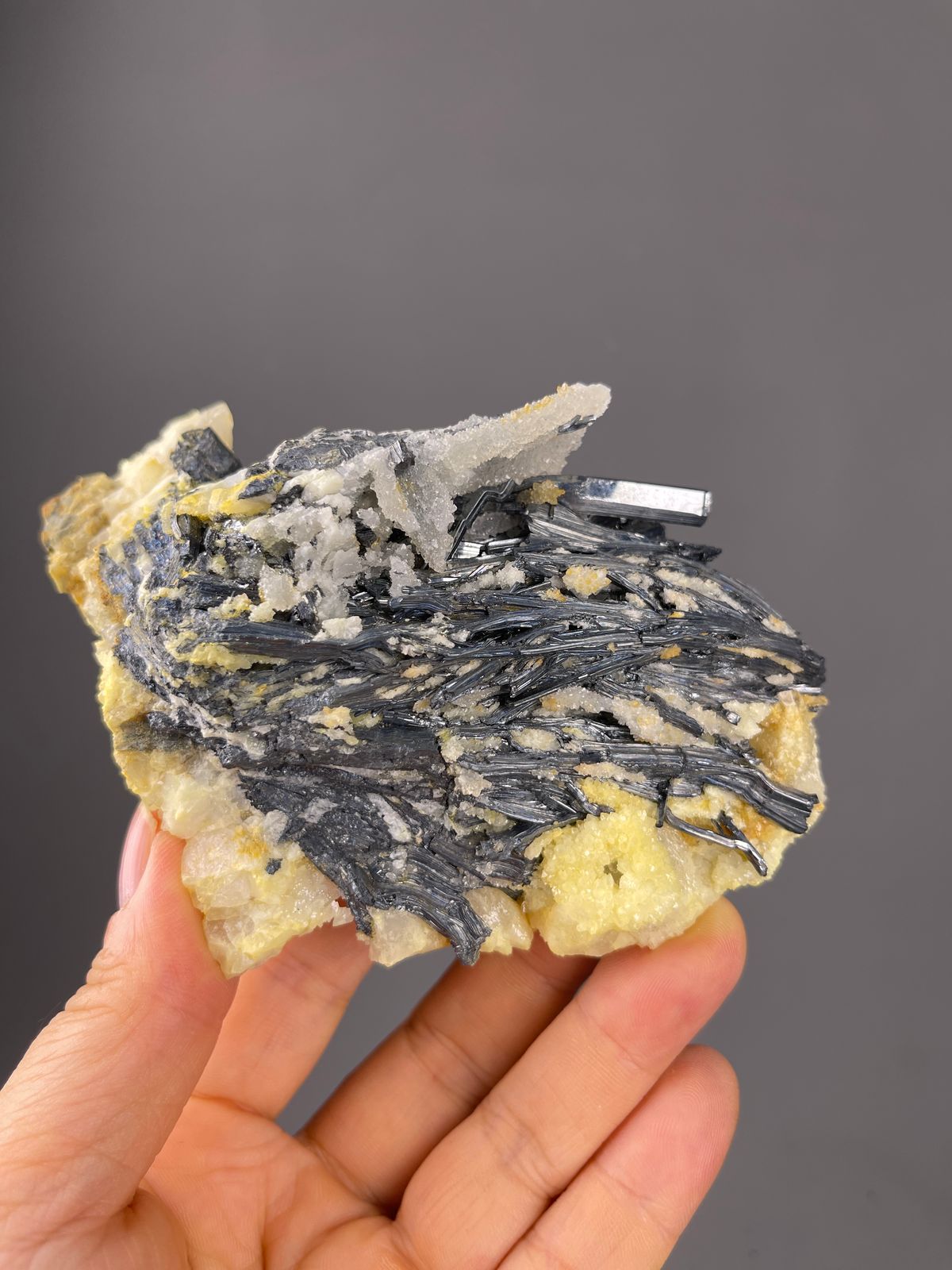
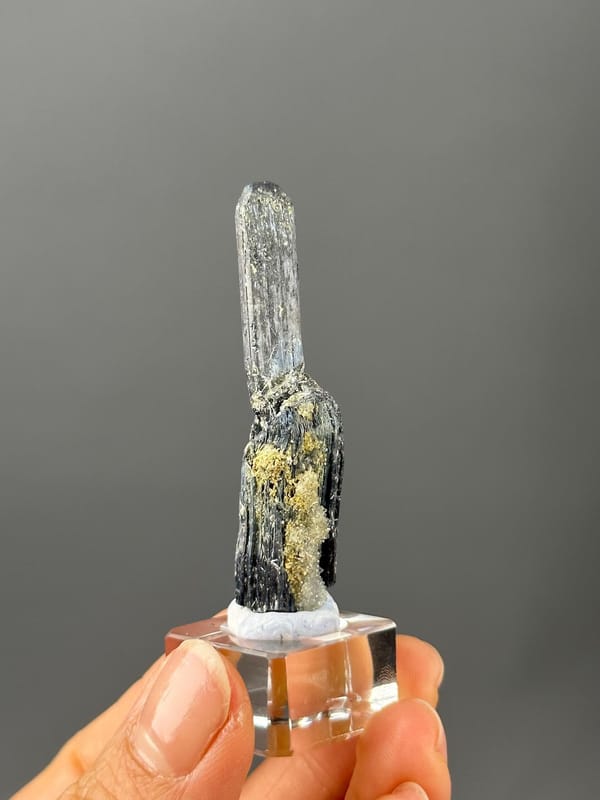
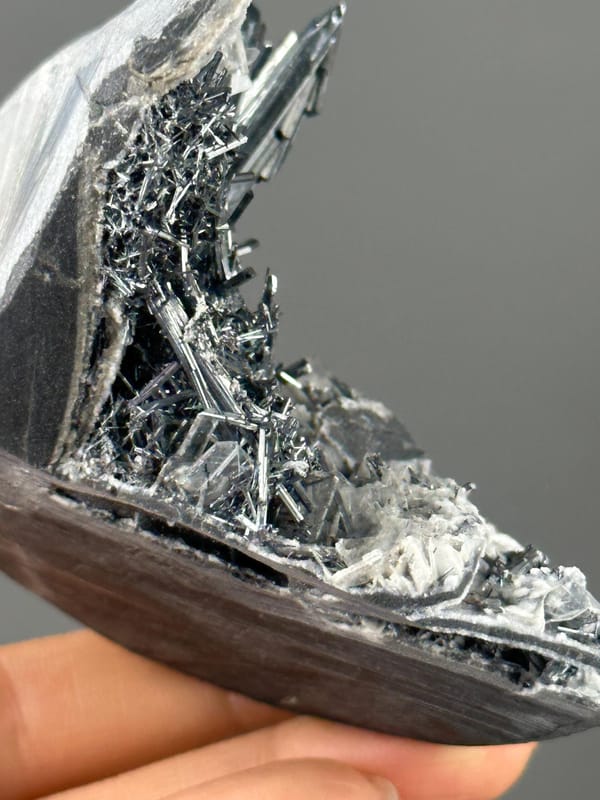
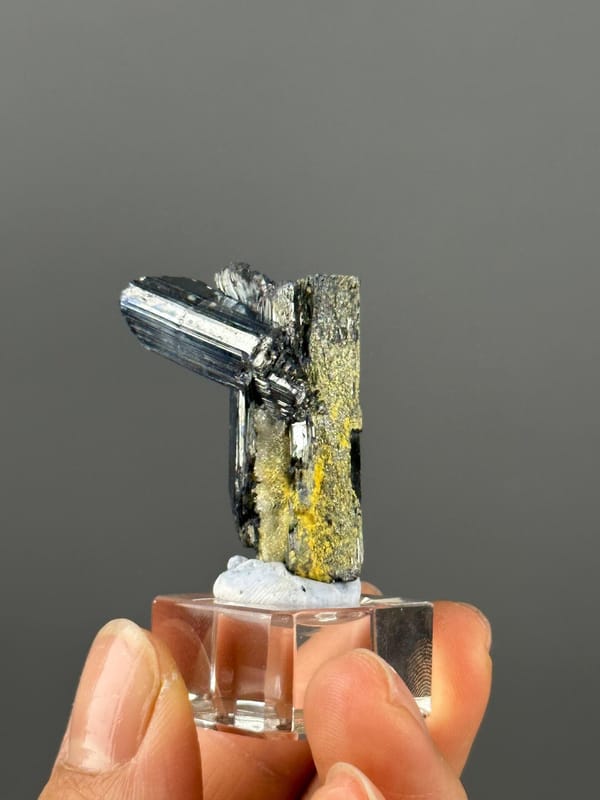
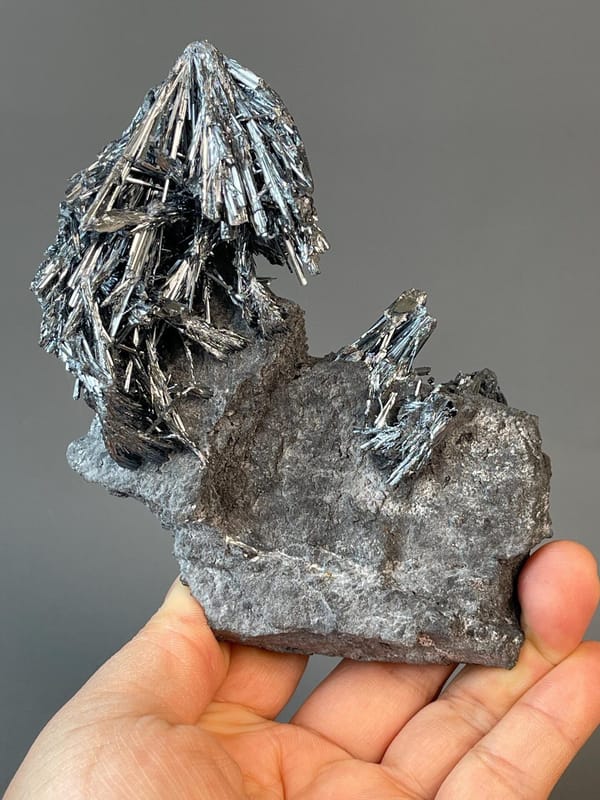
Stibnite is an antimony sulfide mineral prized by collectors for its distinctive metallic gray coloration, exceptional luster, and characteristically elongated blade-like or needle-like crystal forms. This orthorhombic mineral is often striated lengthwise and forms striking clusters of perfectly aligned parallel needles. Stibnite specimens showcase remarkable geometric alignment and are valued for their aesthetic impact, rarity in typical collections, and significance as the primary antimony ore mineral.Significant stibnite sources include China, Mexico, Peru, Japan, and Bolivia. This mineral forms in hydrothermal veins and epithermal environments. Chinese deposits, particularly in Hunan Province, have historically produced world-class specimens with exceptional needle development and dramatic crystal alignment. Mexican and Peruvian localities yield fine specimens, while Japanese occurrences contribute distinctive material. Each region produces characteristically different crystal sizes and clustering patterns.Discover our stibnite collection featuring exceptional needle crystals with striking alignment from named deposits. Our specimens showcase the distinctive metallic appearance and geometric beauty that make stibnite highly collectible. Browse stibnite selections and add these antimony sulfides to your collection.
Questions about Stibnite
Where can I buy Chinese stibnite specimens?
This category lists the Chinese stibnite specimens currently available from MyMineralBox, with the exact item photographed and described on its product page. Compare locality, blade form, luster, matrix, dimensions, condition, and shipping notes. Stibnite can be fragile, so inspect both the specimen details and the packing policy.
What is Xikuangshan stibnite?
Xikuangshan stibnite refers to collector specimens associated with the Xikuangshan mining district near Lengshuijiang in Hunan, China. The material is known for metallic stibnite blades and clusters, but the district name is still a locality claim. Verify it from the individual listing, label, and documented provenance rather than appearance alone.
Will I receive the exact stibnite specimen shown?
Yes. Each stibnite listing is for one individually photographed specimen, not a representative piece from a batch. Review the blade tips, edges, attachment points, and matrix in every image because small contacts matter on delicate material. The specimen number and locality details should remain with your collection record.
How is a stibnite specimen packed for shipping?
The specimen is immobilized and cushioned so its blades cannot move against the box during tracked, insured shipment. Fragile projections need clearance rather than pressure from packing material. Keep the packaging until inspection is complete, photograph any transit damage before handling further, and contact support promptly if there is a problem.