
Quartz Crystal Specimens
Matching specimens
Quartz Crystal Buying Guide
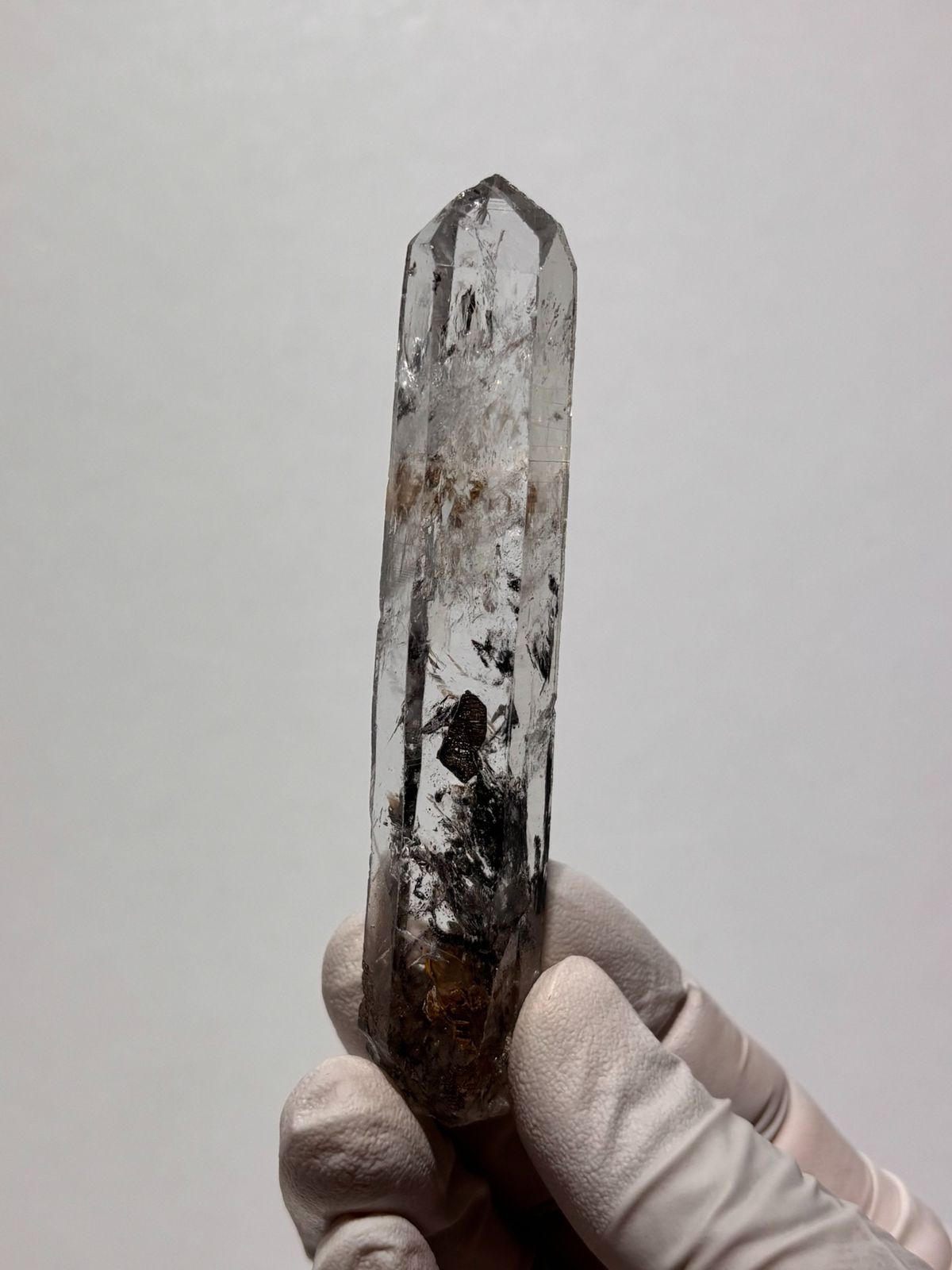
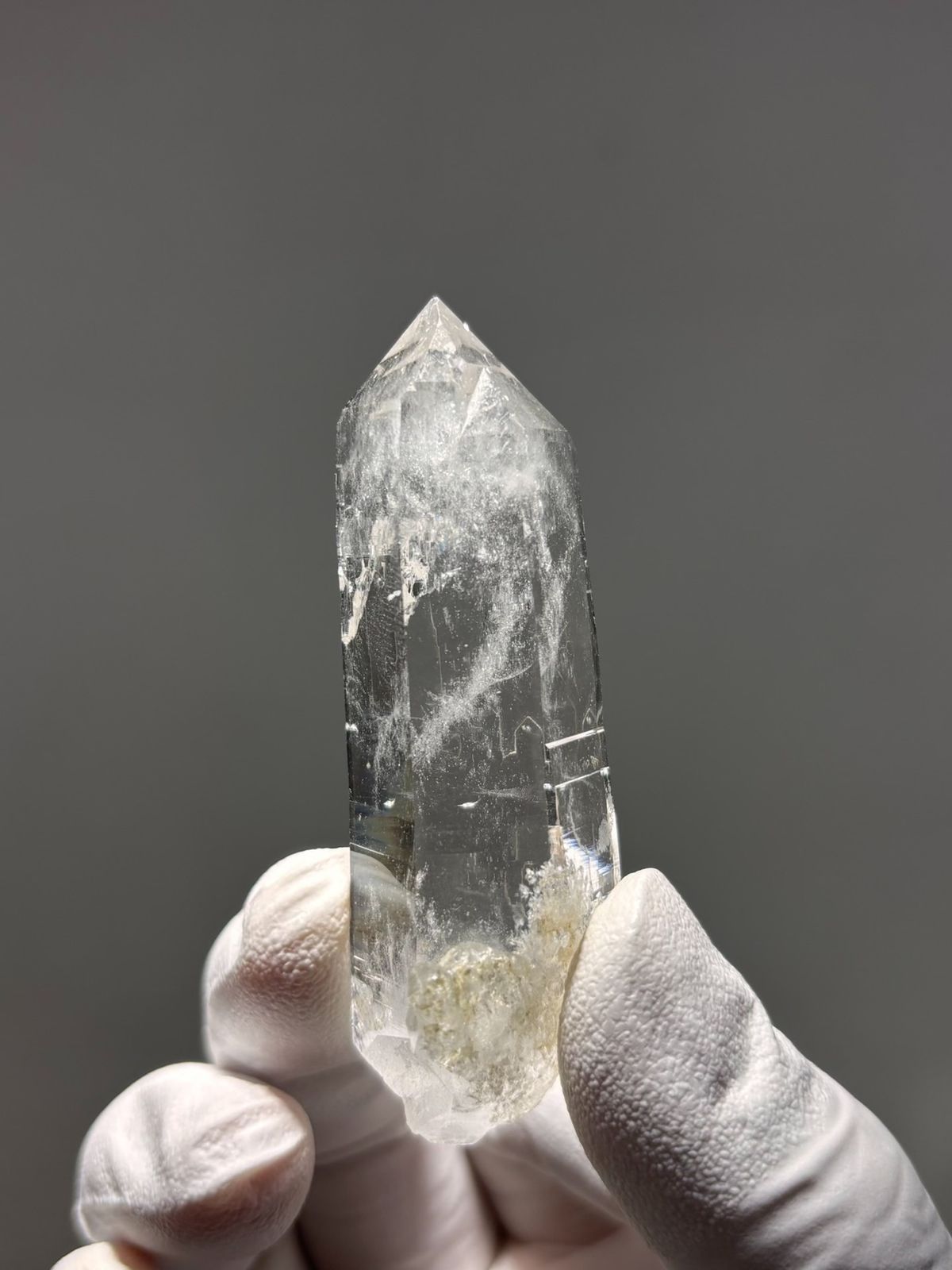
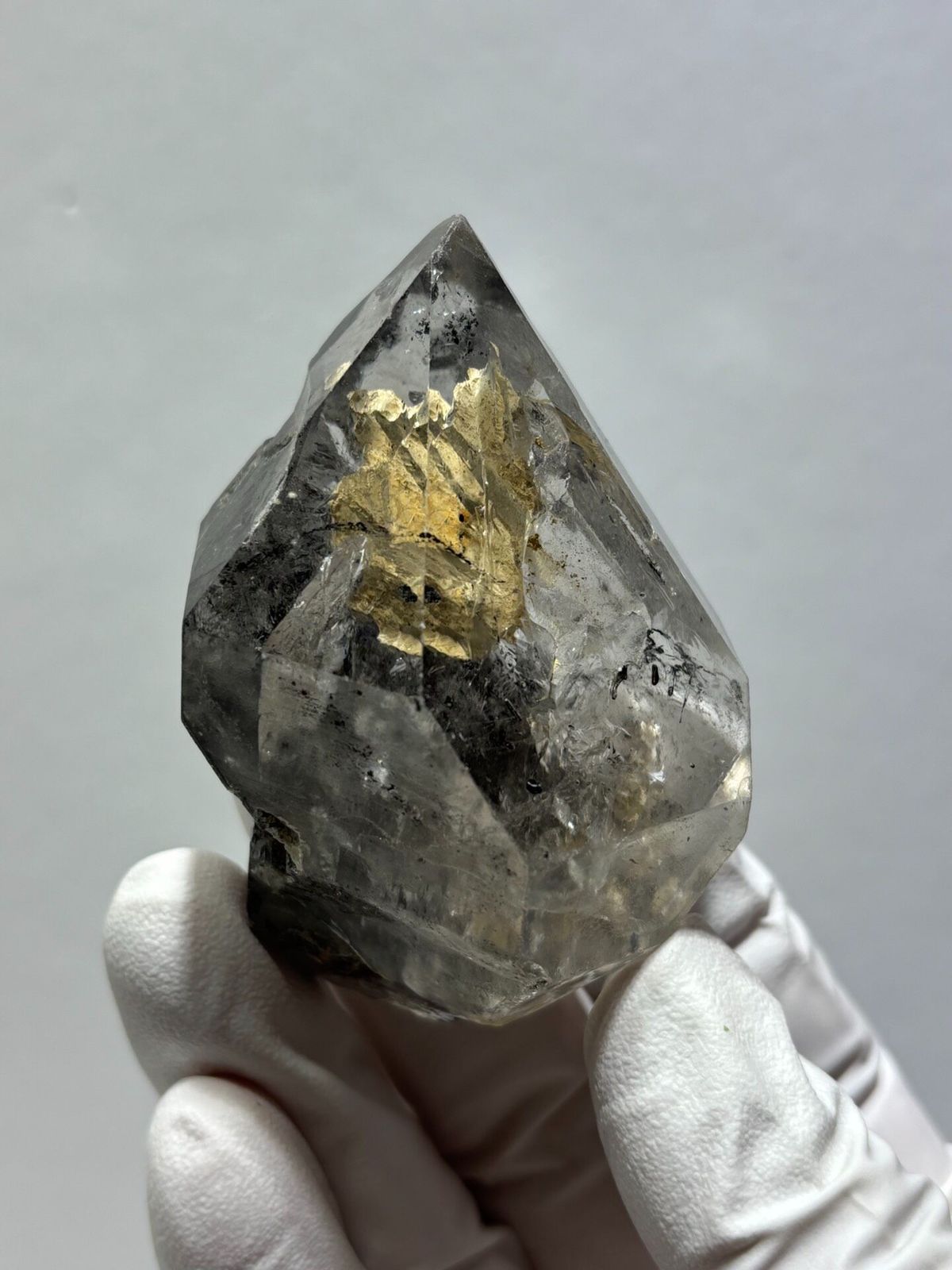
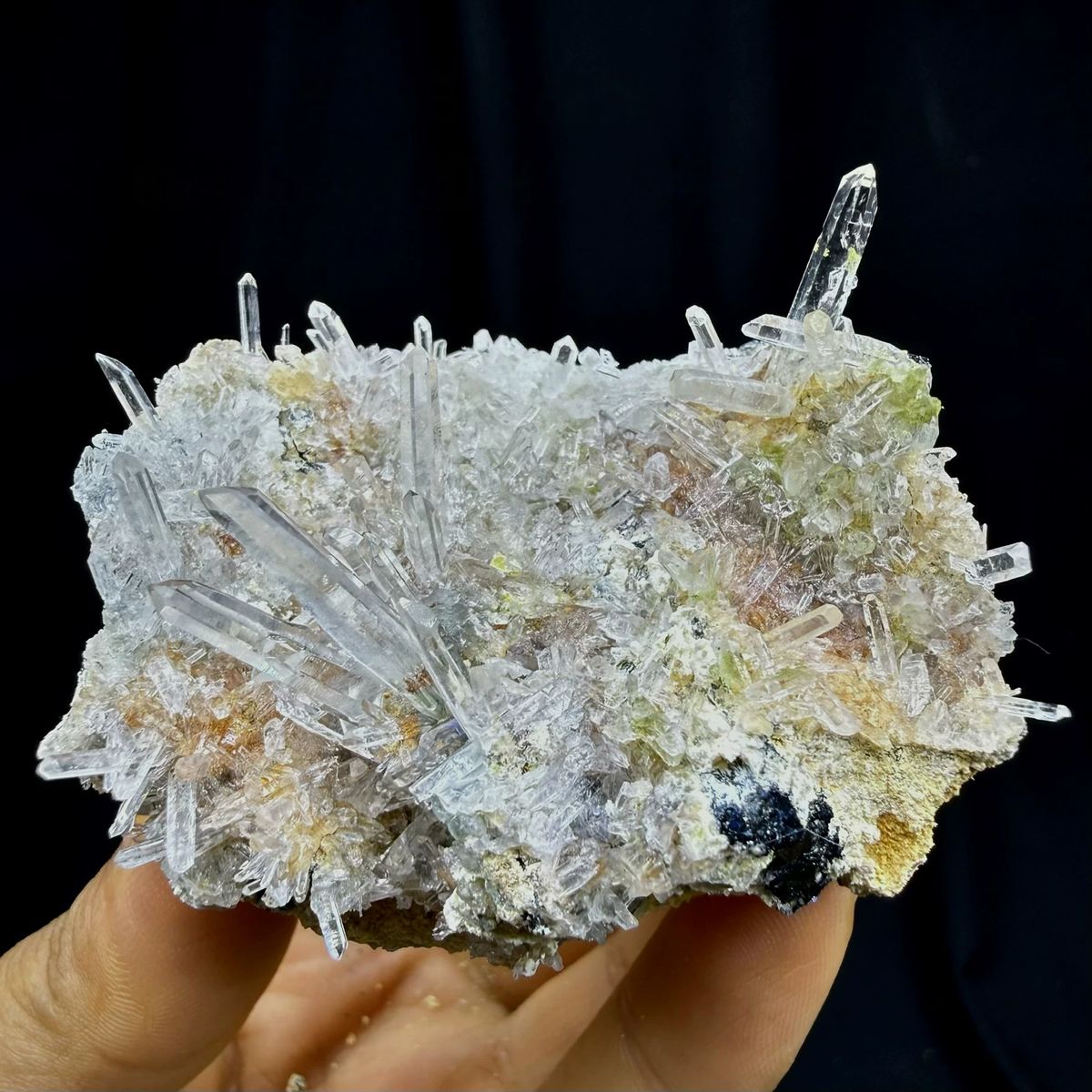
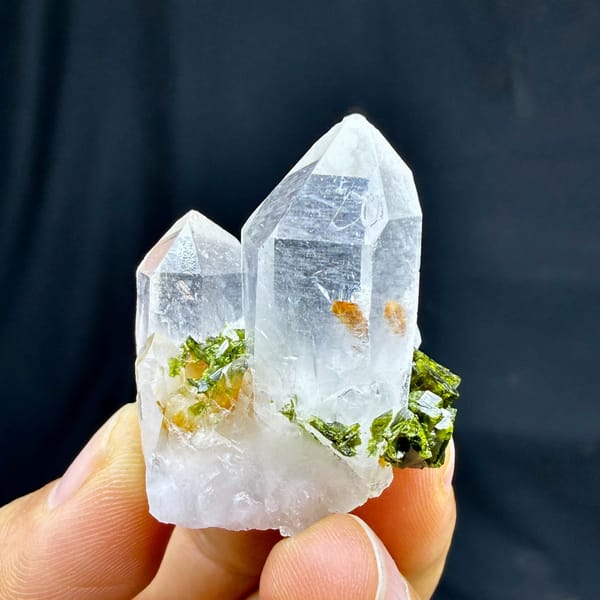
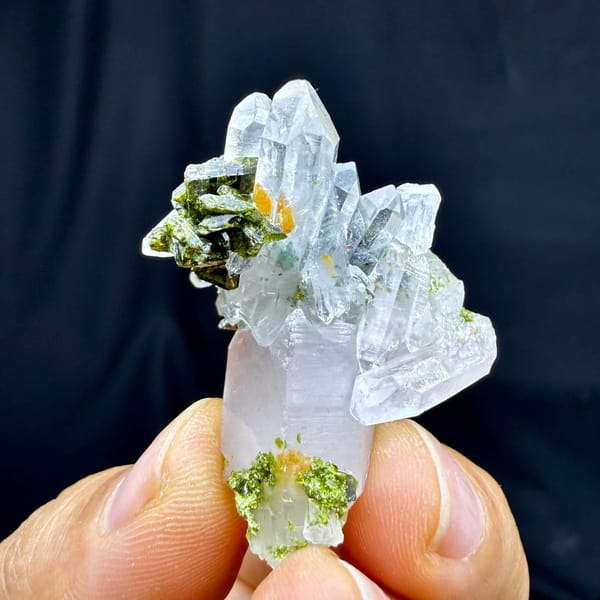
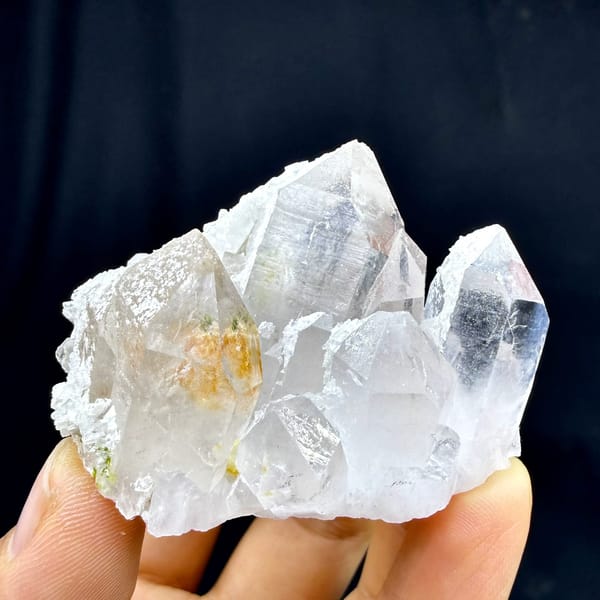
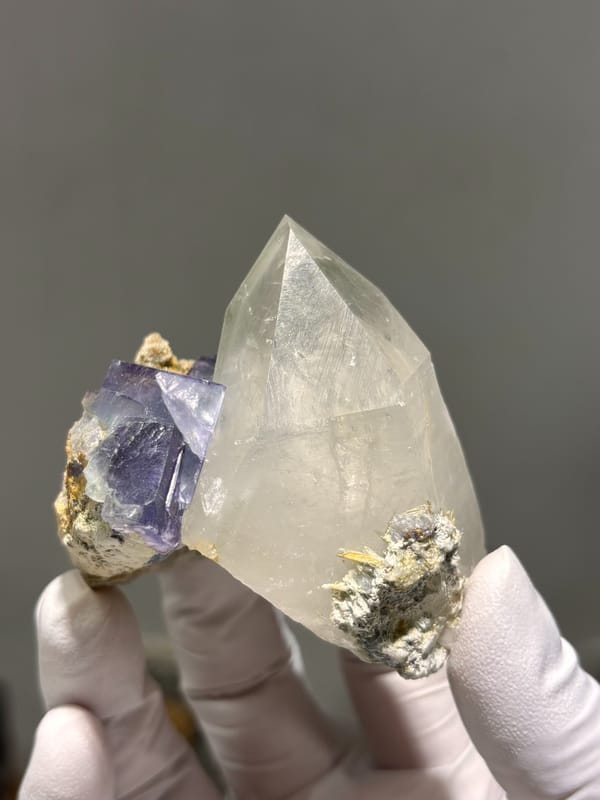
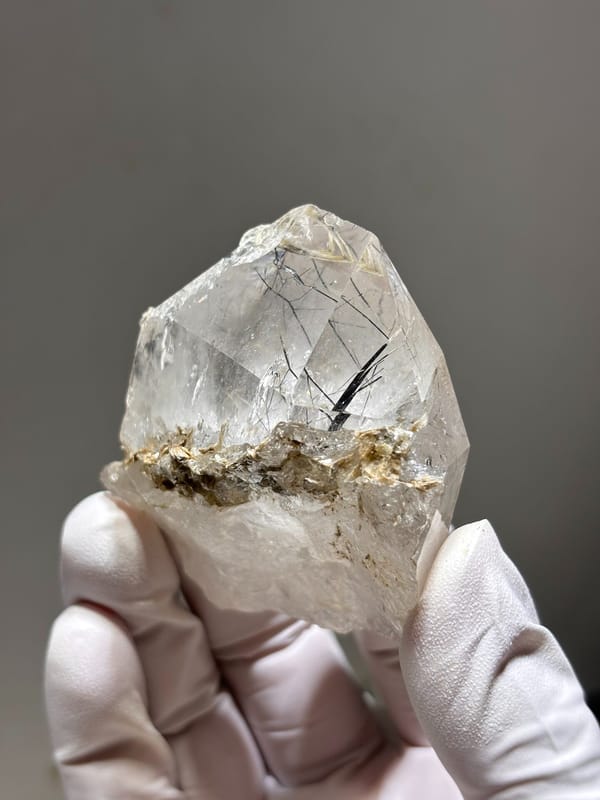
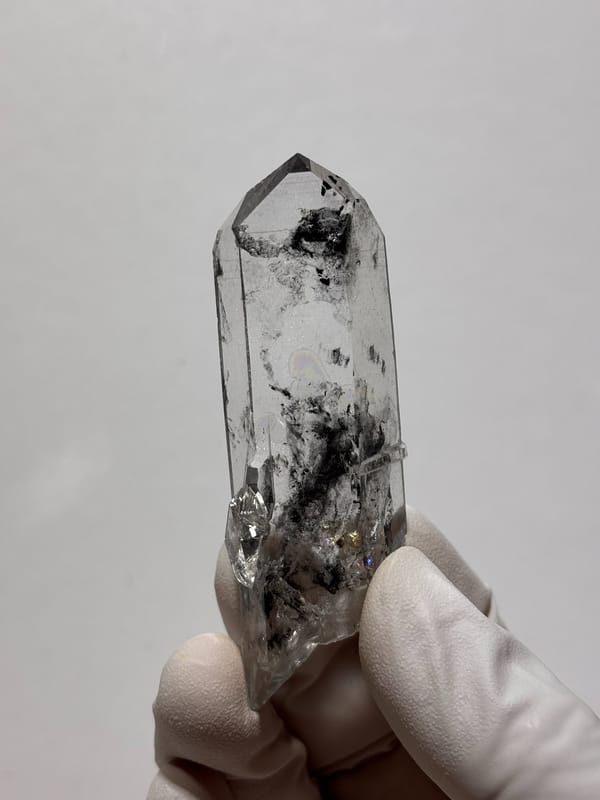
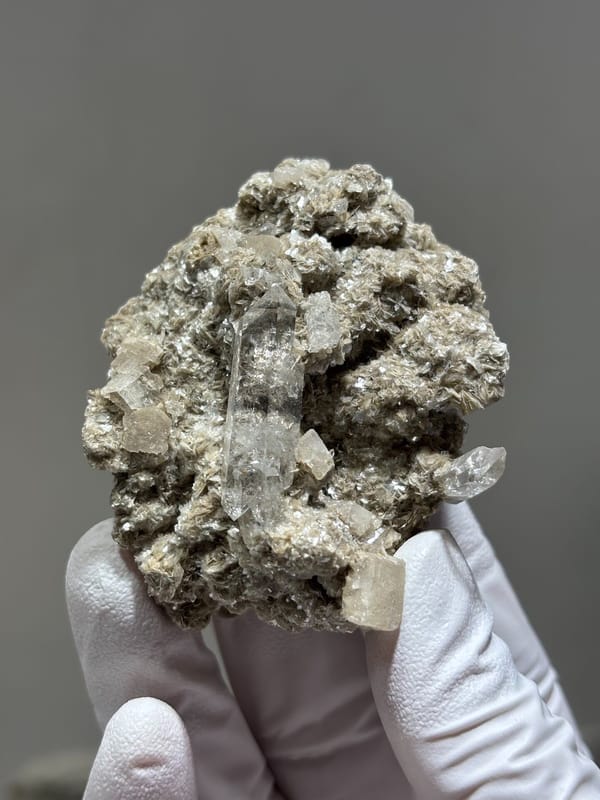
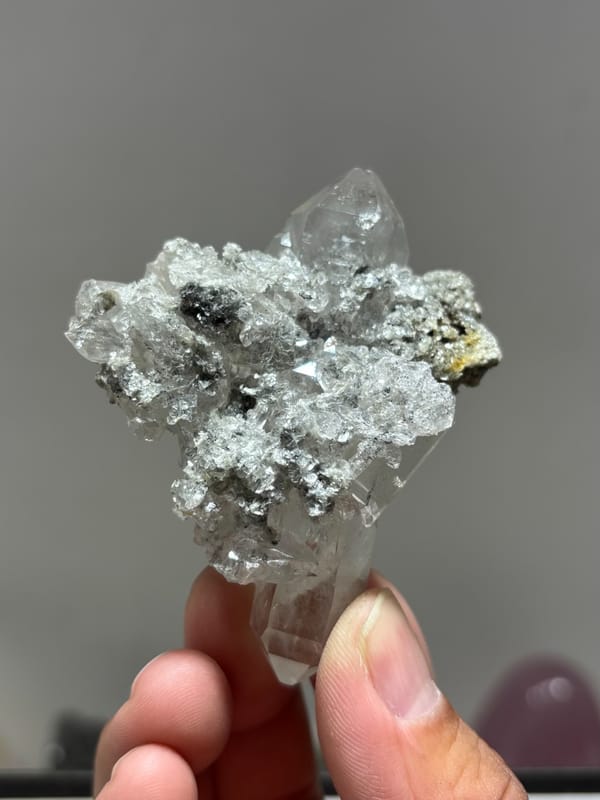
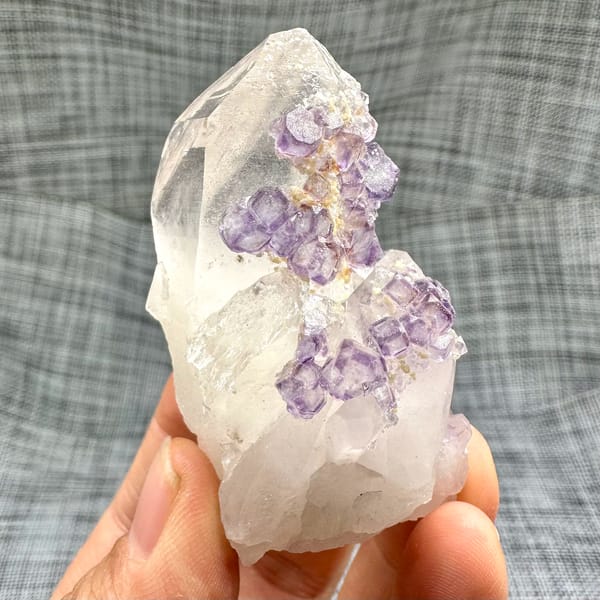
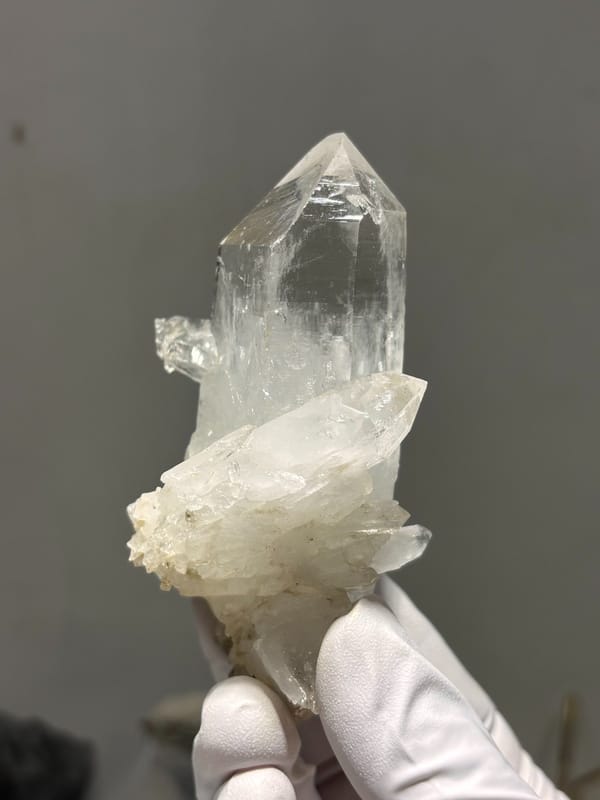
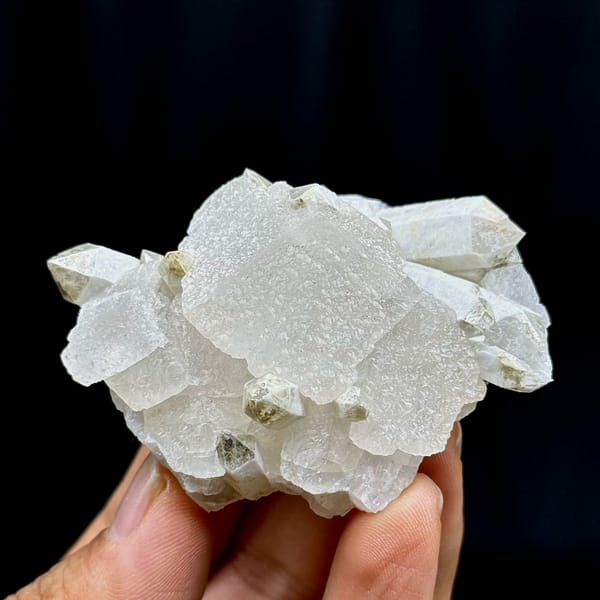
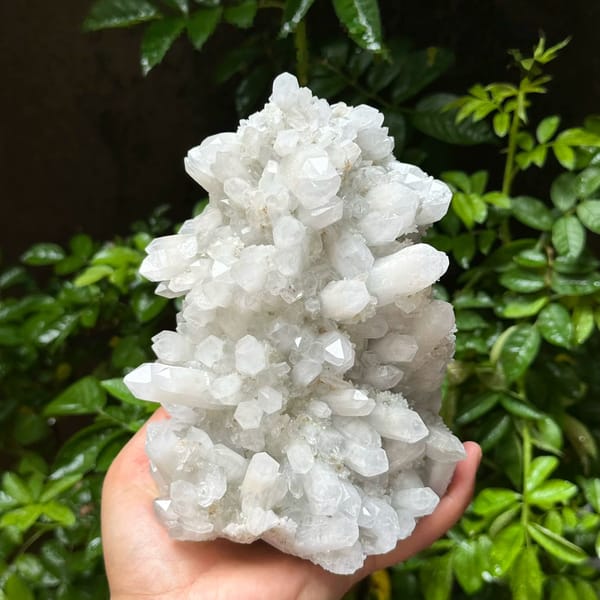
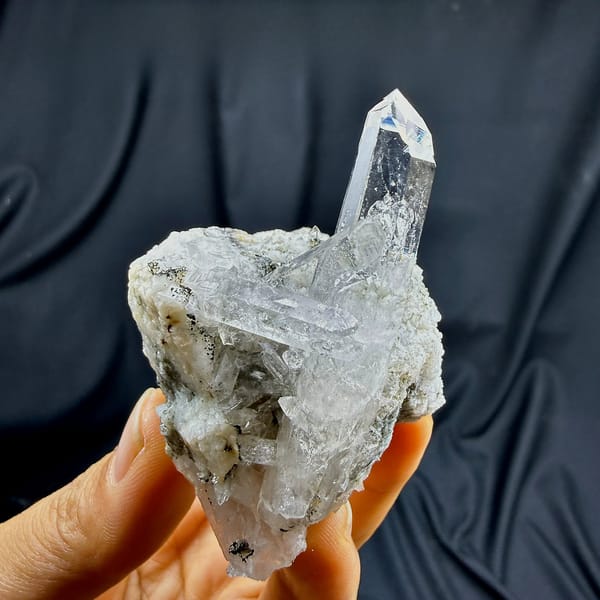
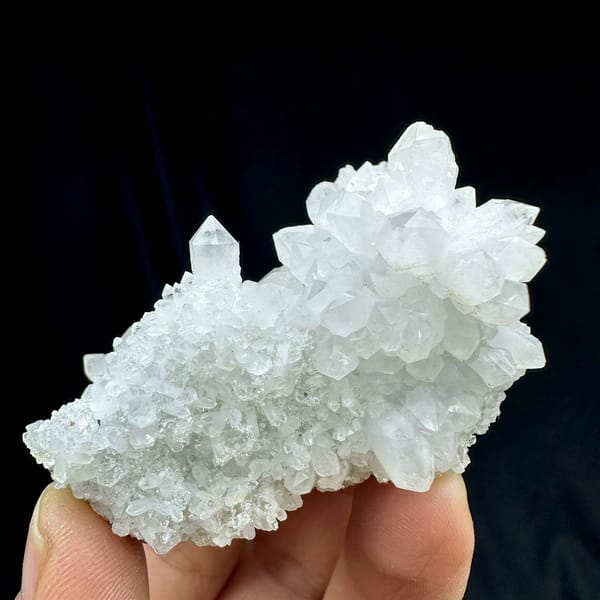
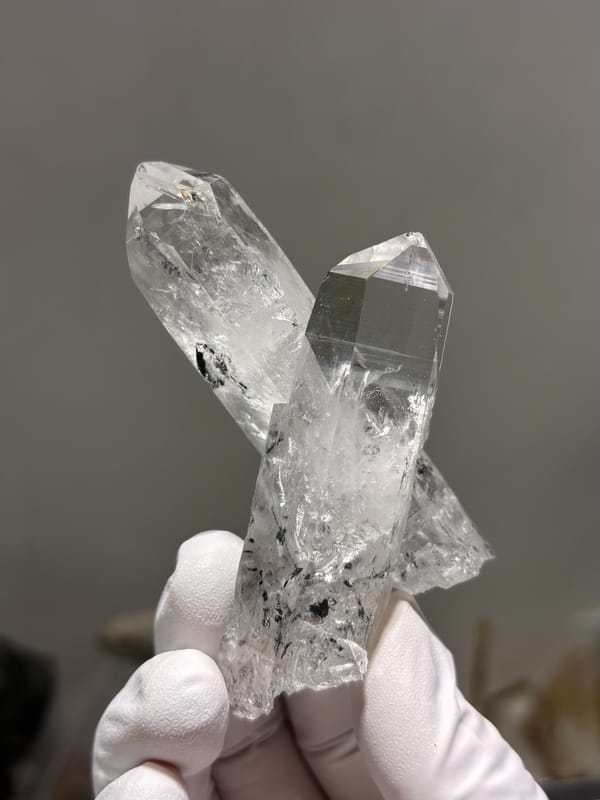
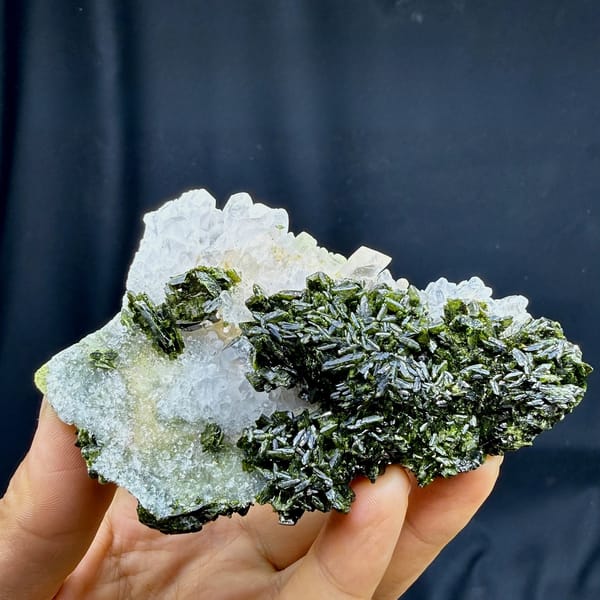
Quartz is the most collected mineral on earth, and the variety in this category shows why: water-clear rock crystal, smoky quartz, included and garden quartz (lodolite) with landscape-like mineral scenes locked inside, elestial and skeletal growth forms, scepters, and double-terminated Herkimer-style crystals. Our quartz comes mainly from Chinese pockets in Hunan, Sichuan, and Inner Mongolia, selected piece by piece for clarity and undamaged terminations.
What separates a fine quartz from an ordinary one
Terminations first: a crisp, undamaged point is the single biggest value factor, and complete, double-terminated crystals grade above broken-base points. Clarity second: glassy, water-clear crystal bodies rank above milky ones — except where inclusions are the feature, as in garden quartz, where a sharp interior "landscape" of chlorite or feldspar is exactly what you pay for. Then luster (bright, wet-looking faces), and finally character: phantoms, self-healed surfaces, scepter overgrowths, and unusual habits like screw or gwindel growth make a piece memorable.
Browse quartz specimens by crystal form, clarity, variety, matrix, and specimen size.
Typical price bands
Quartz is the most affordable entry into serious mineral collecting. Single points and small clusters start under $20, well-formed clusters and character pieces mostly sit in the $30–$150 range, and large undamaged plates or exceptional included pieces run into the hundreds.
Buying tips
Read our photos edge by edge — we shoot terminations up close precisely so you can judge condition yourself. Natural contact points (where the crystal grew against rock) are normal and noted; chips and bruises are damage and priced accordingly. Quartz is hard (Mohs 7) and stable in light, making it the easiest species to display and care for: dust with a soft brush and rinse in lukewarm water when needed.