
Calcite
Matching specimens
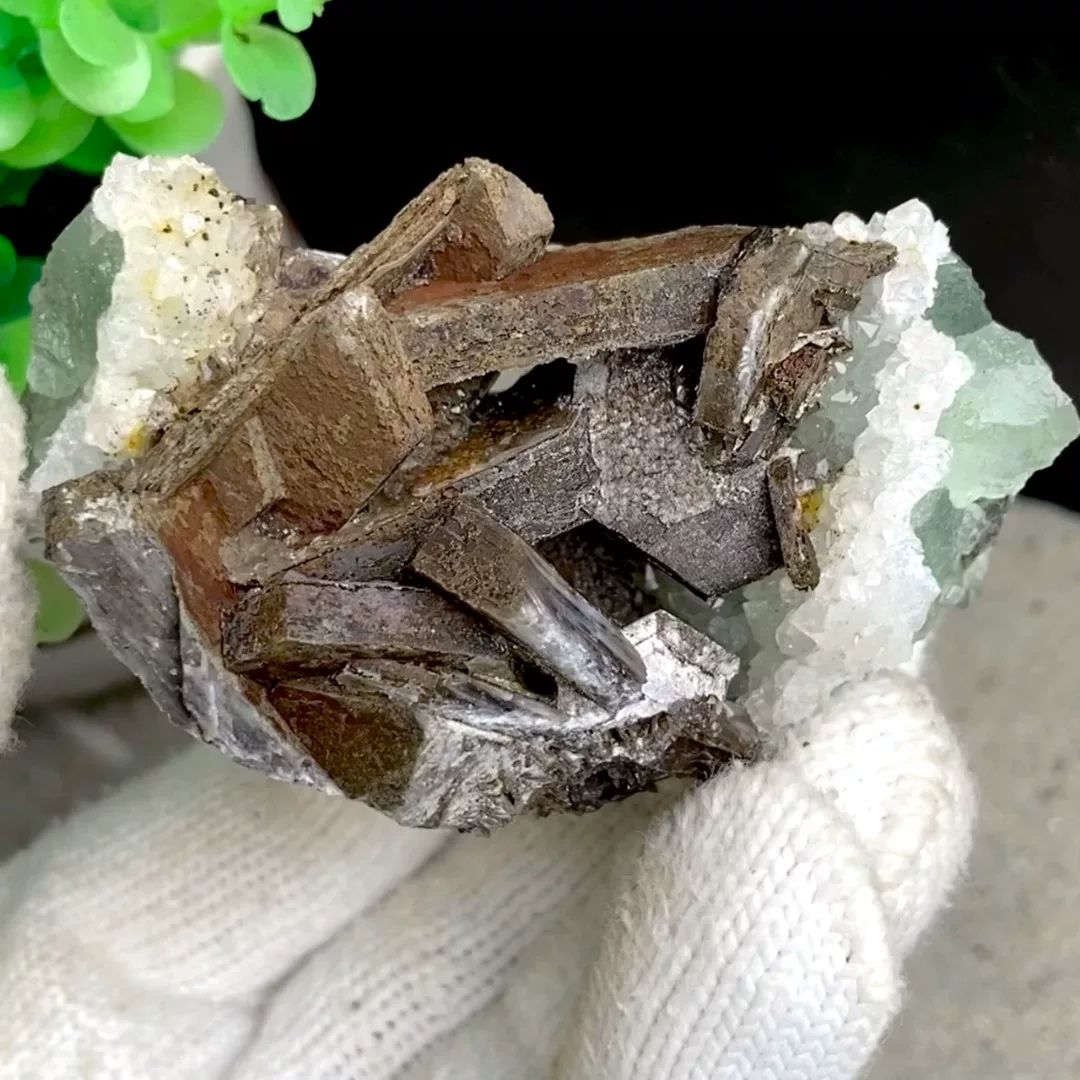
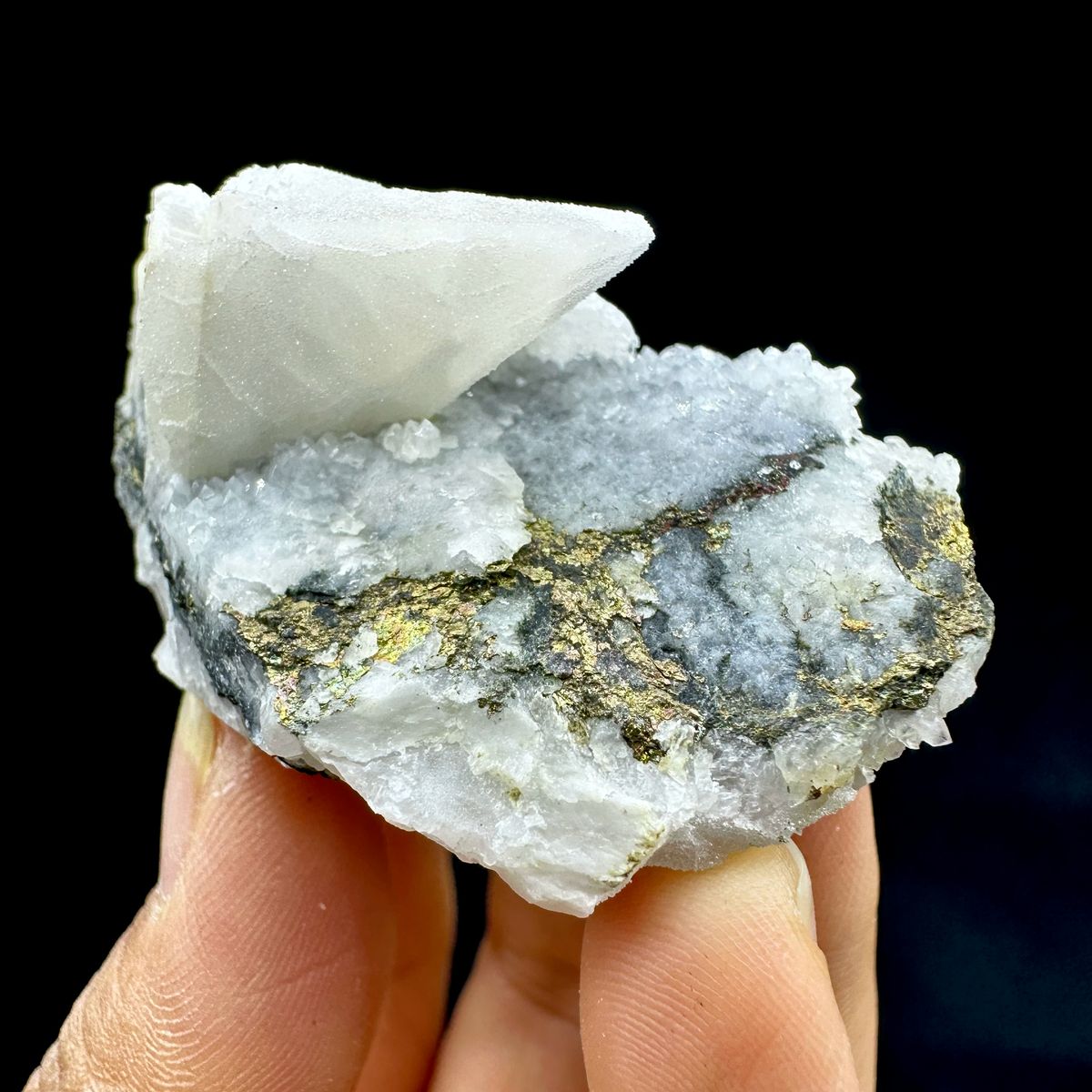
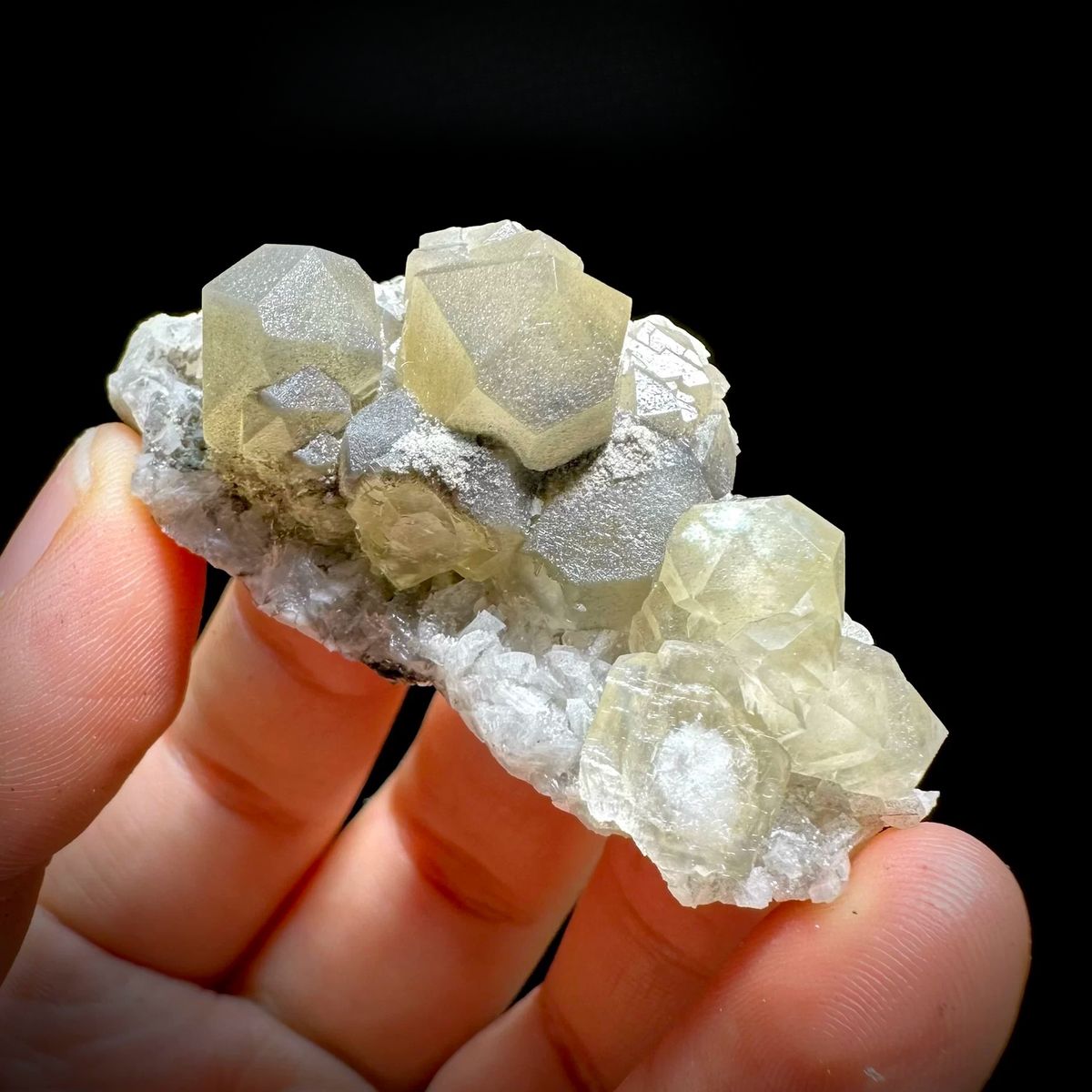
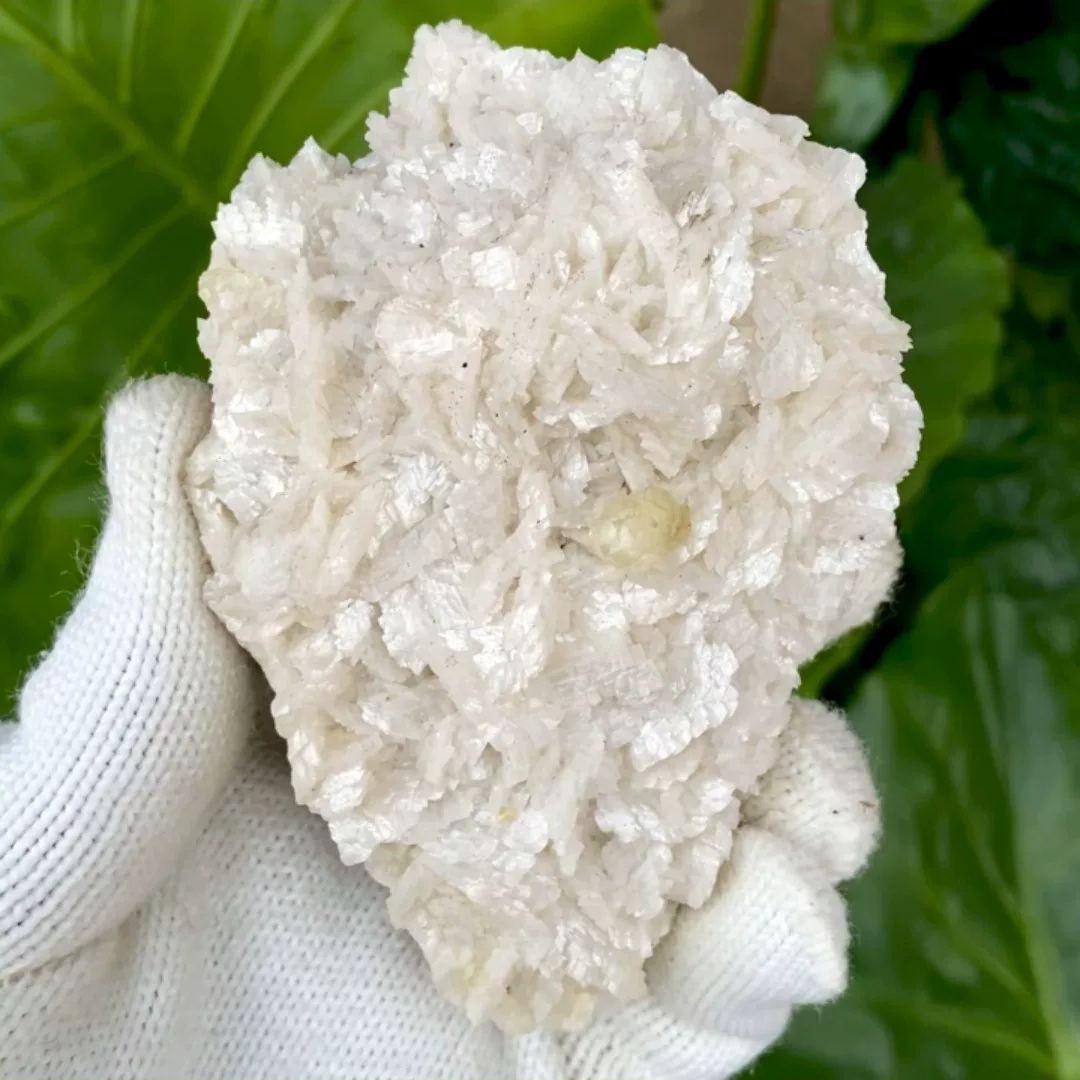
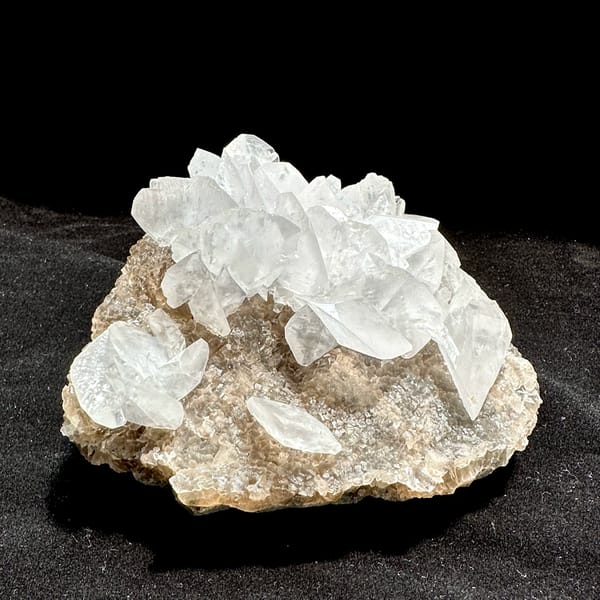
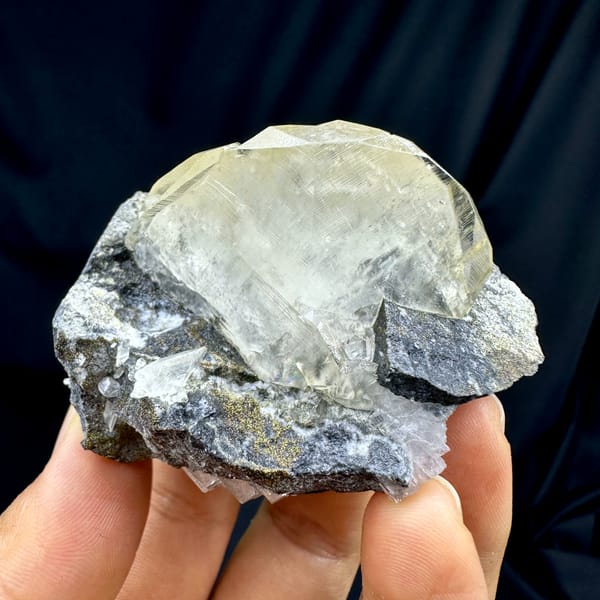
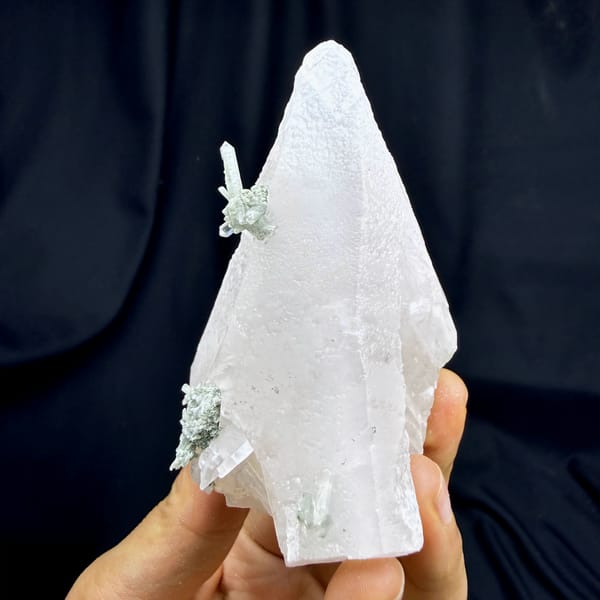
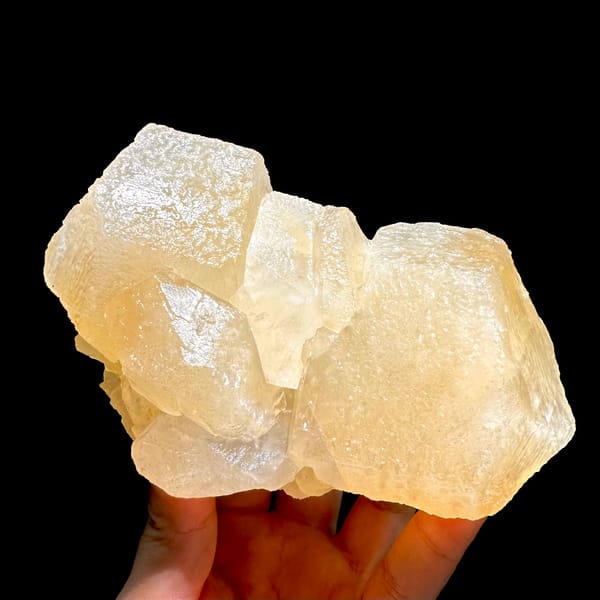
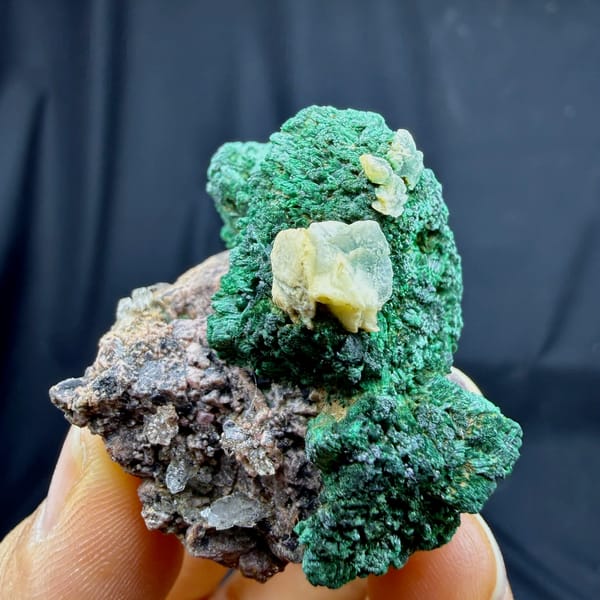
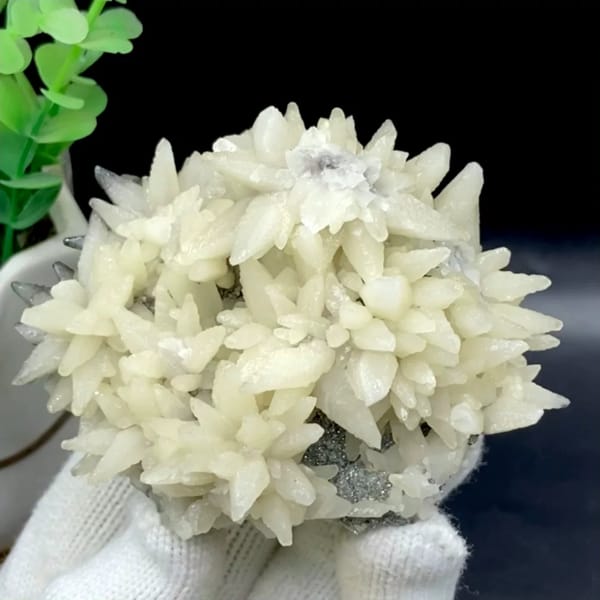
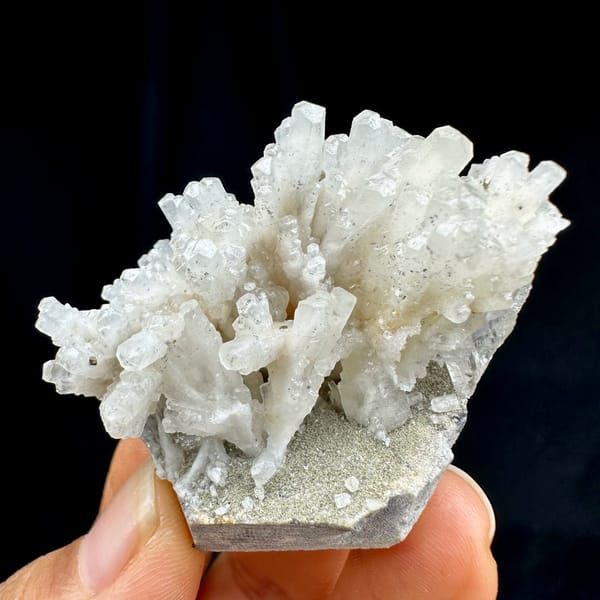
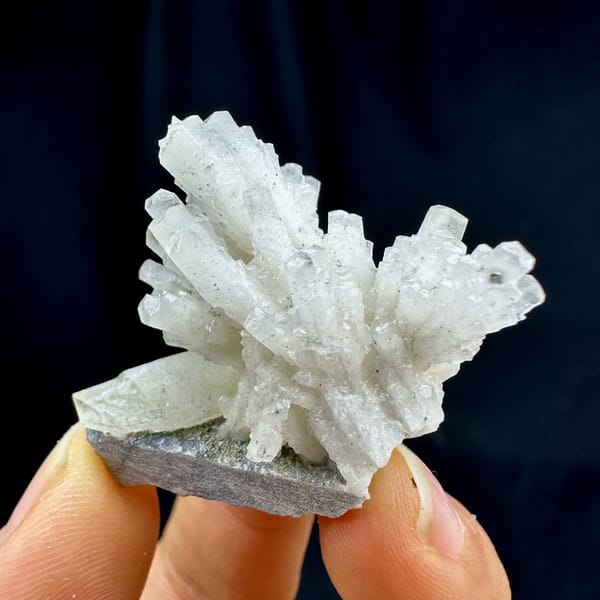
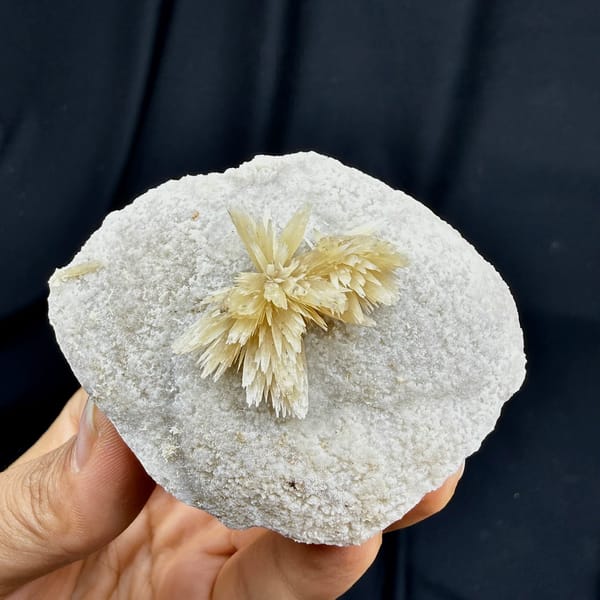
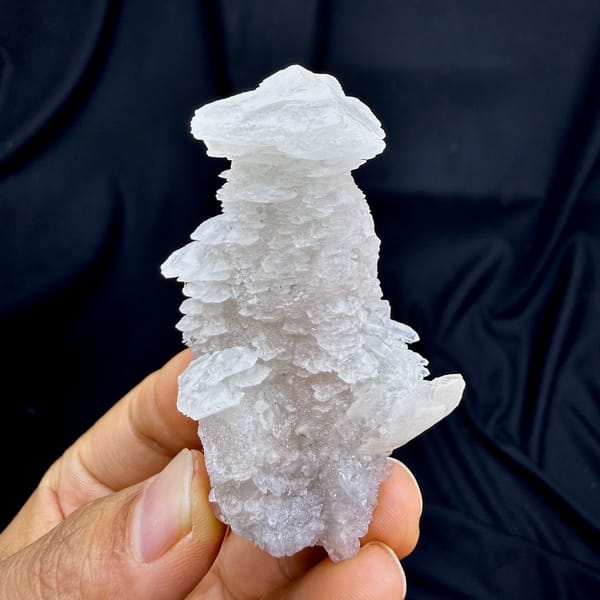
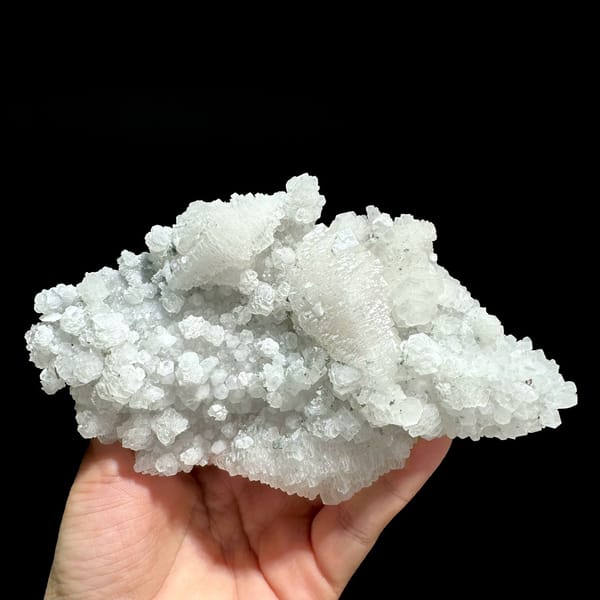
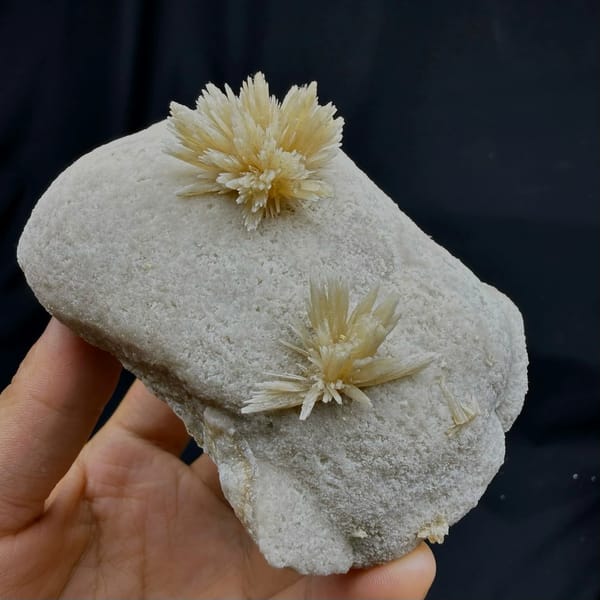
About Calcite
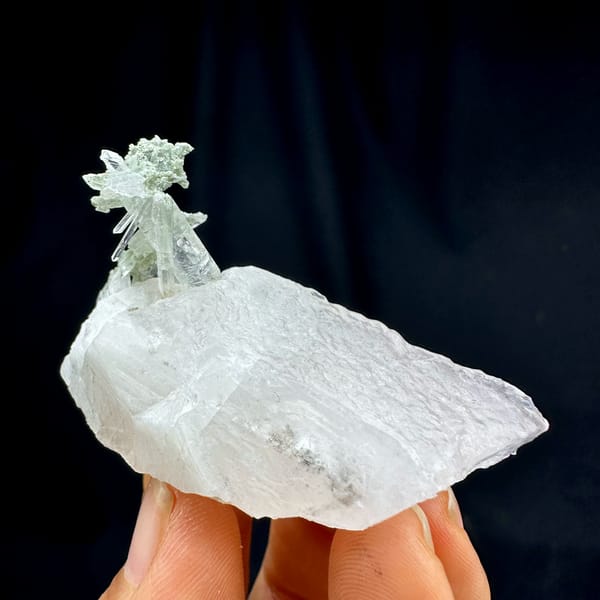
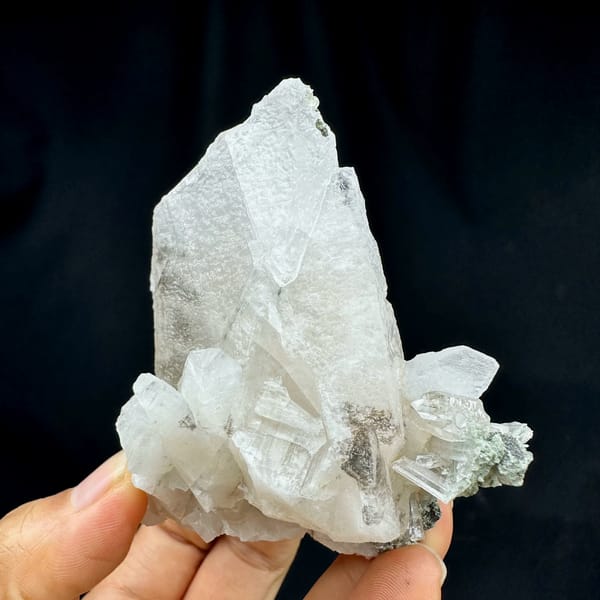
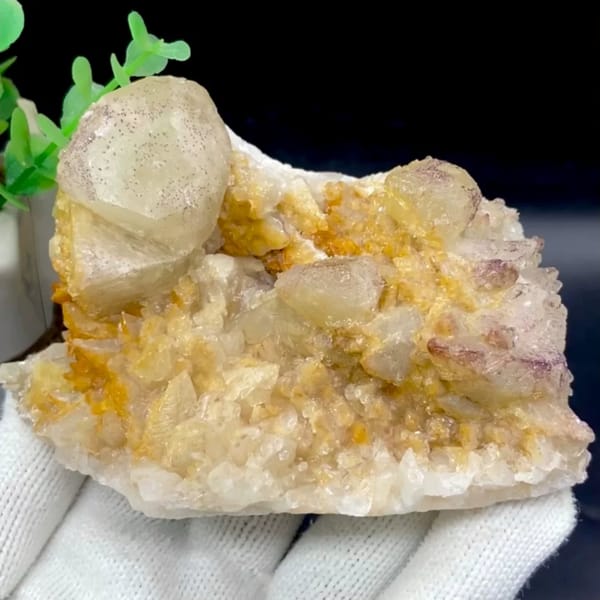
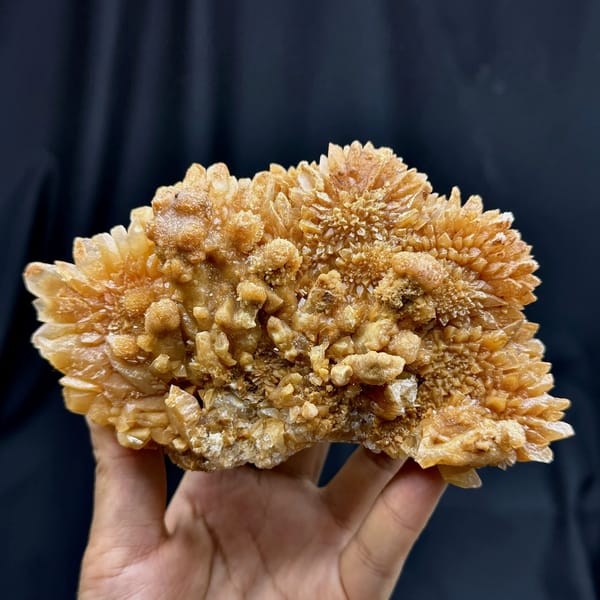
Calcite is one of the most abundant and collectible minerals, prized for its extraordinary variety of crystal forms, vibrant colors, and remarkable optical properties. This trigonal calcium carbonate mineral exhibits thousands of different crystal shapes, from simple scalenohedra to complex combinations. Calcite specimens showcase nearly every color imaginable—from colorless and white to blue, green, yellow, orange, pink, and black—making it essential for any diverse mineral collection.Calcite deposits occur worldwide in sedimentary rocks, marble, caves, ore deposits, and hydrothermal veins. Notable collecting localities include Mexico’s Colossal Cave region, Iceland, Brazil, Romania, and the United States. Distinct color varieties derive from trace elements: manganese produces pink rhodochrosite-like tones, iron creates yellow and orange hues, and cobalt produces blue specimens. Each locality produces characteristically different crystal habits and color combinations.Browse our extensive calcite collection featuring specimens from renowned worldwide deposits. From simple clear crystals to complex color varieties and unusual formations, we offer exceptional calcite specimens for every collector. Discover calcite samples showcasing this mineral’s incredible diversity and add distinctive pieces to your collection today.
Questions about Calcite
Where can I buy Chinese calcite specimens?
This category shows the Chinese calcite specimens currently available from MyMineralBox, with the exact item photographed for each listing. Compare locality, crystal habit, associated minerals, dimensions, condition, and price before choosing. A product page should support its locality claim rather than relying on a generic category name.
Which Chinese calcite localities are collectible?
Chinese calcite reaches collectors from several mining districts, and Daye in Hubei is one source represented in the current catalog. Collectibility depends on the individual crystal form, luster, associations, condition, and supporting locality detail. Use the product label and locality page together; do not infer a mine from appearance alone.
How should I clean a Chinese calcite specimen?
Use a soft dry brush first and avoid vinegar, acids, ultrasonic cleaners, and hard scrubbing, because calcite can be etched or scratched. If dust remains, seek advice based on the specimen’s matrix and associated minerals before using water. Never assume one cleaning method is safe for every calcite combination.
What minerals occur with calcite from the Daye area?
Current Daye-area listings show calcite in combinations that may include pyrite, barite, quartz, or copper minerals, but an association must be confirmed on the individual specimen. The district name does not prove every listed mineral is present. Read the exact product description and retain its label for the supported combination.
Will I receive the exact calcite specimen shown?
Yes. Each calcite listing represents one individually numbered specimen, and the listing photographs show the piece supplied for that order rather than a stock example. Review every angle for crystal edges, contacts, matrix, and condition. Save the listing and label details with your collection record after the specimen arrives.