
Calcite
Curated by Maggie Liu · Updated:
Calcite is a carbonate mineral prized by collectors for its exceptional color range, with several world-class Chinese localities.
About Calciteextended article
Calcite is the workhorse of the carbonate world — common, but capable of producing some of the most spectacular crystal habits in mineralogy. Chinese calcites from Hunan and Hubei rank among the largest and most aesthetic ever recovered.
Notable varieties
- Iceland Spar (clear, double-refracting)
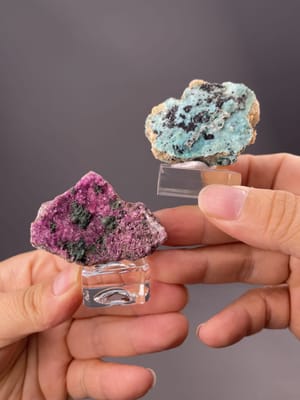
- Manganocalcite (Mn-bearing pink)
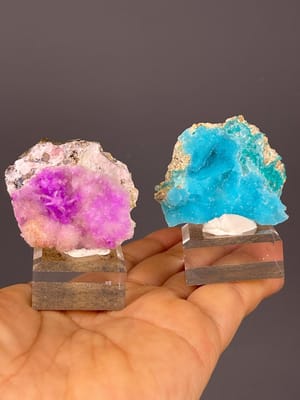
- Cobaltocalcite (deep magenta, Co-bearing)
- Stalactitic / banded onyx-marble
The Chinese angle
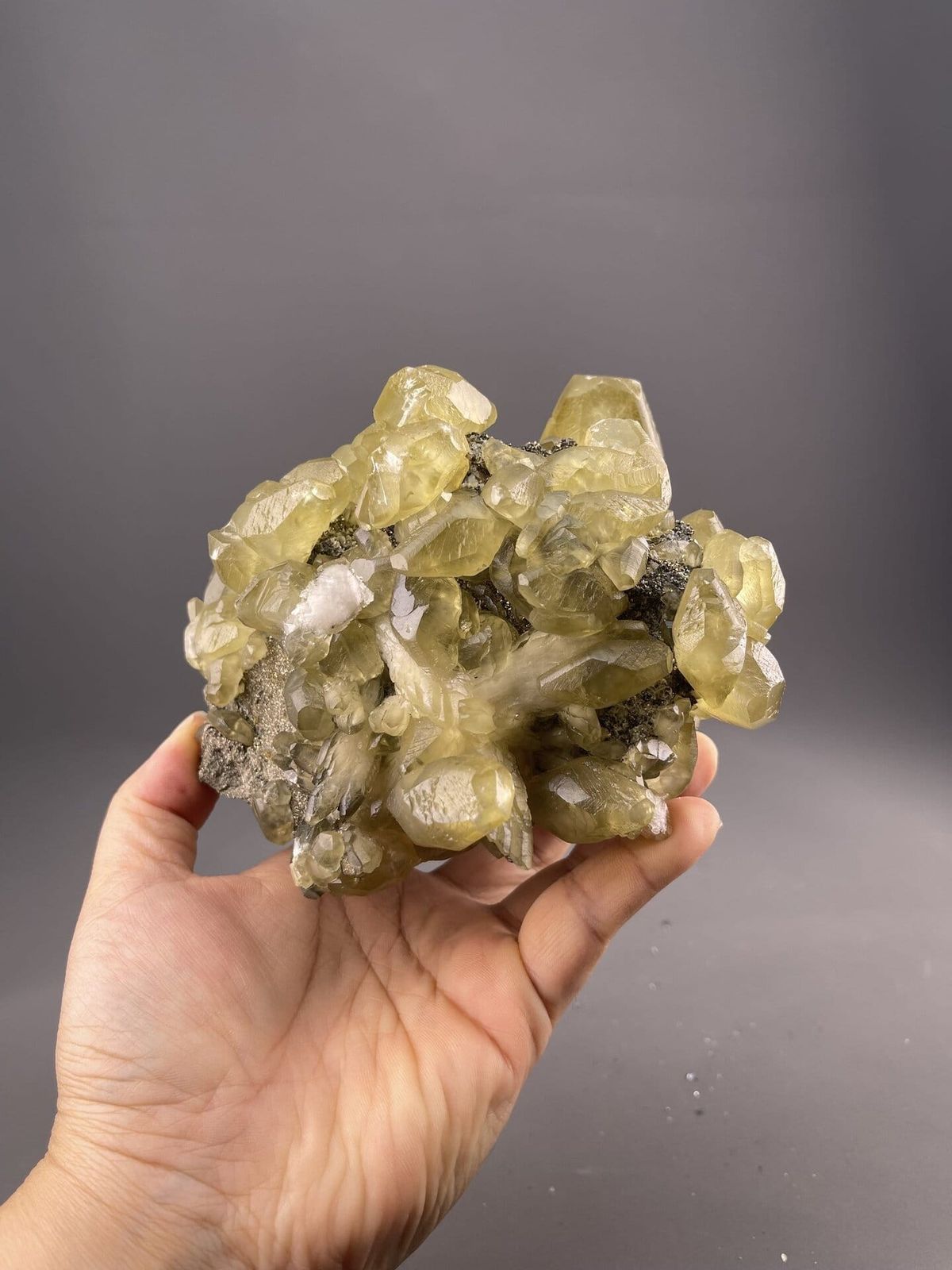
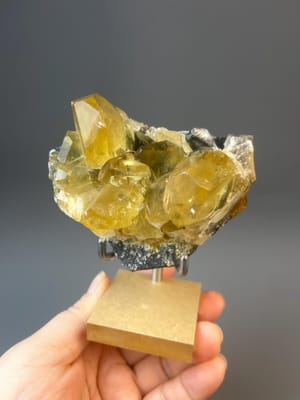
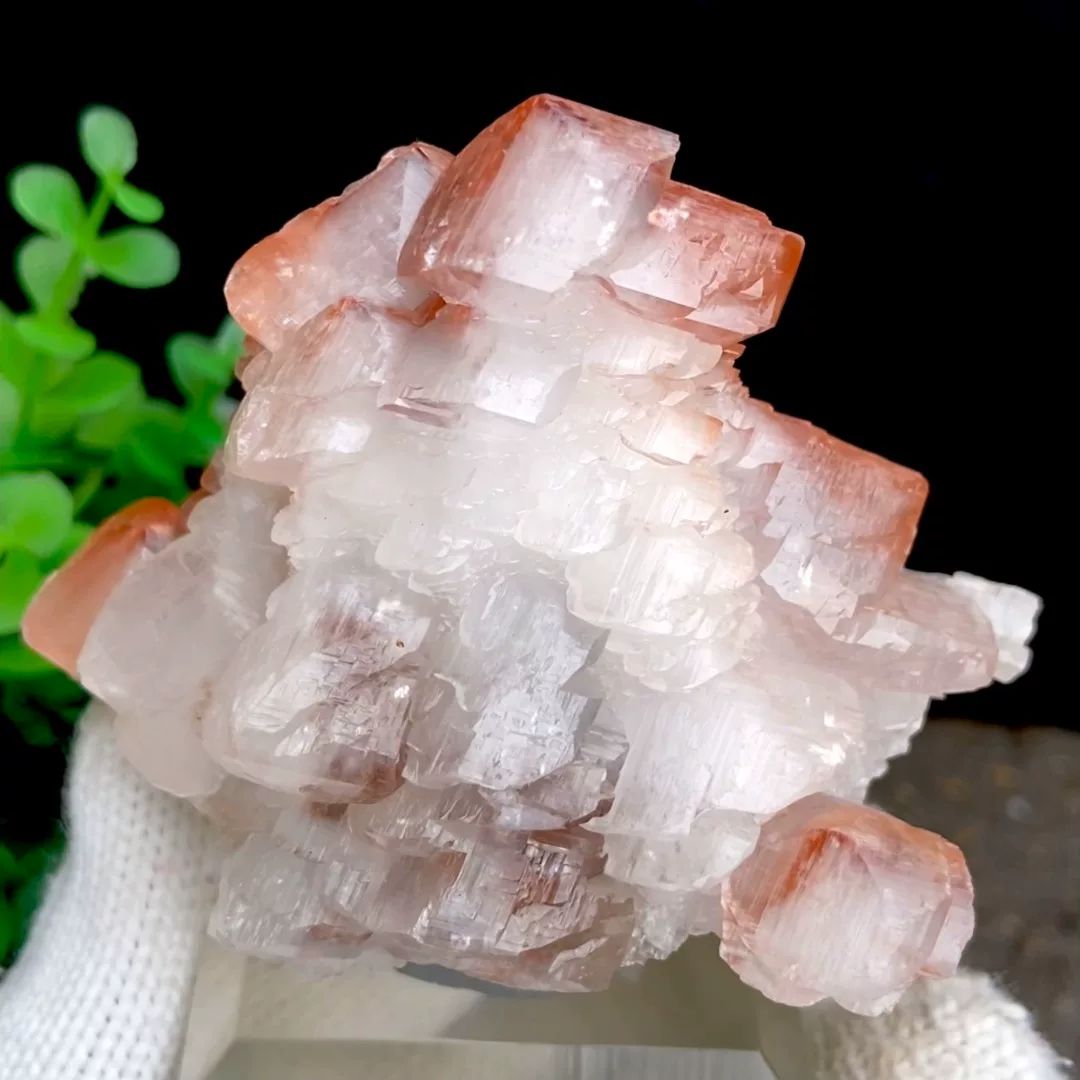
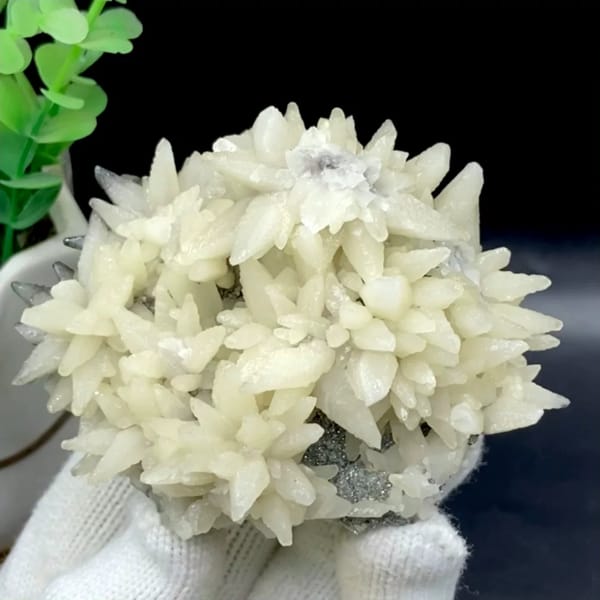
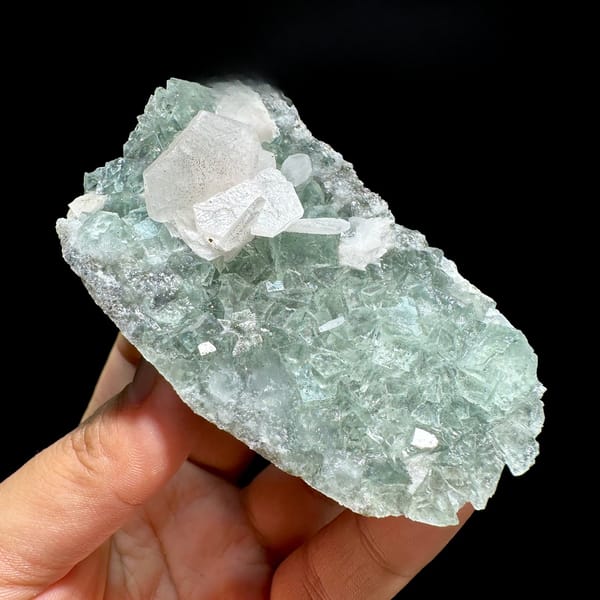
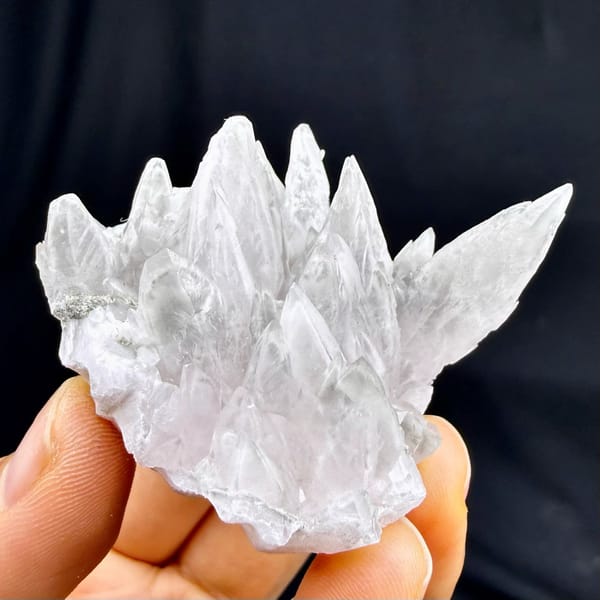
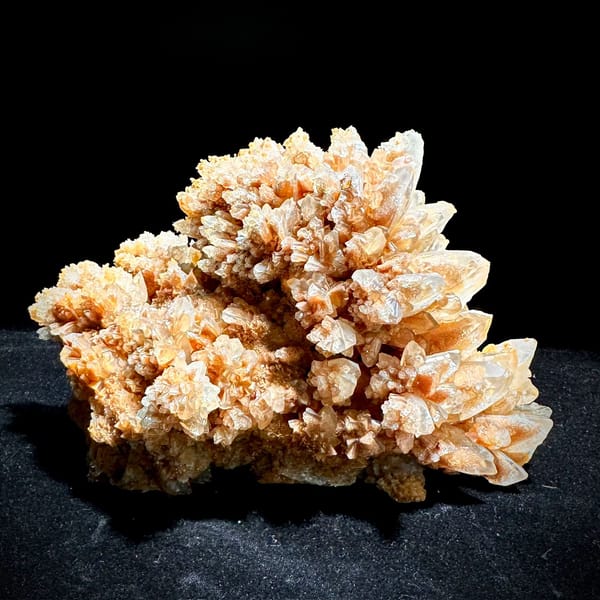
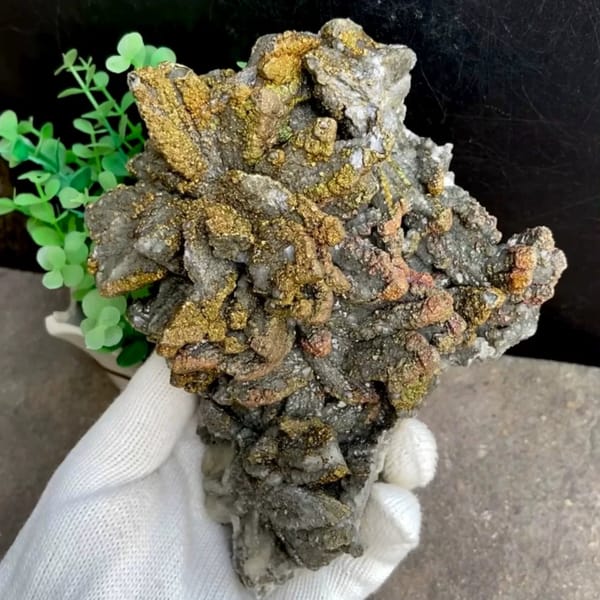
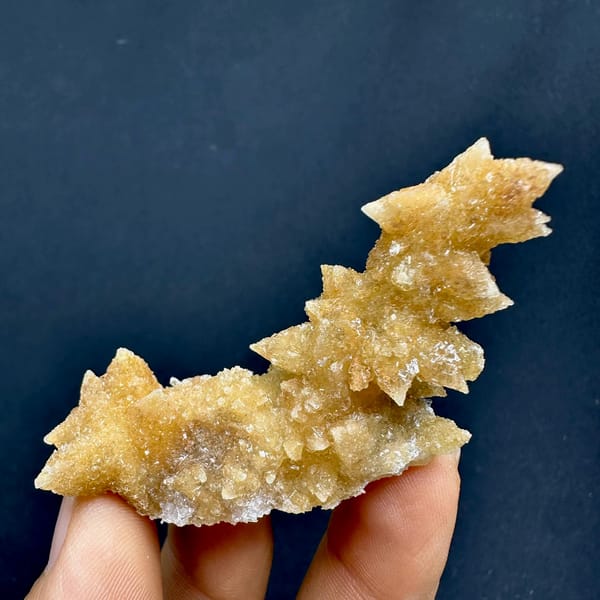
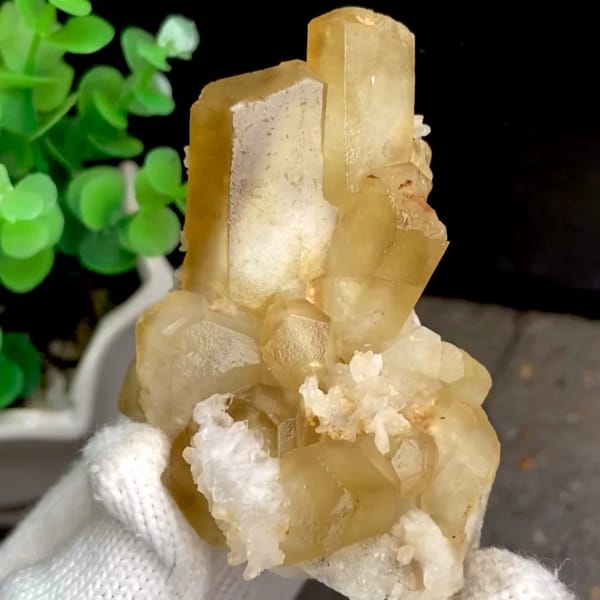
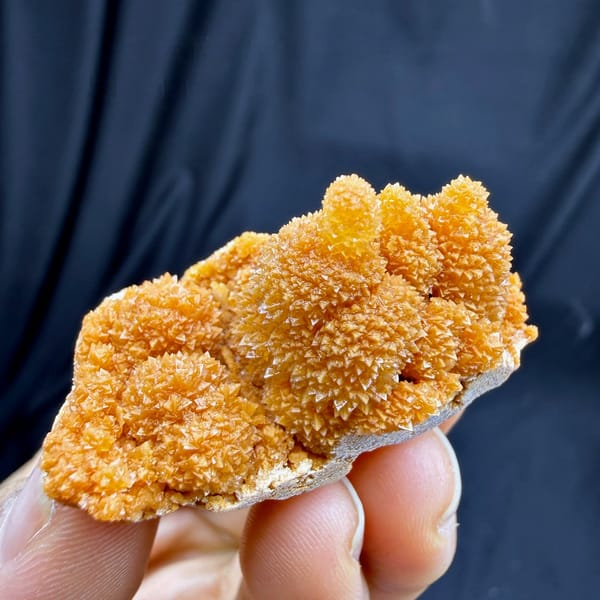
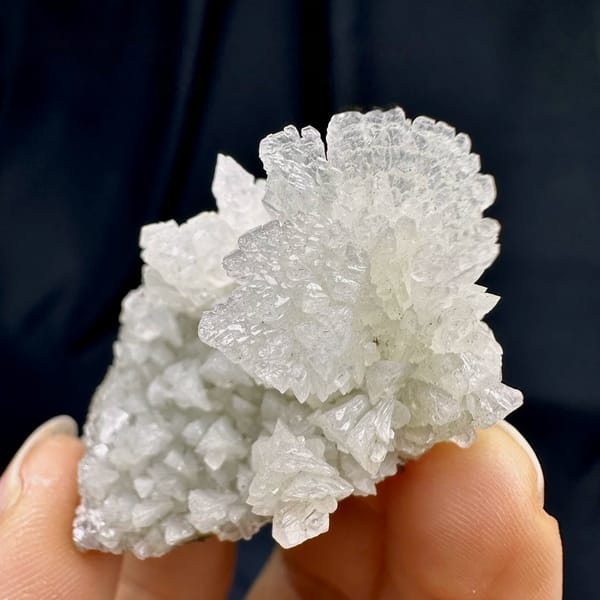
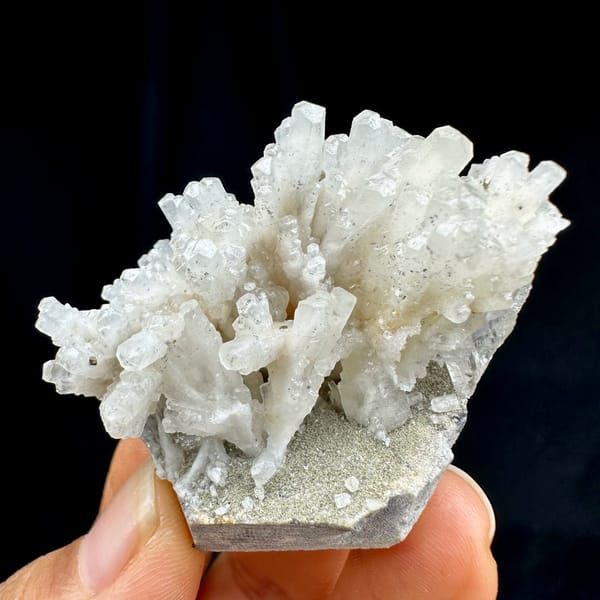
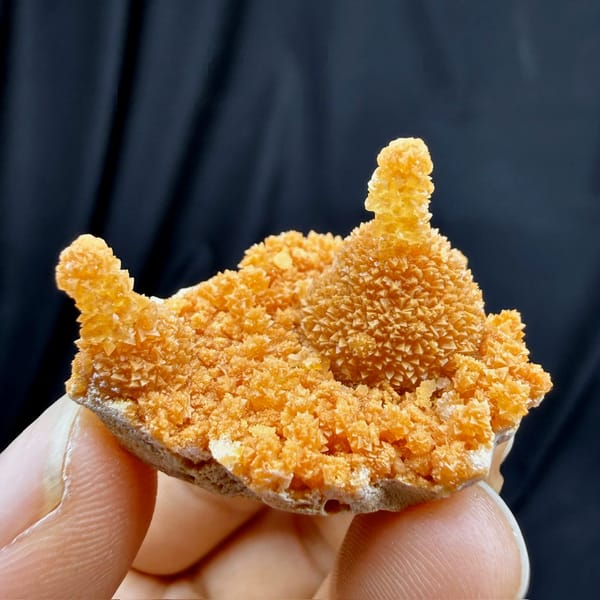
Daye and Tonglushan mines in Hubei have produced museum-quality golden scalenohedral calcite crystals exceeding 30 cm. The Shangbao Mine in Hunan is famous for translucent orange "tooth" calcites perched on pyrite or fluorite matrices.
Chinese calcite — localities and value
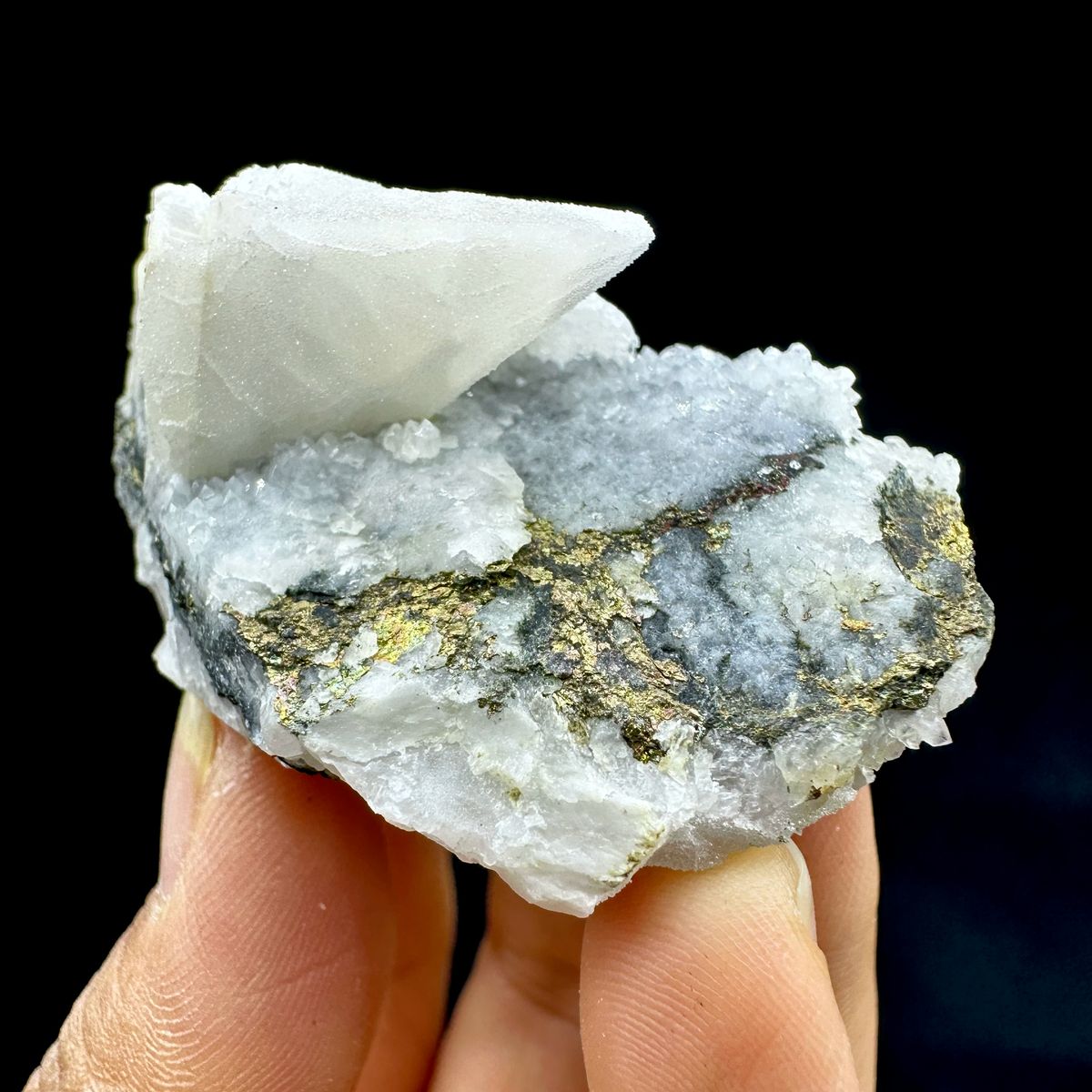
Beyond Daye and Tonglushan in Hubei, fine calcite comes from across China — golden scalenohedra, manganoan pink crystals, and water-clear rhombs. Many of the great Chinese sulfide specimens (galena, sphalerite, stibnite) sit on a bed of crystalline calcite, so calcite quality is often part of a combination piece’s appeal. For collectors, crystal form, transparency or colour, and lustre are the value drivers; calcite is soft (Mohs 3) and cleaves readily, so undamaged crystals are prized.
About Calcite
Calcite belongs to the carbonate class in the calcite group and has the chemical formula CaCO₃. It crystallizes in the trigonal system and is one of the most visually varied minerals in the collector market. Its combination of structural character and global distribution make it a recognized species in both systematic and aesthetic collections.
Identification & care
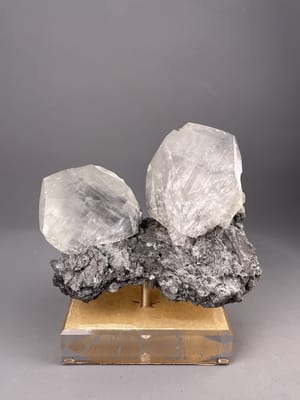
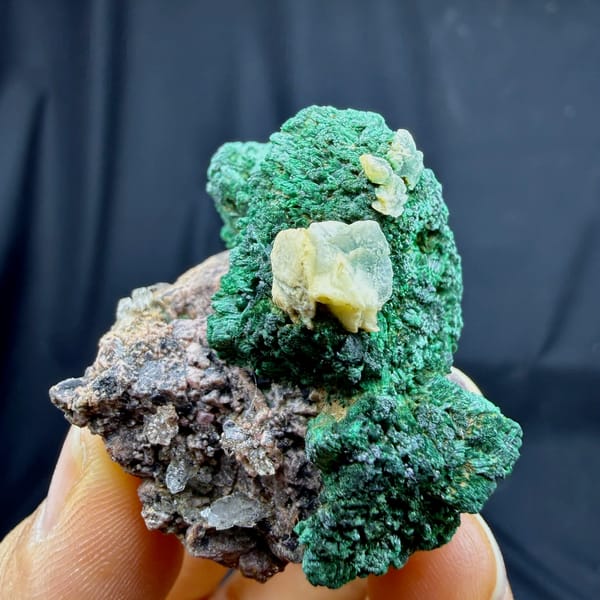
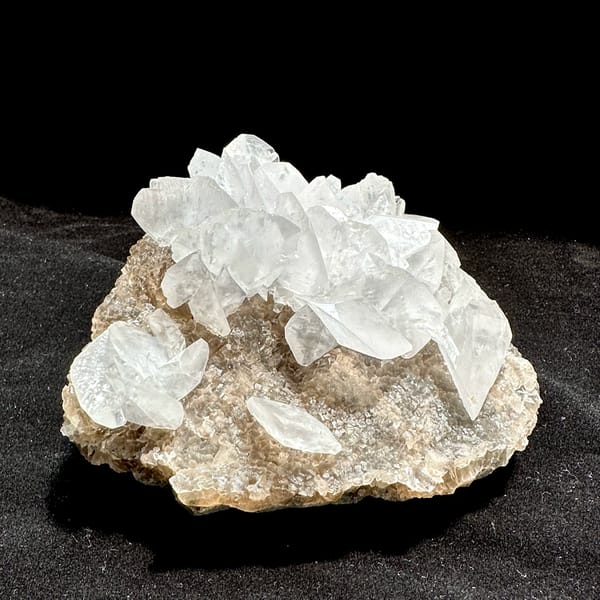
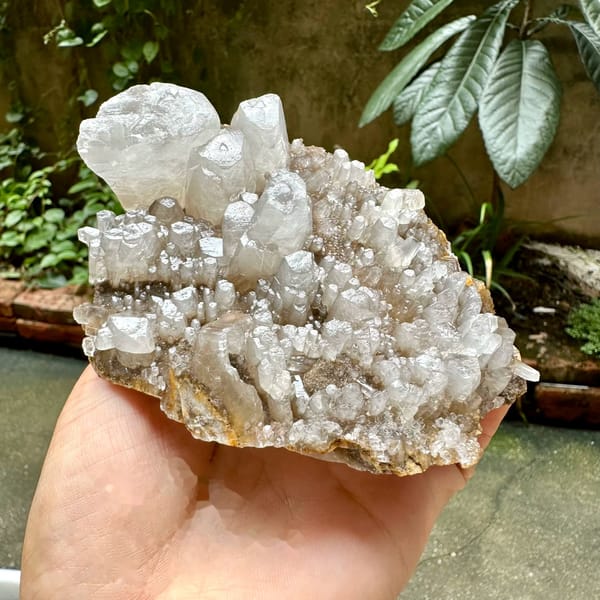
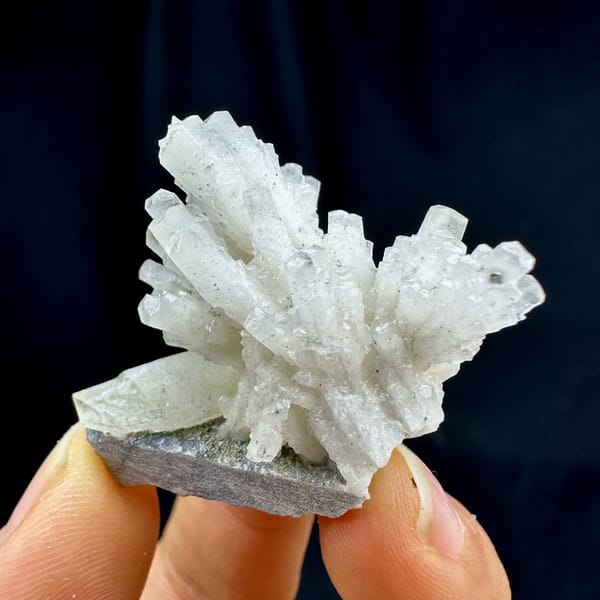
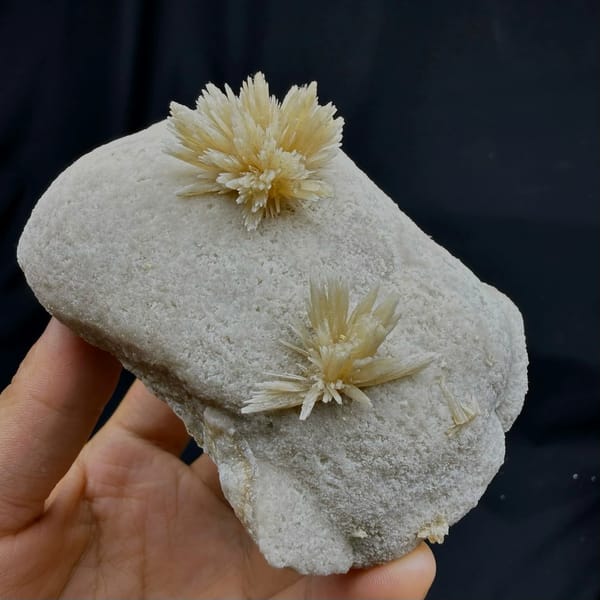
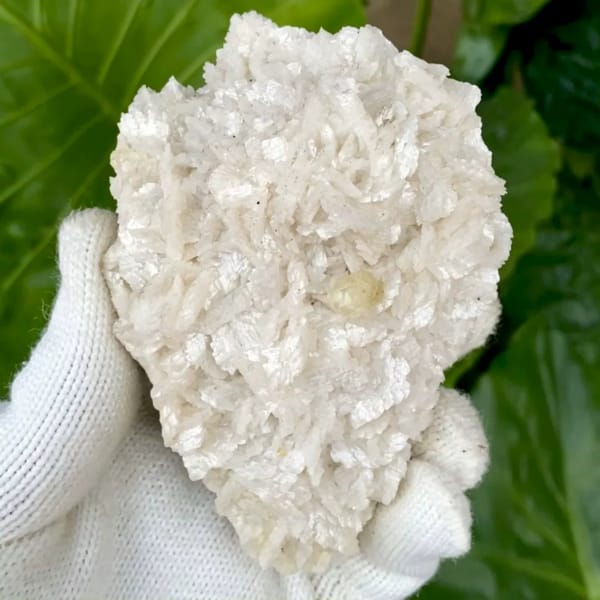
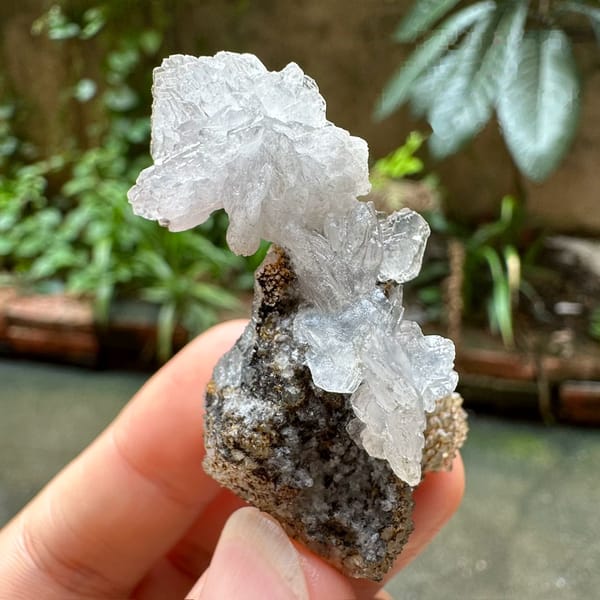
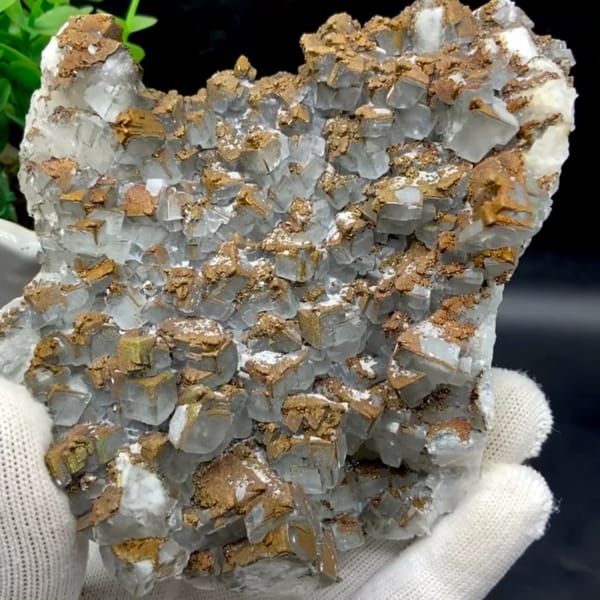
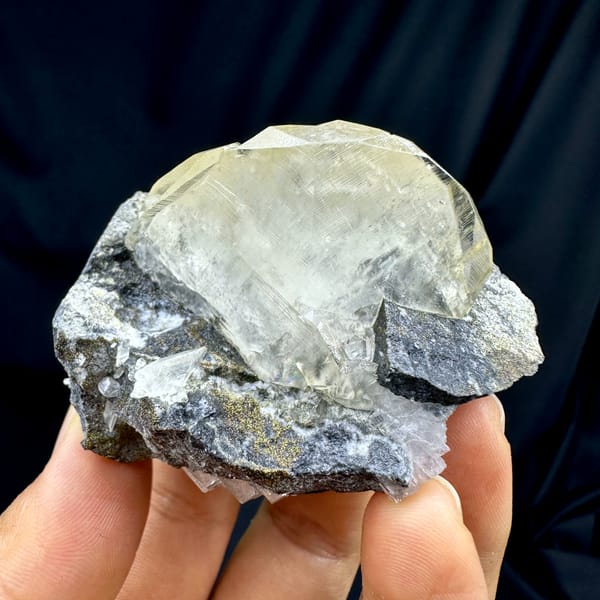
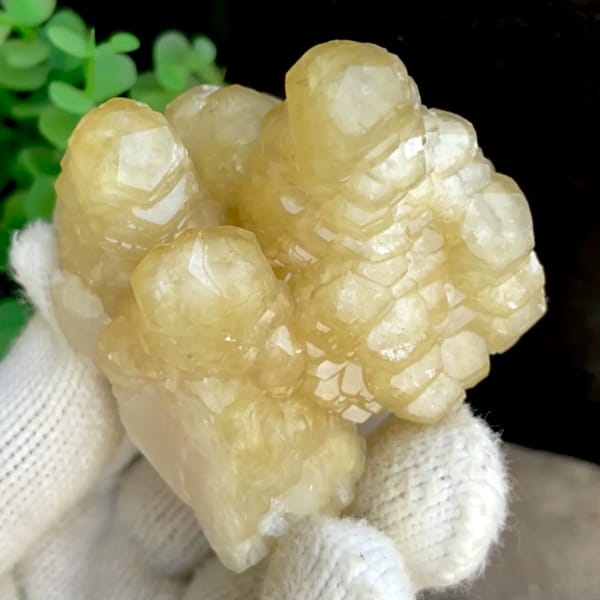
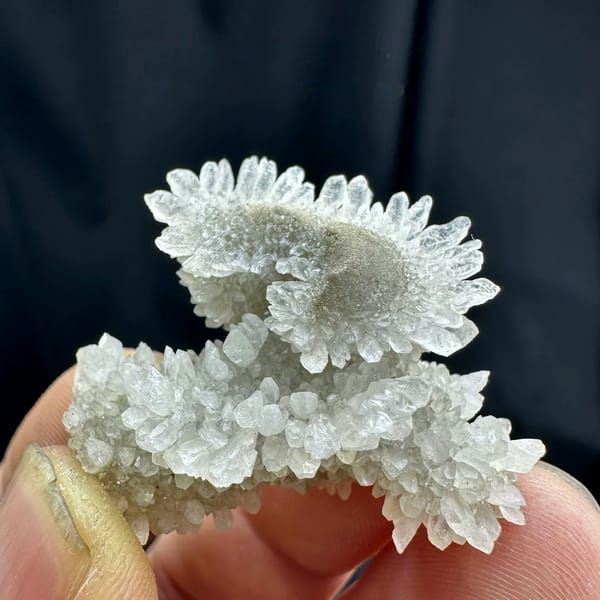
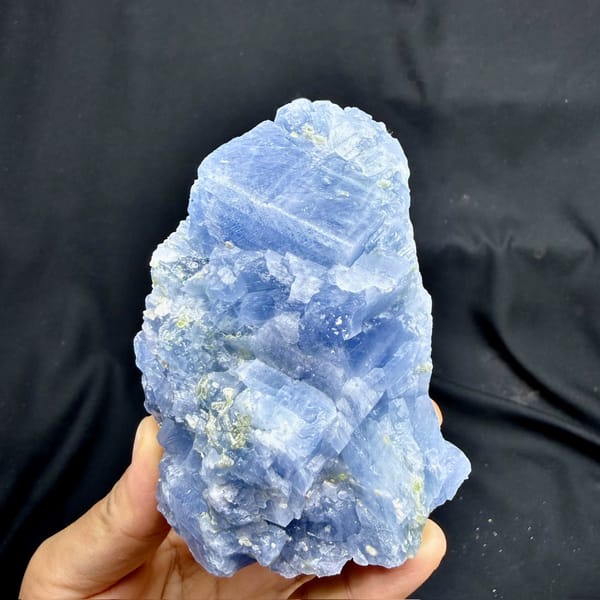
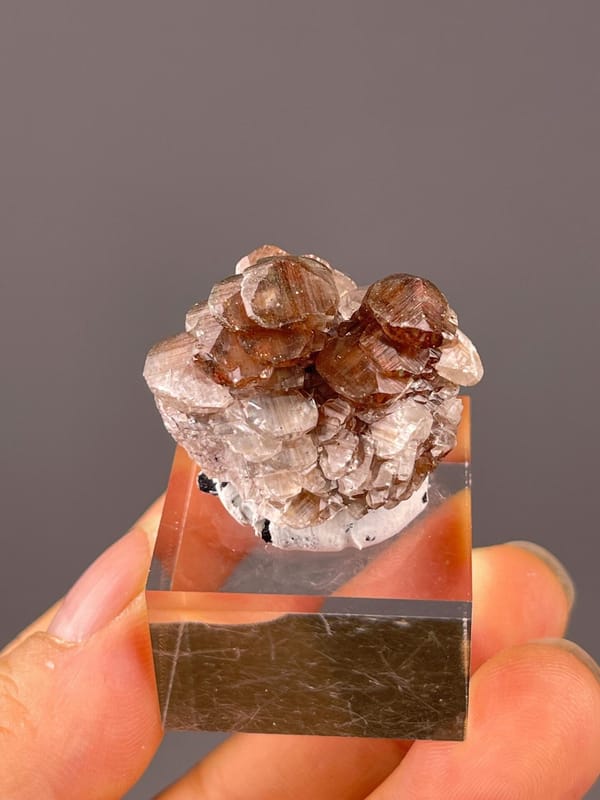
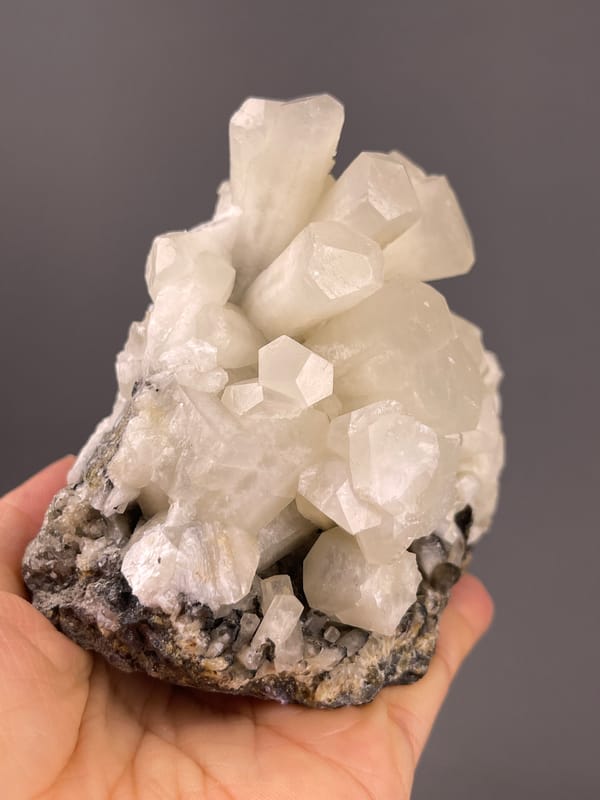
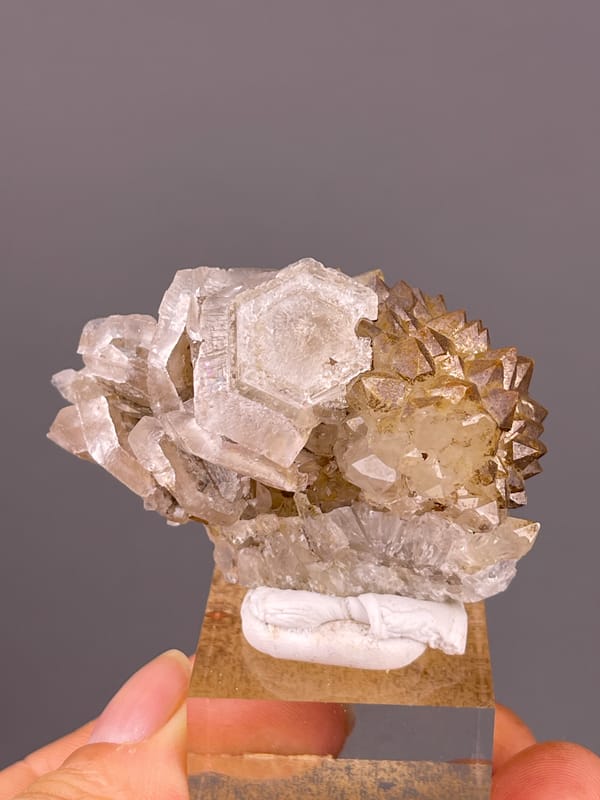
Specimens usually show rhombohedral, scalenohedral, prismatic, tabular, massive, stalactitic — over 300 documented crystal forms. Its color range is broad, including white, yellow, red, orange, blue, green, brown, gray, and colorless. The luster is vitreous, sub-vitreous, resinous, waxy, pearly, the streak is white, and specimens range from transparent to opaque. The cleavage is perfect rhombohedral {1011}. The fracture is conchoidal, which aids identification.
Collector context
How it forms
In terms of geology, Calcite forms in sedimentary (limestone, chalk), metamorphic (marble), hydrothermal veins; biogenic (shells, coral). It is commonly found in association with dolomite, fluorite, pyrite, quartz, barite.
Classic Chinese localities
Documented Chinese occurrences are recorded at Shangbao Mine, Jiama Cu-polymetallic deposit and Jinduicheng Mine, among others.
Why collectors care
Collectors pursue Calcite for the clarity of its crystal form and, in good material, saturated color that reads instantly across a display case. A well-terminated calcite on clean matrix photographs well, identifies quickly, and anchors a cabinet piece. Top Chinese specimens over the last two decades have reset the bar for what calcite looks like at collector grade.
What affects value
Value in Calcite is assessed, in typical order of weight, against: (1) locality provenance; (2) size relative to the species norm; (3) crystal form and termination sharpness; (4) color saturation and zoning; (5) transparency and internal clarity; (6) matrix quality and aesthetic balance; (7) condition (absence of damage, chips, or repair). Cleaning quality and verified locality documentation act as multipliers across the above.
Naming history
Calcite is named from the Latin calx, "lime" — the same root that gives us calcium, chalk and calcium carbonate itself. Burning limestone (calcite rock) to make quicklime is one of the oldest chemical processes humans practise, which makes calcite one of the few minerals named for what people did with it thousands of years before anyone knew what it was made of.
Frequently asked questions
What is Calcite?
Calcite has the chemical formula CaCO₃, crystallises in the Trigonal system, has a Mohs hardness of 3. Calcite is a carbonate mineral prized by collectors for its exceptional color range, with several world-class Chinese localities.
What is the chemical formula of Calcite?
The chemical formula of Calcite is CaCO₃.
What crystal system does Calcite belong to?
Calcite crystallises in the Trigonal crystal system.
Where is Calcite found?
Notable localities for Calcite include Daye, Hubei, Hunan Province, Fujian Province, Yaogangxian Mine, Yunnan Province.
Is Calcite rare?
As a collector mineral, Calcite is generally considered common.
Related minerals
Available Calcite specimens
Recently sold Calcite specimens
External references
Calcite on Wikidata.