
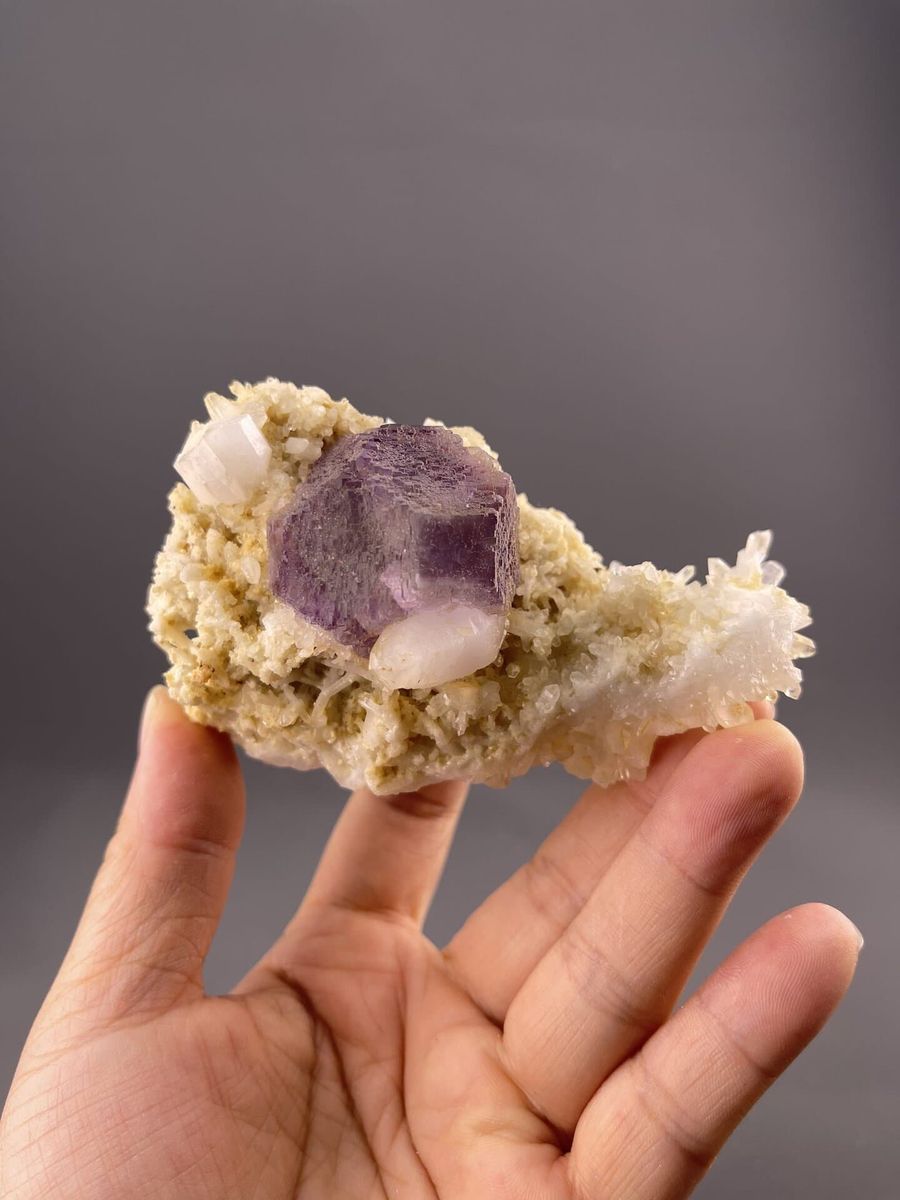
Why Chinese minerals are important to collectors
Since the 1990s, Chinese localities have supplied a steady stream of mineral specimens that changed what collectors expect from species like fluorite, scheelite, stibnite, and cassiterite. Many of these pieces combine strong color, sharp crystal form, and aesthetic matrix in a way that is hard to find elsewhere — and often at prices below comparable classics from older European or American localities.
For a collector building a focused, display-worthy collection, Chinese minerals offer a rare combination: well-documented localities, recognizable regional "styles," and a wide range of price points from entry-level thumbnails to cabinet showpieces.
What makes a Chinese mineral specimen valuable
Value in mineral specimens is a blend of several factors, not a single number. The main ones are: locality (a well-known, classic source generally carries more interest), crystal quality (sharp, complete, undamaged crystals), color (saturation and zoning), luster (how the faces reflect light), aesthetics (how the crystals sit on the matrix), size relative to the species, and condition (no repairs or hidden damage).
No single factor wins on its own. A small, perfect, well-colored fluorite from a classic Hunan mine can be more desirable than a large but dull or damaged piece. Learning to weigh these factors against the asking price is the core skill of buying well.
How to evaluate locality
Locality is central to mineral collecting — a specimen’s source affects both its scientific interest and its market value. With Chinese minerals, the locality is usually a specific mine or district rather than just "China."
Look for a named locality (for example, Yaogangxian Mine in Hunan, or Xuebaoding in Sichuan) rather than a vague country-level label. A specific, plausible locality that matches the specimen’s known regional style is a good sign. Where a seller is honest about uncertainty, that transparency is itself worth trusting. We keep each specimen tied to a locality page so you can read the geology behind it.
How to evaluate crystal form, color, luster, condition, size and matrix
Crystal form: look for sharp edges, complete terminations, and the habit typical of the species. Damage to a key crystal matters far more than a chip on the back.
Color: judge saturation and evenness, and note any color zoning or phantoms — often a desirable feature in Chinese fluorite. Be aware that lighting changes how color reads.
Luster: tilt the specimen (or the photo) and watch how faces catch the light; bright, glassy luster adds a lot.
Condition: check the front face and the contact points for chips, cleaves, or repairs. Ask about damage that a photo might hide.
Size and matrix: bigger is not automatically better. A crystal well-proportioned to its matrix, sitting in a natural, stable position, usually displays best. Always check the listed dimensions against your display space.
Natural vs treated material — how to think about it
Most Chinese mineral specimens on the collector market are natural. As with minerals from anywhere in the world, some material can be cleaned, trimmed, or stabilized, and a small number of species are occasionally treated. The responsible approach is to ask, not to assume.
We do not make blanket claims about treatment we cannot verify. When you are buying, it is reasonable to ask the seller directly whether a specimen has been cleaned, repaired, coated, or color-treated, and to expect a clear answer. A seller who explains what they know — and what they don’t — is giving you the information you need to buy with confidence.
How the classic Chinese localities compare
Each major Chinese locality has a recognizable "style" — learning these regional signatures helps you read a specimen and judge whether its appearance fits its stated locality.
| Locality | Province | Signature species | Recognizable style |
|---|---|---|---|
| Yaogangxian | Hunan | Fluorite | Gem-transparent cubes and interpenetration twins, often on quartz needles |
| Xuebaoding | Sichuan | Scheelite, cassiterite, beryl | Golden octahedra and pink beryl on a pale matrix |
| Shangbao | Hunan | Fluorite | Green and cubic, with colour zoning |
| Xianghualing | Hunan | Fluorite, tin minerals | Sea-green to blue-green octahedra |
| Lengshuijiang / Xikuangshan | Hunan | Stibnite | World-class metallic blades and needle sprays |
| Daye | Hubei | Calcite, pyrite | Iron-belt skarn material |
The links below go to a detailed page for each.
Moving from learning to buying
Once you know what you’re looking at, the easiest way to start is to pick one species or one locality you find appealing and browse what’s currently available. Start within a budget, buy the best condition you can afford rather than the biggest piece, and keep the locality information with the specimen.
The links below take you to the species pages and the live specimens we have in stock.
Why MyMineralBox is useful here
We focus on curated Chinese mineral specimens, photographed as the actual piece you receive — not stock images. Every specimen is tied to a locality page so you can read the geology and regional style behind it, and sold pieces stay visible as reference examples so you can calibrate your eye over time.
We use conservative, transparent language about sourcing and condition rather than marketing superlatives. We are one specialist option among several good ones; our aim is to make it easy to learn, compare, and choose a specimen you’ll be happy to own.
Compare the classic Chinese localities
Each links to a detailed locality page — geology, regional style, and the specimens currently in stock.
- Yaogangxian Mine, HunanFluorite and fluorite-on-quartz — a benchmark Hunan locality.
- Xuebaoding, SichuanScheelite, cassiterite, and pink beryl on a pale matrix.
- Shangbao Mine, HunanGreen and cubic fluorite.
- Xianghualing Mine, HunanFluorite and tin minerals.
- Lengshuijiang, HunanWorld-class stibnite from the Xikuangshan belt.
- Daye, HubeiCalcite and pyrite from iron-belt skarns.
Learn about the key species
Reference pages for the species that define the Chinese localities above.
Start shopping by species
Frequently asked questions
Are Chinese mineral specimens natural?
Most Chinese mineral specimens on the collector market are natural. As with minerals from any country, some pieces may be cleaned, trimmed, or stabilized, and a few species are occasionally treated. The best practice is to ask the seller directly about cleaning, repair, or treatment and to expect a clear answer.
What makes a Chinese mineral specimen valuable?
Value comes from a combination of locality, crystal quality, color, luster, aesthetics, size relative to the species, and condition — not any single factor. A small, well-formed, undamaged piece from a classic locality can be more desirable than a large but dull or damaged one.
Which Chinese localities are most famous with collectors?
Frequently documented collector localities include Yaogangxian in Hunan for fluorite, Xuebaoding in Sichuan for scheelite and cassiterite, Xikuangshan in Hunan for stibnite, and Daye in Hubei for calcite and pyrite. Dedicated Mineralogical Record articles cover each of these localities; an occurrence record alone does not rank an individual specimen.
How do I know a specimen’s locality is accurate?
Look for a specific named mine or district rather than just "China," and check that the specimen’s appearance fits that locality’s known regional style. A seller who is transparent about what they know — and about any uncertainty — is giving you the information you need to judge.