
Fluorite
Curated by Maggie Liu · Updated:
Fluorite is a halide mineral prized by collectors for its exceptional color range, with several world-class Chinese localities.
About Fluoriteextended article
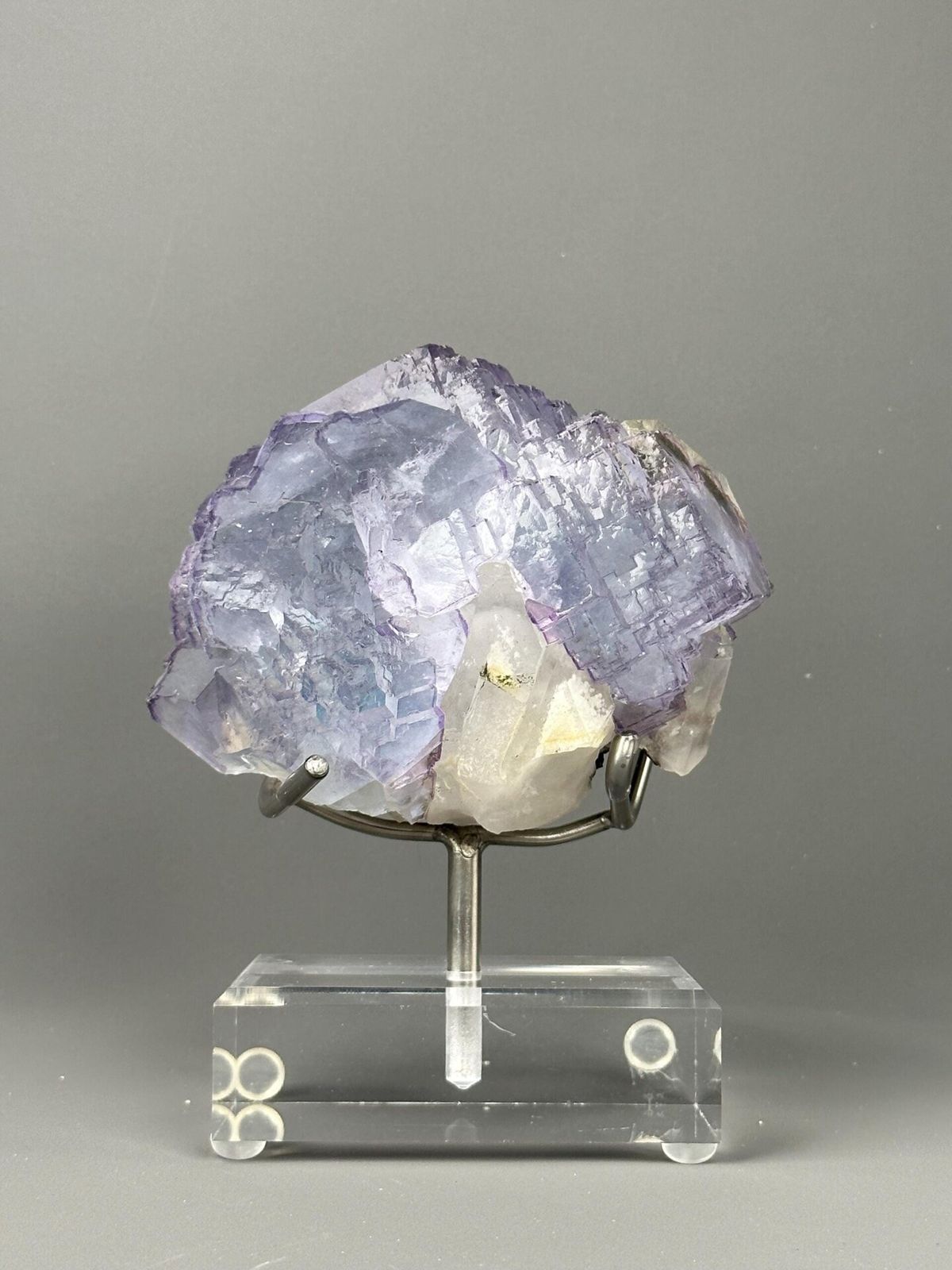
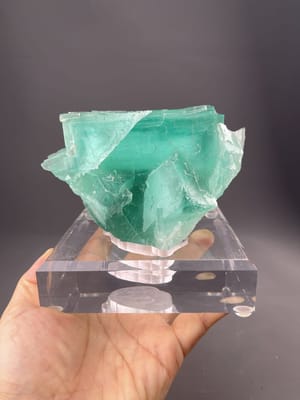
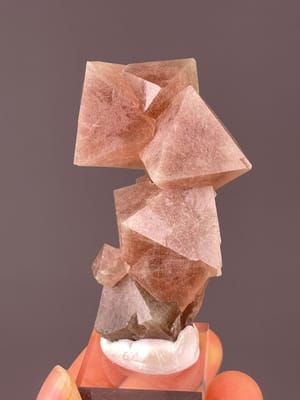
Fluorite is one of the most popular collector minerals in the world — and the single most important Chinese export species. Its perfect octahedral cleavage, sharp cubic crystals, and saturated color zoning help explain why Chinese fluorite has been widely collected over the last two decades.
Notable varieties
- Blue John (banded purple/yellow)
- Antozonite (radioactive black)
- Chlorophane (thermoluminescent)
- Yttrofluorite (Y-bearing)
The Chinese angle
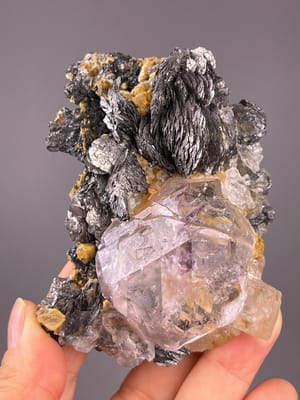
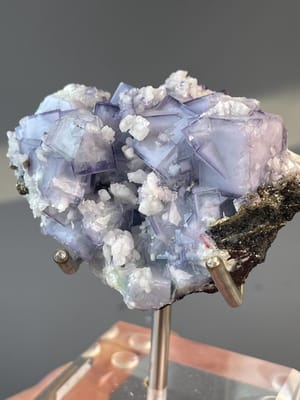
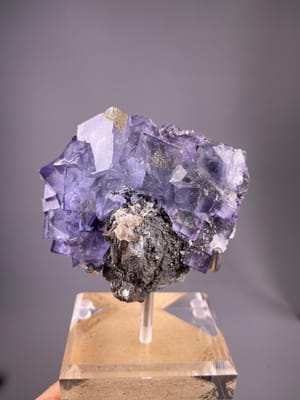
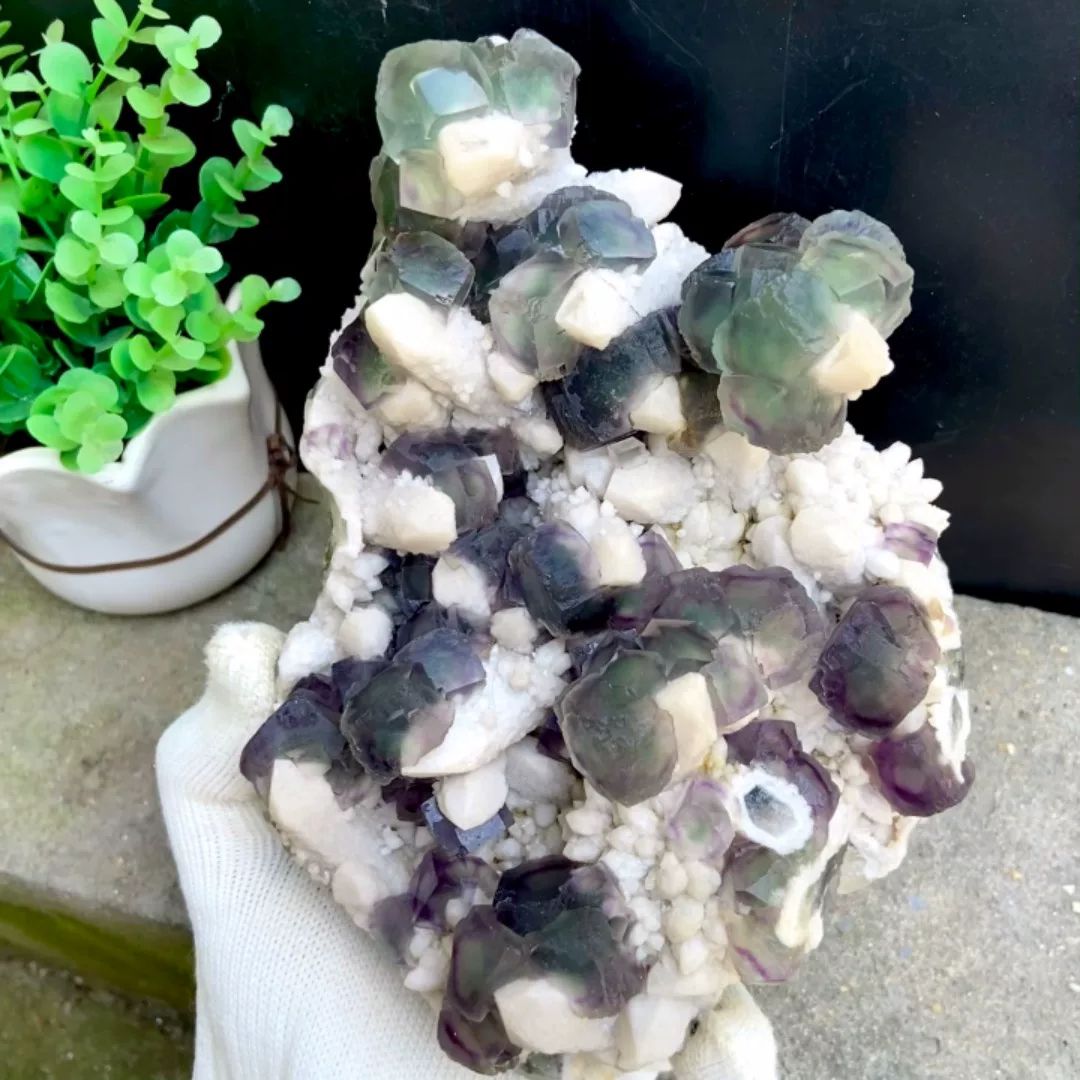
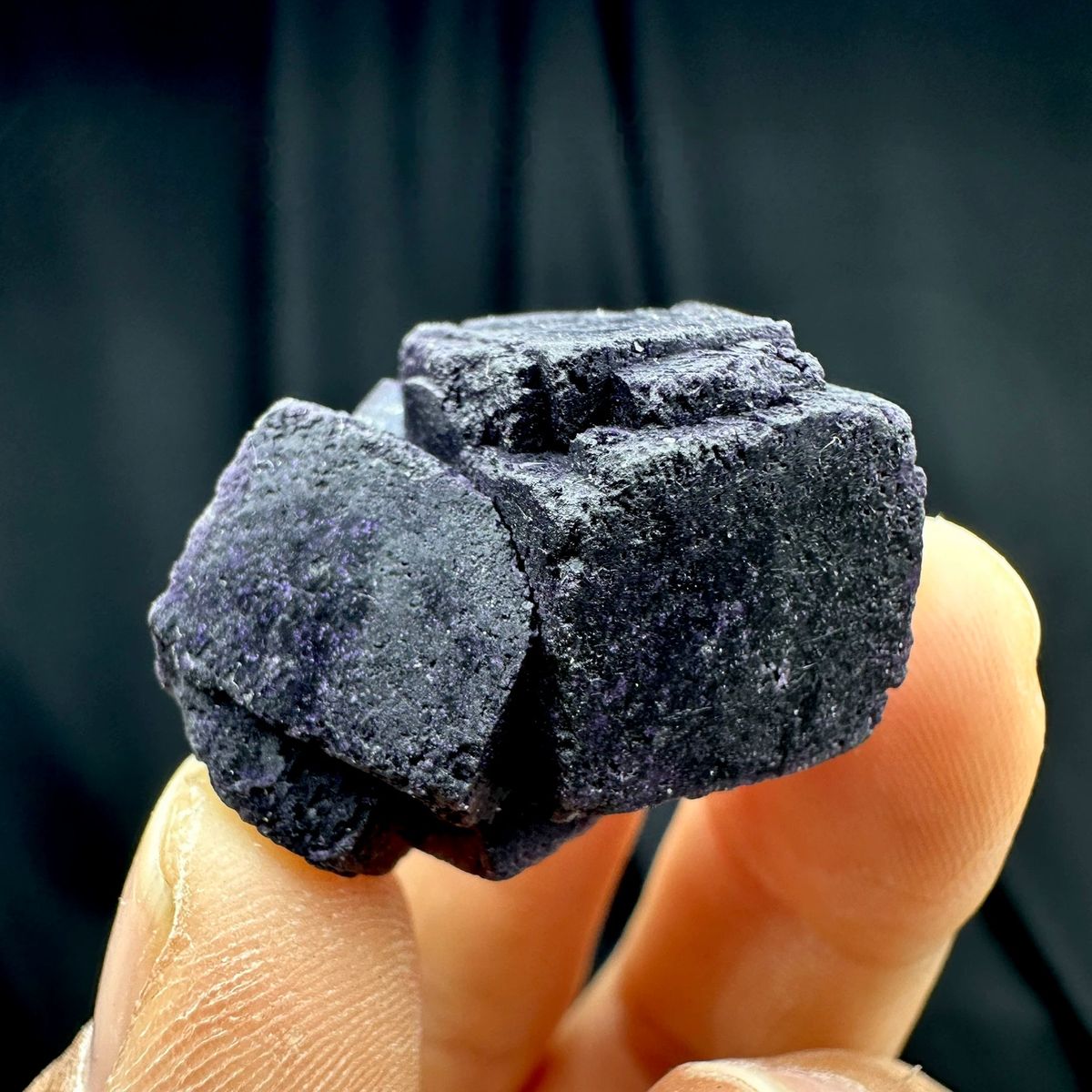
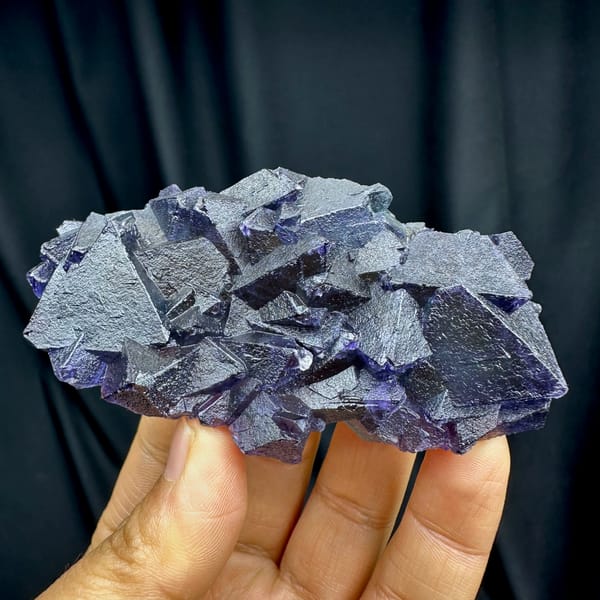
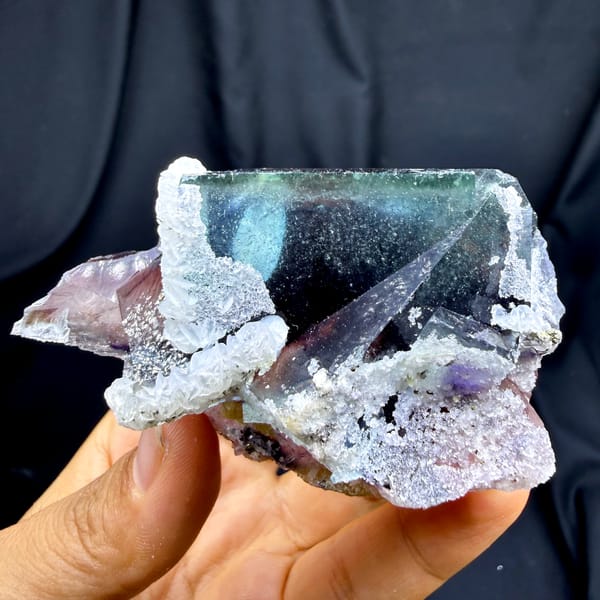
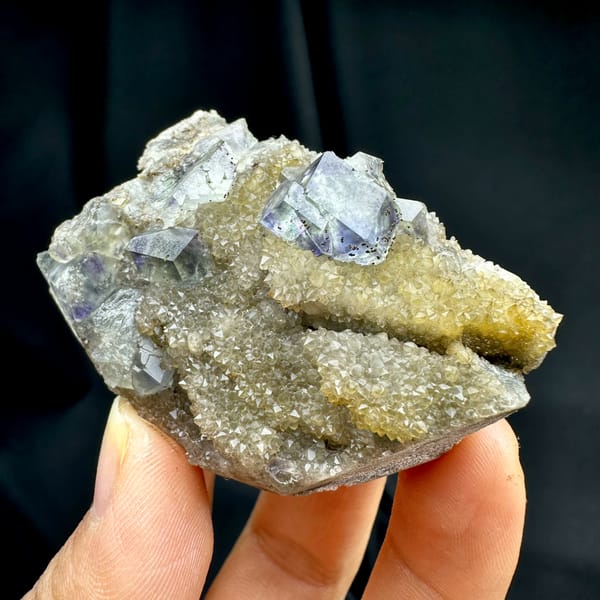
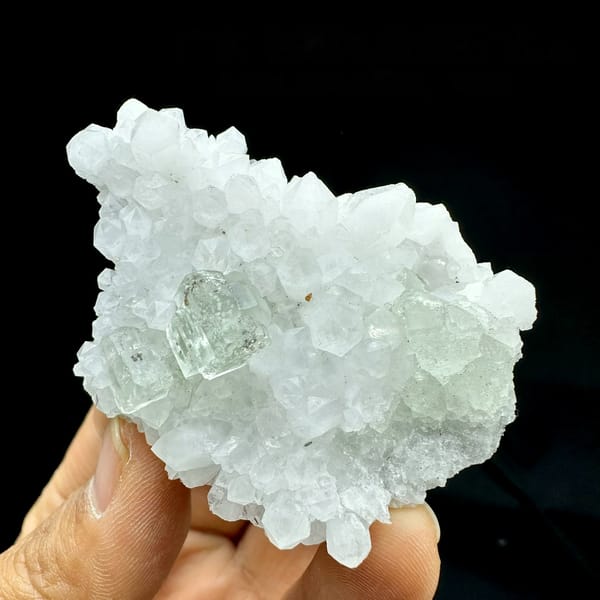
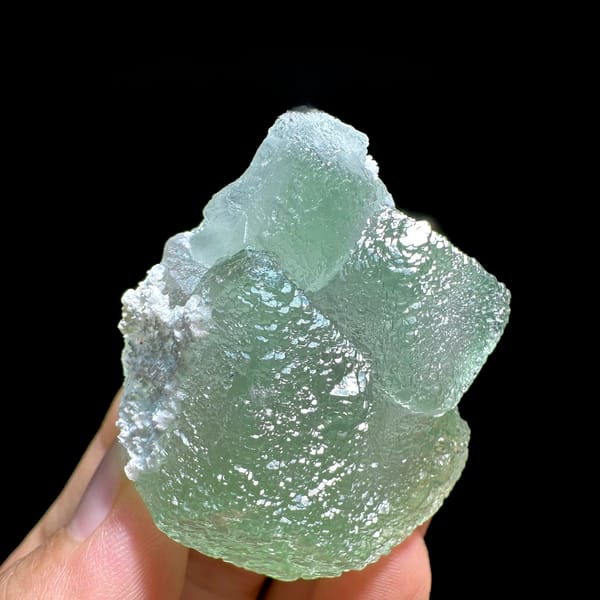
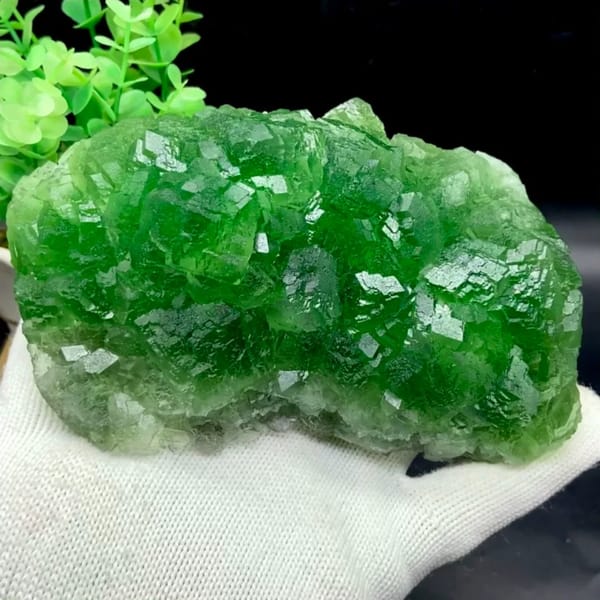
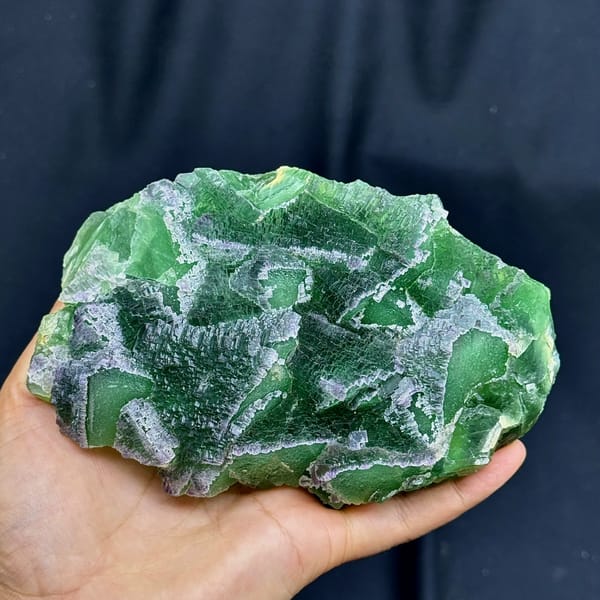
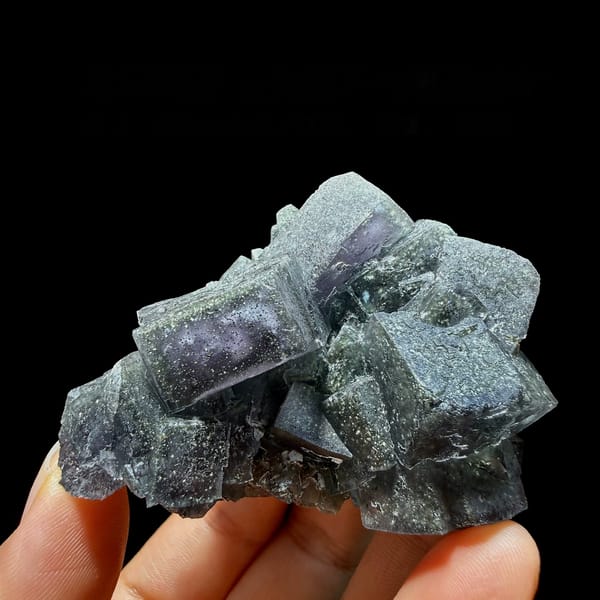
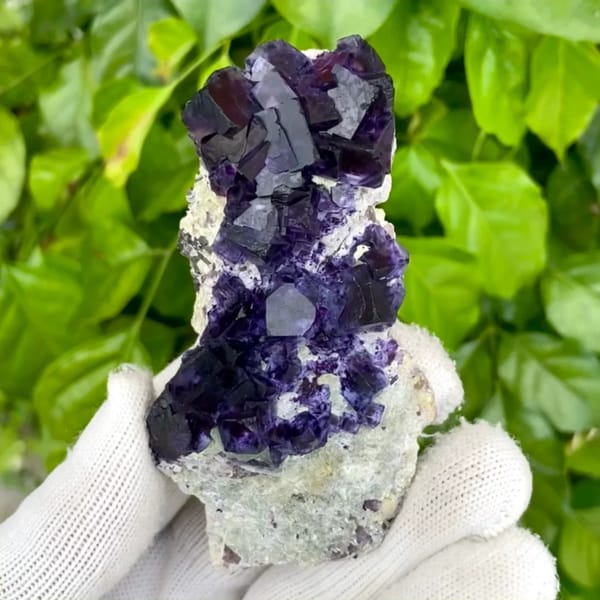
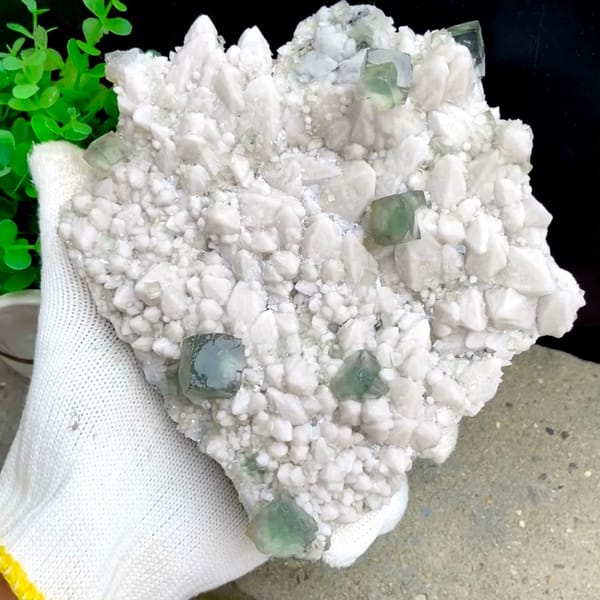
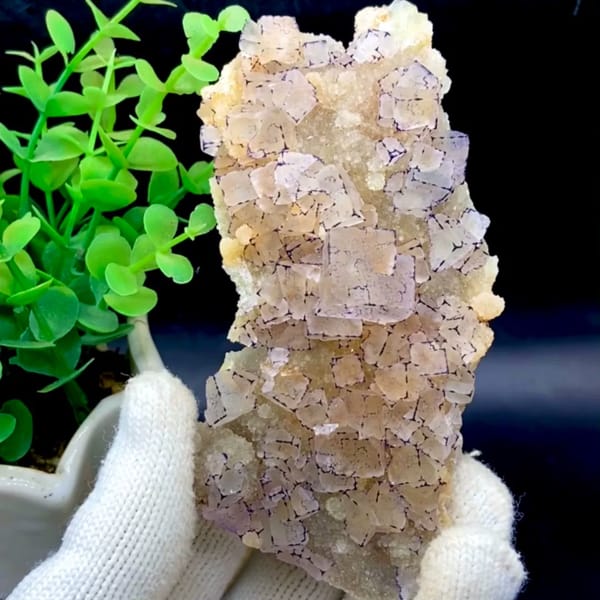
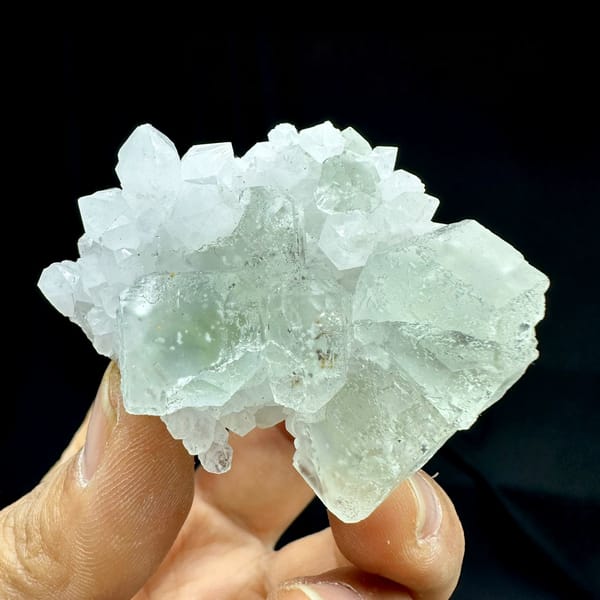
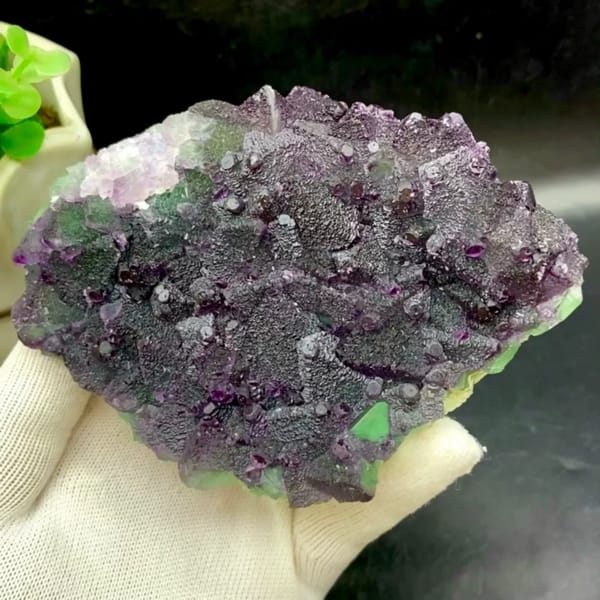
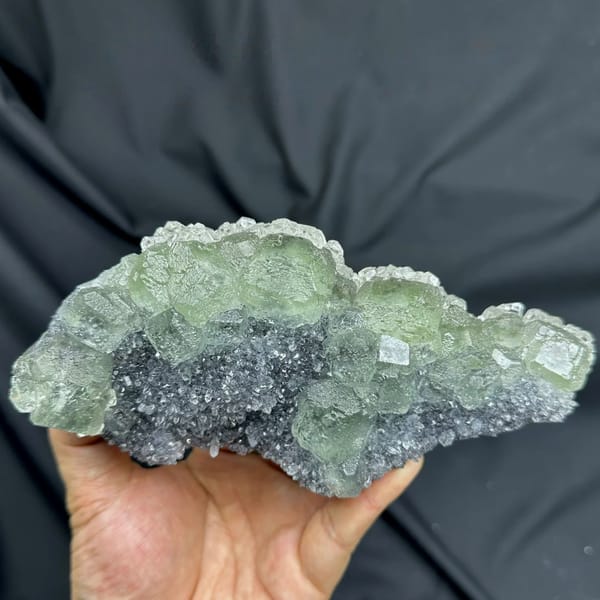
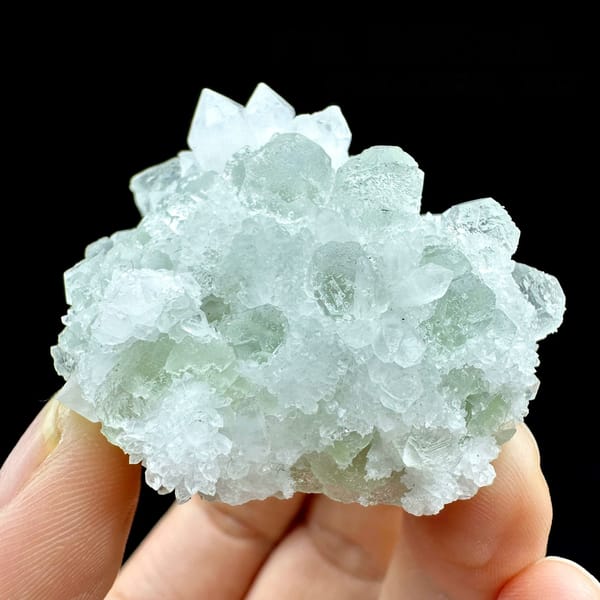
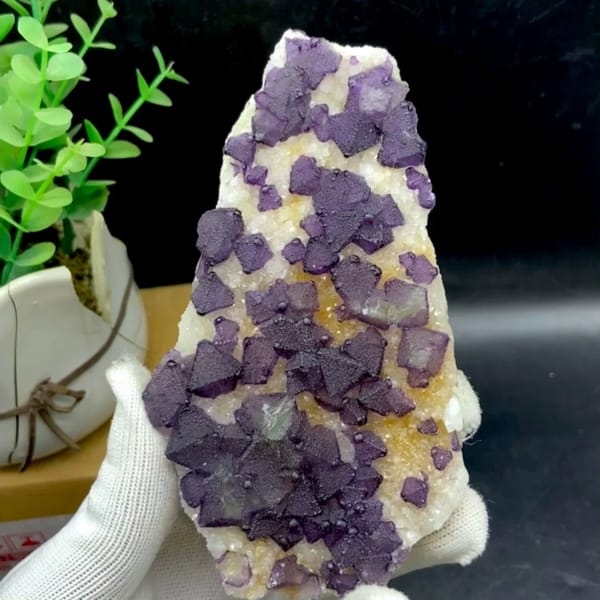
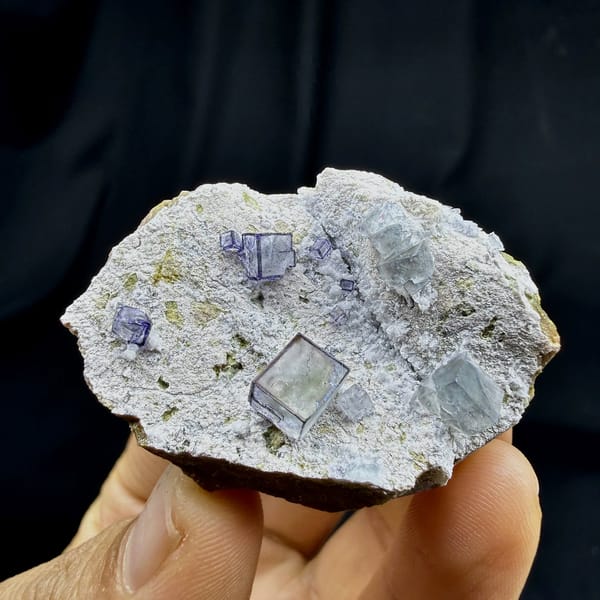
The Yaogangxian Mine in Hunan and the Xianghualing district produce sharp 5–10 cm fluorite cubes with deep blue-green colour zoning, often perched on milky quartz or wolframite. Hunan green fluorite is the international reference for top-tier collector grade.
The Chinese localities in detail
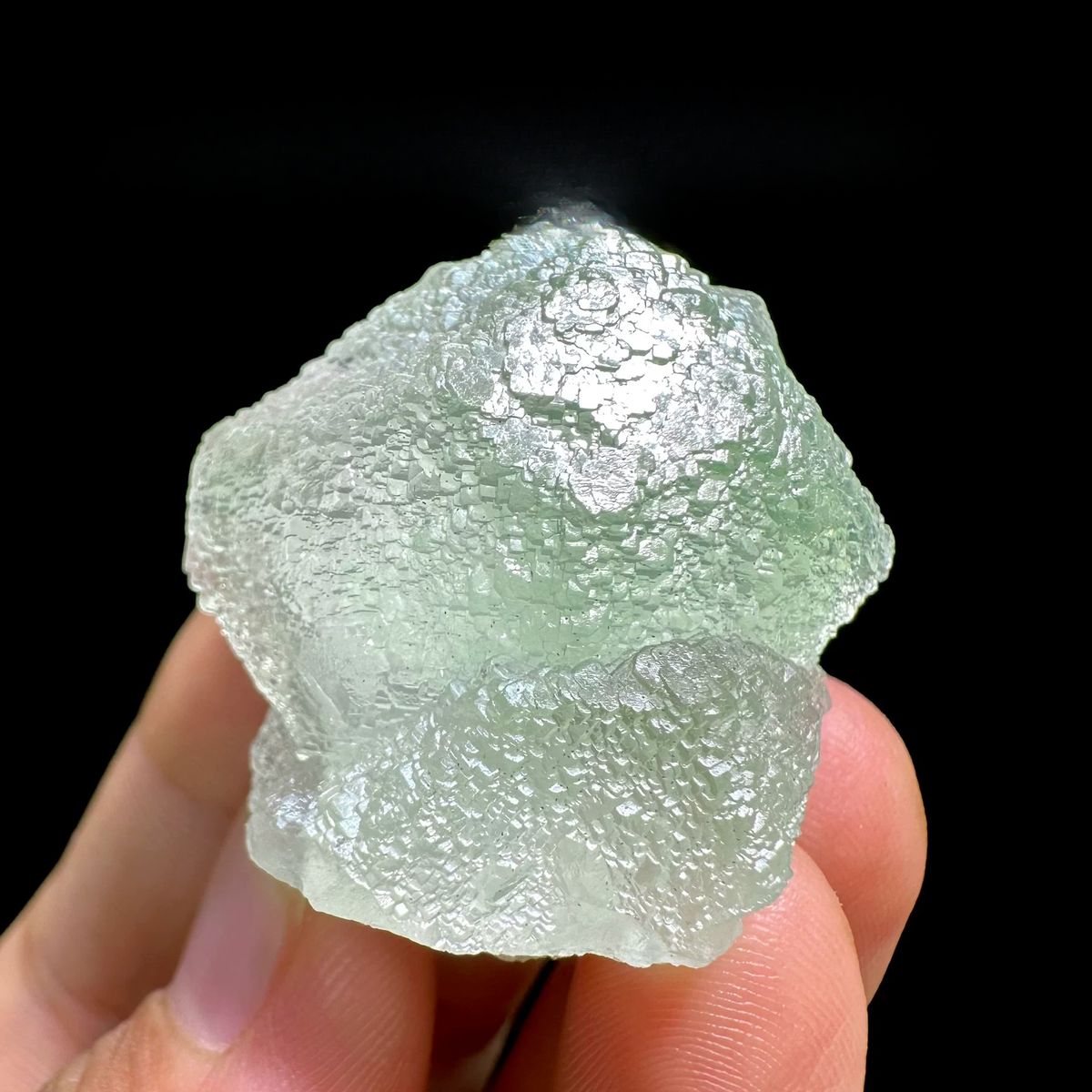
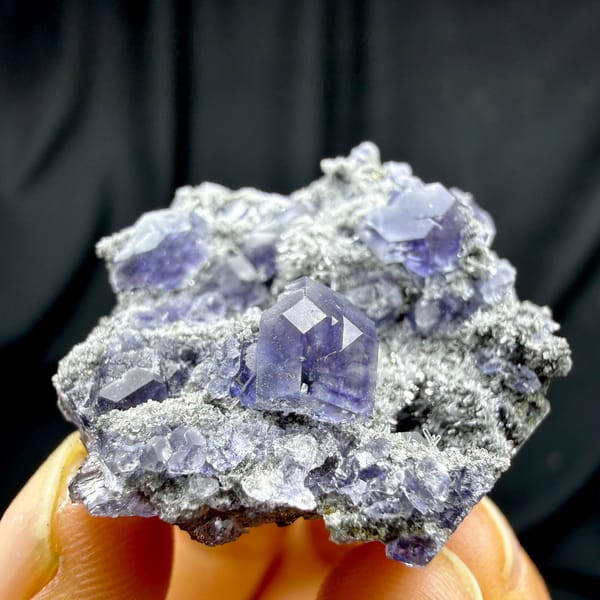
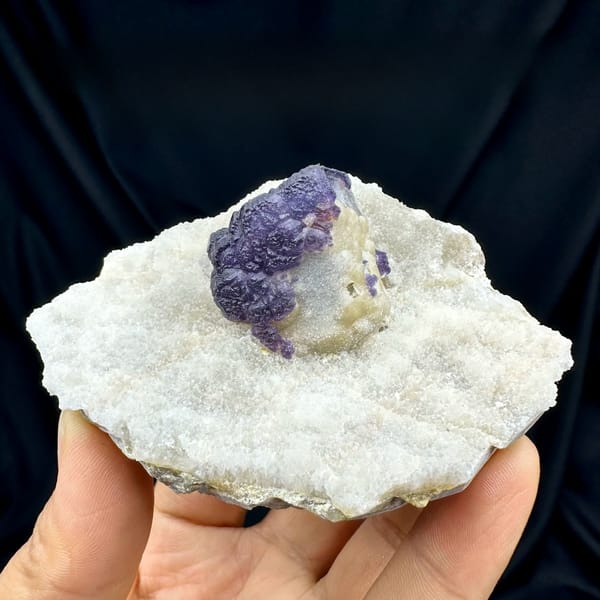
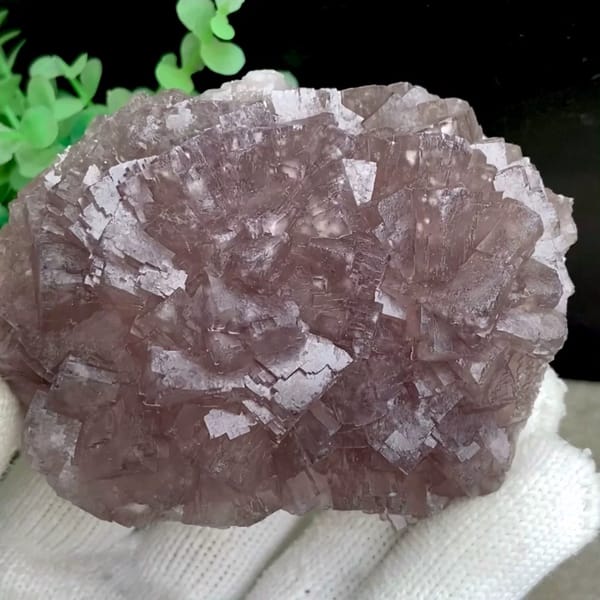
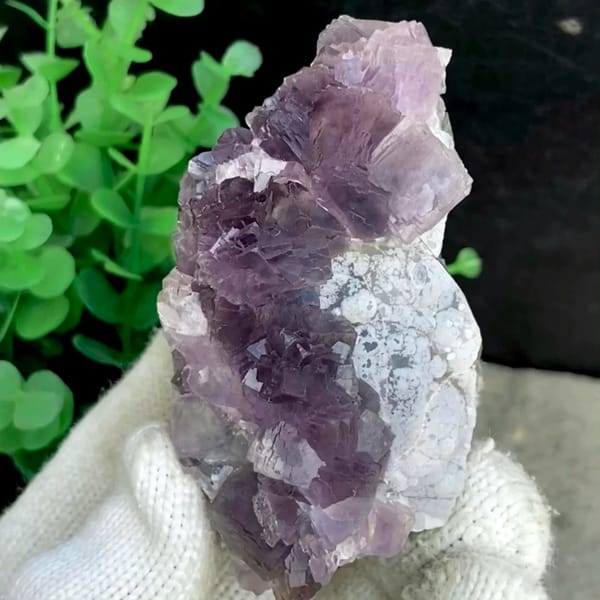
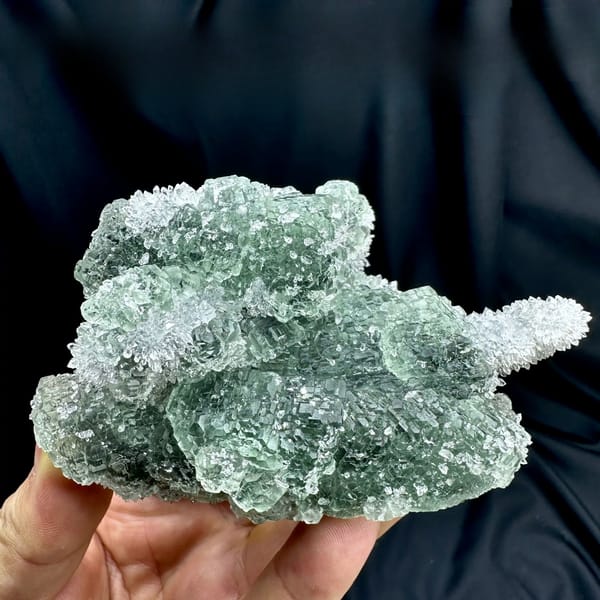
Within China a handful of Hunan mines define the collectable fluorite market. Yaogangxian is the most famous — green, purple, and blue cubes, often with quartz or wolframite, and the source of many benchmark plates. Xianghualing adds green octahedra and the distinctive stepped “mushroom” growths; Shangbao is known for sharp purple-phantom cubes. Fujian, Inner Mongolia, and Jiangxi contribute further fine material.
Judging quality and value
Colour saturation, crystal sharpness, transparency, and — above all — freedom from cleavage damage drive value, since fluorite’s perfect octahedral cleavage leaves edges and corners vulnerable. Phantom zoning, gemmy clarity, and a balanced association (fluorite on quartz, or a contrasting matrix) command premiums. Keep specimens out of prolonged direct light, which can fade some colours. See the Chinese Fluorite Buying Guide.
About Fluorite
Fluorite is classified as a halide mineral in the fluorite group and has the chemical formula CaF₂. It crystallizes in the isometric system and is one of the most visually varied minerals in the collector market. Its combination of structural character and global distribution make it a recognized species in both systematic and aesthetic collections.
Identification & care
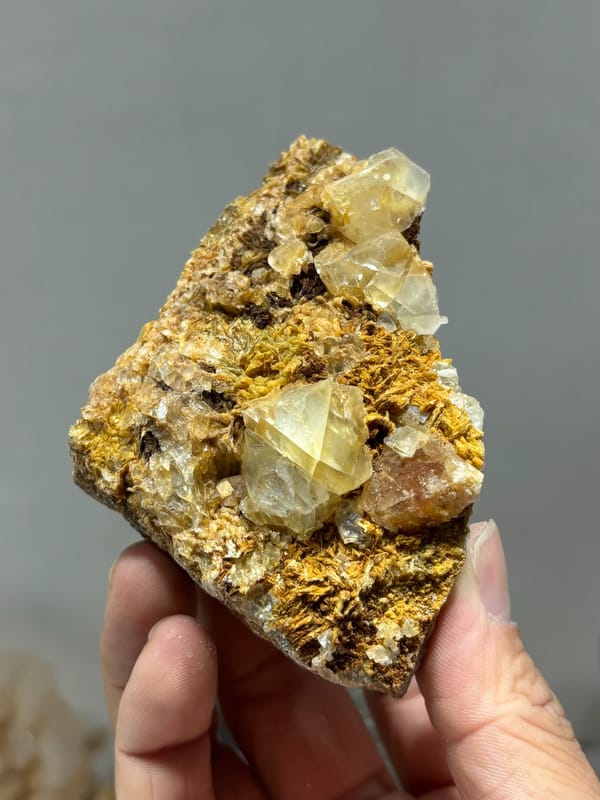
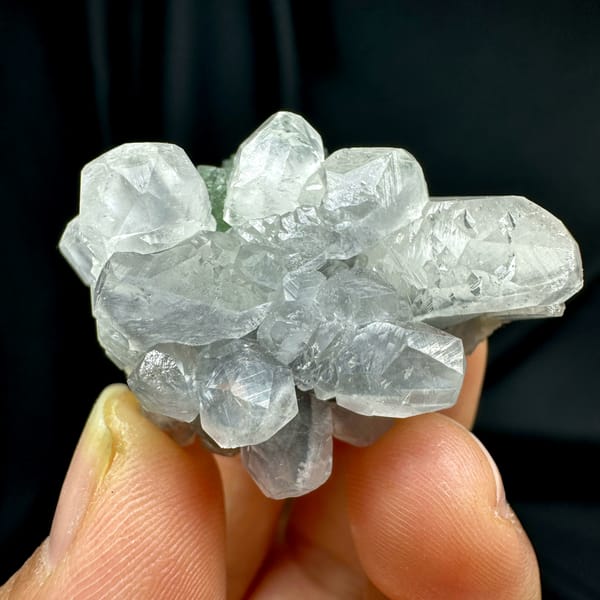
Specimens usually show cubic, octahedral, cuboctahedral; massive, granular. Its color range is broad, including purple, lilac, golden-yellow, green, colorless, blue, pink, champagne, brown, red, and black. The luster is vitreous, dull, the streak is white, and specimens range from transparent to translucent. The cleavage is perfect octahedral {111}. The fracture is irregular/uneven, which aids identification.
Collector context
How it forms
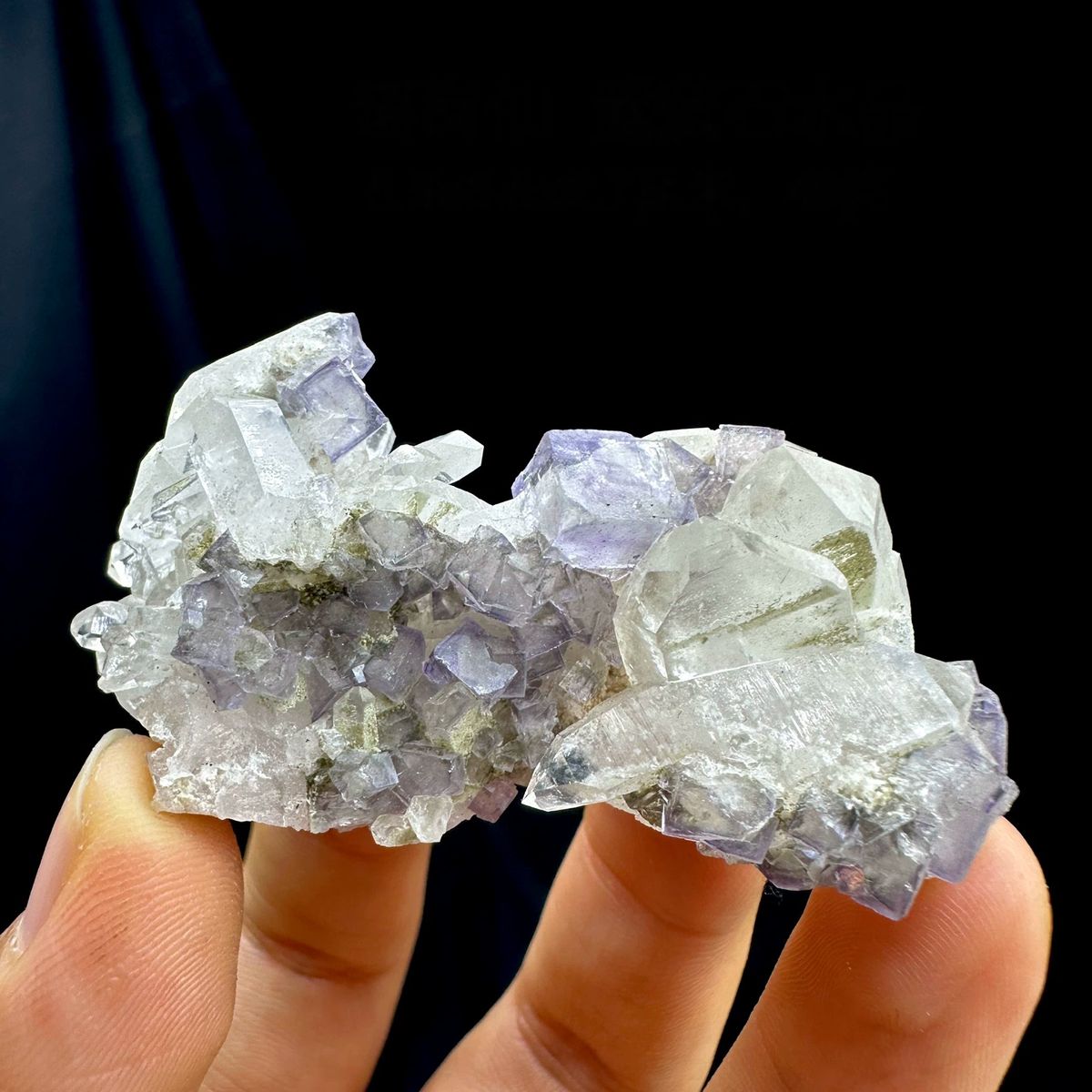
Fluorite forms in hydrothermal veins, limestone/dolomite replacement, pegmatites. It is commonly found in association with calcite, barite, quartz, galena, sphalerite.
Classic Chinese localities
Shangbao Mine, Xianghualing Sn-polymetallic ore field, and Yaogangxian W-Sn ore field are each a benchmark source for fluorite.
Why collectors care
Collectors pursue Fluorite for the clarity of its crystal form and, in good material, saturated color that reads instantly across a display case. A well-terminated fluorite on clean matrix photographs well, identifies quickly, and anchors a cabinet piece. Top Chinese specimens over the last two decades have reset the bar for what fluorite looks like at collector grade.
What affects value
Value in Fluorite is assessed, in typical order of weight, against: (1) locality provenance; (2) size relative to the species norm; (3) crystal form and termination sharpness; (4) color saturation and zoning; (5) transparency and internal clarity; (6) matrix quality and aesthetic balance; (7) condition (absence of damage, chips, or repair). Cleaning quality and verified locality documentation act as multipliers across the above.
Naming history
Fluorite takes its name from the Latin fluere, "to flow" — the mineral was used as a flux in smelting, lowering the melting point of metal ores, and was long known to miners as fluorspar. It went on to name two things far better known than itself: the element fluorine, first isolated from it, and the phenomenon of fluorescence, a word George Gabriel Stokes coined in 1852 after the blue-violet glow that fluorite from Weardale showed under ultraviolet light. Many Yaogangxian fluorites still fluoresce that same blue-violet today.
Frequently asked questions
What is Fluorite?
Fluorite has the chemical formula CaF₂, crystallises in the Isometric system, has a Mohs hardness of 4. Fluorite is a halide mineral prized by collectors for its exceptional color range, with several world-class Chinese localities.
What is the chemical formula of Fluorite?
The chemical formula of Fluorite is CaF₂.
What crystal system does Fluorite belong to?
Fluorite crystallises in the Isometric crystal system.
Where is Fluorite found?
Notable localities for Fluorite include Yaogangxian Mine, Inner Mongolia, Shangbao Mine, Xianghualing Mine, Guizhou Province.
Is Fluorite rare?
As a collector mineral, Fluorite is generally considered common.
Related minerals
Available Fluorite specimens

Recently sold Fluorite specimens
External references
Fluorite on Wikidata.