
省ガイド
新疆:中国のワイルドウエストの鉱物
中国最大の地域は、最高のモリブデン鉛鉱(尖山)、アルタイ山脈のアクアマリン、さらにはエメラルドまで産出します。フロンティア収集家のためのガイド。
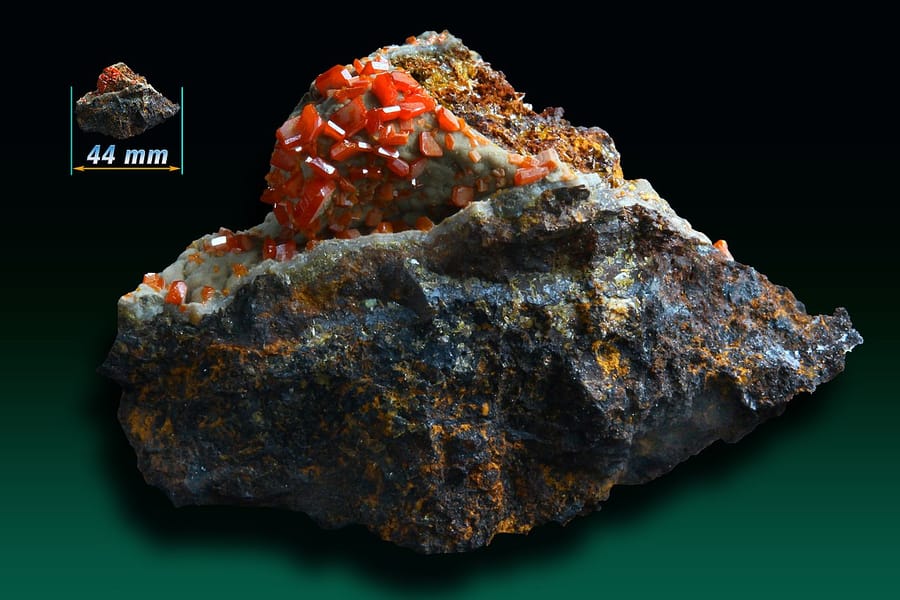
尖山:中国最高のモリブデン鉛鉱
乾燥した庫魯克塔格山脈(バインゴリン地区若羌県)にある尖山鉱山から、2008〜2009年に驚きがもたらされました:モリブデン鉛鉱です——紙のように薄く、四角形で、オレンジからバタースコッチ色の板状結晶で愛されるこの鉛のモリブデン酸塩は、19cmに達する標本として産出しました。最上級の標本は、中国が産出した最高のモリブデン鉛鉱として広く認められており、アリゾナやメキシコ産のクラシックな材料と比較されるほどです。アメリカ南西部の鉛鉱山を彩るのと同じ砂漠の酸化帯の化学作用が、ここではシルクロード規模で働きました。
アルタイ・ペグマタイト:アクアマリンの国
新疆は中国有数の宝石質ベリルの産地であり、アルタイ山脈の花崗岩ペグマタイトがその理由です。これらの粗粒で後期マグマ性の岩脈——パキスタンやブラジルの宝石鉱区と同じ地質学的な系統——は、澄んだ六角柱状のアクアマリンを産出し、さらに支持的なペグマタイトの顔ぶれ:電気石、ざくろ石、白雲母、長石の結晶を伴います。注目すべきベリルの産出は、ジュンガル盆地の縁や天山山脈にまで広がっています。伝説的な可可托海(コクトカイ)ペグマタイト鉱区は、数十年にわたり工業用ベリリウムとリチウムの供給源であり、この地区の科学的名声の礎となっています。
写真:Dmitry P、CC BY 2.0、Wikimedia Commons経由
世界の屋根のエメラルド
パキスタン国境近く、パミール高原の高地にあるタシュクルガン県のダフタルで、中国は独自のエメラルド産地を有しています——世界で最も辺鄙な収集地域の一つから産出する、母岩に埋め込まれた緑色ベリル結晶です。産出量は少なく不規則ですが、国別シリーズやベリル変種を集める収集家にとって、中国産エメラルドは物語を持つ真の稀少品です:古代シルクロードの交差点で、カラコルム山脈を望みながら採掘されています。
フロンティアの前提
新疆は、中国の鉱物学全体を貫く命題を体現しています:巨大な地質学的ポテンシャルと、ほとんど手つかずの標本回収です。ここでの鉱業は大規模かつ工業的であり、中国南部の結晶を守った手作業の小規模鉱山はまれです。市場に出る上質な新疆産標本の一つ一つが、認識と回収の小さな奇跡を表しています。
収集家のためのノート
尖山産モリブデン鉛鉱は、この種の基準に照らしても薄く壊れやすい——状態が価値を左右し、バックライト展示は透明度を際立たせます。アルタイ産アクアマリンは、透明度と形においてパキスタン産の材料と競合します。鋭く、ガラス質で、天然に終端した柱状結晶を優先してください。中国産エメラルドは宝石原石としてではなく稀少品として収集されます——宝石の基準ではなく、標本として(色、母岩の美観)判断してください。
---
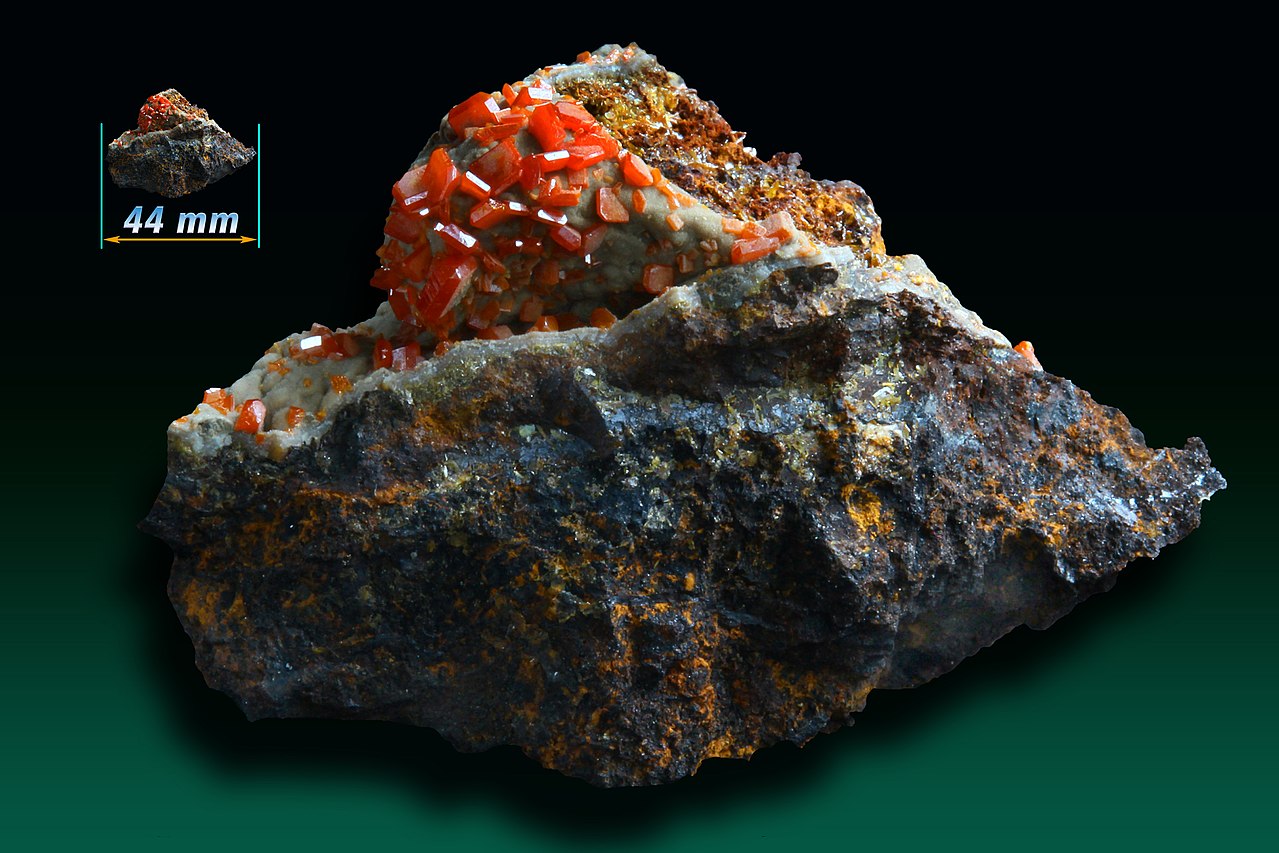
写真:Lech Darski、CC BY-SA 4.0、Wikimedia Commons経由
最近の動向(2026年時点)
新疆の目玉となる材料は依然として大部分がクラシックなものですが、新たな科学的関心を集めています。深紅色の尖山産モリブデン鉛鉱は2005〜2006年に遡り、2014年頃に後続の産出がありましたが、それ以降は何も報告されていません(「尖山」と、より広範な庫魯克塔格山脈との間で、産地表記についての議論が続いていることに留意してください)。アルタイ・可可托海のペグマタイトは、そのアクアマリンについて2022〜2025年にかけて活発な鉱物学的・宝石学的研究を引き寄せましたが、これは新しい標本の発見というよりも科学的なニュースです。ベリル収集家にとって最も注目すべき「古い参考文献以降の新しい」動向は別の場所にあります:2000年代半ばのダフタル産エメラルドの後、GIAは2025年に、陝西省鎮安の別の新しい中国産エメラルド産地について報告しました——中国の宝石鉱物の地図がまだ描かれている最中であることを思い起こさせます。
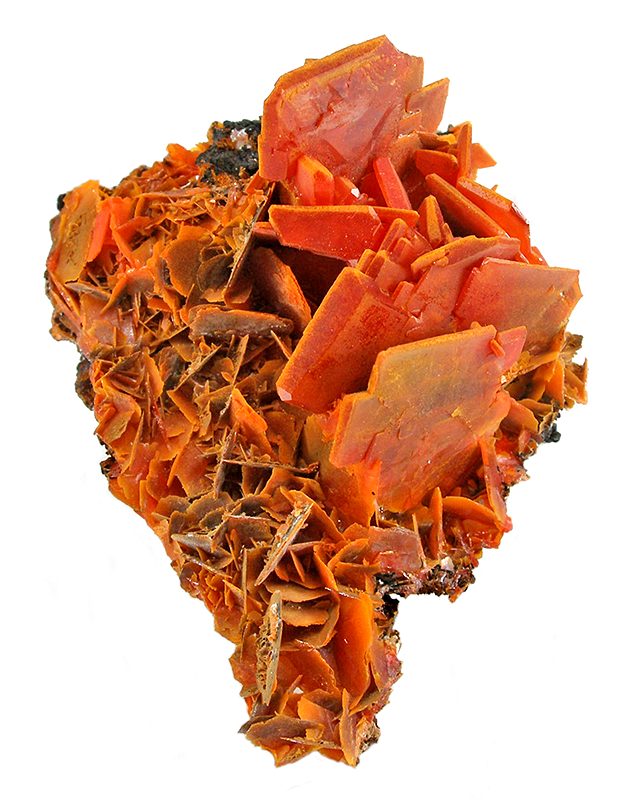
写真:Robert M. Lavinsky、CC BY-SA 3.0、Wikimedia Commons経由
出典とさらなる読書
本記事の事実的背景は、Liu, G., Lavinsky, R.M., Meieran, E.S., Schmitt, H.H., Moore, T.P. & Wilson, W.E.(2013年)『Crystalline Treasures: The Mineral Heritage of China』(The Mineralogical Record誌第44巻第1号の付録)、およびMyMineralBoxの産地に関する記録と標準的な鉱物学の参考文献に基づいています。最近の動向に関する事実は、上記パネルにリンクされた日付付きの出典から得ています。すべての文章はMyMineralBoxのオリジナルです。
ヒーロー画像:Lech Darskiによる写真、CC BY-SA 4.0、Wikimedia Commons経由。
よくあるご質問
尖山産モリブデン鉛鉱とは何ですか?
新疆の庫魯克塔格山脈にある尖山鉱山産の深紅・オレンジ色の板状モリブデン鉛鉱——この種において中国最高のもので、2005〜2006年のクラシックなポケットに由来し、2014年頃に後続の産出がありました。
中国はエメラルドを産出しますか?
はい、まれではありますが。エメラルドは新疆のダフタルと雲南の大丫口から産出し、2025年にGIAは陝西省鎮安の新しい中国産エメラルド産地について報告しました。