PROVINCE GUIDE

Yunnan Province: Tin, Sky-Blue Hemimorphite and Hidden Emeralds

Yunnan holds China's largest tin, lead, zinc and copper reserves — plus Ximeng cassiterite, Malipo hemimorphite, Dayakou emerald and 8-kg topaz.

Yunnan Province: Tin, Sky-Blue Hemimorphite and Hidden Emeralds

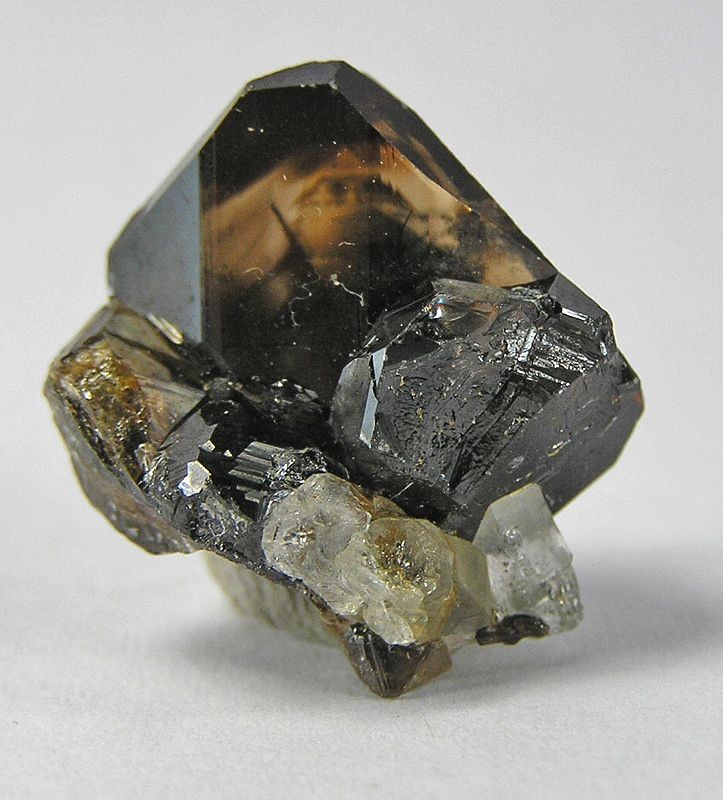
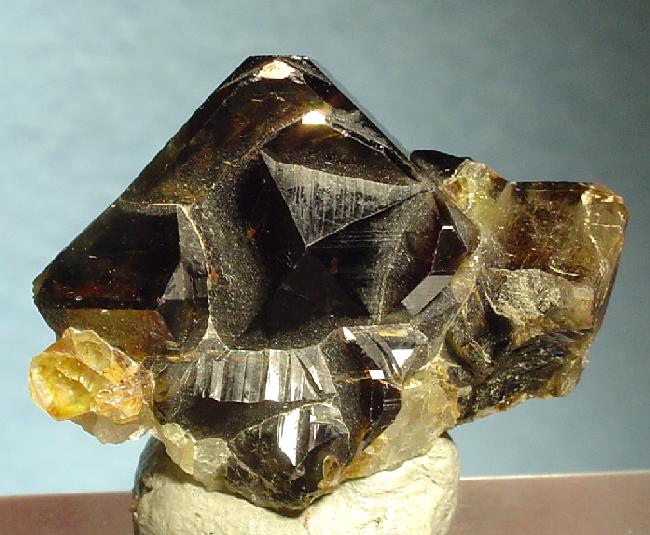
Ximeng: Cassiterite at Its Best

The Amo mine in Ximeng County, in the remote Wa hills near the Myanmar border, produces China's finest cassiterite — tin oxide in sharp, twinned crystals prized for brilliant adamantine luster, surprising translucency (rich red-browns glow in transmitted light) and size. Ximeng sits at the northern end of the Southeast Asian tin belt, the same metallogenic province that made Malaysia and Indonesia tin superpowers; its specimens stand comparison with the celebrated cassiterites of Bolivia.

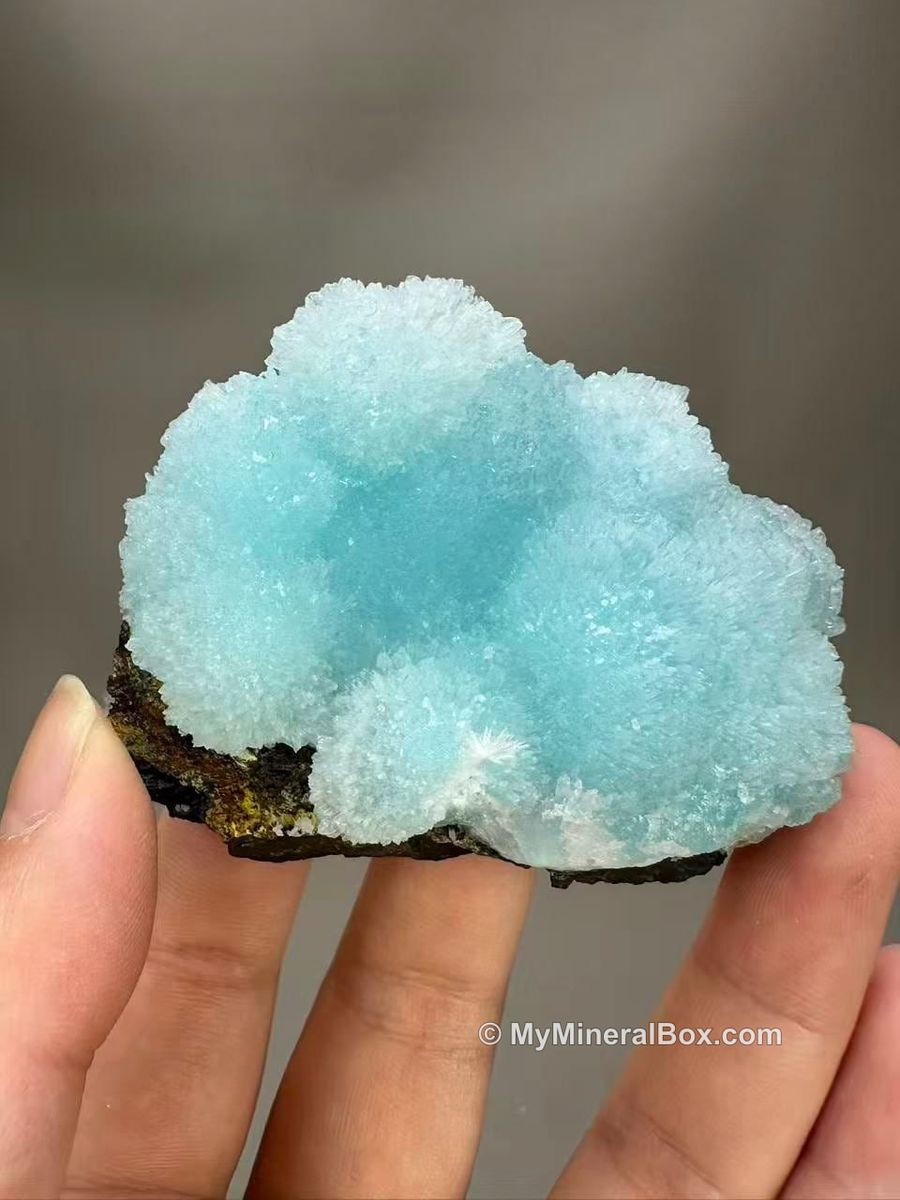
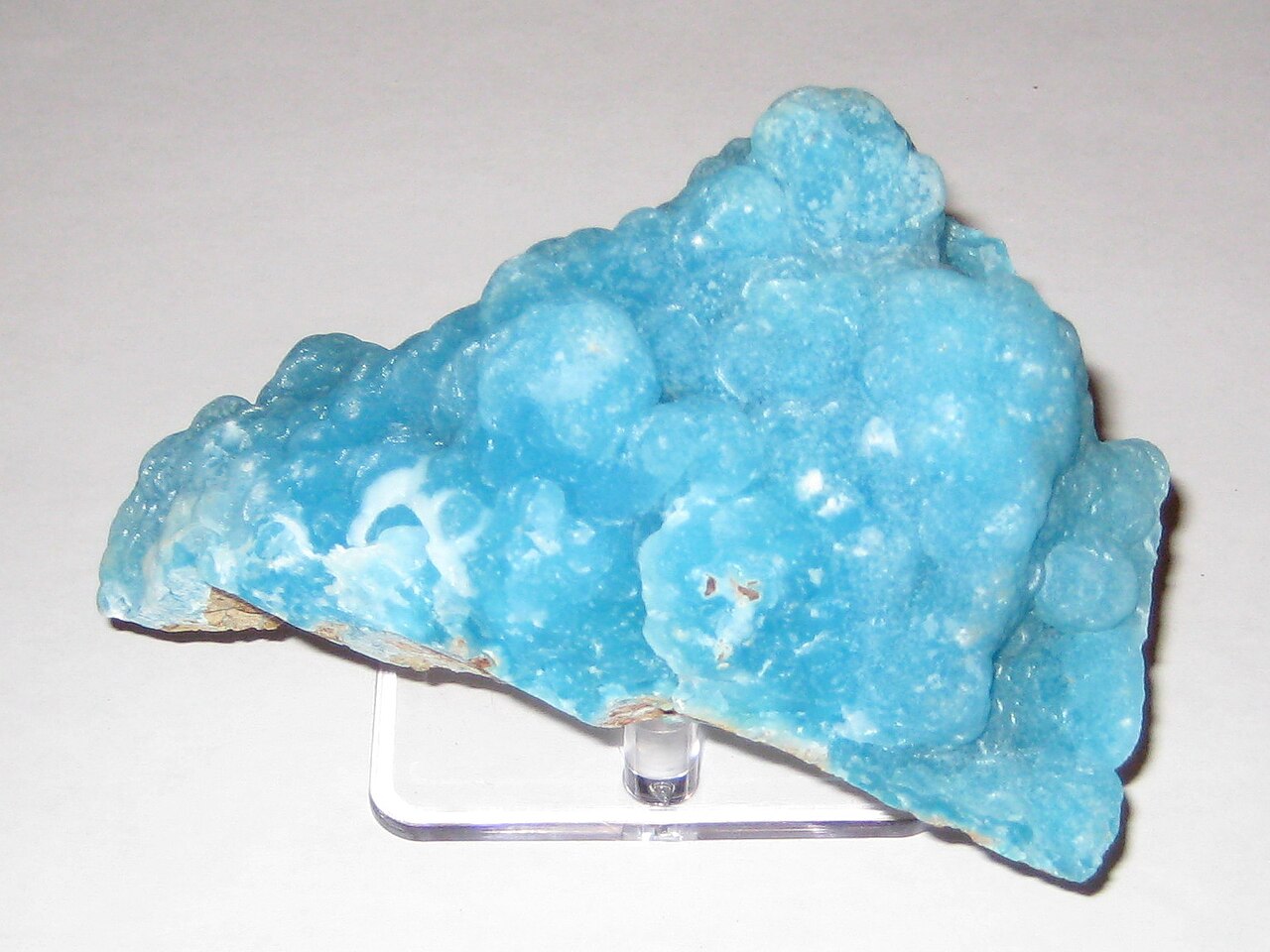
Malipo: Hemimorphite Like Caribbean Water

From the Malipo mine in Wenshan Prefecture comes one of China's most beautiful secondary minerals: hemimorphite — zinc silicate in botryoidal crusts and fans of a luminous sky-blue to blue-green, formed in the oxidized zone of lead-zinc deposits in karst country. Top Malipo hemimorphite is the world standard for the blue botryoidal style of the species, and its color needs no enhancement — a point worth making, since dyed imitations of blue minerals circulate in tourist markets.

The same Wenshan karst yields elegant cave calcites — stalactitic and bladed formations to 27 cm — bridging the aesthetic worlds of mineral specimens and viewing stones.

Yunnan mineral specimen, China

Photo: Stephanie Clifford from Arlington, VA, USA, CC BY 2.0, via Wikimedia Commons

Dayakou: China's Emerald

The Dayakou occurrence in Malipo County produces genuine emerald in matrix — vanadium-and-chromium-colored green beryl from quartz veins cutting metamorphic rock. Finds around 2011 brought crystals to nearly 10 cm in matrix. Chinese emerald remains a specialist rarity, and Dayakou is its flagship locality alongside remote Daftar in Xinjiang.

The Gaoligong Pegmatites: Giant Topaz

The pegmatites along the Nu River (Salween) in the Gaoligong Mountains — the tectonic suture zone itself, where crustal blocks weld together — have produced enormous topaz crystals, including individuals over 20 cm weighing eight kilograms, along with aquamarine (fine blue crystals with smoky quartz have come from the Dali area) and other pegmatite species. These mountains belong to the Himalayan collision zone, and virtually all their gem minerals date from that ongoing mountain-building event.

And More

Yunnan's roster runs deep: prehnite, scheelite from Weishan, secondary lead-zinc minerals across Honghe and Yuanyang, volcanic obsidians and agates around the Tengchong volcanic field. Only a fraction of the province's localities are widely known — Yunnan is a place where the specimen map is still being drawn.

Yunnan mineral specimen, China

Photo: Robert M. Lavinsky, CC BY-SA 3.0, via Wikimedia Commons

Collector's Notes

Cassiterite: luster and twin sharpness rule; check for repaired contacts on large crystals. Hemimorphite: the botryoidal crust is fragile — inspect for crushed or flaked areas, and confirm natural color (Malipo blue is even and slightly translucent, never chalky-bright). Emerald in matrix: judge as a specimen; a well-placed, well-colored crystal on clean matrix beats a bigger but muddy one.

---

Recent Developments (as of 2026)

Yunnan's gem minerals have attracted a wave of recent gemological study. GIA published a trace-element and gemological analysis of the Ximeng (Amo) cassiterite in 2024; the finest gemmy sixling twins are now largely depleted and command high prices. The Dayakou occurrence near Malipo is notable as China's only actively mined commercial emerald deposit — a vanadium-dominant source characterized by GIA in 2019 — and continues to yield both crystal specimens and carving rough. The Gaoligong / Nu River pegmatites remain China's best source of large aquamarine, with crystals reported to around 50 cm and topaz to eight kilograms, and new pegmatite species continue to be documented there.

Yunnan mineral specimen, China

Photo: Robert M. Lavinsky, CC BY-SA 3.0, via Wikimedia Commons

Sources and further reading

Factual background for this article draws on Liu, G., Lavinsky, R.M., Meieran, E.S., Schmitt, H.H., Moore, T.P. & Wilson, W.E. (2013), Crystalline Treasures: The Mineral Heritage of China, a supplement to The Mineralogical Record vol. 44 no. 1, together with MyMineralBox locality notes and standard mineralogical references. Recent-developments facts are drawn from the dated sources linked in the panel above. All text is original to MyMineralBox.

よくあるご質問

What is Yunnan Province known for in minerals?

Yunnan holds China's largest tin, lead, zinc and copper reserves and produces Ximeng (Amo) cassiterite, sky-blue Malipo hemimorphite, Dayakou emerald, and giant Gaoligong-region aquamarine and topaz.

What is special about Ximeng cassiterite?

The Amo mine at Ximeng produces gemmy, brilliantly lustrous twinned cassiterite that rivals Bolivia's best. GIA published a gemological study of it in 2024; the finest pieces are now largely depleted and command high prices.

関連する標本