石膏
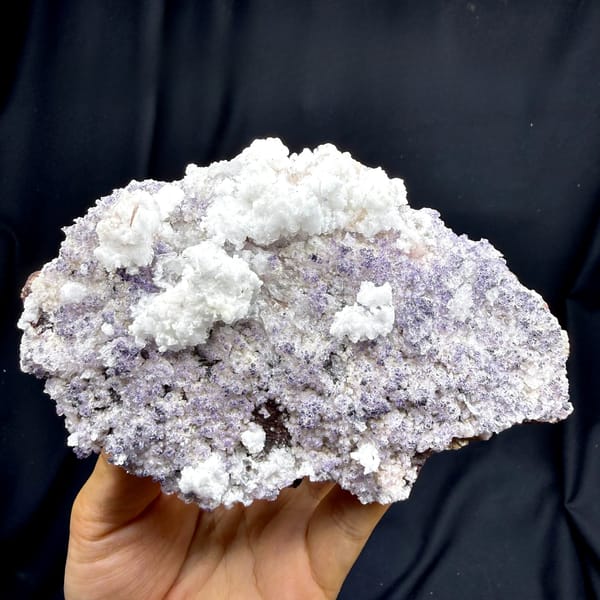
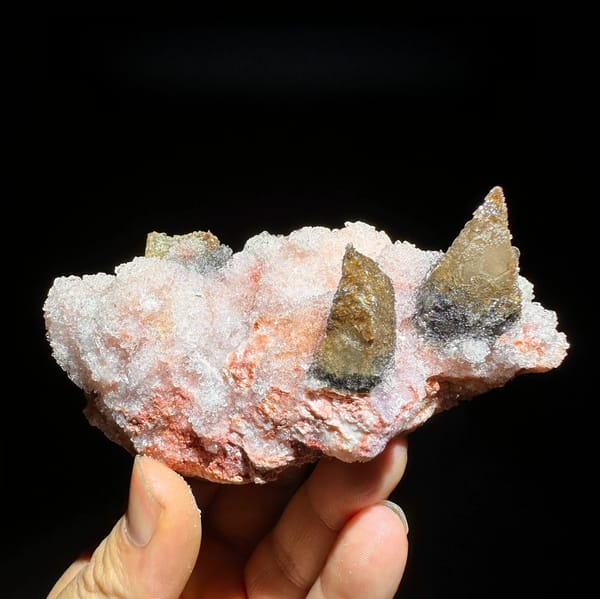
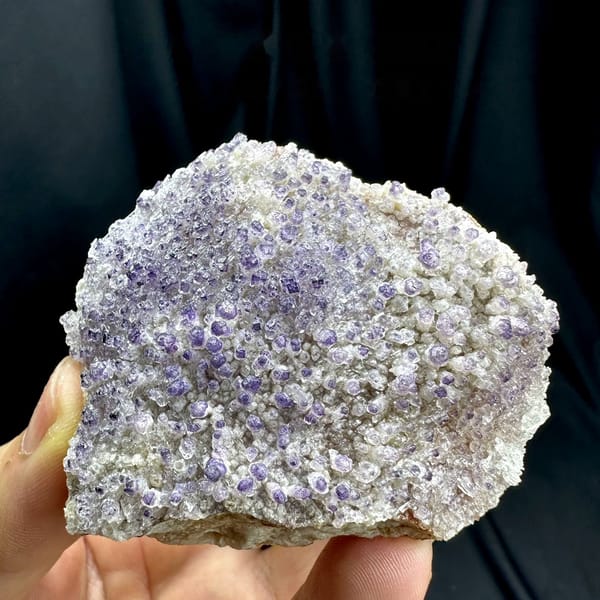
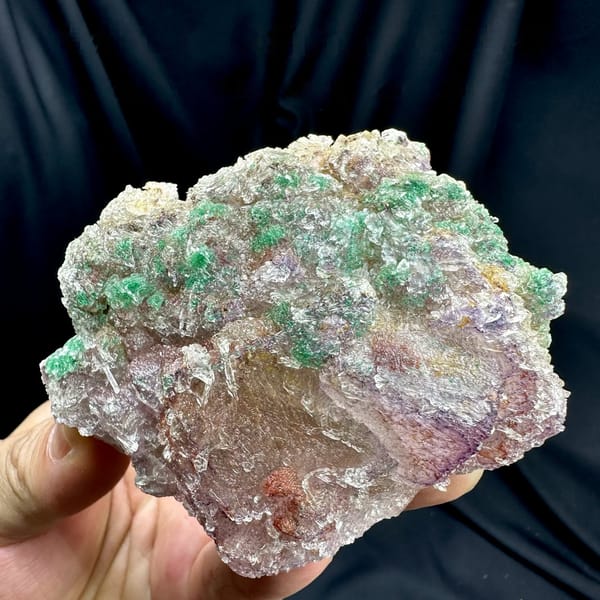
Gypsum is a sulfate mineral prized by collectors for its exceptional color range, with several world-class Chinese localities.
基本資料
| 化學式 | CaSO₄·2H₂O |
|---|---|
| IMA 代號 | Gp |
| 施特龍茨分類 | 7.CD |
| 晶系 | 單斜晶系 |
| 點群 | 2/m |
| 稀有度 | 常見 |
| 收藏級別 | 適合陳列 |
| 模式產地 | (ancient — Greek "gypsos"), Worldwide |
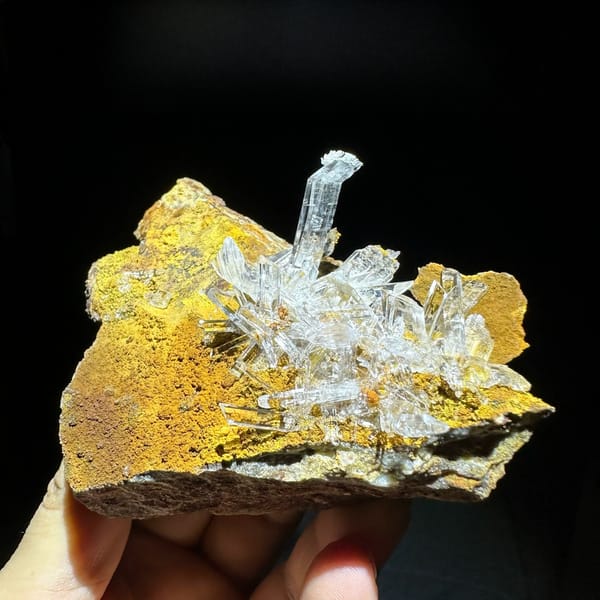
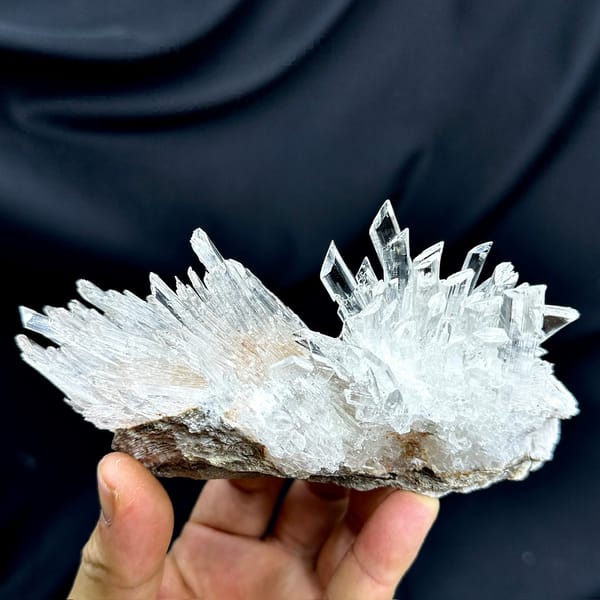
Gypsum is the Mohs-2 reference mineral and one of the most varied collector species. Its varieties span from the world's largest crystals (Naica selenite, 11+ meters) through the silky satin spar of stalactite caverns to the desert-rose rosettes of arid sand floors. Gypsum defines the second step of the Mohs hardness scale and dissolves slowly in water, producing some of the most fragile yet visually arresting display specimens.
Notable varieties
- Selenite (transparent crystals; the Naica giants)
- Satin spar (silky fibrous; cave deposits)
- Alabaster (massive granular; carving stone)
- Desert rose (rosette intergrowths in sand)
- Swallowtail twins (V-shaped contact twins)
The Chinese angle
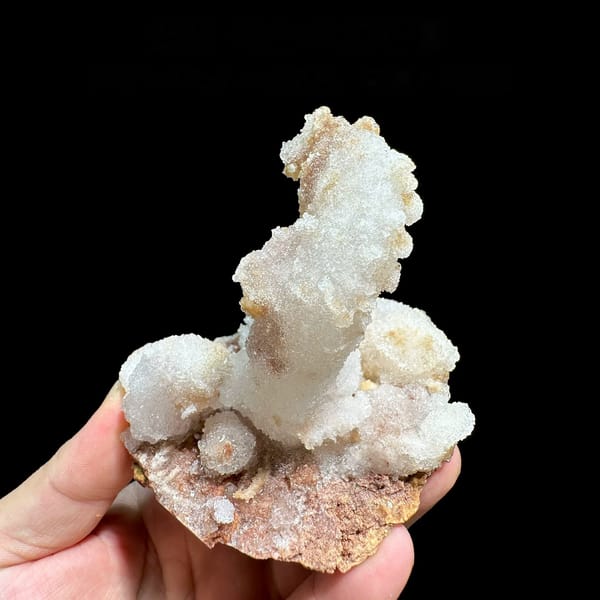
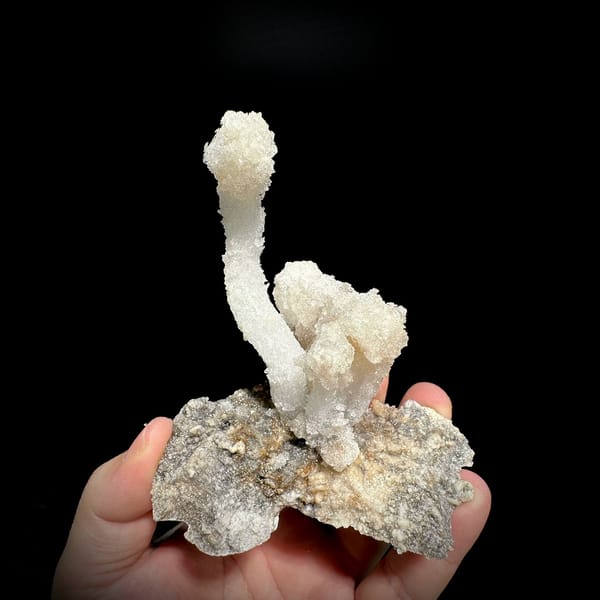
Chinese gypsum is industrially significant (Hunan, Hubei, Inner Mongolia) but specimen-grade material reaches the international market sporadically. Xinjiang produces some satin spar and selenite blades; Hunan stalactite caves yield occasional botryoidal satin spar. Most collector gypsum still flows from Mexico, Pakistan, Morocco, and the United States.