白雲石
Dolomite is a carbonate mineral prized by collectors for its exceptional color range, with several world-class Chinese localities.
基本資料
| 化學式 | CaMg(CO3)2 |
|---|---|
| IMA 代號 | Dol |
| 施特龍茨分類 | 5.AB |
| 晶系 | 三方晶系 |
| 點群 | -3 |
| 模式產地 | Dolomite Mountains, Italy |
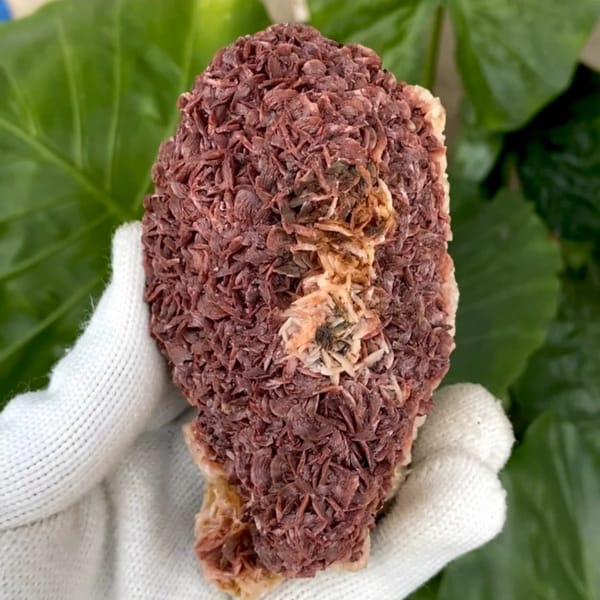
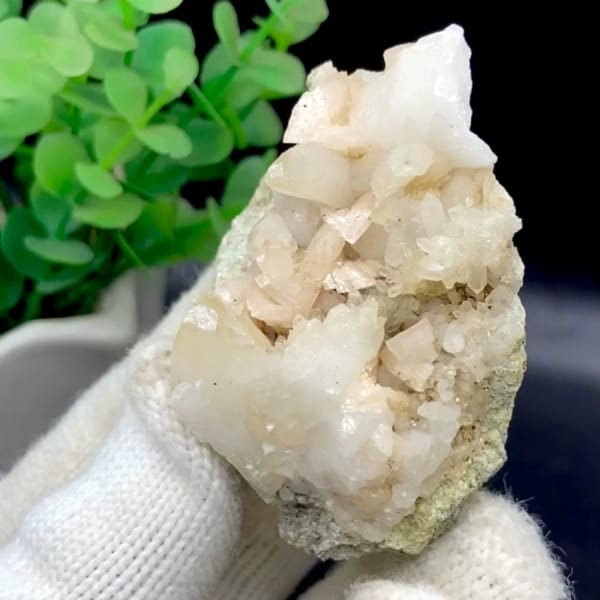
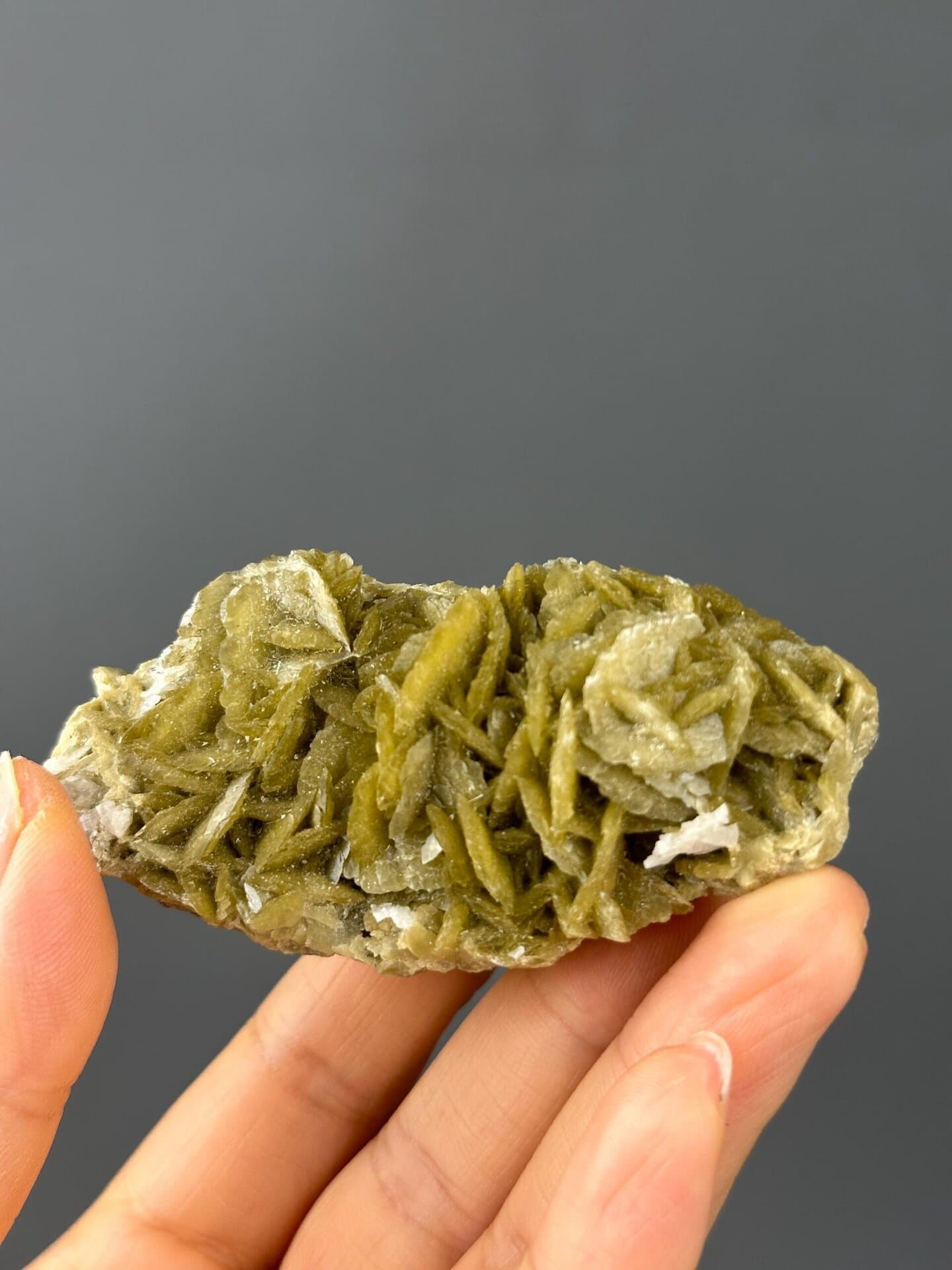
Dolomite is both a rock-forming mineral and the name of the rock it builds. As a mineral it is a calcium-magnesium carbonate that crystallises as rhombohedra, frequently with gently curved, 'saddle-shaped' faces and a soft pearly to vitreous lustre in white, cream, grey or an attractive pink.
Identifying dolomite
Dolomite is moderately soft (3.5–4) with perfect rhombohedral cleavage. It resembles calcite but reacts only slowly with cold dilute acid (calcite fizzes vigorously), and its crystals often show the distinctive curved, saddle-like form. It occurs in dolostone, in hydrothermal veins, and as a gangue mineral lining vugs in ore deposits.
Where it is found
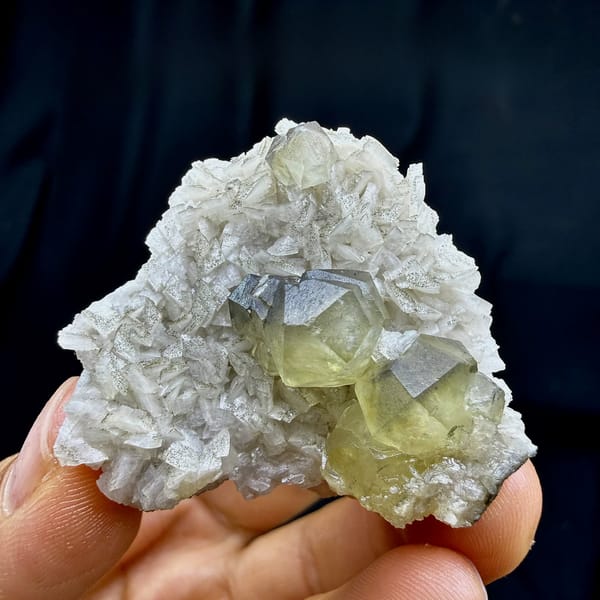
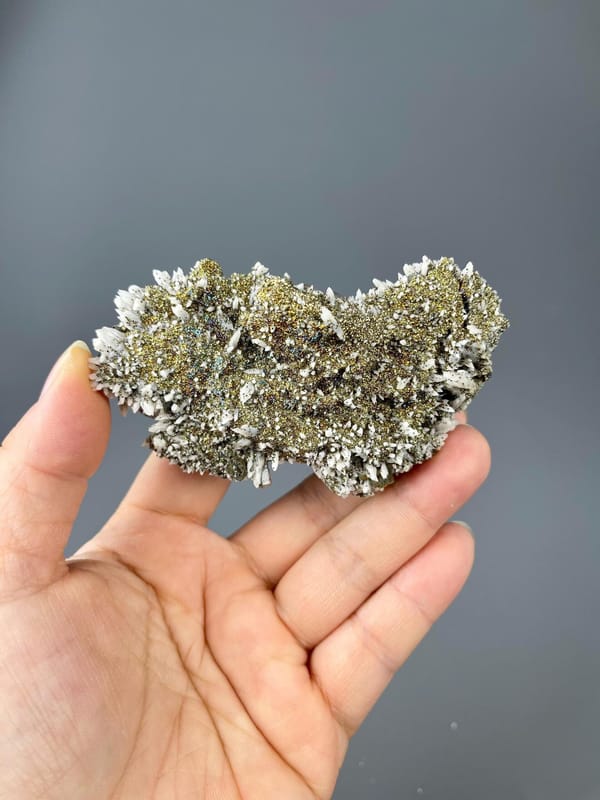
Dolomite is extremely widespread. Crystallised collector specimens come from Spain (Eugui), Brazil, Mexico and the Tri-State district of the United States. In China, dolomite is common in the carbonate-hosted lead-zinc and other ore districts, where pink or white rhombs frequently accompany sphalerite, galena, fluorite and quartz.
What collectors look for
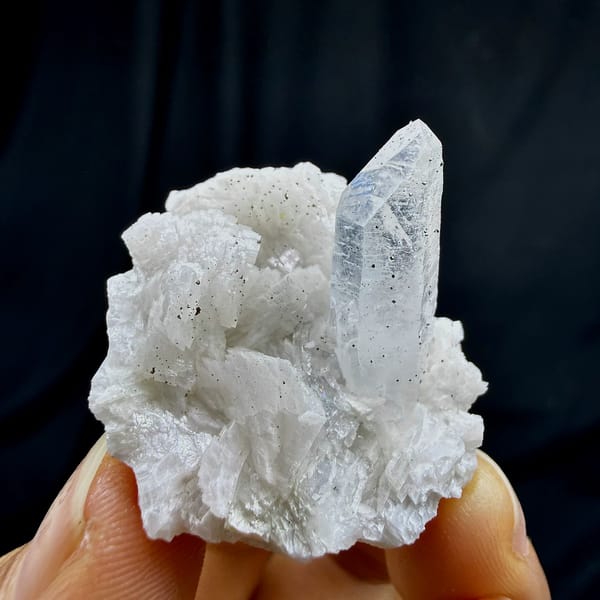
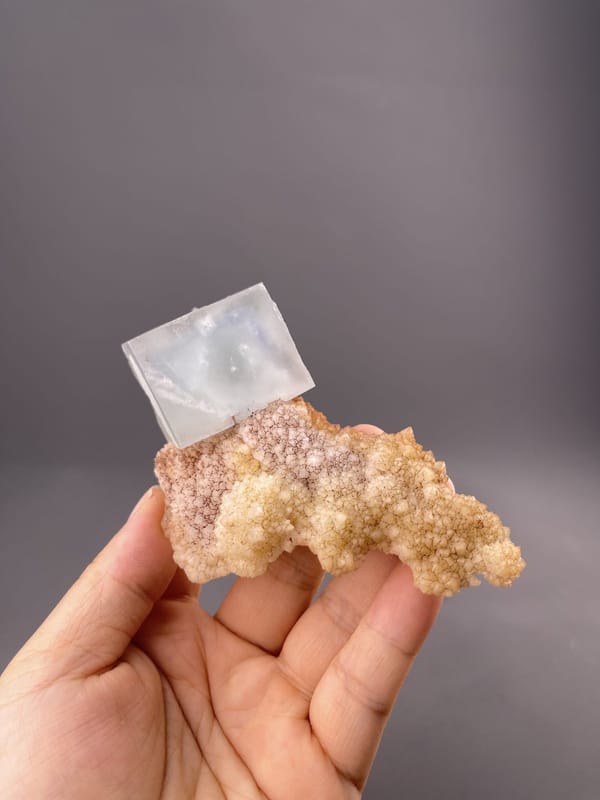
Lustrous, well-formed rhombs — especially gemmy pink ones or sharp white crystals perched on a contrasting matrix — are the most desirable. Aesthetic combinations with sulfides or fluorite add value.