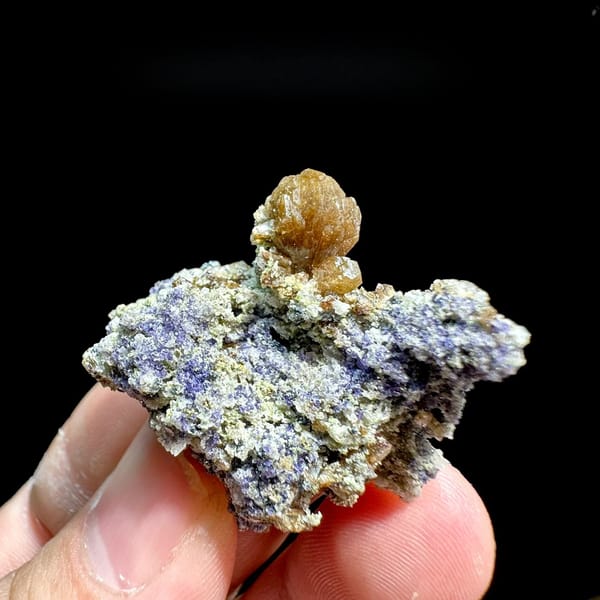
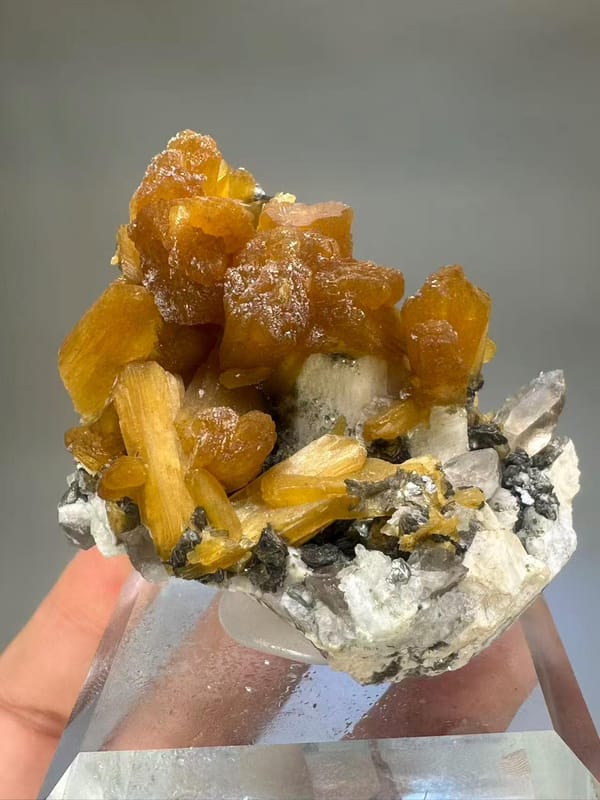
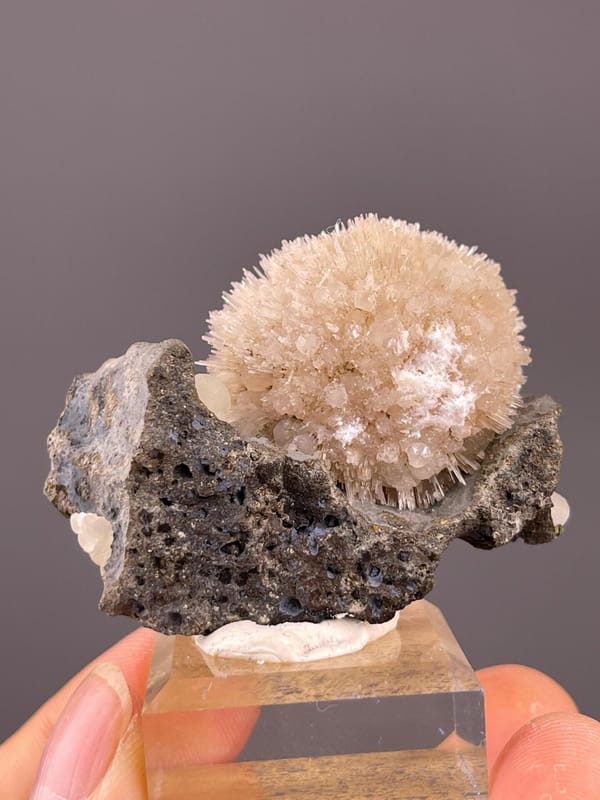
束沸石
Stilbite is a silicate mineral prized by collectors for its exceptional color range.
基本資料
| 化學式 | NaCa4(Si27Al9)O72·28H2O |
|---|---|
| 晶系 | 單斜晶系 |
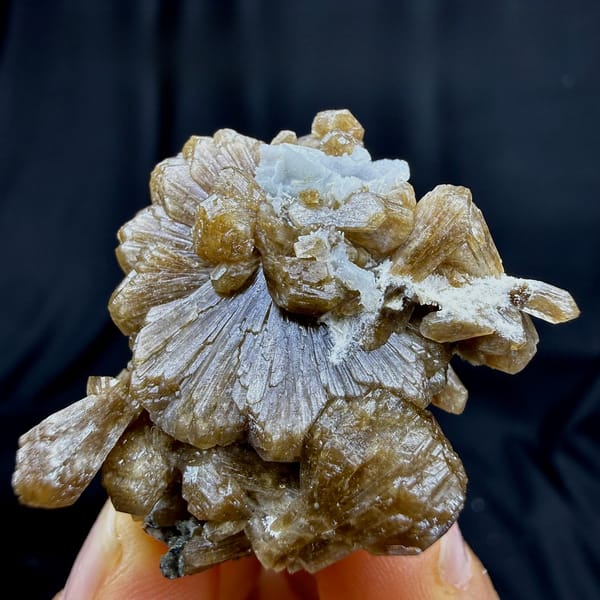
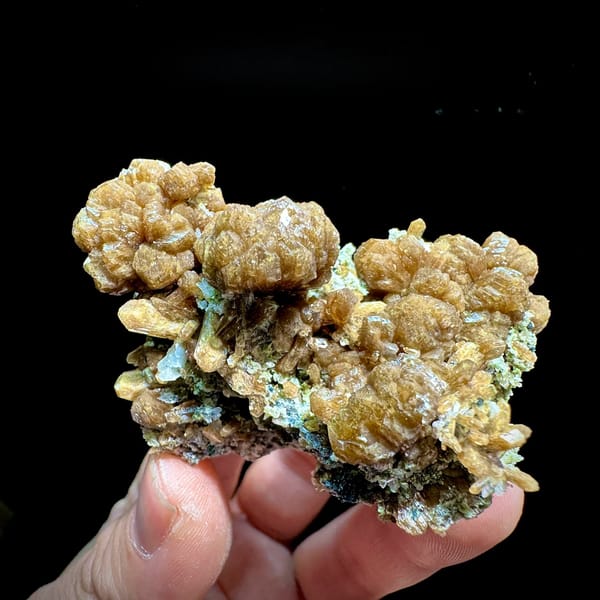
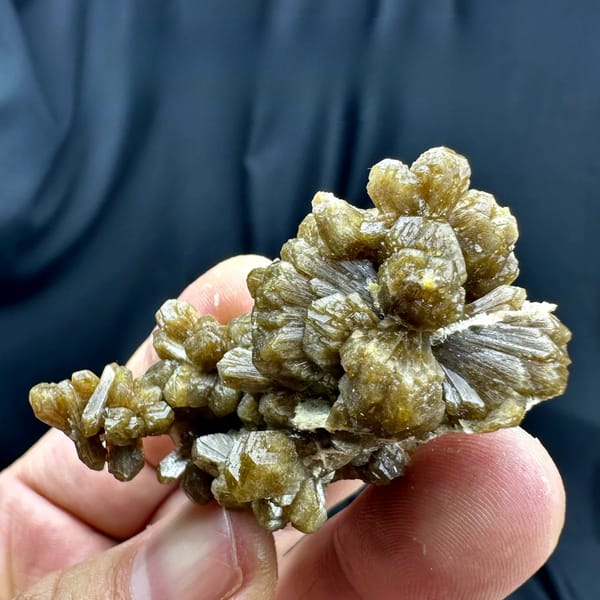
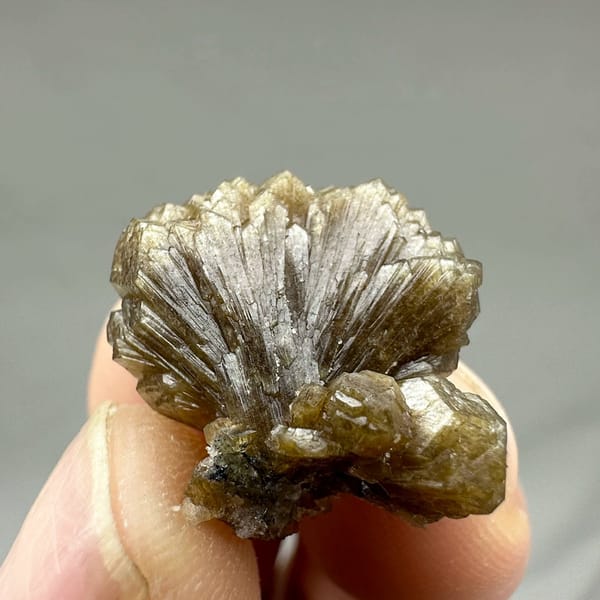
Stilbite is a hydrated calcium-sodium aluminosilicate of the zeolite group. It is best known for its distinctive habit — thin tabular crystals that fan out into sheaves and bow-tie or wheatsheaf bundles — and for the warm salmon, peach and cream colours that make it a favourite display zeolite.
Identifying stilbite
Look for the characteristic sheaf or bow-tie aggregates, a pearly to vitreous lustre, and a relatively low hardness (3.5–4). Stilbite forms in the vesicles (gas bubbles) of basalt and other volcanic rocks, typically with heulandite, apophyllite, and various other zeolites that crystallised from low-temperature fluids percolating through the lava.
Where it is found
Noted stilbite specimens come from the Deccan Trap basalts of Maharashtra, India, where huge salmon-pink sheaves occur with green apophyllite and white zeolites. Other notable sources include Iceland, the Faroe Islands, Scotland, and the basalt flows of the north-western United States. In China, zeolites including stilbite occur in several basaltic and volcanic terranes.
What collectors look for
Salmon to peach bow-tie sprays with a bright pearly lustre are the prize, and stilbite is especially valued in combination pieces with contrasting apophyllite or heulandite. Size, colour saturation and undamaged crystal tips drive value.