香花嶺礦
Hunan, China
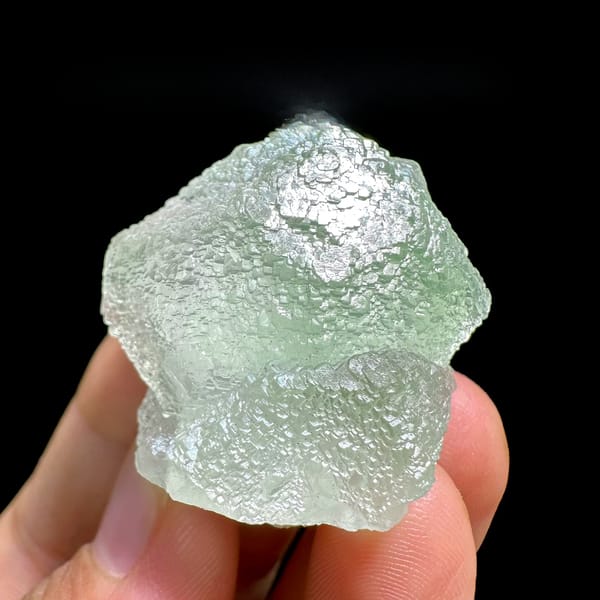
湖南香花嶺錫多金屬礦田——世界級的綠色八面體螢石產地,並以階梯狀的『蘑菇形』螢石生長構造聞名。
Xianghualing — world-class green and "mushroom-form" fluorite
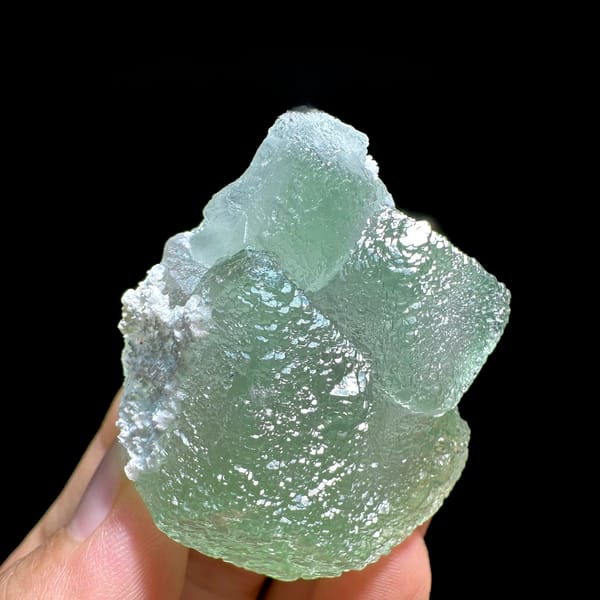
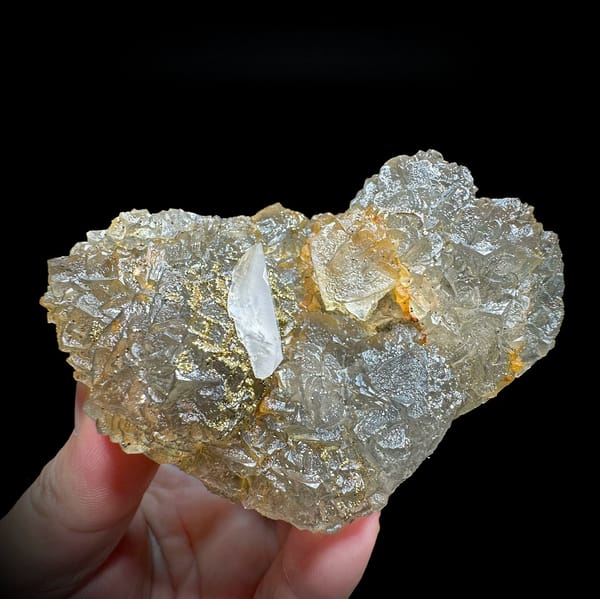
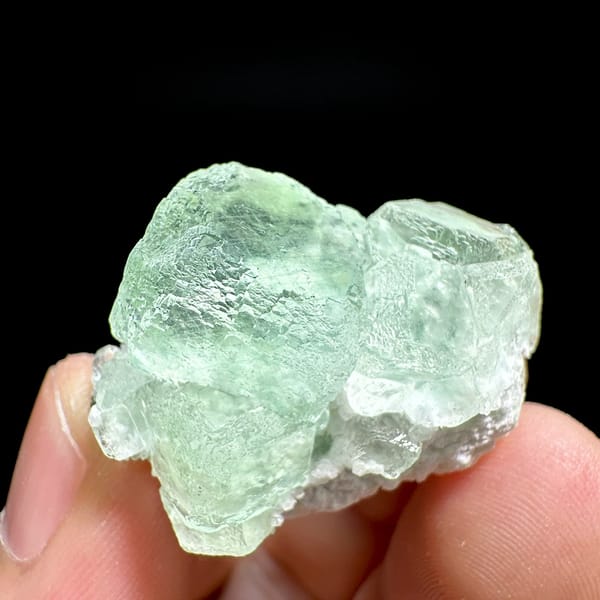
The Xianghualing Sn-polymetallic ore field in Hunan Province is among the world's most distinguished fluorite localities. The mine is internationally recognized for green octahedral fluorite, color-zoned cubic crystals, and the distinctive "mushroom-form" stepped fluorite growths that have become a Xianghualing signature.
Geological setting
Xianghualing is a Sn-W-polymetallic skarn-greisen deposit at the contact between Late Mesozoic granitic intrusions and Paleozoic carbonate host rocks. The fluorite formed during late-stage hydrothermal activity, with multiple temperature regimes producing both sharp octahedral and stepped cubic habits in the same vein system.
What Xianghualing is known for
- Green octahedral fluorite (the classic locality style)
- "Mushroom-form" stepped cubic fluorite
- Transparent colorless and sky-blue fluorite cubes
- Color-zoned and leopard-pattern fluorite
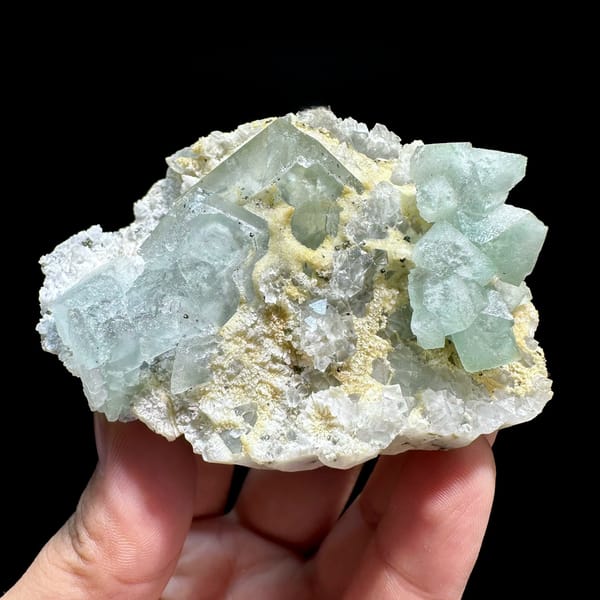
- Fluorite + cassiterite + quartz combinations
Typical specimen style
Octahedral crystals are usually saturated green; cubic crystals can range from colorless through sky-blue and purple. "Mushroom-form" specimens show characteristic stair-stepped overgrowth on a central cube — visually unmistakable once you've seen one.
Collector value
Production peaked from the late 1990s through the 2010s. Mushroom-form specimens and large transparent cubes are now considerably more difficult to source at original-pocket quality. Color saturation, crystal sharpness, and freedom from cleavage damage drive value.
From our inventory
Browse Xianghualing specimens or jump to our fluorite buying guide.
The Xianghualing ore field: one name, many workings
“Xianghualing” on a specimen label is shorthand for an entire Sn-polymetallic ore field, not a single shaft. The district includes multiple named workings — collectors will most often see the Taiping Mine on better-documented labels, along with numbered Xianghualing operations. Taiping-labeled pieces belong to the same geological system and show the same signature styles; a more specific label generally signals a better-documented specimen, which serious collectors reward. When we can trace a piece to a specific working, we say so on the listing.
Fluorite on quartz: the signature combination
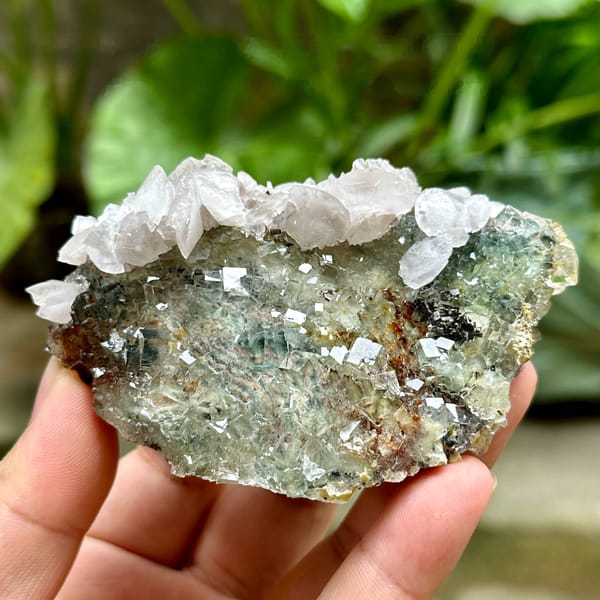
The pairing that defines the locality in the market is transparent-to-green fluorite perched on sparkling quartz. The quartz does two jobs: it dates the pocket sequence (fluorite crystallized late, over earlier quartz linings) and it makes the presentation — a green octahedron floating on white crystal points is the Xianghualing look that photographs travel on. When judging fluorite-on-quartz pieces, check the contact zone: the fluorite should grow from the quartz bed, not sit beside it, and the quartz points should be undamaged — they chip far more visibly than the fluorite.
Under UV light: Xianghualing after dark
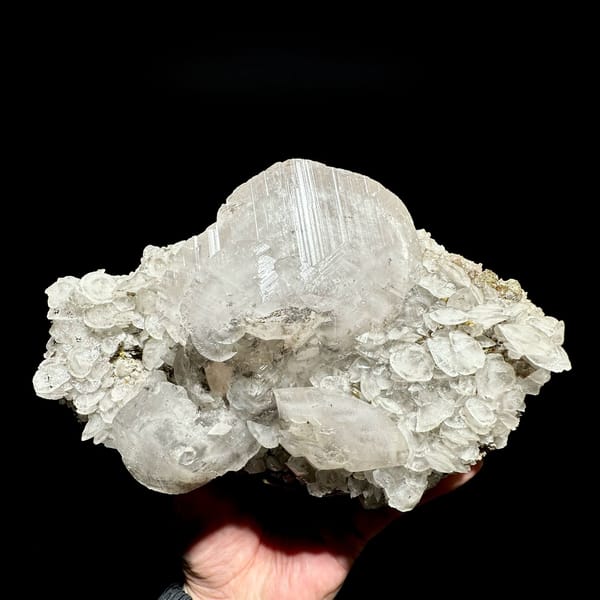
Xianghualing has a second identity that daylight never shows. Under shortwave UV, this single district lights up in more colors than most entire mineral shows: calcite in vivid orange to deep pink, scheelite in classic bright blue-white, wollastonite in strong yellow, gibbsite in green, and the lithium mineral eucryptite in glowing red. Field collectors have long carried UV lamps here for exactly this reason, and mixed-species Xianghualing pieces can be bought once and enjoyed twice — as a daylight display specimen and as a fluorescent one. Some of our Xianghualing fluorite also responds to UV; where a piece fluoresces, the listing says so.
From Our Sources
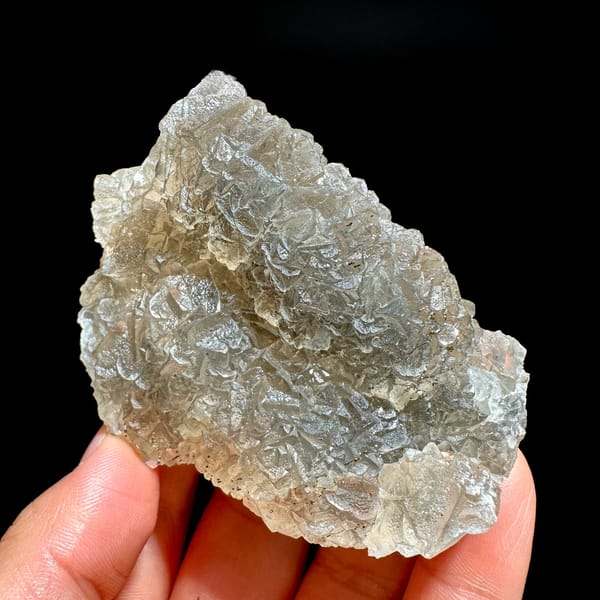
Xianghualing produces three distinct looks that get confused with each other: green octahedral fluorite, colour-zoned cubic crystals, and the stepped "mushroom-form" growths that are a locality signature. We label which one a piece is rather than calling everything "green fluorite", because they are not interchangeable and collectors buy them for different reasons.
All natural, untreated material, photographed as the exact specimen. Cassiterite and other ore-field associates are named on the label when present, since on a Sn-polymetallic locality the associates are part of what identifies the piece.