
GUIDE DE LA PROVINCE
Province du Hubei : le pays de la calcite aux racines de l'âge du bronze
La mine de Fengjiashan, au Hubei, produit la meilleure calcite de Chine et une inésite de classe mondiale, à côté d'exploitations cuprifères vieilles de 3 000 ans. Le guide du collectionneur pour Daye.
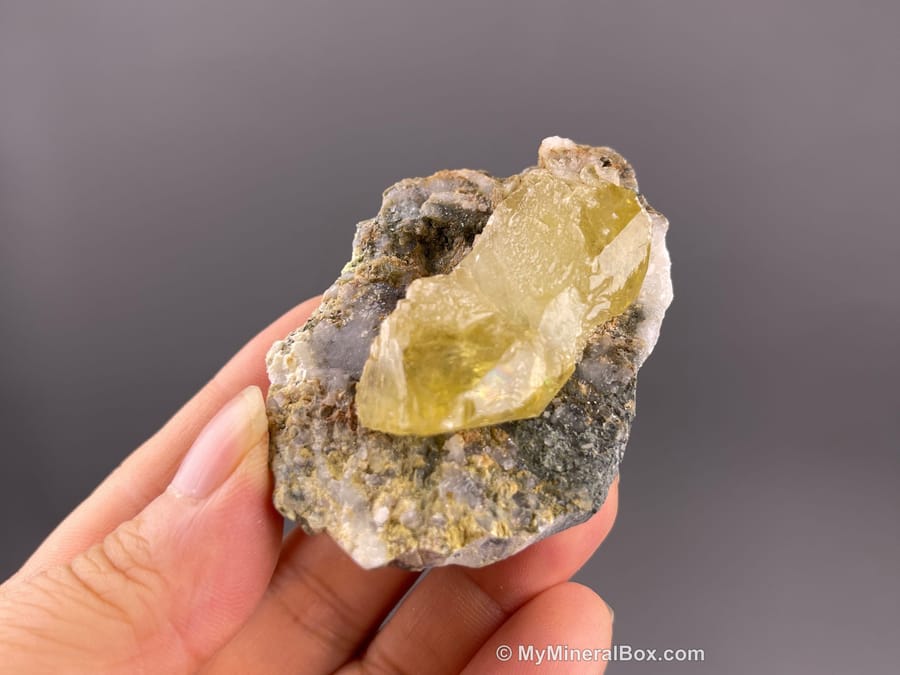
Tonglushan : là où l'exploitation minière chinoise a commencé
Découverte par des archéologues en 1973, la mine de Tonglushan, sur le « mont Vert-de-gris », conserve des puits, tranchées et fours de fonte vieux de 3 000 ans — l'une des plus anciennes mines de cuivre au monde, exploitée du XIe siècle av. J.-C. jusqu'à la dynastie Han. Les anciens exploitaient la riche zone oxydée du gisement ; leurs successeurs modernes exploitent une mine à ciel ouvert juste à côté, qui livre encore du cuivre natif, de la chalcopyrite, de l'azurite, de la malachite et de la calcite. Posséder un spécimen du district de Daye, c'est posséder la continuation de la plus longue histoire minière de la planète.
Fengjiashan : la classe magistrale de la calcite chinoise
La mine de Fengjiashan (comté de Daye, préfecture de Huangshi) est un gisement de skarn cuivre-fer dont les cavités produisent ce que beaucoup considèrent comme la plus belle calcite de Chine. La variété est remarquable — scalénoèdres aigus (« dents de chien »), rhomboèdres épais, empilements en jetons de poker et macles — souvent limpides comme de l'eau, souvent perchés sur une gangue contrastante. La poche célèbre de 2008 a produit un cristal unique, intensément coloré (sa teinte étant attribuée à des traces de manganèse), devenu l'une des icônes de la calcite chinoise.
Les seconds rôles de Fengjiashan l'élèvent encore davantage :
Inésite. Gerbes et nœuds rose-pâle de ce rare silicate de manganèse, sur gangue blanche, provenant de découvertes autour de 2000-2005 — parmi les plus belles inésites jamais récoltées où que ce soit.
Quartz macle du Japon. Élégants macles en V aplaties de quartz, parfois accompagnées de cristaux de pyrite couleur laiton.
Hubéite. Une note scientifique moderne : l'espèce hubéite, un rare sorosilicate de calcium et de fer, a été décrite pour la première fois en 2002 dans ce district même et nommée d'après la province — l'un des nouveaux minéraux que la Chine a offerts à la science.
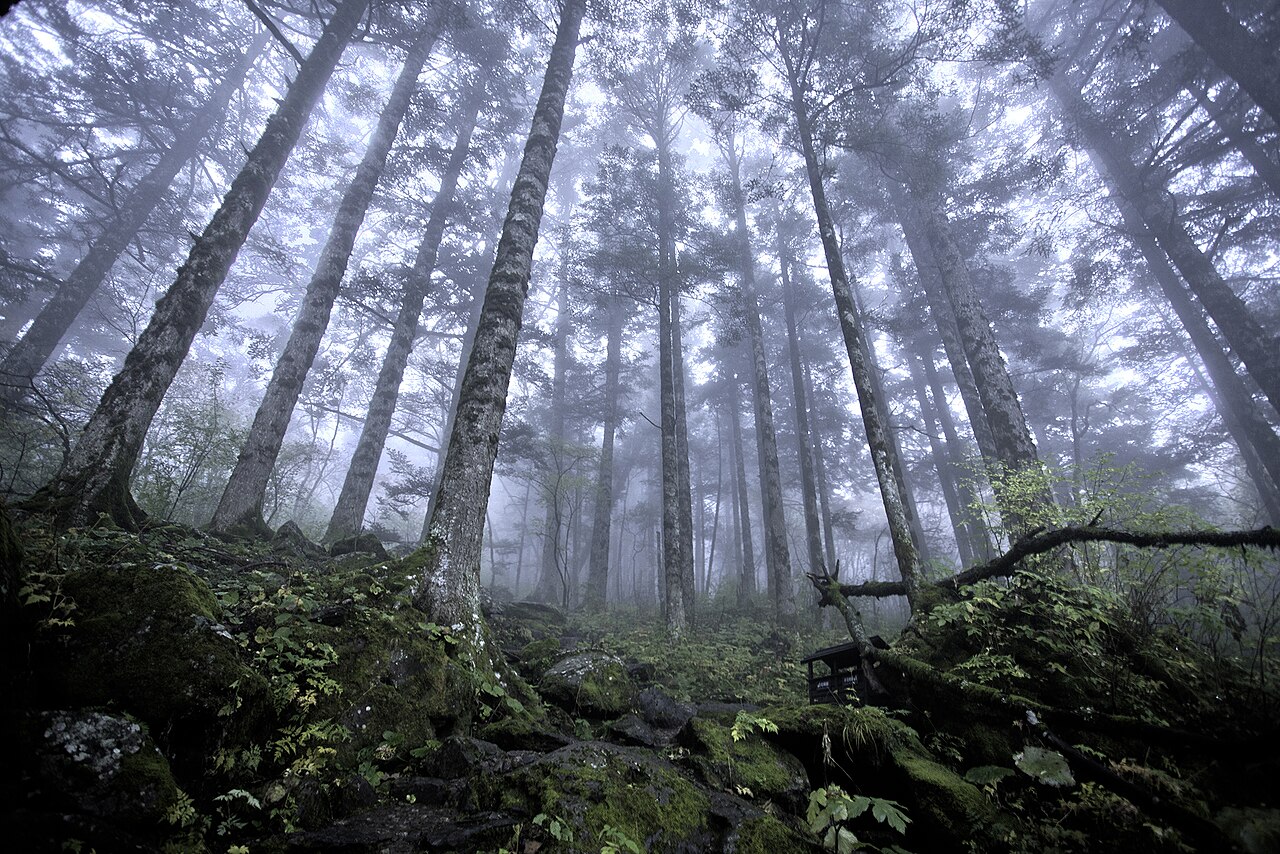
Photo : Evilbish, CC BY-SA 3.0, via Wikimedia Commons
Améthyste de Shennongjia
Depuis le district forestier brumeux de Shennongjia — mieux connu à l'international pour sa réserve naturelle et son légendaire « homme sauvage » —, le gisement cuprifère de Guanmenshan a produit vers 2008 de grands groupes d'améthyste atteignant 40 cm, un chapitre violet inattendu pour une province définie par la minéralogie carbonatée.
Notes du collectionneur
La calcite du Hubei se distingue par sa forme, sa transparence et ses associations plutôt que par une couleur voyante, ce qui maintient des prix raisonnables au regard de la qualité — un excellent point d'entrée pour bâtir une collection sérieuse de Chine. L'inésite est la pépite méconnue : rare dans le monde entier, sous-évaluée par rapport à sa rareté, et fortement identifiée à ce district chinois unique. Vérifiez soigneusement les terminaisons de la calcite (les meurtrissures de clivage sont fréquentes) et privilégiez les pièces dont la date de la poche est documentée, lorsque disponible.
---
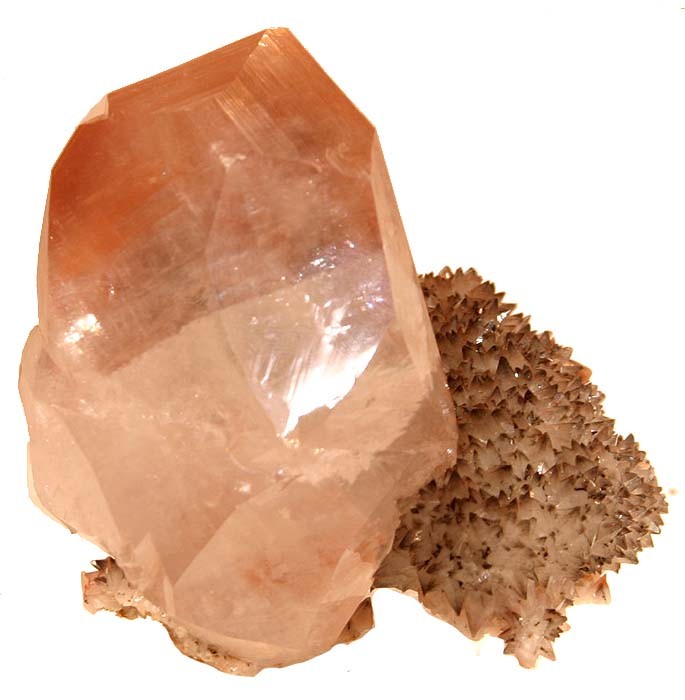
Photo : Robert M. Lavinsky, CC BY-SA 3.0, via Wikimedia Commons
Développements récents (en 2026)
Fengjiashan est passée à une production intermittente. Le matériel récent se concentre sur la calcite maclée « étoile Mercedes » et les combinaisons calcite-sur-améthyste plutôt que sur les rosettes d'inésite classiques du début des années 2000, désormais pratiquement introuvables et se négociant à forte prime — bien que la mine livre encore sporadiquement l'association silicatée caractéristique, avec de nouvelles pièces d'inésite et d'apophyllite sur hubéite apparues vers 2023. Le quartz maclé du Japon issu de la mine continue d'atteindre les enchères. Les anciennes exploitations de Tonglushan sont désormais cataloguées comme un gisement à part et produisent toujours de l'azurite et de la malachite depuis la zone d'oxydation jusqu'en 2024, bien que les poches de célestine aient, semble-t-il, été épuisées vers 2021.
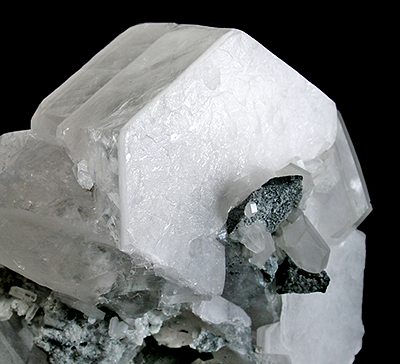
Photo : Robert M. Lavinsky, CC BY-SA 3.0, via Wikimedia Commons
Sources et lectures complémentaires
Le contexte factuel de cet article s'appuie sur Liu, G., Lavinsky, R.M., Meieran, E.S., Schmitt, H.H., Moore, T.P. & Wilson, W.E. (2013), Crystalline Treasures: The Mineral Heritage of China, un supplément à The Mineralogical Record, vol. 44, n° 1, ainsi que sur les notes de localité de MyMineralBox et les références minéralogiques standard. Les faits relatifs aux développements récents proviennent des sources datées liées dans l'encadré ci-dessus. L'ensemble du texte est original à MyMineralBox.
Questions fréquentes
Pour quoi la province du Hubei est-elle connue en minéralogie ?
Le district de Daye — en particulier la mine de Fengjiashan — produit la plus belle calcite de Chine (scalénoèdres aigus, macles et cristaux colorés), une rare inésite rose, du quartz maclé du Japon, et le minéral de localité type hubéite.
La mine de Tonglushan produit-elle encore des minéraux ?
Oui. Outre les anciennes exploitations vieilles de 3 000 ans, une mine à ciel ouvert moderne livre toujours du cuivre natif, de l'azurite et de la malachite depuis la zone d'oxydation ; ses poches de célestine auraient été épuisées vers 2021.