錫礦山,冷水江
Hunan, China
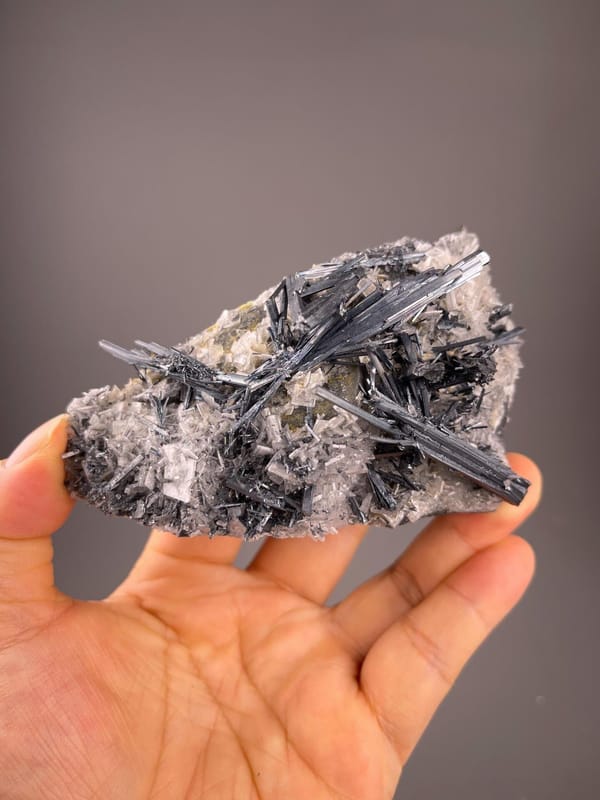
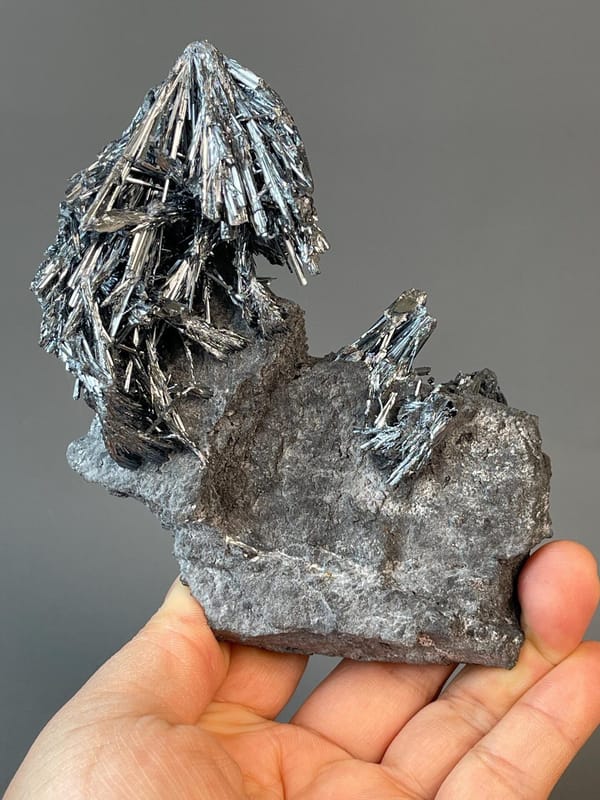
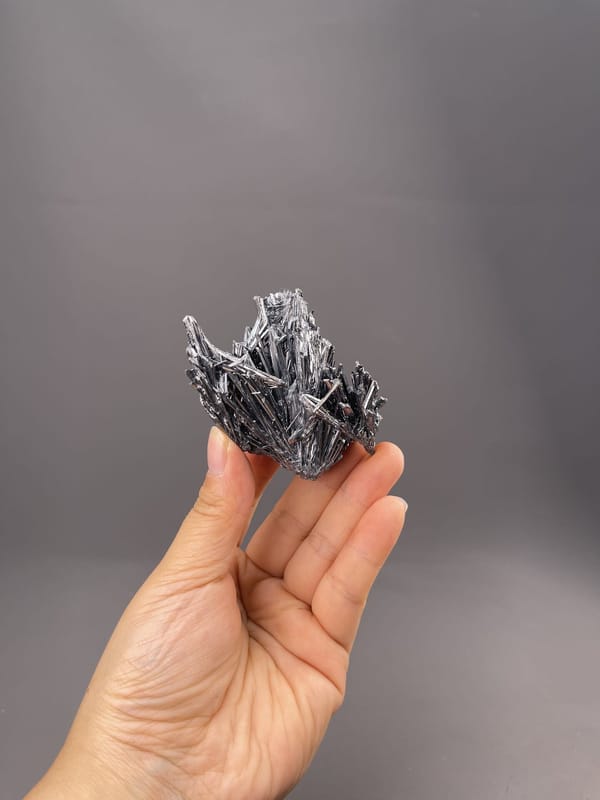
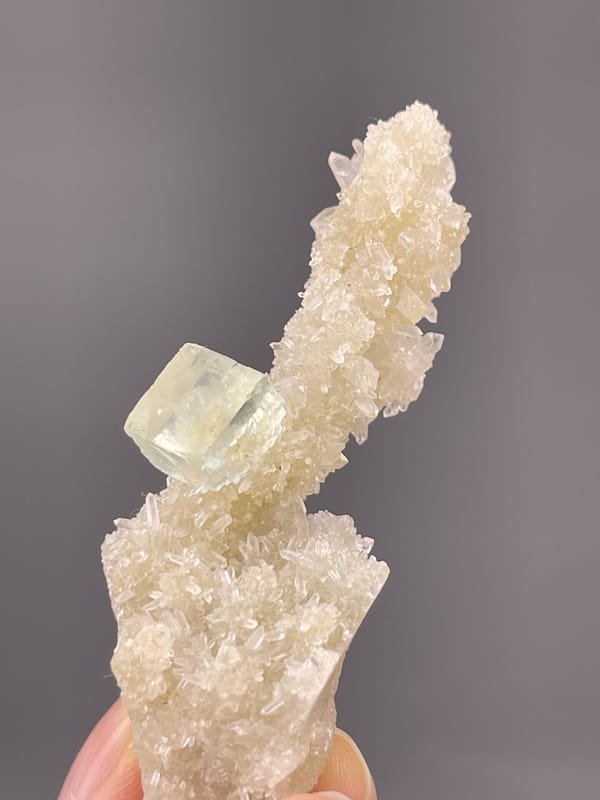
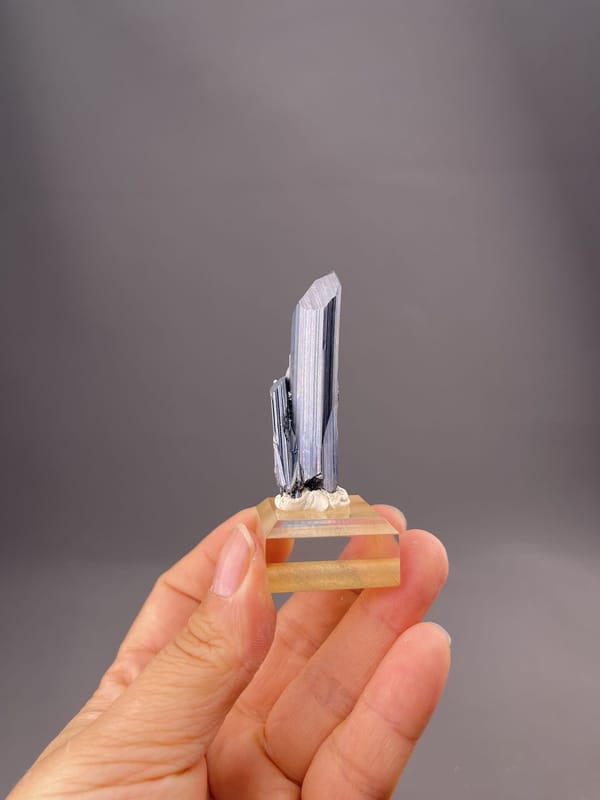
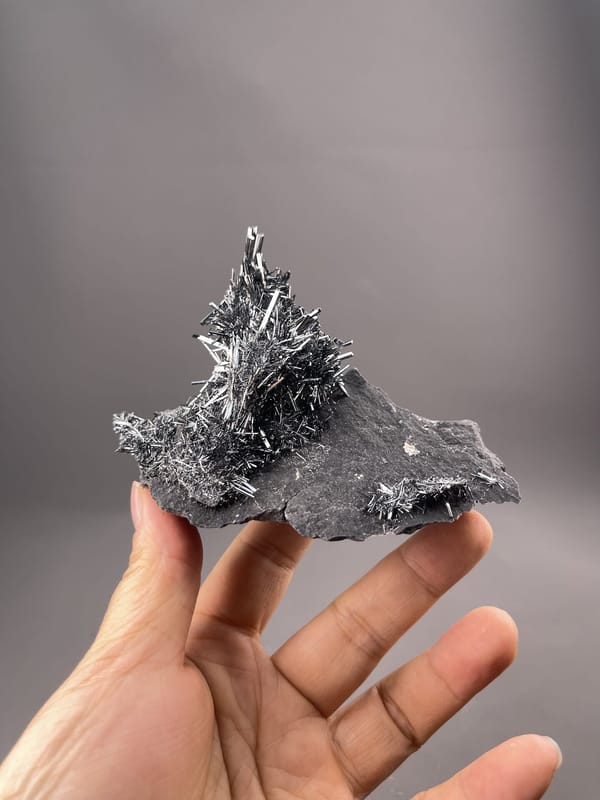
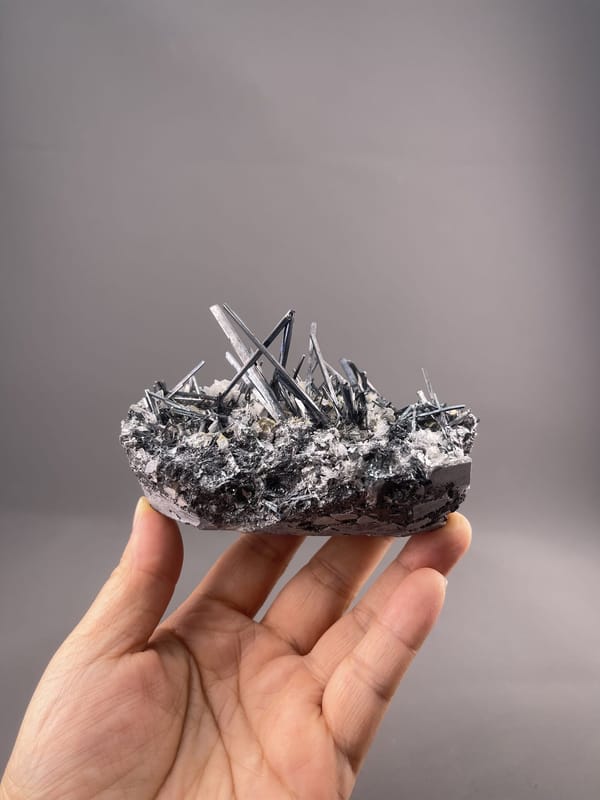
湖南婁底冷水江附近的錫礦山銻礦床——世界最大的銻礦床,也是中國輝銻礦的經典產地:鉛灰色柱狀晶體與針狀晶簇,伴生石英、方解石與重晶石。
The world's antimony capital
Xikuangshan, near Lengshuijiang in Loudi, Hunan, is the largest antimony deposit on Earth and the locality every collector associates with Chinese stibnite. The ore bodies sit in silicified Devonian limestone, and the species list is short and honest: stibnite above all, with quartz, calcite and barite as the recorded companions and oxidation coatings such as stibiconite on weathered pieces.
What collectors look for
Classic material means striated lead-gray prisms, columnar groups and radiating needle sprays — sometimes with the iridescent tarnish that divides taste but proves nothing about treatment either way. Because the crystals are soft (around Mohs 2) and brittle, condition drives value: intact terminations, clean contacts, and honestly disclosed repairs.
Reading labels honestly
"Lengshuijiang Mine" on old labels names the city, not a mine. The honest levels are Xikuangshan when the original label states it, Lengshuijiang, Hunan for area-level attributions, and Hunan, China when nothing narrower is supported — the province has other stibnite sources, so a bare province label must not borrow Xikuangshan's name.