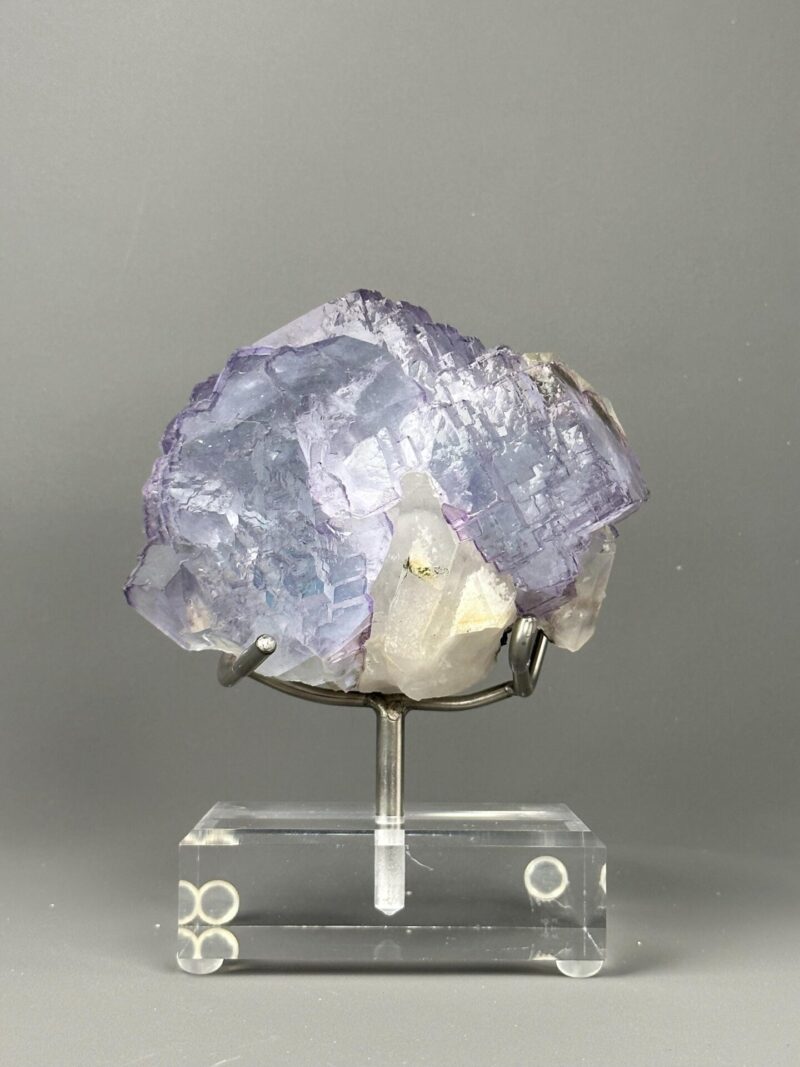
Mineral and gem shows are the lifeblood of the global collector community. These events bring together miners, dealers, curators, and enthusiasts, offering unparalleled opportunities to acquire specimens, expand networks, and experience the diversity of the mineral world. From the vast halls of Tucson to historic European fairs, each show carries its own character and influence.
This guide ranks and explores the top 10 mineral and gem shows worldwide, with insights into who attends, what makes them unique, and practical tips for making the most of your visit.
1. Tucson Gem & Mineral Show (Arizona, USA)
The Tucson show is the largest mineral and gem event in the world. Spanning nearly a month, it incorporates dozens of satellite shows and culminates in the official Tucson Gem and Mineral Show® at the Tucson Convention Center.
- Highlights: Museum-quality displays, rare specimens, wholesale lots, international dealer community.
- Who Attends: Collectors, dealers, museum curators, geologists, and jewelry designers.
- Tips: Book accommodations a year in advance; wear comfortable shoes; bring a flashlight for viewing fluorites, calcites, and UV-reactive specimens.
2. Munich Show (Mineralientage, Germany)
Europe's premier mineral show, held every October, with over 1,000 exhibitors from across the globe.
- Highlights: Themed exhibitions (e.g., Fluorescent Minerals, Meteorites), strong European dealer presence.
- Audience: European collectors, curators, academic institutions.
- Tips: Many high-end pieces debut here; budget extra for packing and customs.
3. Sainte-Marie-aux-Mines (Alsace, France)
Known simply as "Ste. Marie," this show blends old-world charm with serious mineral trading. The event takes over the entire town, with dealers setting up in courtyards, gardens, and historic houses.
- Highlights: Boutique atmosphere, strong presence of French and Alpine minerals.
- Audience: Collectors seeking aesthetics and provenance.
- Tips: Plan for narrow streets and hilly terrain; enjoy Alsace wines after browsing minerals.
4. Denver Gem & Mineral Show (Colorado, USA)
Second only to Tucson in scale, Denver's September event includes multiple venues, from wholesale tents to the official Denver Gem & Mineral Show.
- Highlights: Strong representation of North American minerals, competitive pricing.
- Audience: Dealers, educational groups, private collectors.
- Tips: Denver is a hub for U.S. collectors; transport specimens carefully if flying.
5. Tokyo International Mineral Fair (Japan)
Asia's most important mineral show, held annually in June.
- Highlights: High demand for aesthetic fluorite, calcite, quartz, and Japanese localities.
- Audience: Asian collectors, Japanese museums, serious buyers.
- Tips: Language can be a barrier—prepare translation apps; cash is often preferred.
6. Hong Kong Jewellery & Gem Fair (Hong Kong SAR)
Although jewelry-focused, Hong Kong remains a gateway for mineral and gem trading across Asia.
- Highlights: Wholesale rough stones, colored gems, and decorative minerals.
- Audience: Dealers, lapidaries, jewelry manufacturers.
- Tips: Best for those sourcing cutting rough and bulk materials rather than rare cabinet specimens.
7. Springfield Mineral Show (Massachusetts, USA)
Known as the East Coast Gem, Mineral & Fossil Show, Springfield is celebrated for its curated museum exhibits and dealer variety.
- Highlights: Public-friendly exhibits, fossil dealers, strong U.S. collector attendance.
- Tips: Great for intermediate collectors looking for serious pieces without the chaos of Tucson.
8. Shanghai International Mineral Show (China)
China's most important mineral exhibition, rapidly gaining international recognition.
- Highlights: Strong showcase of Chinese localities (Yaogangxian fluorite, Inner Mongolia REE minerals, Daye calcites).
- Audience: Collectors from Asia-Pacific; increasing Western dealer participation.
- Tips: Expect unique access to Chinese mines; language and logistics require preparation.
9. Moscow Mineral Show (Russia)
A long-standing event in Eastern Europe, showcasing Russian classics like demantoid garnet, charoite, and topaz.
- Highlights: Rare Russian localities, strong lapidary traditions.
- Audience: Regional collectors and international dealers.
- Tips: Political and logistical challenges may affect attendance; plan ahead.
10. Bangkok Gem & Jewelry Fair (Thailand)
A global hub for colored gemstones, Bangkok's fair emphasizes trade but increasingly features mineral specimens and carvings.
- Highlights: Gem dealers from Sri Lanka, Myanmar, and Africa; some mineral dealers.
- Audience: Gem traders, carvers, international buyers.
- Tips: More suitable for lapidary collectors than cabinet mineral purists.
Packing, Transport, and Photography Tips
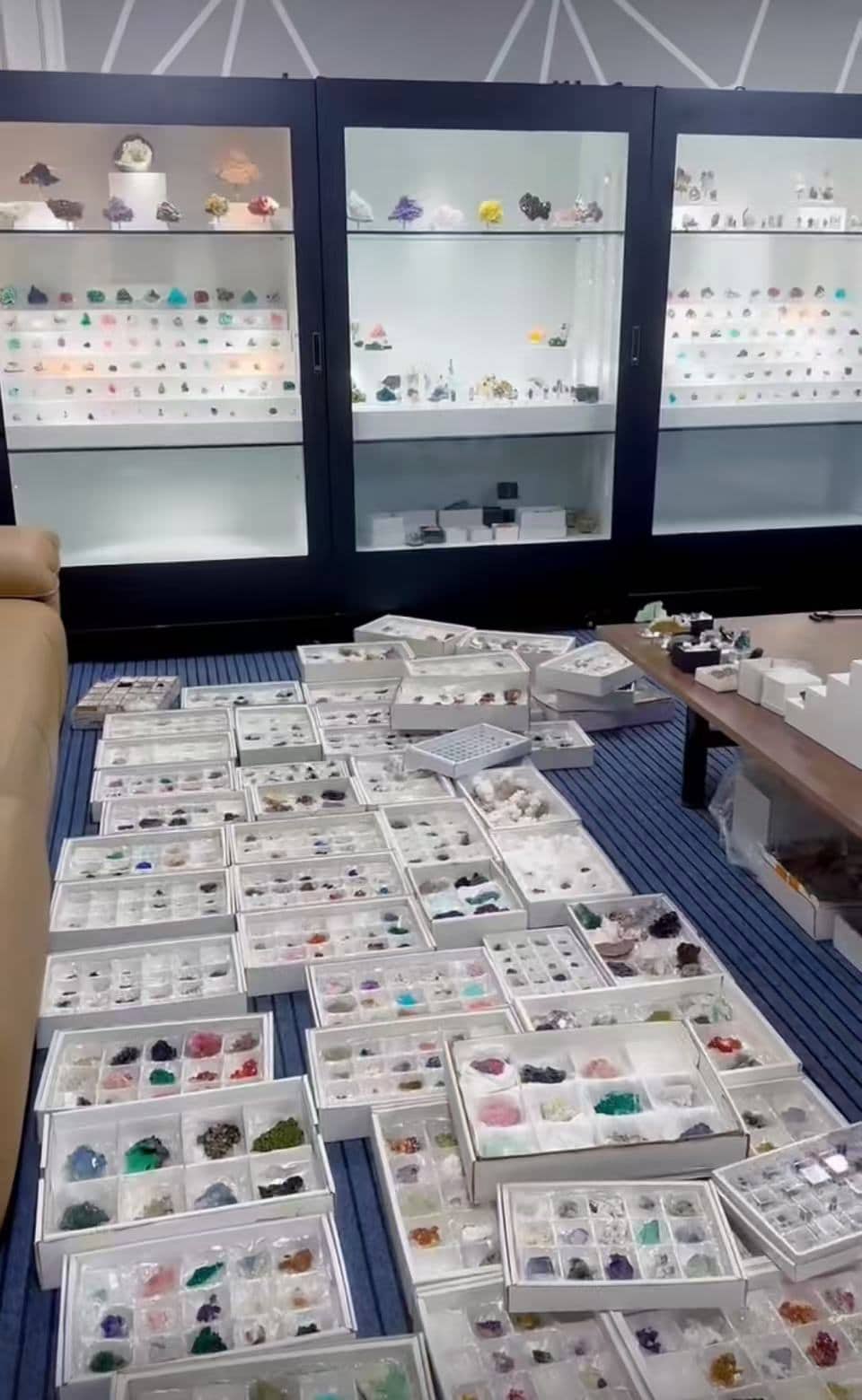
- Packing: Carry bubble wrap, small boxes, and strong tape; avoid putting fragile specimens in checked luggage.
- Customs: Be aware of export/import restrictions for fossils and gems.
- Photography: Good photos help document provenance and resale; carry a portable LED light.
- Budgeting: Track expenses daily; set aside funds for unexpected opportunities.
Why Attend Mineral Shows?
- Networking: Meet global dealers, curators, and collectors.
- Access: Acquire specimens before they reach online markets.
- Learning: Observe display cases curated by top museums and collectors.
- Market Trends: Spot rising mineral prices (e.g., Chinese fluorites, African dioptase).
Conclusion
From Tucson's vast desert showgrounds to the picturesque streets of Sainte-Marie-aux-Mines, mineral and gem shows form the backbone of the collector community. Each fair offers unique opportunities to acquire specimens, deepen knowledge, and connect with like-minded enthusiasts.
For collectors, dealers, and enthusiasts, attending these events isn't just about buying minerals—it's about joining a global tradition of discovery, beauty, and shared passion.
Explore Our Collection
Interested in adding exceptional specimens to your collection? Browse our hand-selected inventory of authentic minerals from world-renowned localities.
Fluorite Specimens | Calcite Specimens | Quartz Crystals | Browse All Specimens