上堡礦
Hunan, China
湖南郴州上堡礦——中國經典螢石產地,以紫色幻影與色帶立方晶體著稱。
Shangbao Mine — purple-phantom Chenzhou fluorite
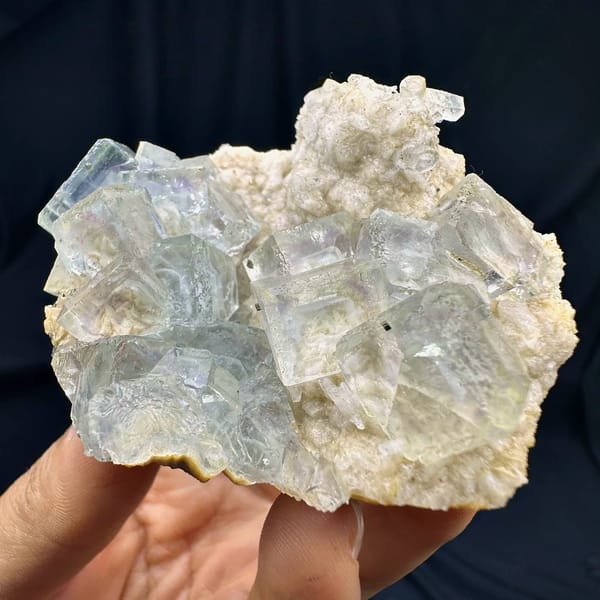
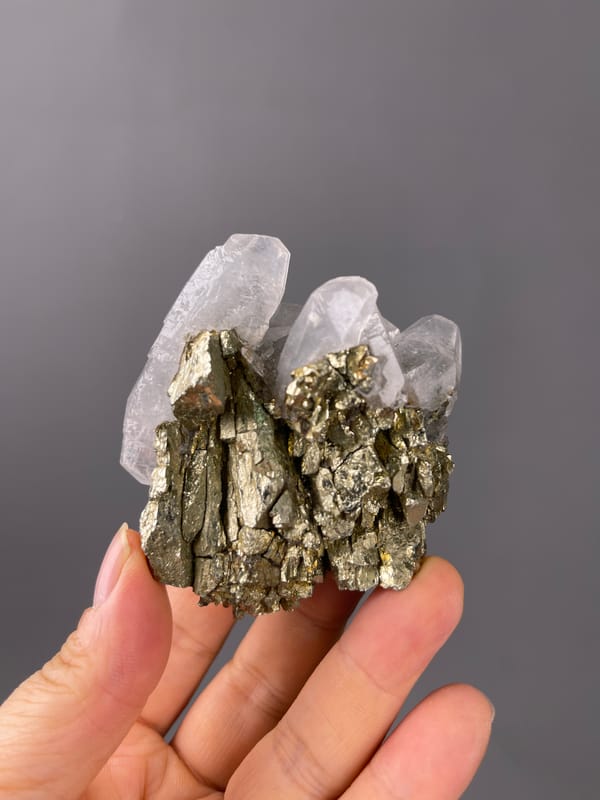
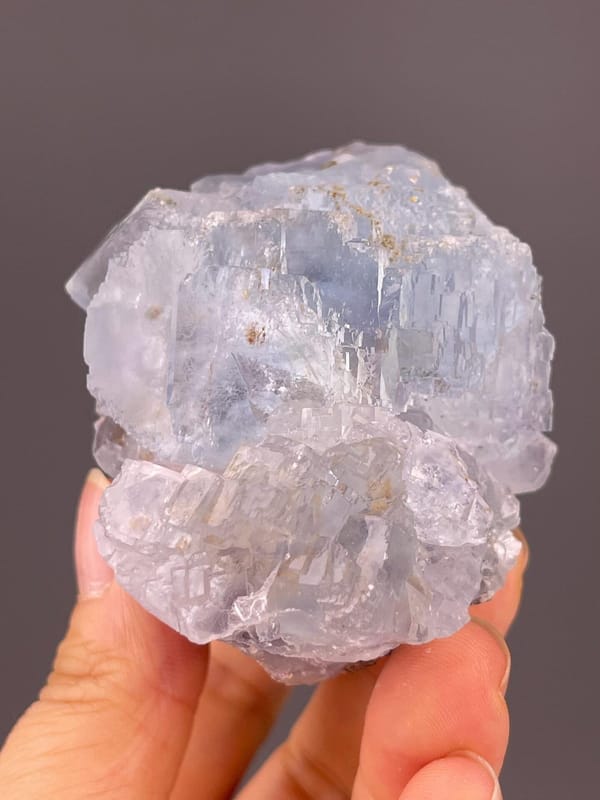
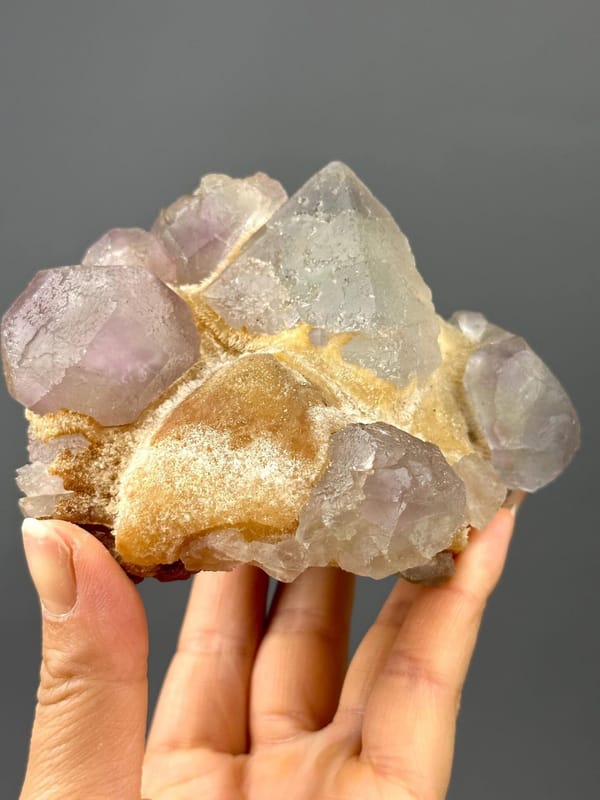
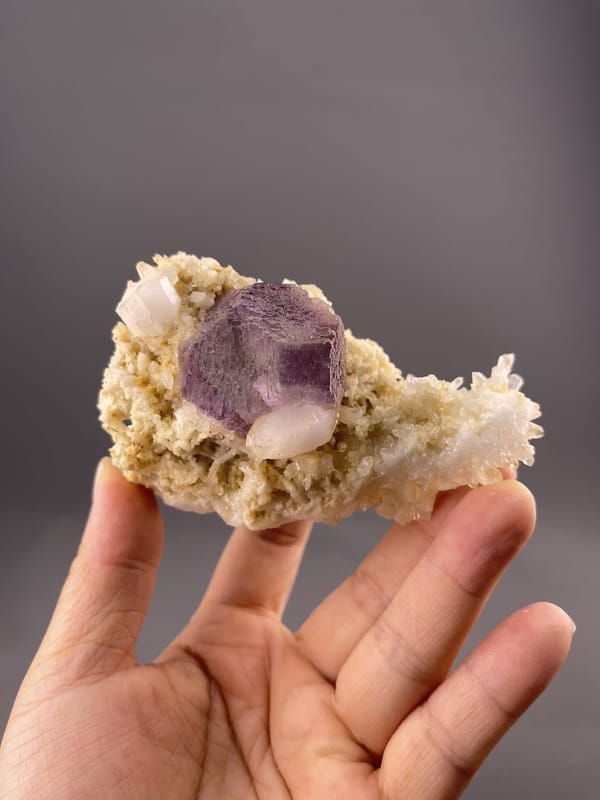
The Shangbao Mine in Chenzhou prefecture, Hunan Province, is one of the classic Chinese fluorite localities. Specimens from Shangbao are recognized internationally for their purple-phantom growth zoning and high-saturation deep-purple to violet cubic crystals.
Geological setting
Shangbao sits within the broader Nanling W-Sn metallogenic belt, in the same regional hydrothermal system that produced the famous Yaogangxian fluorite. The Shangbao fluorite formed in vein structures cutting Paleozoic carbonates, with multiple growth episodes producing the characteristic phantom zoning.
What Shangbao is known for
- Cubic fluorite with sharp purple phantom zoning
- Deep purple to violet saturated colors
- Green-and-purple zoned cubic clusters
- Blue fluorite (less common but documented)
Typical specimen style
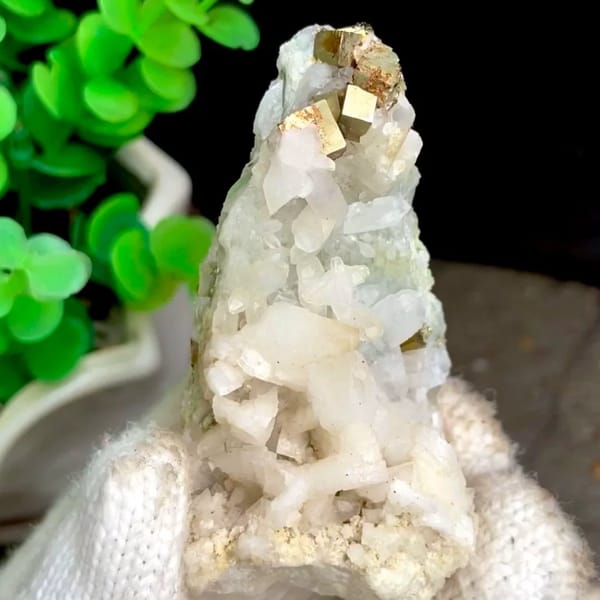
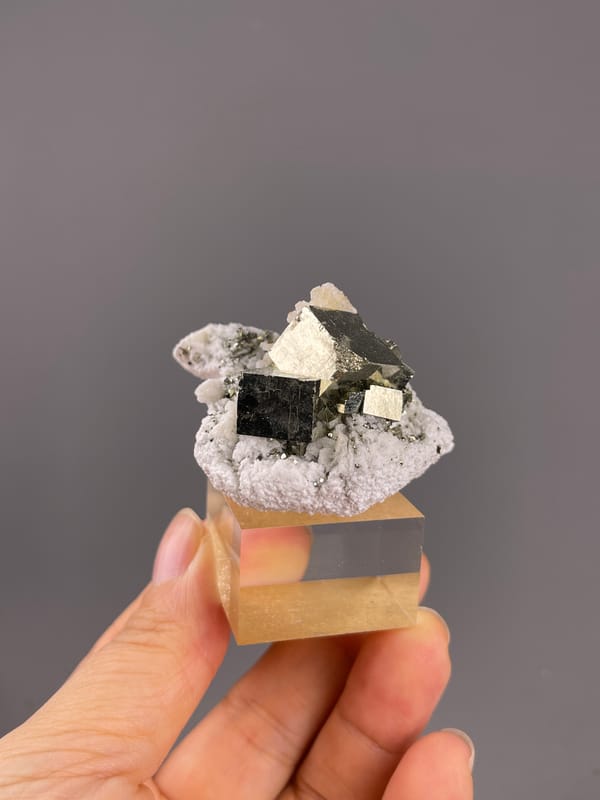
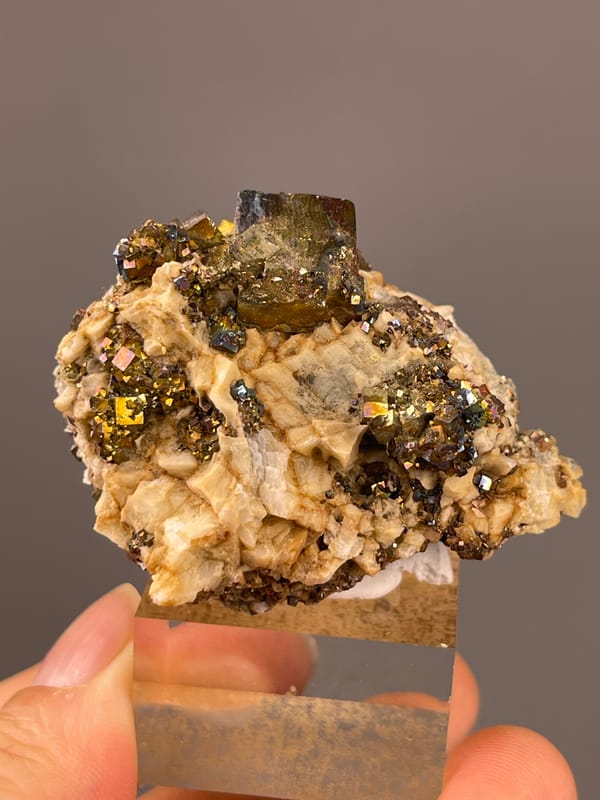
Look for sharp cubic crystals with clearly defined internal color zones visible through the gem-clear faces; clusters often show stepped or stair-cased growth. Matrix is typically white to grey carbonate with minor associated minerals.
Collector value
Shangbao production has declined since the 2010s. Specimens with clear phantom zoning and intact matrix are increasingly hard to source at the original quality range. Larger pieces with multiple zones are particularly prized.
From our inventory
Browse Shangbao specimens or our full fluorite buying guide.
From Our Sources
Shangbao sits in the same regional hydrothermal system as Yaogangxian, in Chenzhou prefecture, and what collectors come to it for is the purple: deep-purple to violet cubes with phantom growth zoning recording multiple episodes of growth. We grade for the zoning first — it should read as distinct layers under backlight, not as a muddy gradient — then for edge sharpness and undisturbed matrix.
All natural, untreated material, photographed as the exact piece. Where a specimen carries associated species, they are identified on the label rather than described generically.