How to Start a Mineral Collection: The Complete Beginner's Guide
Starting a mineral collection is an exciting journey that combines geology, art, and natural history. Whether you're drawn to the vibrant colors of fluorite, the metallic luster of pyrite, or the elegant banding of malachite, learning how to start a mineral collection doesn't require extensive geological training or a massive budget. This comprehensive guide walks you through everything you need to know as a beginner mineral collector.
Why Collect Minerals? Understanding the Appeal and Benefits
Mineral collecting has captivated people for centuries. Understanding why collecting minerals appeals to you can help shape your collecting strategy and keep your hobby engaging for years to come.
Collecting minerals offers numerous personal rewards. It's a meditative and stress-relieving activity that allows you to slow down and appreciate the natural world's intricate beauty. Mineral collecting also connects you with a vibrant global community. From local mineral shows to online forums, collectors share knowledge, trade specimens, and celebrate discoveries together. This hobby encourages lifelong learning; each mineral teaches you about chemistry, geology, geography, and earth history.
Quality specimens—especially rare pieces, exceptional crystals, and historically significant finds—can appreciate over time. However, the best approach is to collect specimens you genuinely love, with potential financial appreciation as a secondary benefit.
Getting Started: Your First Mineral Specimens
The prospect of buying your first mineral can feel overwhelming, but starting your collection is simpler than you might think. Focus on specimens that are visually distinctive, durable and stable, commonly available, and geographically varied.
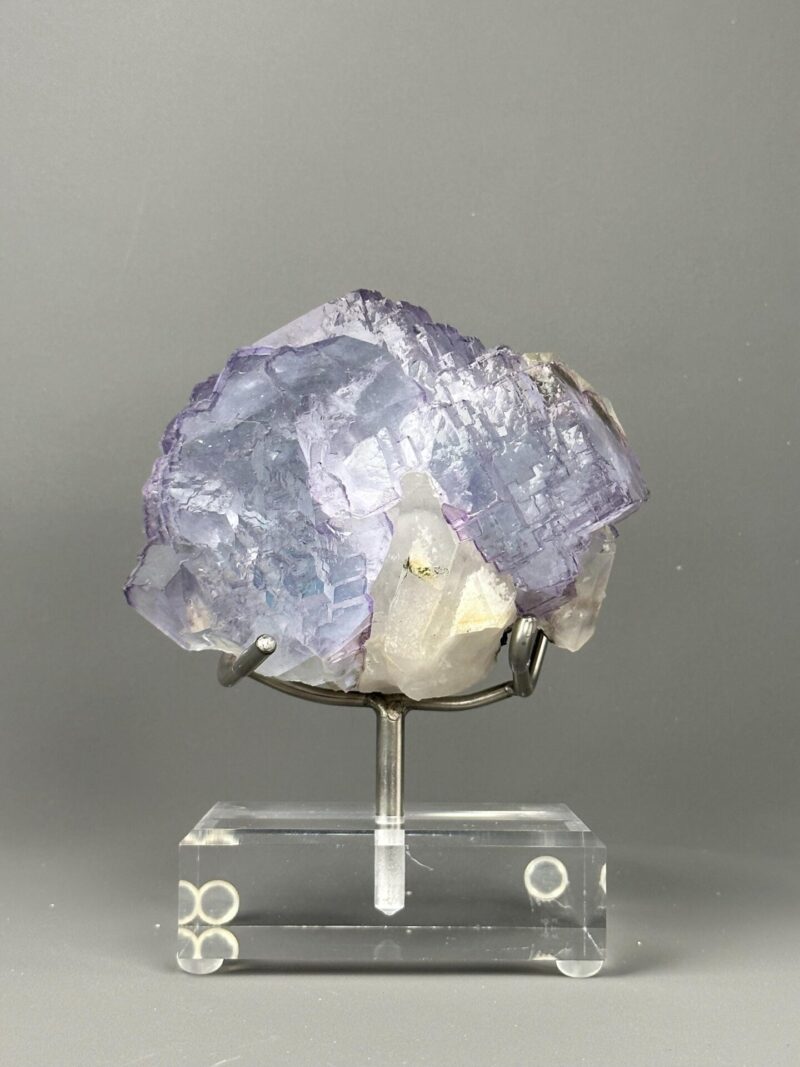
Excellent beginner minerals include quartz crystals in all their varieties, fluorite with its striking cubic crystals, pyrite with its distinctive metallic shine, calcite in its many color forms, and malachite for its striking green banding.
Setting Your Budget
You can build a meaningful collection starting with minimal investment. Beginner Budget (Under $100): Browse our mineral specimens under $100 to find quality pieces. Growing Collector ($100–$250): Explore our specimens under $250 for higher-quality pieces with better color and crystal formations. Advanced Collector ($250+): Premium specimens command higher prices but represent excellent long-term value.
Consider size when starting. Miniature specimens (under 1 inch) are affordable and perfect for building diverse collections. Larger specimens (3+ inches) create impressive visual impact. Many collectors start with medium-sized specimens (1–3 inches) as the ideal balance. See our mineral size information guide for details.
Understanding Mineral Grades and Quality
Not all mineral specimens are created equal. Understanding quality grading will help you make informed purchases. The five key quality factors are:
Color: Look for rich, saturated colors that are even across the specimen. Clarity and Crystal Formation: Well-formed, distinct crystals indicate superior quality. Size and Proportion: A beautifully formed small crystal can be more valuable than a poorly formed large one. Condition: Check for chips, fractures, and repaired damage. Locality: Specimens from famous mines or regions often carry premium value.
Essential Mineral Identification Skills
Learning to identify minerals is one of the most rewarding aspects of collecting. Start with these fundamental identification techniques.
Hardness Testing (Mohs Scale): The Mohs hardness scale ranks minerals from 1 (talc) to 10 (diamond). Testing hardness is one of the simplest ways to narrow down mineral identification. Carry a steel nail (hardness 5.5) and a glass plate (5.5) for quick field tests.
Streak Test: Rubbing a mineral across an unglazed porcelain tile reveals its streak color, often different from the mineral's surface color. Luster: Describes how light reflects from the mineral's surface—metallic, vitreous (glassy), pearly, silky, or earthy. Crystal System: Minerals crystallize in one of seven crystal systems. Learning to recognize these helps with identification and understanding mineral properties.
Where to Buy Quality Mineral Specimens
Finding reliable sources for quality minerals is crucial to building a collection you'll be proud of. Here are the main avenues for acquiring specimens.
Online Mineral Dealers: Reputable online dealers like MyMineralBox offer curated selections with detailed descriptions, photographs, and provenance information. Online purchasing gives you access to worldwide specimens without geographic limitations. Look for dealers who provide accurate mineral descriptions, clear photography from multiple angles, transparent pricing, and reliable shipping practices.
Mineral Shows: Events like the Tucson Gem and Mineral Show, Denver Gem and Mineral Show, and regional shows offer hands-on buying experiences. Rock Shops: Local rock and mineral shops provide personal assistance and the ability to examine specimens in person. Field Collecting: Collecting your own specimens in the field is a deeply rewarding experience. Research local collecting sites, obtain necessary permissions, and always practice responsible collecting.
Caring for Your Mineral Collection
Proper care ensures your specimens remain beautiful and valuable for generations. Different minerals require different care approaches.
Handling: Always handle specimens with clean, dry hands. Support specimens from underneath rather than gripping fragile crystals. For valuable or delicate pieces, consider wearing cotton gloves.
Cleaning: Most quartz-family minerals can be gently cleaned with lukewarm water and a soft brush. Never use water on water-soluble minerals like halite or sylvite. Avoid acids unless you're experienced—they can damage or destroy many minerals. Compressed air is safe for removing dust from delicate crystal clusters.
Storage and Environmental Control: Keep minerals away from direct sunlight—UV exposure fades amethyst, smoky quartz, and other photosensitive minerals. Maintain stable temperature and humidity. Store acid-sensitive minerals like calcite away from acidic materials. Keep soft minerals like gypsum separate from harder ones to prevent scratching.
Displaying Your Mineral Collection
A thoughtfully displayed collection enhances both your enjoyment and the visual impact of your specimens.
Display Cases: Glass-front display cases protect specimens from dust while allowing visibility. LED lighting inside cases dramatically enhances crystal transparency and color. Consider cases with adjustable shelves to accommodate different specimen sizes.
Mineral Stands: Acrylic stands, custom wooden bases, and museum putty help position specimens at their most flattering angle. A well-mounted specimen can look dramatically different from one simply placed on a shelf.
Organization Strategies: Organize by mineral type (systematic collection), by locality (geographic collection), by color (blue crystals, green crystals, purple crystals), or by aesthetic theme. There's no single right approach—choose what brings you the most satisfaction.
Documenting and Cataloging Your Collection
Good documentation adds scientific and financial value to your collection. For each specimen, record: mineral name and variety, locality (as specific as possible), size and weight, purchase date, price paid, dealer or source, and any notable features or history.
Number each specimen with a small, discreet label. Many collectors use a numbering system that incorporates the acquisition date. Keep records in both digital and physical formats. A spreadsheet or dedicated mineral collecting app works well for digital records, while a physical catalog notebook provides backup.
Building Specialized Collections
As your collecting experience grows, you may want to focus on specific areas. Systematic Collections: Aim to collect every mineral species in a specific group—all tourmaline varieties, all quartz varieties, or all copper minerals. Locality Collections: Focus on specimens from specific regions—Chinese minerals, Moroccan minerals, or specimens from a particular mine. Aesthetic Collections: Build collections around visual themes—best crystals regardless of species, fluorescent minerals, or unusual formations.
Common Mistakes Beginners Should Avoid
Buying too quickly: Take time to learn before making expensive purchases. Visit shows, study online resources, and develop your eye for quality before committing significant funds.
Ignoring condition issues: Chips, repairs, and damage significantly affect value. Learn to spot repaired specimens and artificial enhancements. Ask sellers about any treatments or repairs.
Neglecting documentation: Always record where you bought each specimen and its locality. Provenance information becomes increasingly valuable over time.
Improper storage: Many beginners lose specimens to breakage, fading, or chemical damage from improper storage. Learn the care requirements for each mineral you collect.
Paying too much early on: Until you've developed an eye for quality, it's easy to overpay. Start with affordable specimens and gradually increase your budget as your knowledge grows.
Connecting with the Mineral Collecting Community
The mineral collecting community is welcoming and generous with knowledge. Join local mineral clubs, attend mineral shows, participate in online forums and social media groups, and consider subscribing to mineral collecting magazines. These connections will accelerate your learning and help you discover opportunities for acquiring specimens.
Frequently Asked Questions About Mineral Collecting
How much should I spend on my first mineral? Start with specimens in the $10–$50 range. This lets you build a diverse collection while learning about quality and your personal preferences. Browse our mineral specimen collection for affordable options.
Are minerals a good investment? Quality, rare specimens from famous localities can appreciate significantly over time. However, collect primarily for enjoyment, with investment potential as a bonus.
How do I know if a mineral is real? Buy from reputable dealers who guarantee authenticity. Learn basic identification skills, and don't hesitate to ask sellers questions about locality and treatment.
What's the difference between a mineral and a crystal? A mineral is a naturally occurring inorganic substance with a specific chemical composition. A crystal is any solid with an ordered atomic structure—most minerals are crystalline, but not all crystals are minerals.
How do I start if I have no experience? Begin by browsing our mineral specimens to see what appeals to you visually. Read our mineral guides for detailed information on specific mineral types. Start small, stay curious, and enjoy the journey.
Start Your Collection Today
Every world-class mineral collection started with a single specimen. Whether you begin with a brilliant fluorite cube, a glittering pyrite cluster, or a stunning amethyst geode, the important thing is to start. Explore our complete mineral specimen collection and find the perfect piece to begin your mineral collecting journey.