Introduction
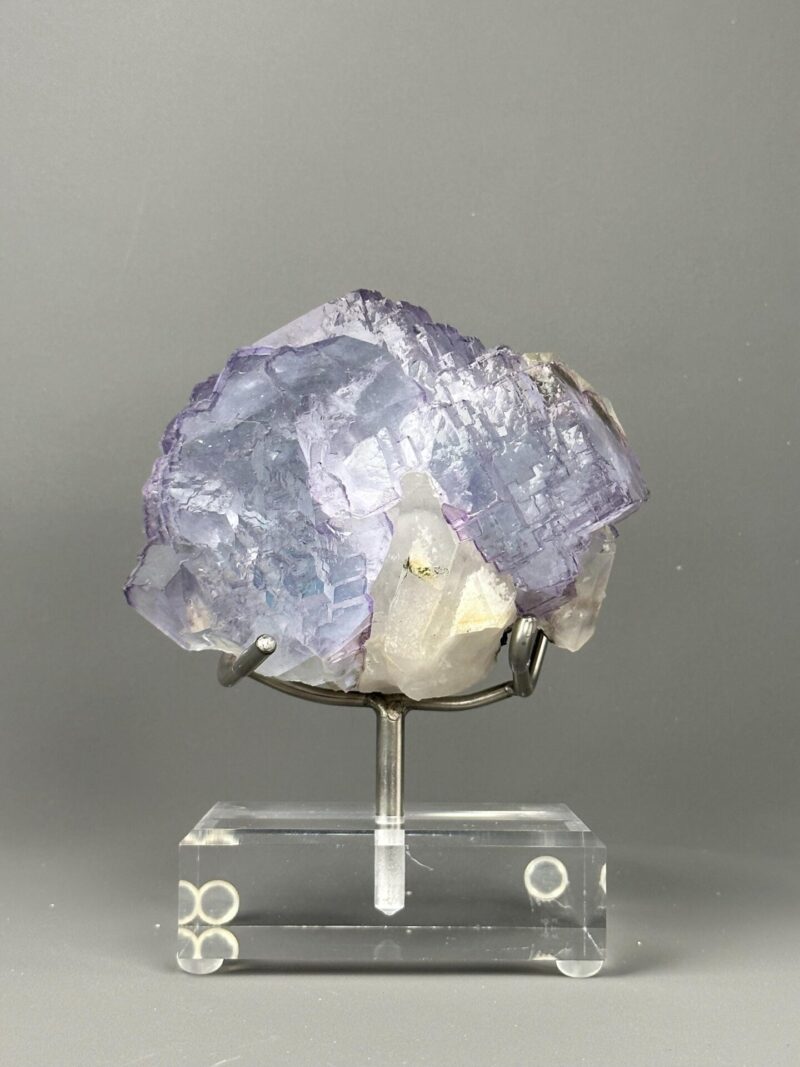
Crystal carvings combine the natural beauty of minerals with the creativity of human artistry. For thousands of years, cultures around the world have shaped gemstones and crystals into figurines, jewelry, and spiritual objects. Today, crystal carving is still a celebrated art form, blending traditional craftsmanship with modern lapidary techniques.
This article explores the process of crystal carving—from raw stone selection to the final polished sculpture—while highlighting its cultural importance and the artistry that makes each piece unique.
1. The History of Crystal Carving
Crystal carving dates back to ancient civilizations:
- China: Jade and quartz carvings were symbols of status and spirituality.
- Egypt: Lapis lazuli and carnelian were carved into amulets and scarabs.
- Mesoamerica: Obsidian was shaped into ritual objects and masks.
For centuries, artisans recognized that crystals were not just geological wonders, but also canvases for art and symbolism.
2. Choosing the Right Crystal
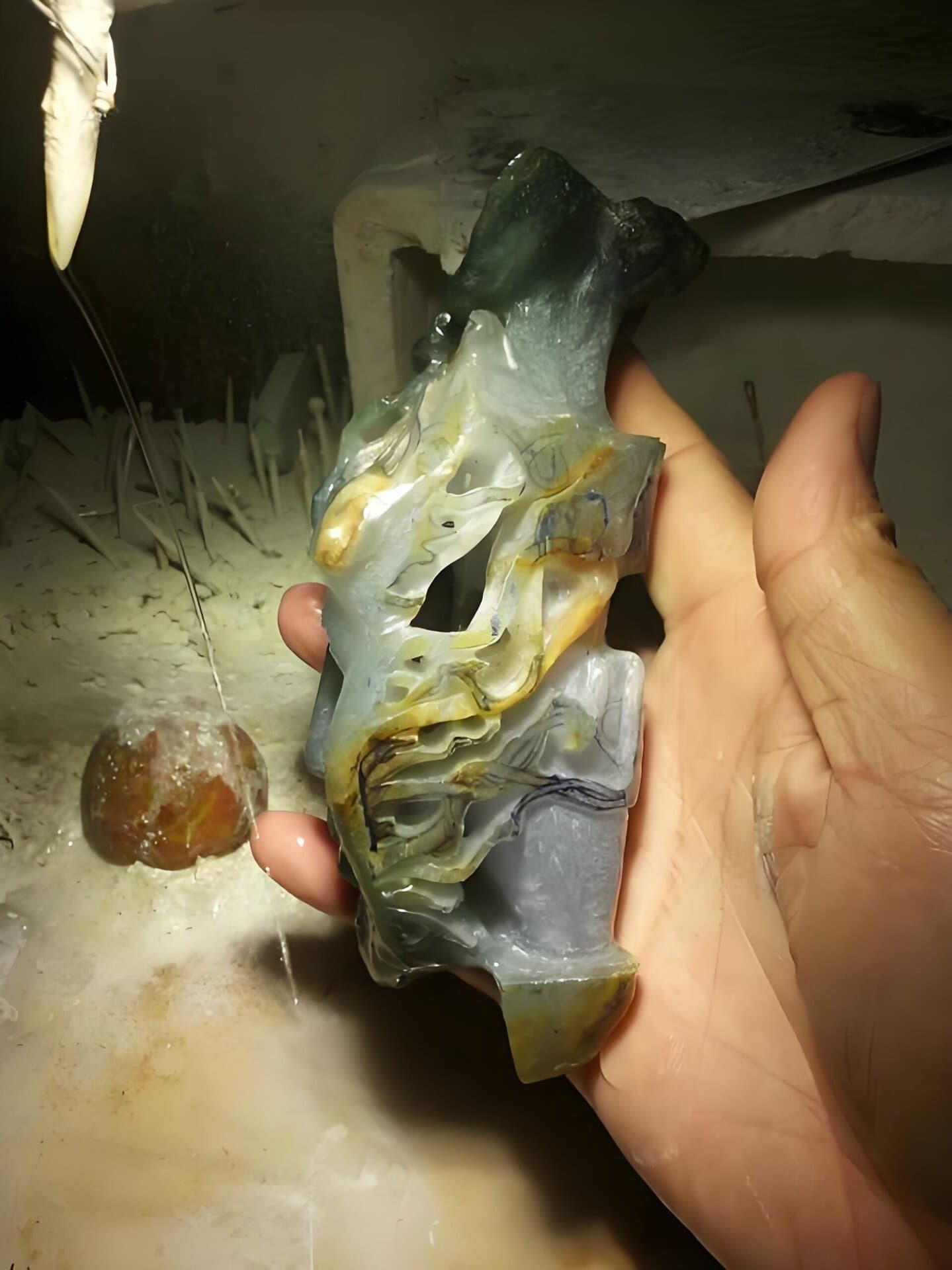
The first step in crystal carving is selecting a suitable piece of raw stone. Carvers look for:
- Clarity and Color: Fluorite, quartz, and calcite with vivid hues are highly valued.
- Size and Shape: Larger blocks allow for more complex sculptures.
- Hardness: Softer stones (calcite, fluorite) are easier to shape, while harder ones (quartz, jade) require advanced skill.
Internal link suggestion: → Link "fluorite carving" or "quartz carving" to your carving product pages.
3. Designing the Sculpture
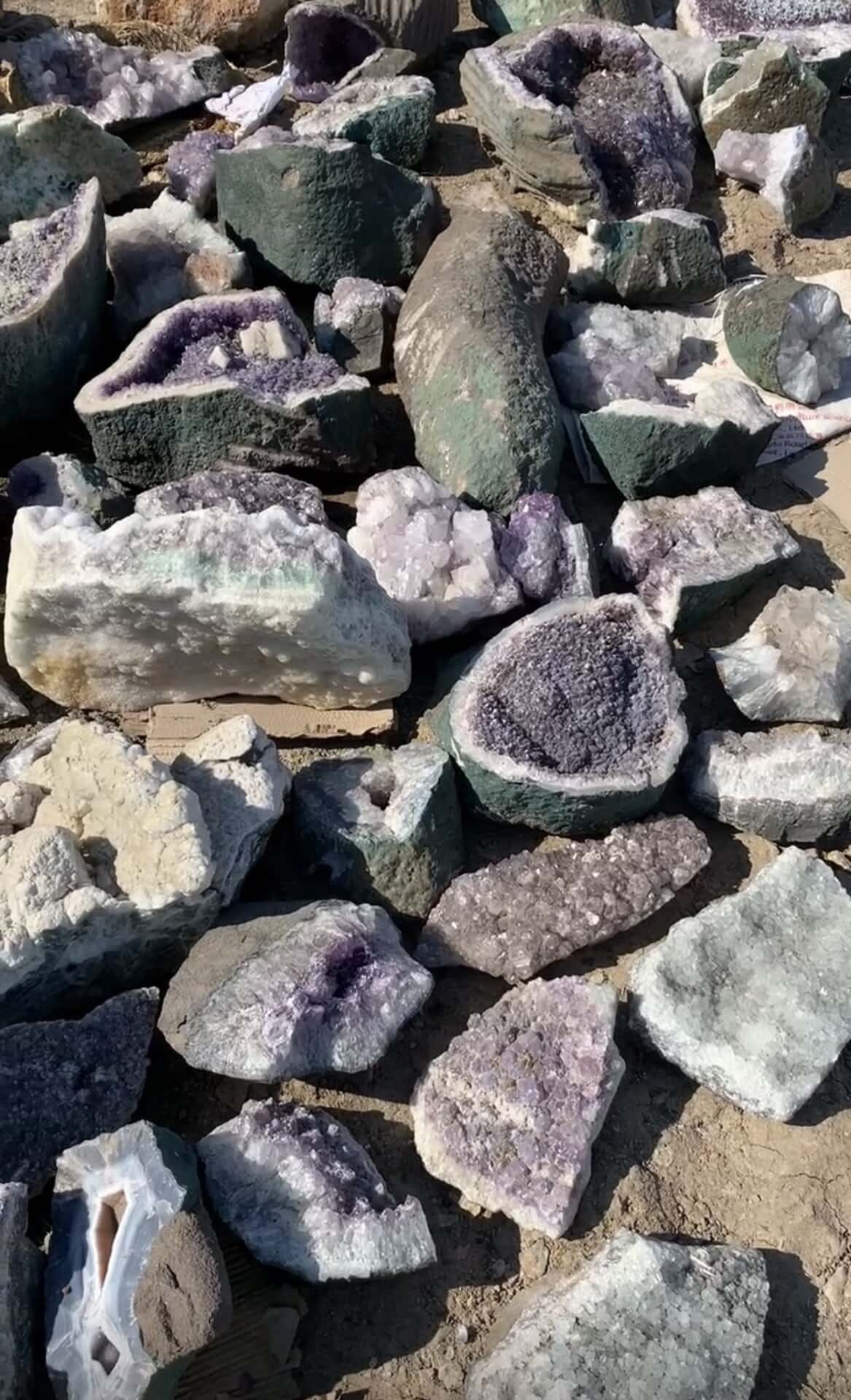
Every carving begins with a design. The artist must balance the natural features of the crystal with the desired subject.
- Animal figurines (dragons, turtles, birds) are popular in Chinese and Native American traditions.
- Human figures often represent gods, ancestors, or symbolic guardians.
- Abstract forms highlight the natural patterns of the mineral.
4. Cutting and Shaping
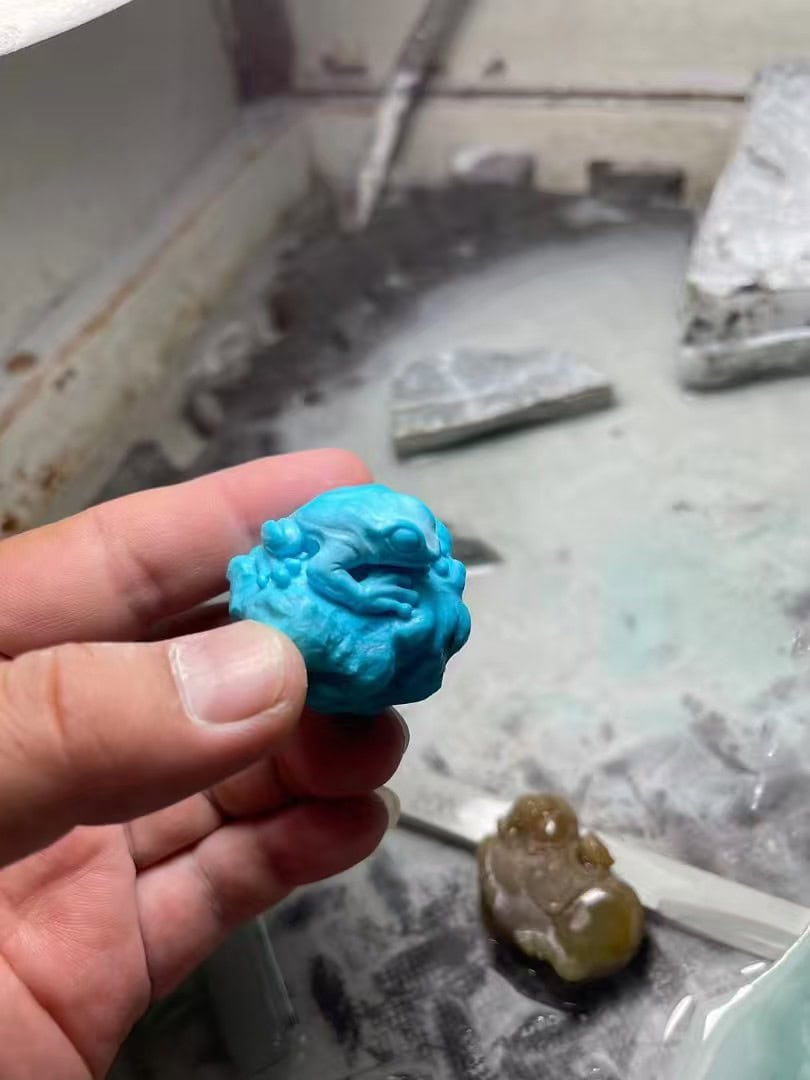
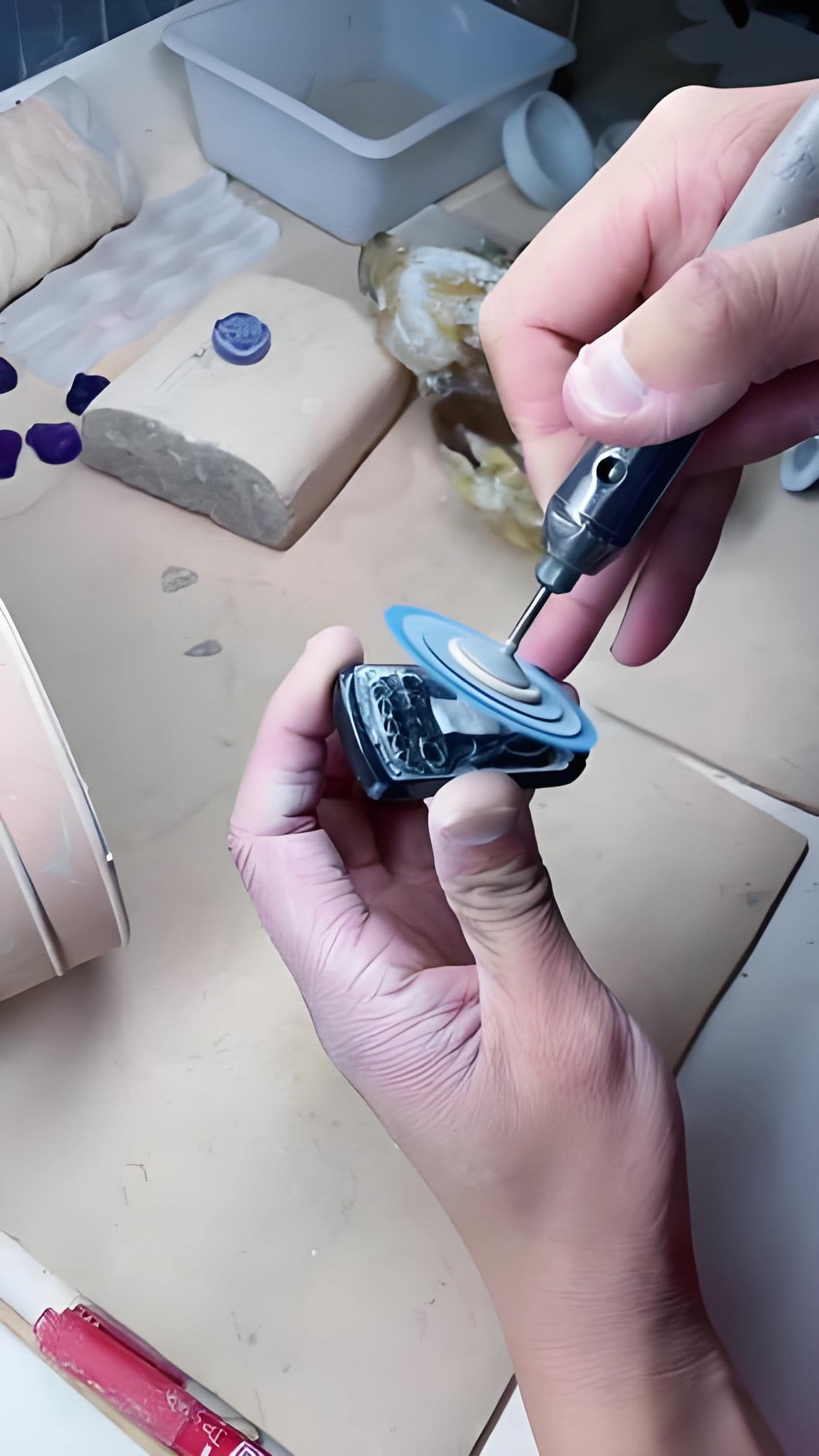
Using diamond saws, grinders, and chisels, artisans begin shaping the crystal. The process requires patience, as one wrong cut can ruin the piece.
- Rough shaping: Establishes the outline.
- Detail carving: Defines features like scales, feathers, or faces.
- Undercutting: Adds depth and realism.
Image alt text: Craftsman shaping a fluorite carving with lapidary tools.
5. Sanding and Polishing
After shaping, the surface is smoothed with progressively finer abrasives. Polishing reveals the crystal's true brilliance.
- Matte finish: Creates a soft, natural look.
- High polish: Highlights transparency and color.
This stage can take hours or even days, depending on the complexity.
6. Cultural and Spiritual Significance
Crystal carvings hold deep meaning in many traditions:
- China: Jade and fluorite carvings symbolize protection and prosperity.
- India: Carved quartz and calcite are used in spiritual rituals.
- Indigenous traditions: Animal carvings are linked to spirit guides and totems.
Beyond decoration, these carvings are treasured as symbols of healing, spirituality, and cultural heritage.
7. Modern Crystal Carving
Today, crystal carving combines traditional hand techniques with modern lapidary tools. Skilled artisans create both small figurines and large-scale sculptures. Some artists push boundaries, blending crystals with metals, wood, or even light displays for contemporary art.
Collectors prize hand-carved pieces because no two are ever the same. Each sculpture preserves not only the beauty of nature but also the creativity of the carver.
Conclusion
The art of crystal carving is where geology meets artistry. From the careful selection of raw stone to the final polished form, each piece represents countless hours of work and centuries of tradition.
For collectors, crystal carvings are more than decorative objects—they are expressions of cultural history, craftsmanship, and the timeless beauty of nature itself.
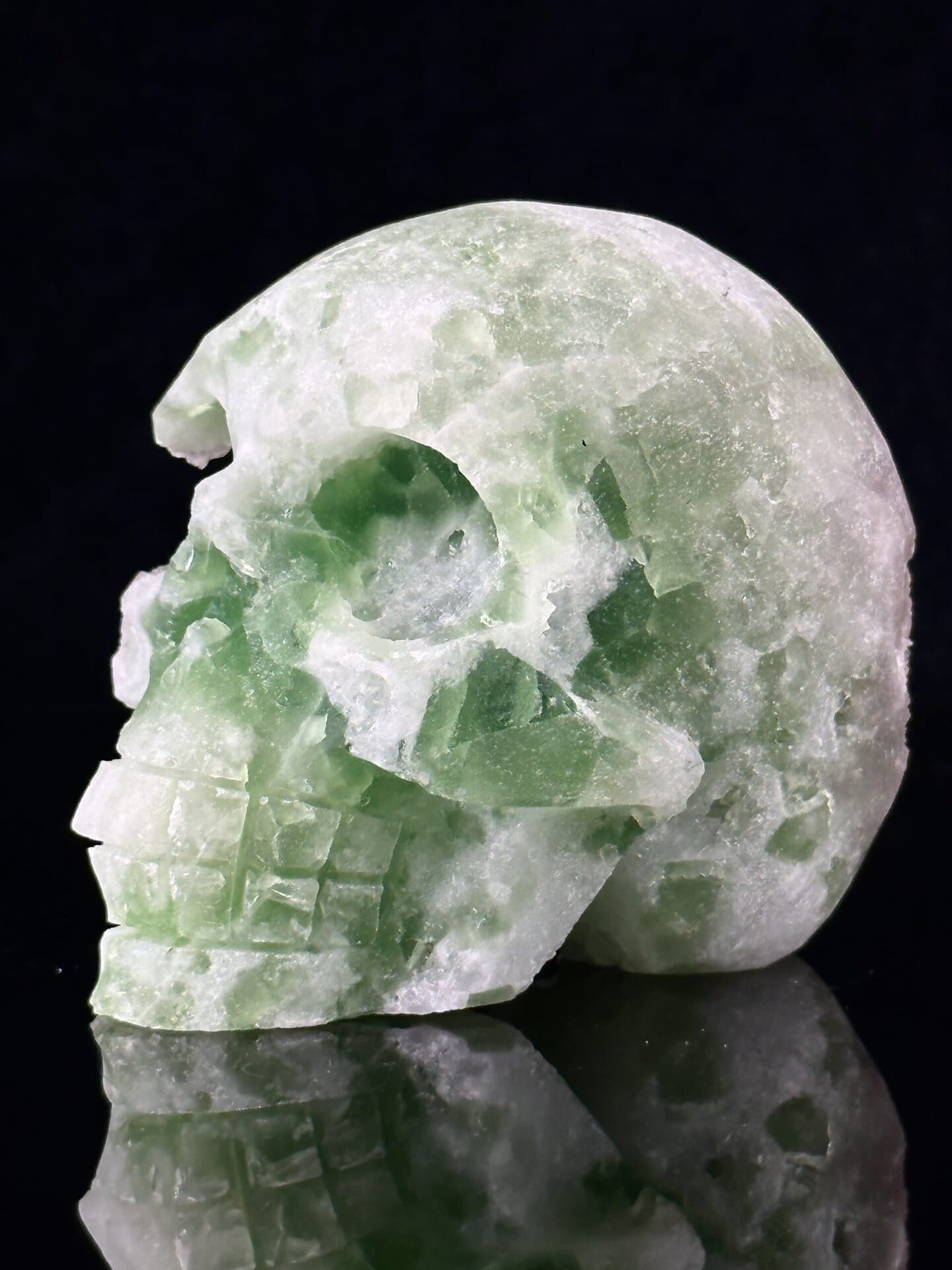
Whether you admire the fine details of a Chinese jade carving, the bold geometry of a quartz skull, or the delicate form of a fluorite figurine, crystal carvings offer a unique way to connect with both Earth and art.
Explore Our Collection
Interested in adding exceptional specimens to your collection? Browse our hand-selected inventory of authentic minerals from world-renowned localities.
Fluorite Specimens | Calcite Specimens | Quartz Crystals | Browse All Specimens