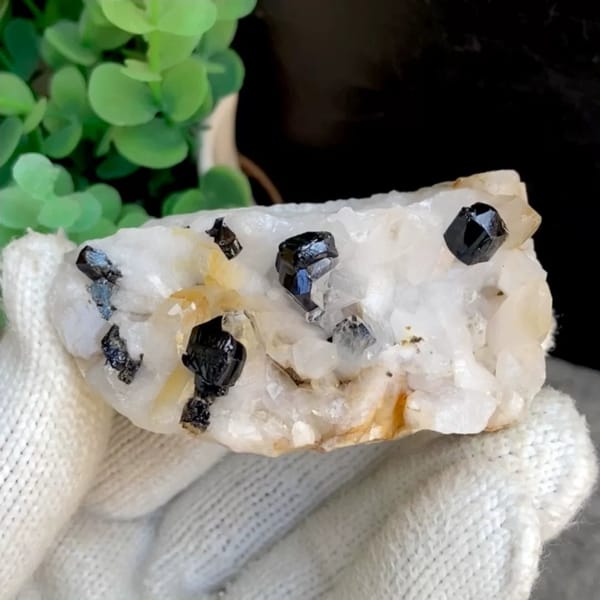
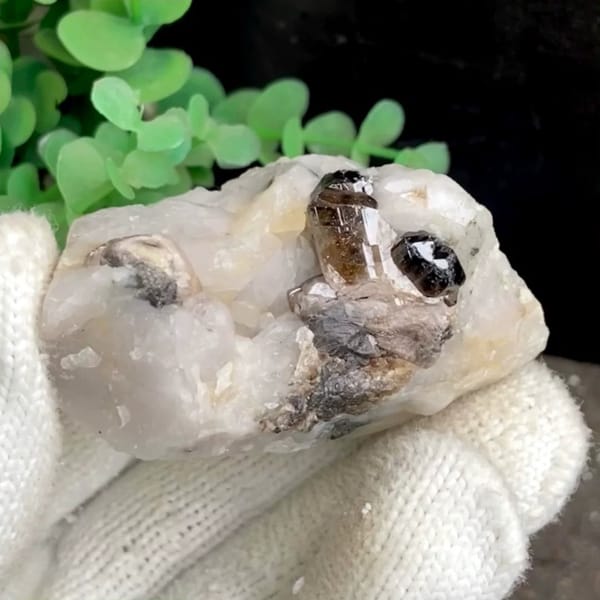
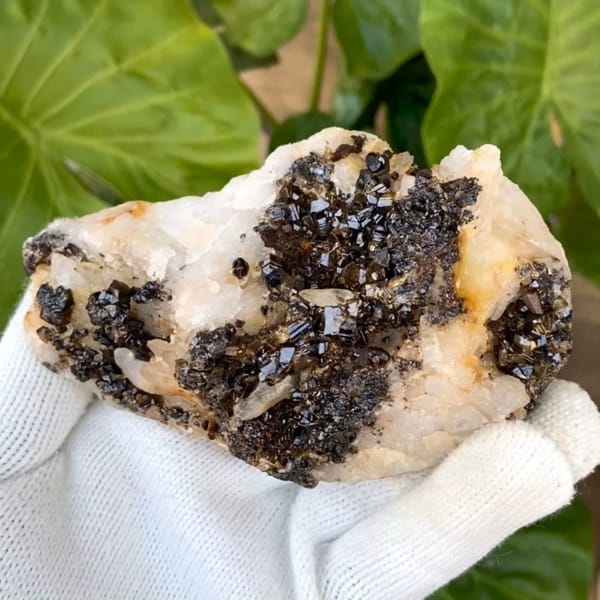
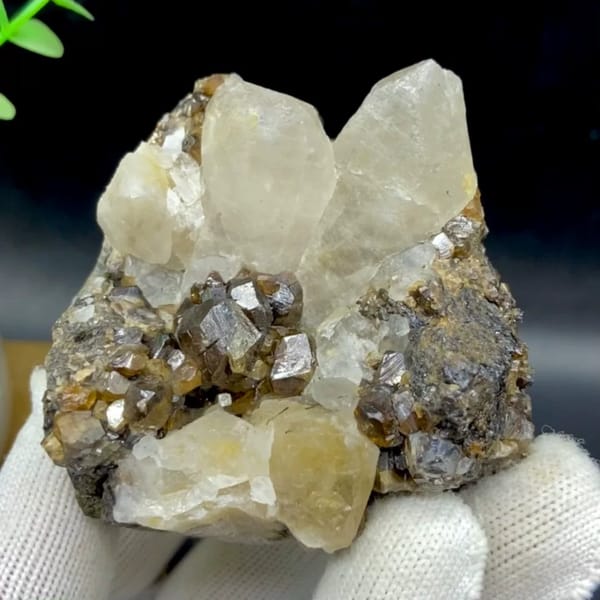
錫石
Cassiterite is an oxide mineral prized by collectors for its exceptional color range, with several world-class Chinese localities.
基本資料
| 化學式 | SnO2 |
|---|---|
| IMA 代號 | Cst |
| 施特龍茨分類 | 4.DB |
| 晶系 | 正方晶系 |
| 點群 | 4/mmm |
| 稀有度 | 較少見 |
| 收藏級別 | 櫃藏經典 |
| 模式產地 | (ancient term), Cornwall, UK |
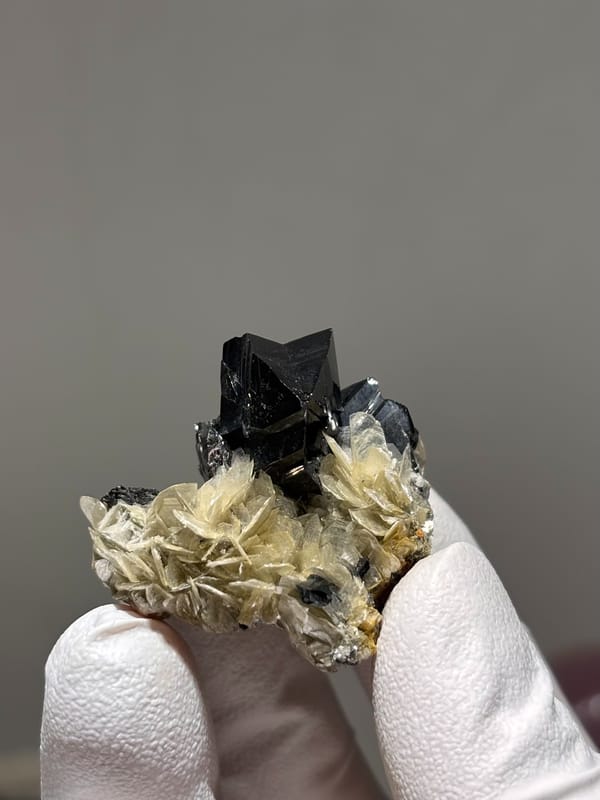
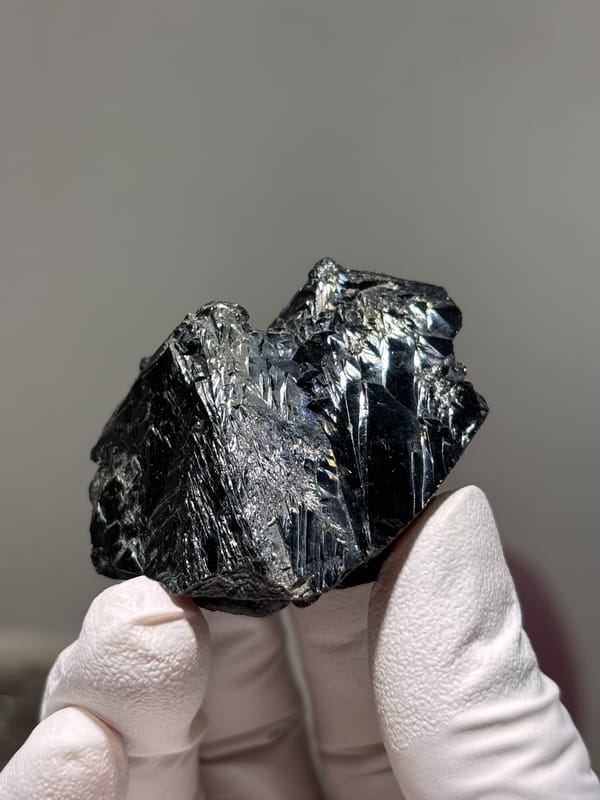
Cassiterite is the principal ore of tin and the signature heavy mineral of the Xianghualing-Xuebaoding-Gejiu axis. Black or deep brown adamantine pyramids, often twinned into a dramatic visor or knee shape, define the species visually. China is both the largest producer of tin and the source of celebrated specimen material.
Notable varieties
- Visor twin / knee twin (twinned crystal)
- Wood tin (botryoidal habit)
The Chinese angle
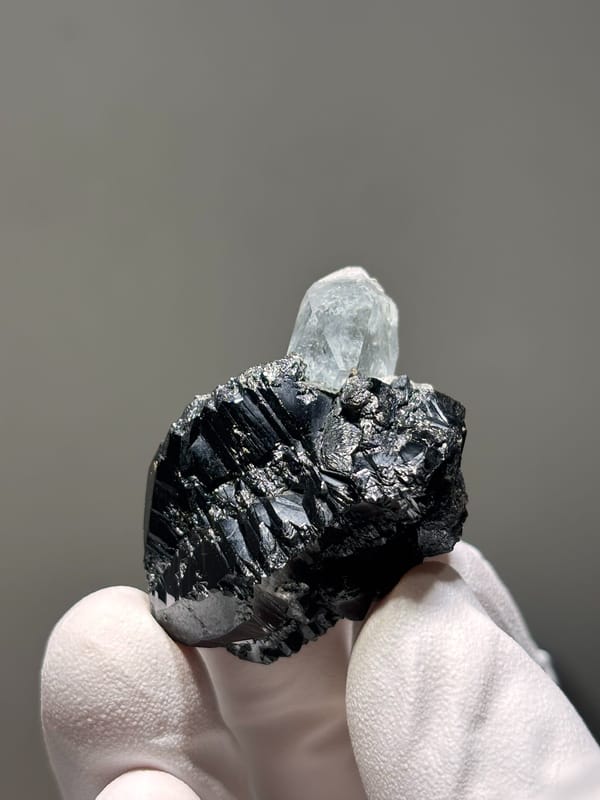
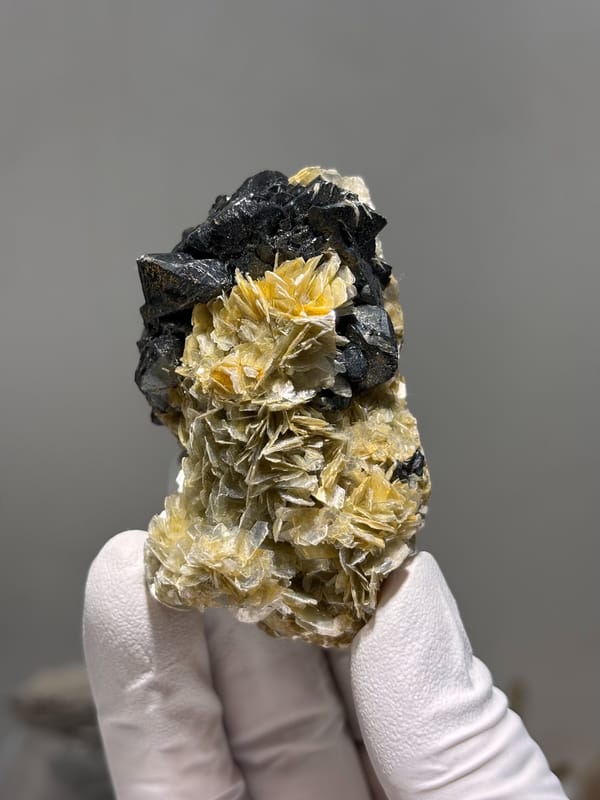
The Xianghualing district in Hunan and Xuebaoding in Sichuan produce gem-quality cassiterite twins, often translucent reddish-brown, in matrix combinations with fluorite, beryl, and muscovite. Gejiu in Yunnan supplies the bulk industrial output.
Cassiterite — localities and judging quality
For specimens, the Xianghualing district in Hunan and Xuebaoding in Sichuan are the key Chinese sources — gemmy reddish-brown twinned crystals on muscovite or with fluorite and beryl — while the Gejiu tin district in Yunnan yields more opaque black material. Sharp “visor” or “knee” twins, adamantine lustre, translucency, and undamaged terminations drive value; the gemmy Xuebaoding twins are the most prized.