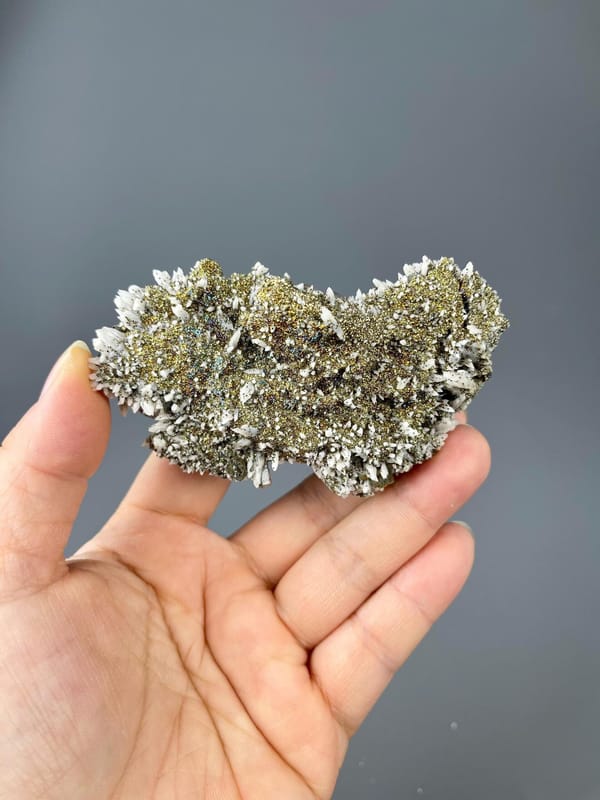
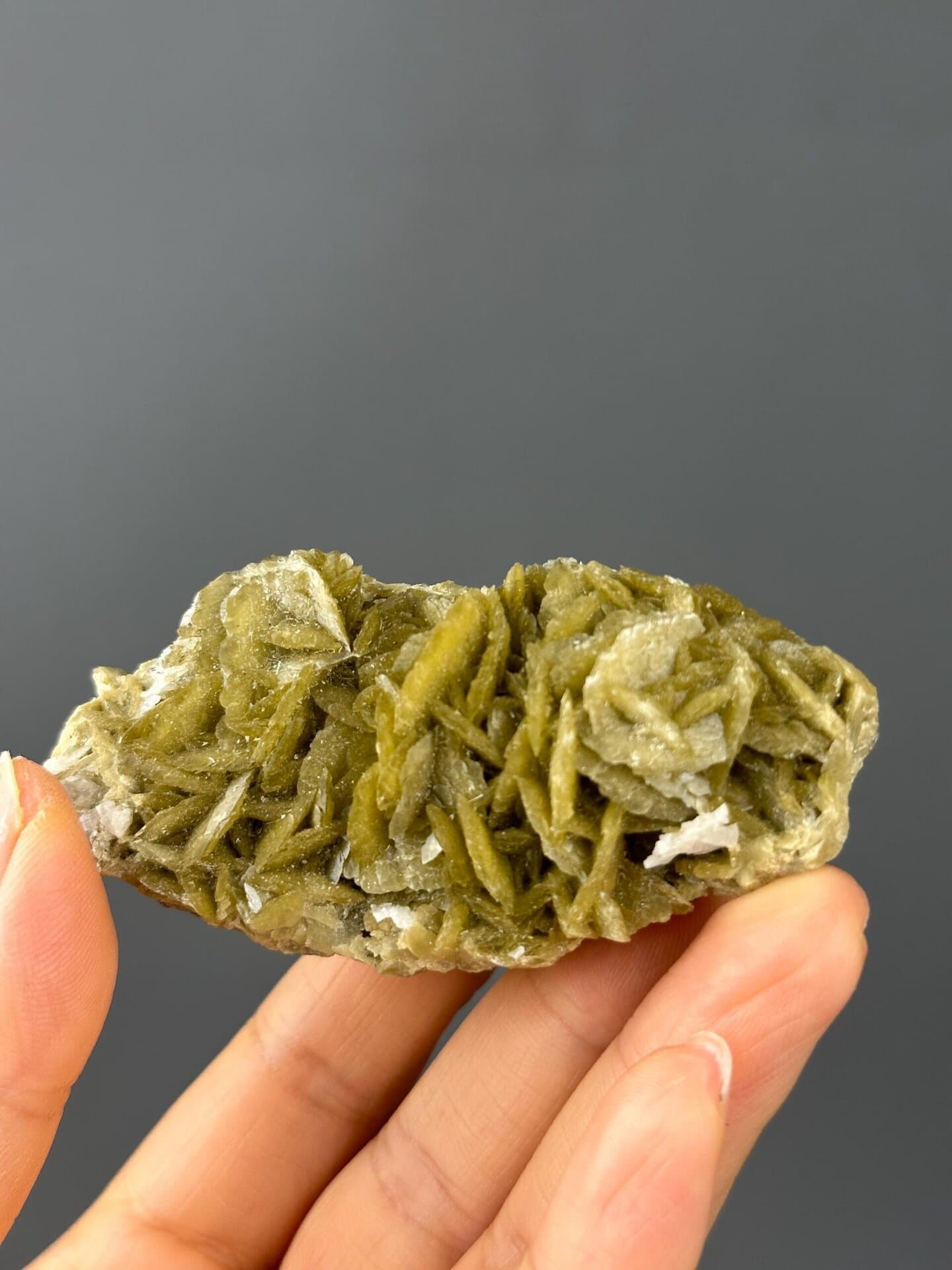
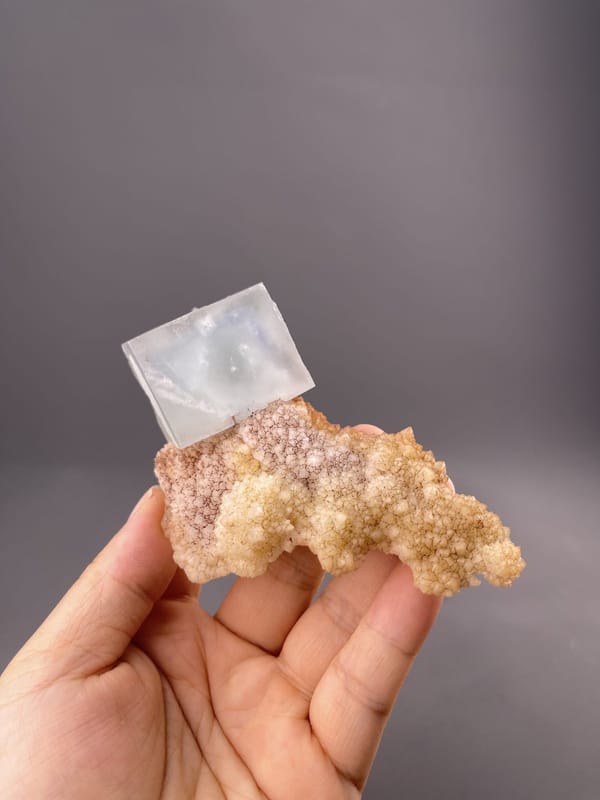
Dolomite
Curated by Maggie Liu · Updated:
Dolomite is a carbonate mineral prized by collectors for its exceptional color range, with several world-class Chinese localities.
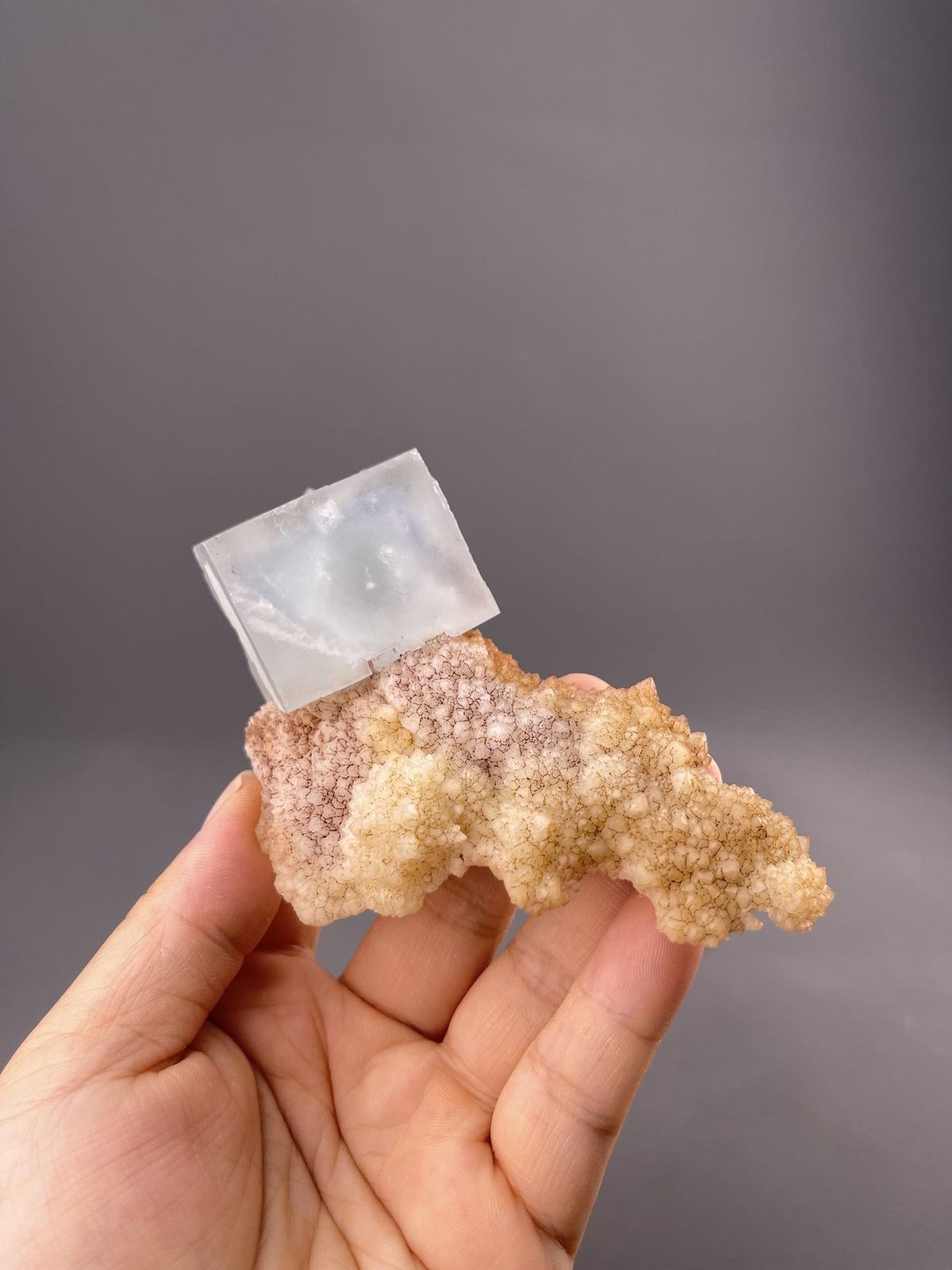
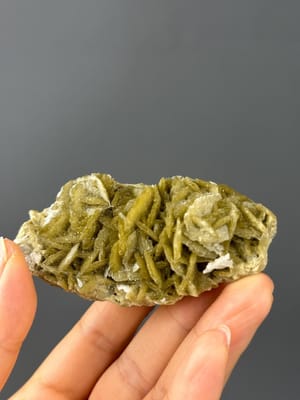
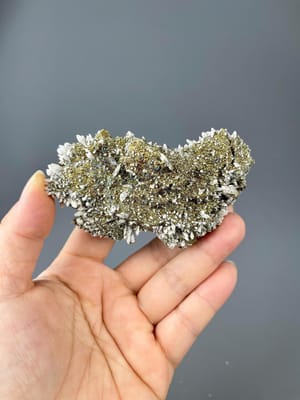
About Dolomiteextended article
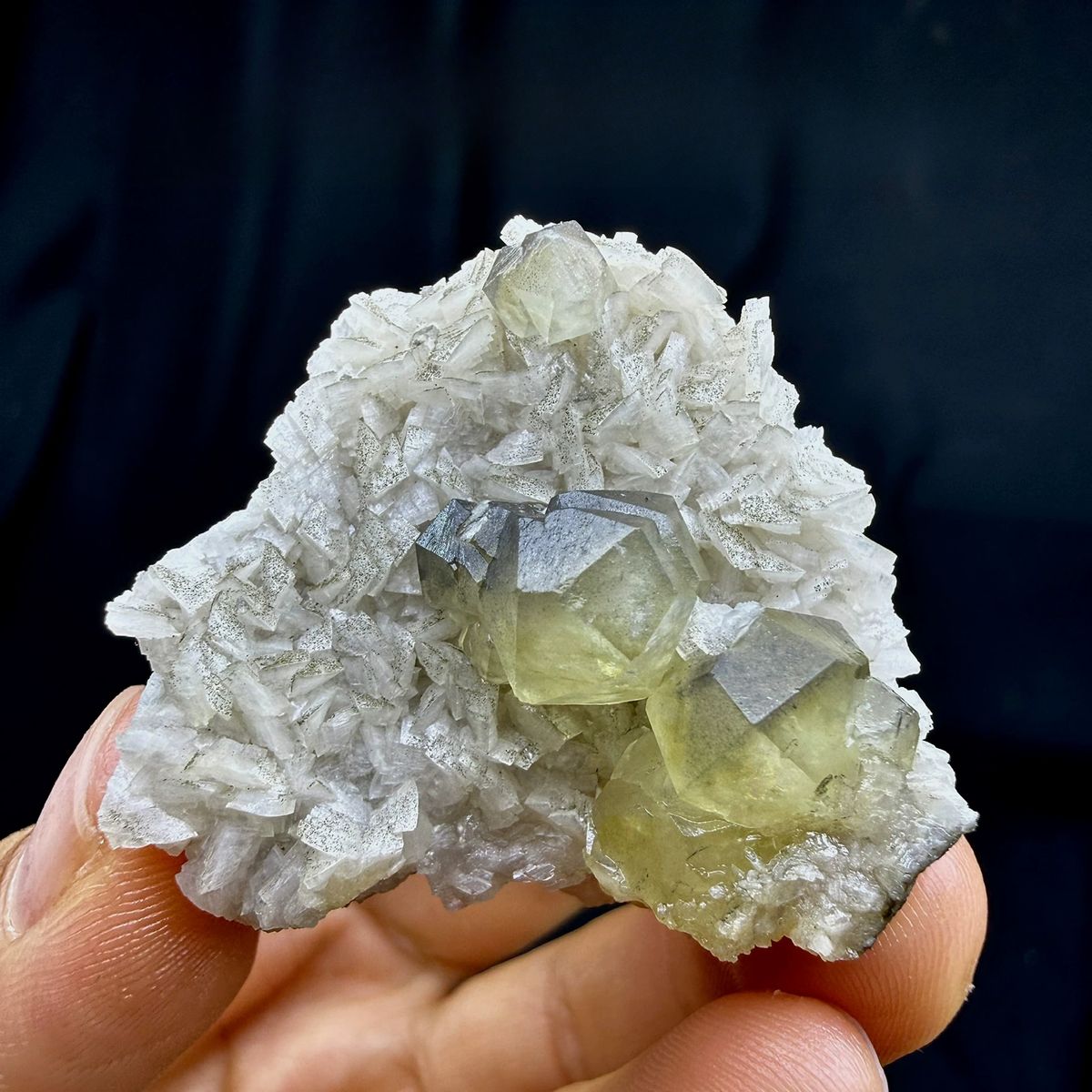
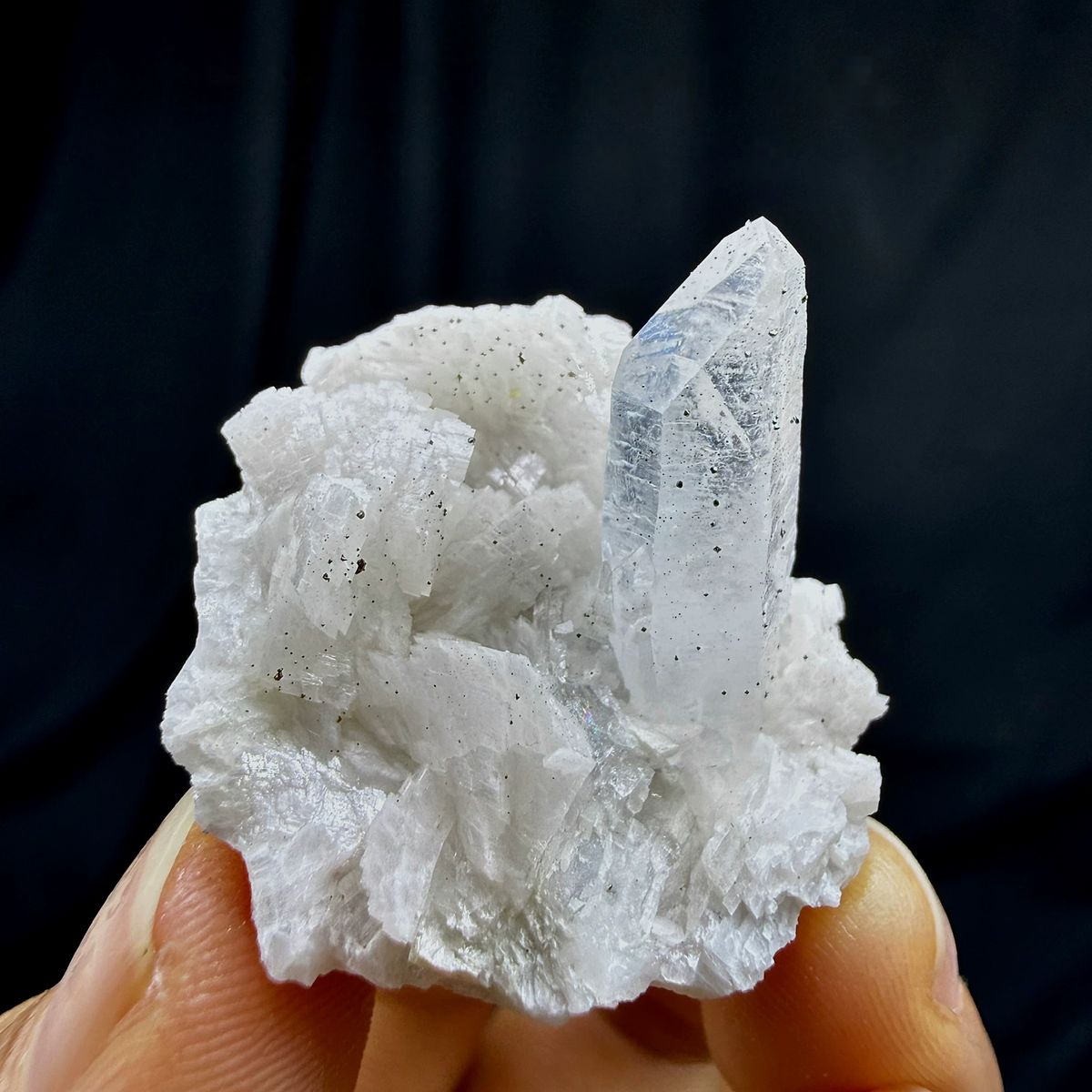
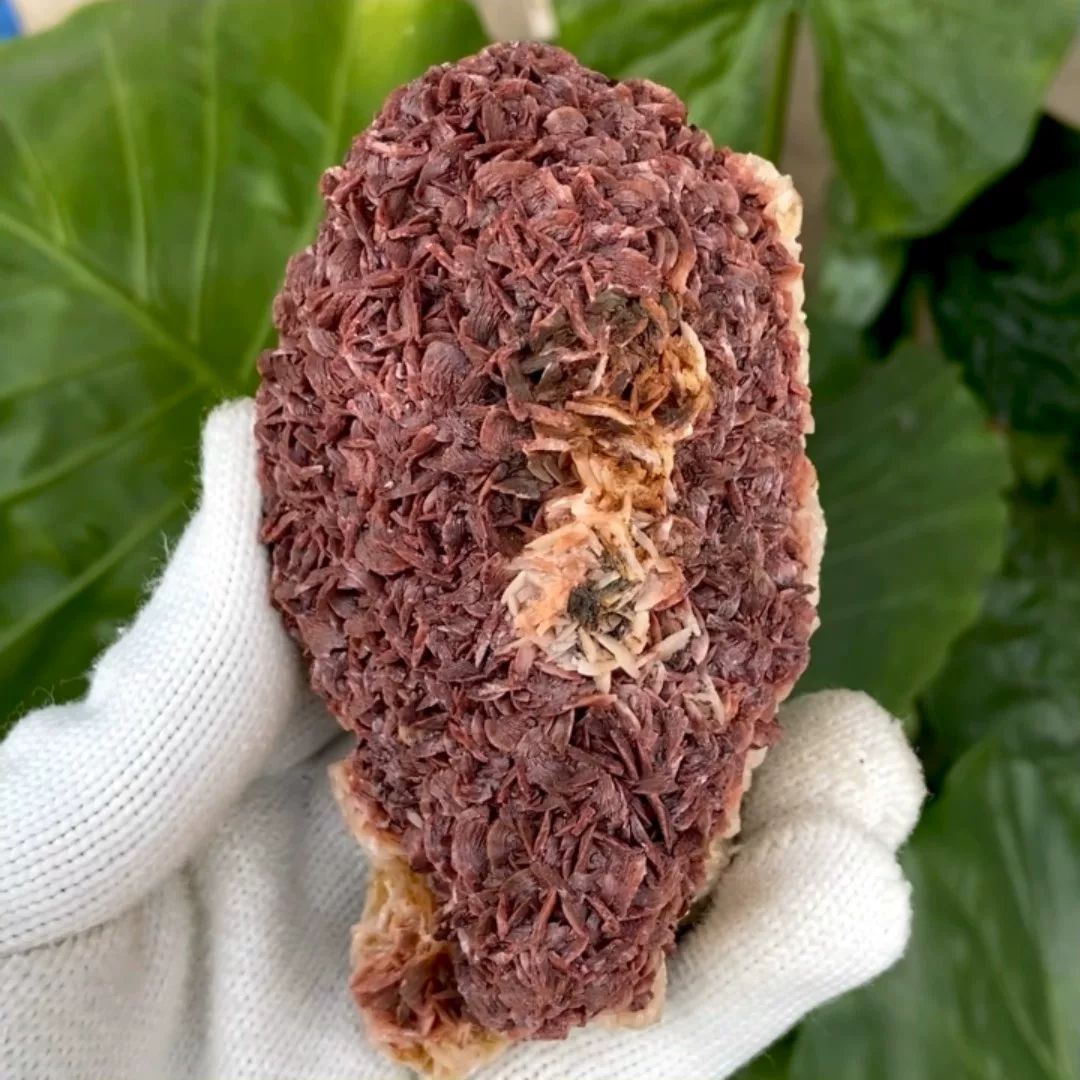
Dolomite is both a rock-forming mineral and the name of the rock it builds. As a mineral it is a calcium-magnesium carbonate that crystallises as rhombohedra, frequently with gently curved, 'saddle-shaped' faces and a soft pearly to vitreous lustre in white, cream, grey or an attractive pink.
Identifying dolomite
Dolomite is moderately soft (3.5–4) with perfect rhombohedral cleavage. It resembles calcite but reacts only slowly with cold dilute acid (calcite fizzes vigorously), and its crystals often show the distinctive curved, saddle-like form. It occurs in dolostone, in hydrothermal veins, and as a gangue mineral lining vugs in ore deposits.
Where it is found
Dolomite is extremely widespread. Crystallised collector specimens come from Spain (Eugui), Brazil, Mexico and the Tri-State district of the United States. In China, dolomite is common in the carbonate-hosted lead-zinc and other ore districts, where pink or white rhombs frequently accompany sphalerite, galena, fluorite and quartz.
What collectors look for
Lustrous, well-formed rhombs — especially gemmy pink ones or sharp white crystals perched on a contrasting matrix — are the most desirable. Aesthetic combinations with sulfides or fluorite add value.
About Dolomite
Dolomite is a carbonate mineral in the dolomite group and has the chemical formula CaMg(CO3)2. It crystallizes in the trigonal system and is one of the most visually varied minerals in the collector market. Its combination of structural character and global distribution make it a recognized species in both systematic and aesthetic collections.
Identification & care
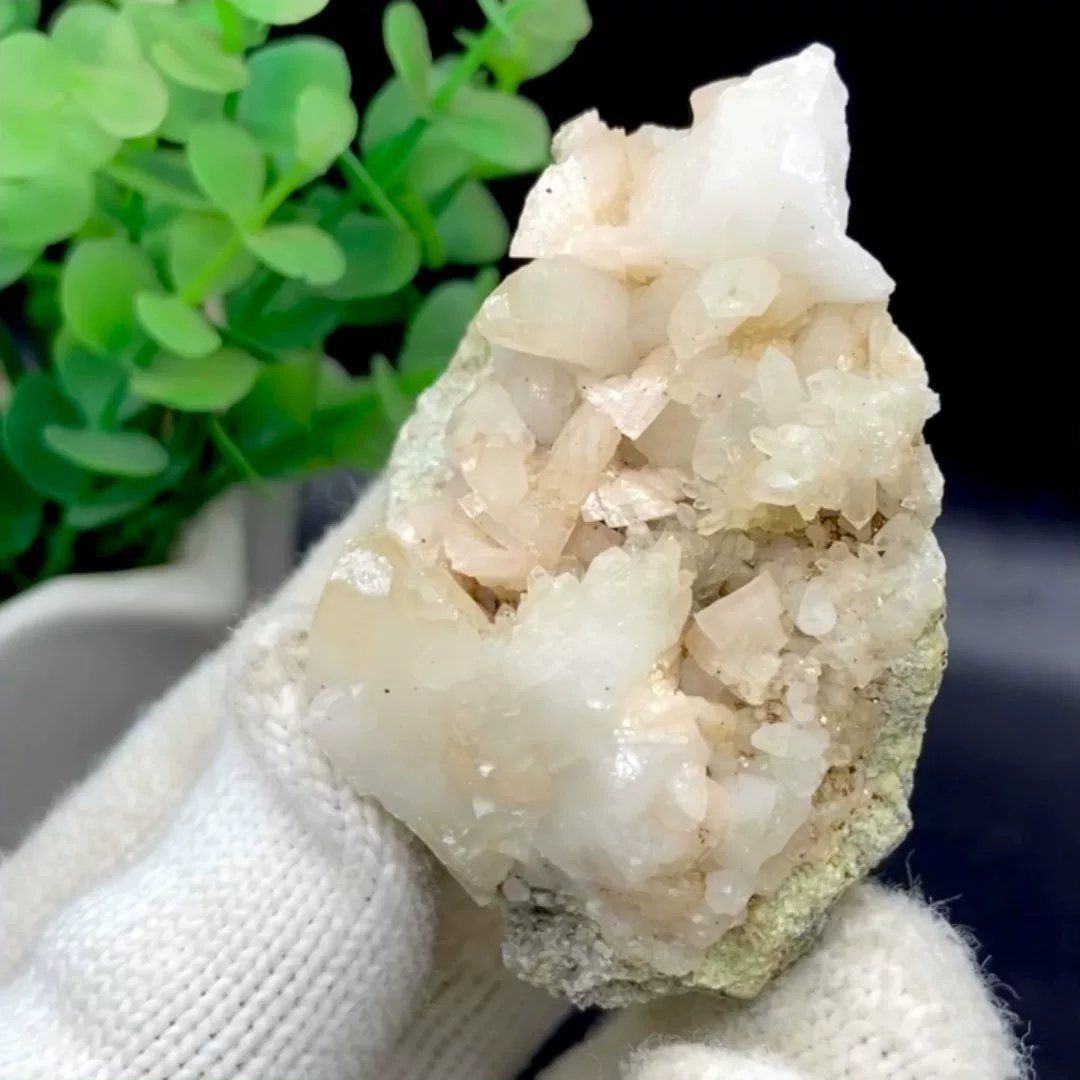
Specimens usually show rhombohedral crystals with characteristic curved 'saddle' faces (baroque dolomite); also massive, granular, columnar. Its color range is broad, including white, colorless, gray, pinkish, yellowish, and brownish. The luster is vitreous, pearly, the streak is white, and specimens range from transparent to translucent. The cleavage is perfect on {10-14} — three directions forming rhombohedra. The fracture is subconchoidal to uneven, which aids identification.
Collector context
How it forms
In terms of geology, Dolomite forms in sedimentary — diagenesis of limestone; hydrothermal veins; metamorphic (dolomite marble); diagenetic replacement of calcite. It is commonly found in association with calcite, quartz, siderite, magnesite, sulfides, fluorite.
Classic Chinese localities
Documented Chinese occurrences are recorded at Shangbao Mine, Jiama Cu-polymetallic deposit and Xianghualing Sn-polymetallic ore field, among others.
Why collectors care
Dolomite is a frequently-sought species in serious collections because its habit is recognizable, its color often strong, and its best examples unmistakable even at a distance. Chinese material has driven much of the recent visual shift in the species — sharper crystals, deeper colors, cleaner matrix.
What affects value
Value in Dolomite is assessed, in typical order of weight, against: (1) locality provenance; (2) size relative to the species norm; (3) crystal form and termination sharpness; (4) color saturation and zoning; (5) transparency and internal clarity; (6) matrix quality and aesthetic balance; (7) condition (absence of damage, chips, or repair). Cleaning quality and verified locality documentation act as multipliers across the above.
Frequently asked questions
What is Dolomite?
Dolomite has the chemical formula CaMg(CO3)2, crystallises in the Trigonal system, has a Mohs hardness of 3.5–4. Dolomite is a carbonate mineral prized by collectors for its exceptional color range, with several world-class Chinese localities.
What is the chemical formula of Dolomite?
The chemical formula of Dolomite is CaMg(CO3)2.
What crystal system does Dolomite belong to?
Dolomite crystallises in the Trigonal crystal system.
Where is Dolomite found?
Notable localities for Dolomite include Wanshan Mine, Guizhou Province, Fankou Pb-Zn Mine, China.