
Lapis Lazuli Guide: History, Properties and Collecting
Lapis lazuli is a deep blue metamorphic rock composed primarily of lazurite, with variable amounts of calcite, pyrite, and other minerals. Prized for over 6,000 years, lapis was one of the first gemstones to be mined and traded across the ancient world. Medieval European painters ground lapis into ultramarine pigment, the most expensive paint color of the Renaissance.
What Makes Up Lapis Lazuli
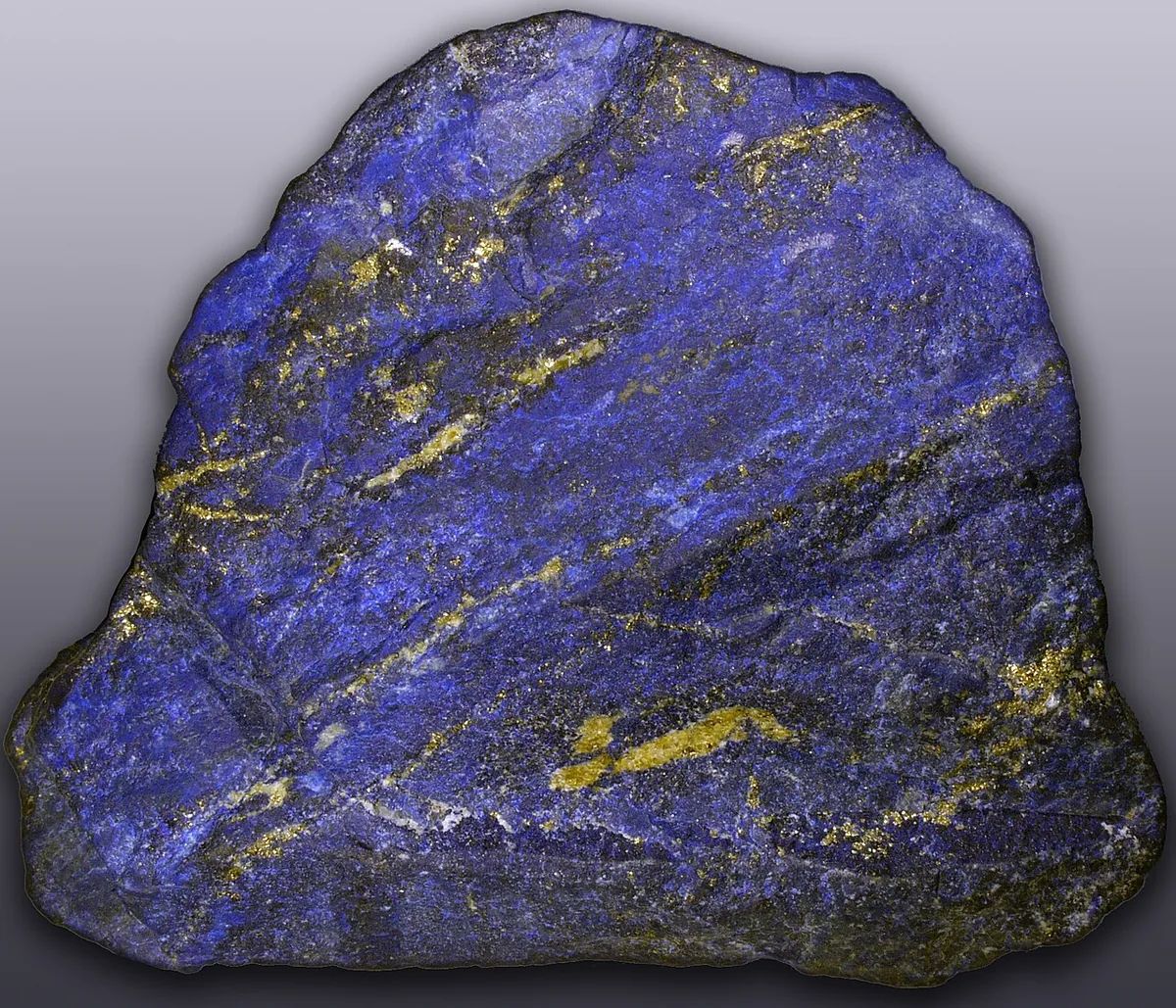
Lapis lazuli is technically a rock rather than a single mineral. Lazurite provides the deep blue color from sulfur trapped in the crystal structure. Calcite appears as white streaks. Pyrite creates the characteristic golden metallic flecks. The finest lapis contains minimal calcite, intense uniform blue lazurite, and well-distributed pyrite specks.
Where Lapis Lazuli is Found
Afghanistan’s Badakhshan Province has been the premier source for over 6,000 years. The mines of Sar-e-Sang produce celebrated material. Chile produces lighter blue material. Russia’s Lake Baikal region yields good-quality lapis. Afghan lapis remains the global standard.
Collecting Lapis Lazuli
Raw lapis specimens are collected for their natural beauty and geological interest. When purchasing, examine under good lighting for uniform color distribution. Lapis rates 5 to 6 on Mohs scale and should be protected from acids. Explore our blue crystal collection for related minerals.