
Sar-i-Sang
Curated by Maggie Liu · Updated:
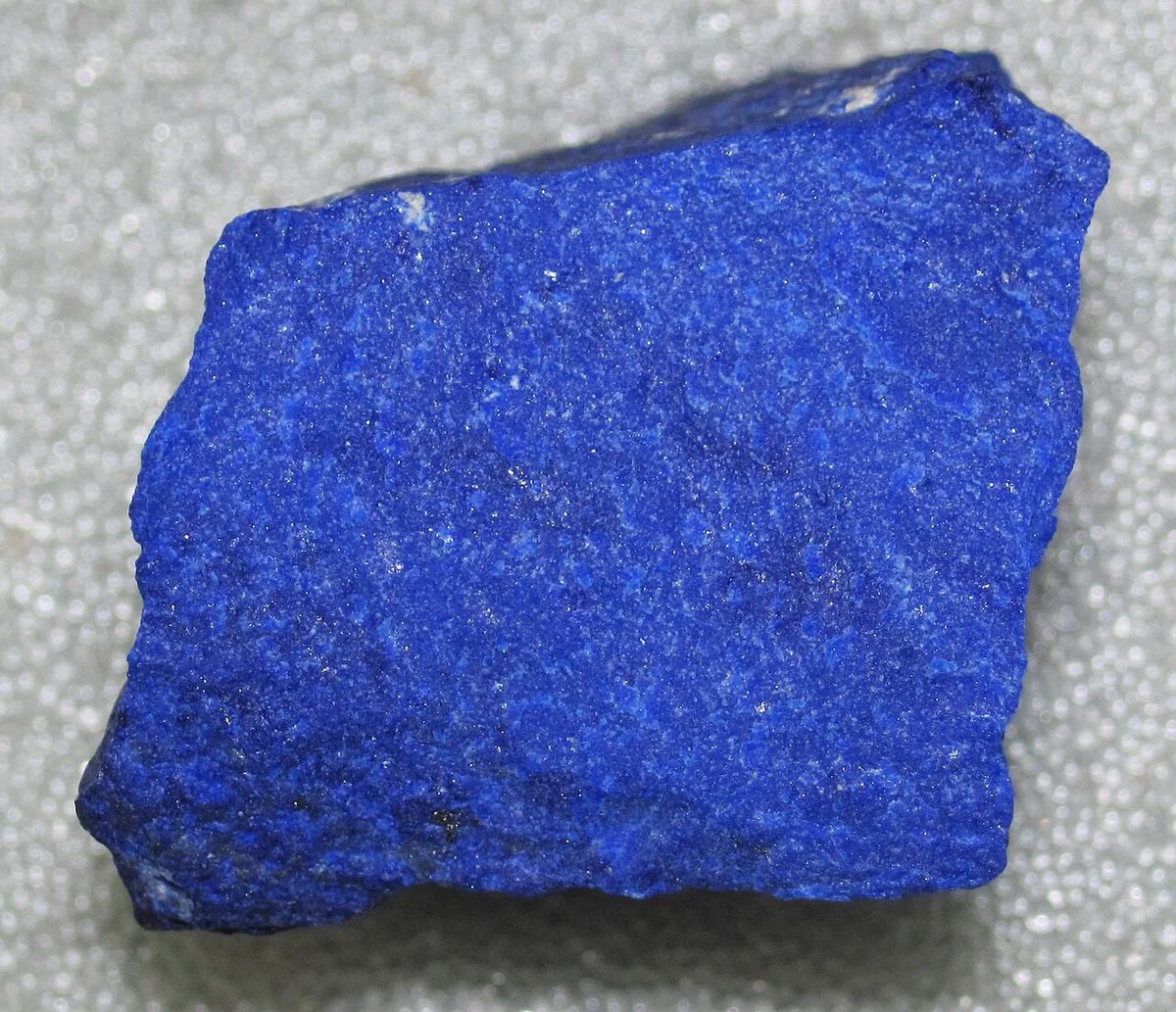
Sar-e-Sang, in Badakhshan, Afghanistan, is the world's oldest and most famous source of lapis lazuli, worked for over six thousand years.
About Sar-i-Sangextended article
What it is known for
The Sar-e-Sang marbles host deep-blue lapis lazuli (rich in lazurite), often flecked with golden pyrite and white calcite — the material prized since antiquity.
What collectors look for
Intensely blue lapis with even colour and attractive pyrite flecking is the prize; crystallised lazurite is a collector rarity.
Frequently asked questions
Where is Sar-i-Sang?
Sar-i-Sang is a mineral locality in Badakhshan, Afghanistan. It lies at approximately 36.1800°N, 70.8500°E. Elevation is about 2200 m.
What minerals are found at Sar-i-Sang?
Signature minerals from Sar-i-Sang include Lapis Lazuli, Lazurite. The locality lies in Badakhshan, Afghanistan, and each mineral links to a full reference entry with formula, crystal system, and collector notes.
What is Sar-i-Sang known for?
Sar-e-Sang, in Badakhshan, Afghanistan, is the world's oldest and most famous source of lapis lazuli, worked for over six thousand years.
Looking for specimens from Sar-i-Sang?
Our inventory is one-of-a-kind and turns over quickly. Tell us what you're after and we'll notify you when a matching Sar-i-Sang specimen arrives from our sourcing network.
Request a specimenReferences and further reading
This locality on Wikidata.