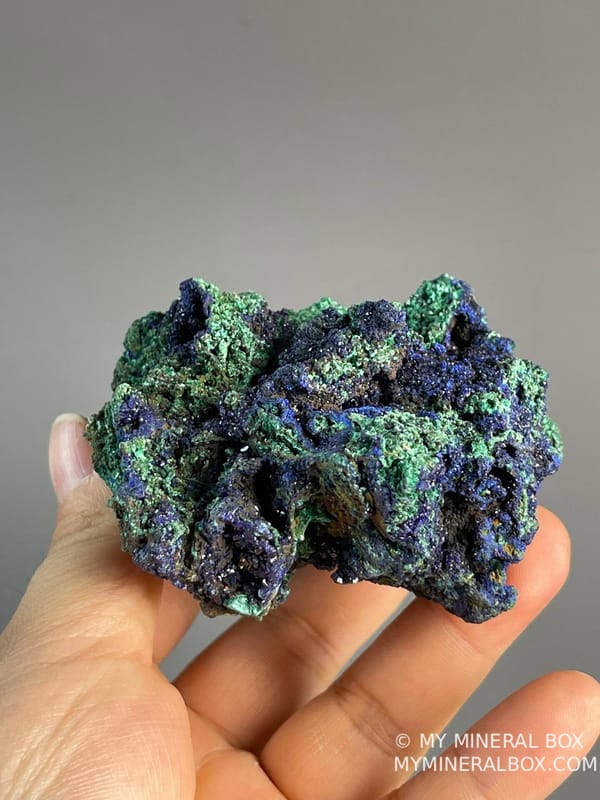
I received six rocks in my purchase order all as expected, and I will use mineral box again

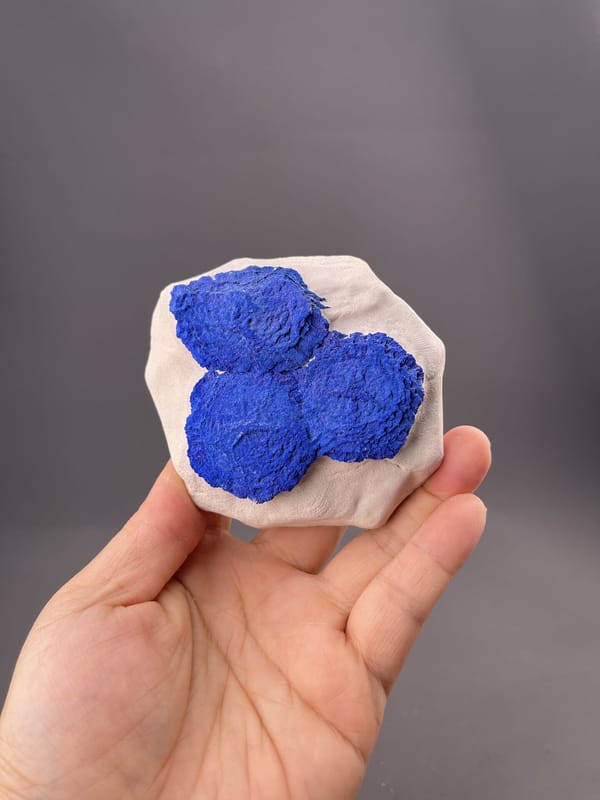
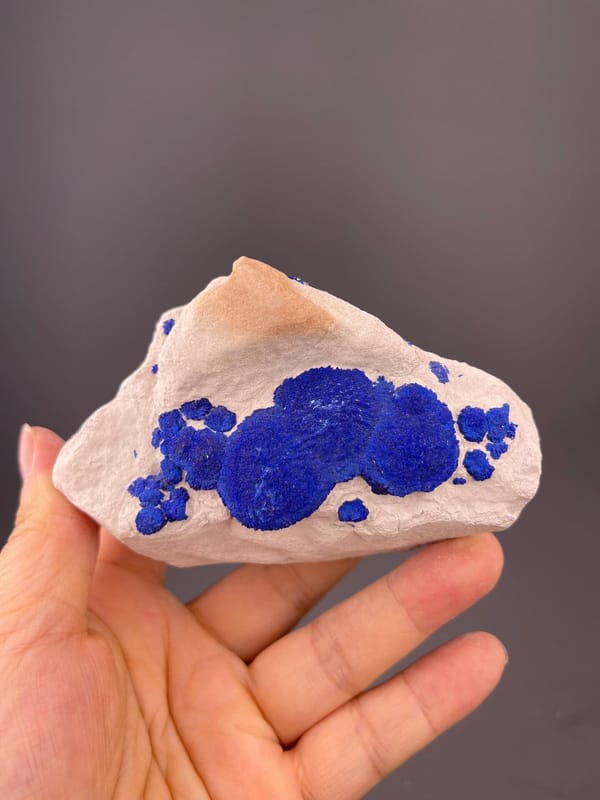
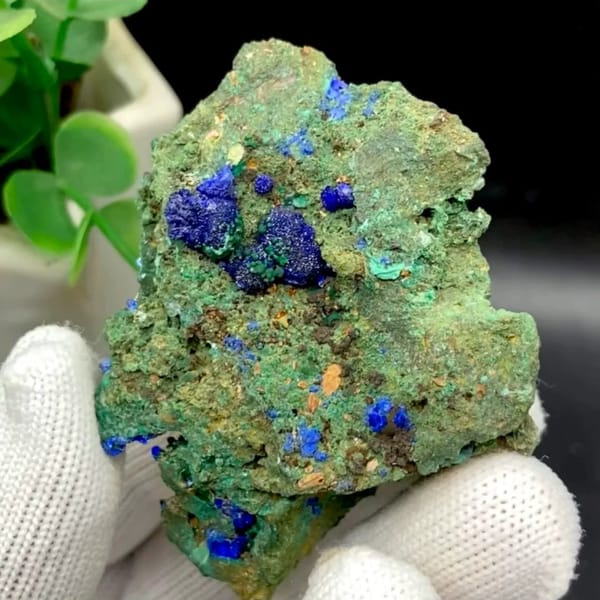
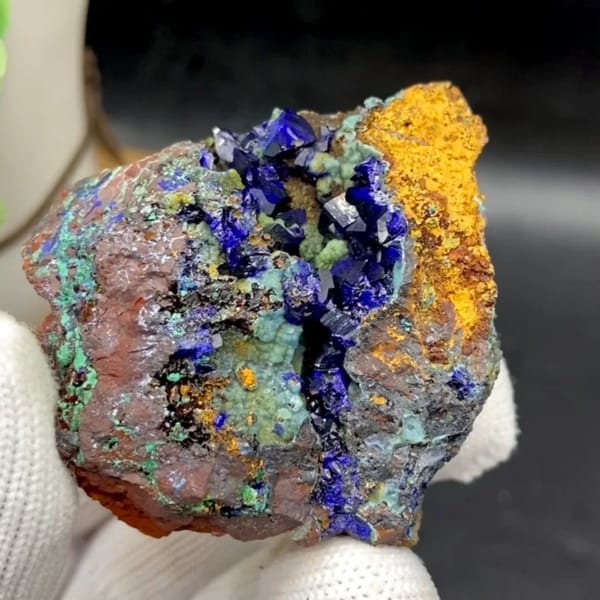
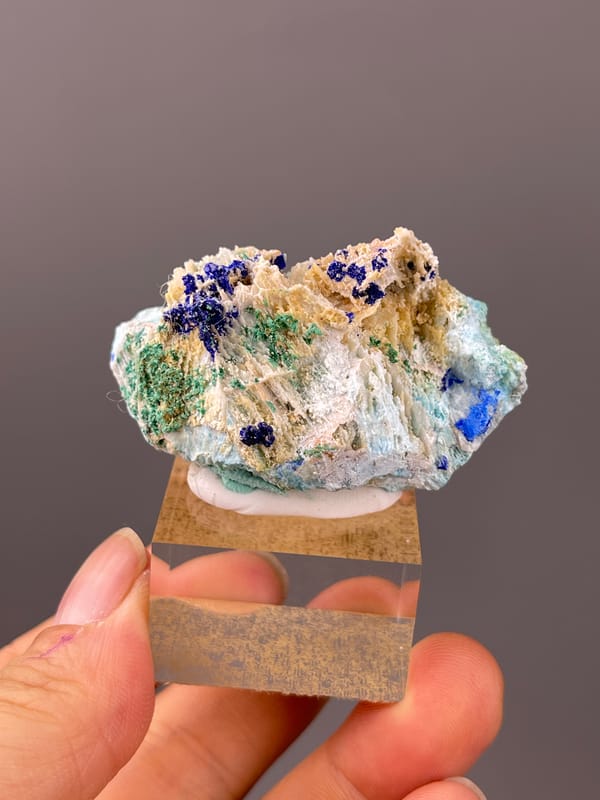
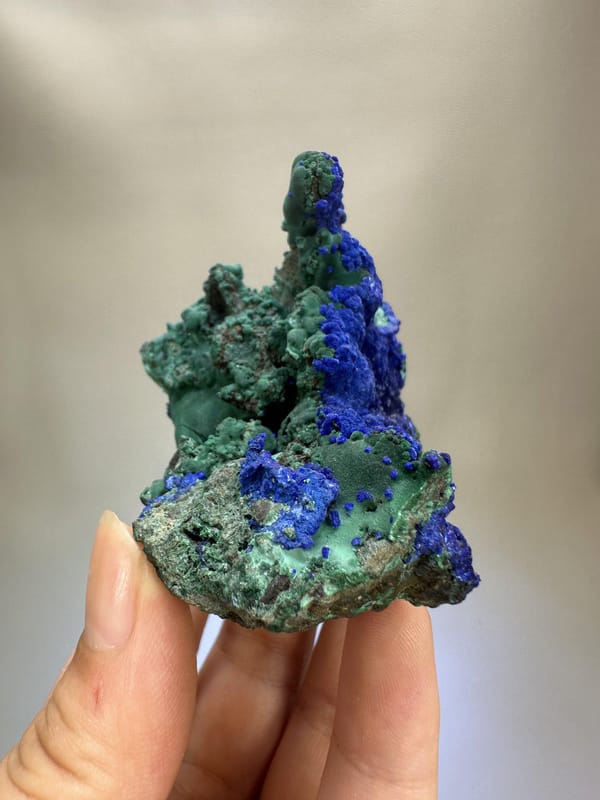
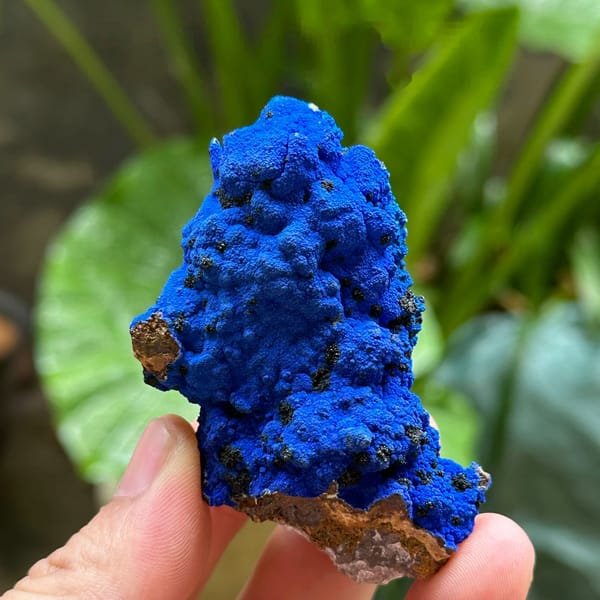
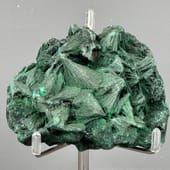
The Azurite Sun specimen from the Malbunka Copper Mine in Northern Territory, Australia weighs approximately 270 grams and measures about 90x80x35 mm, showcasing its vibrant blue color and distinctive textures.
Azurite Sun is a stunning natural formation known for its vibrant blue hue and rare sunburst texture. Sourced from the renowned Malbunka Copper Mine in the Northern Territory, Australia, this piece is a must-have for collectors and enthusiasts. Its unique form and mesmerizing pattern make it an exceptional addition to any mineral collection, offering both aesthetic beauty and geological significance.
Azurite, with the chemical formula Cu3(CO3)2(OH)2, crystallizes in the monoclinic system and typically exhibits a vitreous to dull luster. This specimen displays a rich, deep azure blue coloration that is characteristic of high-quality azurite, with a distinctive sunburst texture that radiates from the center, creating an eye-catching radial pattern. The crystals are mostly opaque with occasional translucent edges, enhancing the visual depth of the formation.
The Malbunka Copper Mine, located near Alice Springs in Central Australia, is known for producing fine azurite specimens with unique morphologies. This locality contributes to the piece’s collector value due to the relative rarity of azurite suns worldwide. Its size, form, and vibrant color make it well-suited for both display and study, appealing to mineralogists and collectors alike.
With a Mohs hardness of approximately 3.5 to 4, azurite requires careful handling to avoid scratches or damage. It is best displayed in a stable environment away from prolonged exposure to direct sunlight or moisture, which can affect its color and structural integrity over time.
Azurite is a carbonate mineral recognized among collectors for its crystal form and distribution, with several world-class Chinese localities.
Explore MyMineralBox specimens cataloged from Australia. Each listing shows the exact specimen offered with individual photographs, dimensions, weight, and recorded locality details.
Yes. Every specimen is a single, one-of-a-kind piece, and the photographs show the exact item you will receive — never a stock photo.
Yes — specimens like this form naturally. As is standard in the trade, some pieces are gently cleaned or trimmed; we photograph the actual specimen and describe its origin and condition conservatively.
Orders ship worldwide with fully insured, tracked delivery, carefully packed to protect fragile crystals.
Yes — there is a 14-day return window.
I received six rocks in my purchase order all as expected, and I will use mineral box again
Everything was good with my order I will buy from them again in the future
I am very pleased with the rock specimen. It was just like described.
This is a stunning piece of grape agate for a fair price. It was beautifully packaged and arrived quickly. I am so happy with my purchases from this vendor and look forward to securing more items from them in the future. Highly recommend this shop.
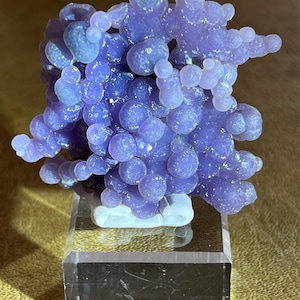
I am beyond thrilled with this transaction. The item is really beautiful and was so well packaged. It came very quickly and a very nice surprise is that it came with a little stand and the material to adhere it.
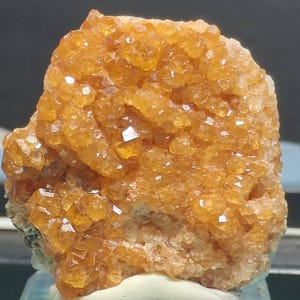
What a beautiful specimen of garnet. I am very happy with my purchase. It came well packaged and shipped quickly. They also included a nice gift. Thank you very much.
The fluorite is absolutely beautiful! It was packaged very carefully, and the seller communicates quickly. I highly recommend buying minerals from this shop😀
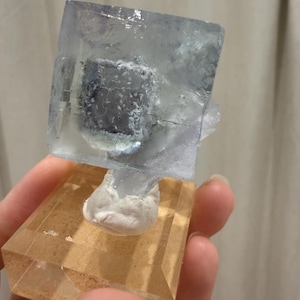
I received the mineral exactly as pictured. It's not an expensive mineral, but it's very beautiful. Thank you for the prompt shipping and excellent service. I highly recommend this shop😉❤️
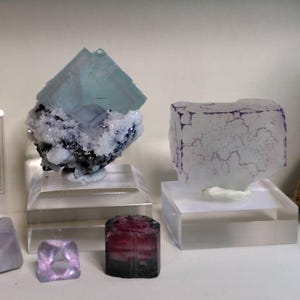
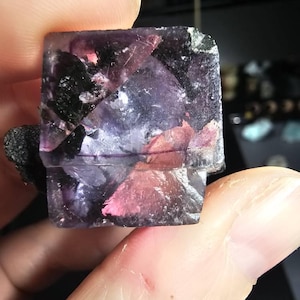
The mineral I received was exactly as pictured. It's not flashy, but it's a QR code fluorite that I've always wanted, and it's very beautiful. I love it!🥰
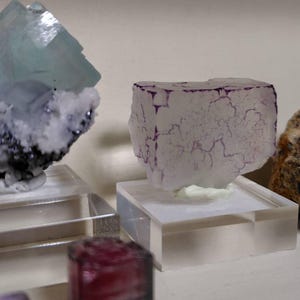
fluorita muy hermosa de gran tamaño, vendedora muy atenta siempre en comunicacion, el envio llego antes de la fecha programada, empacado con mucho cuidado, gracias
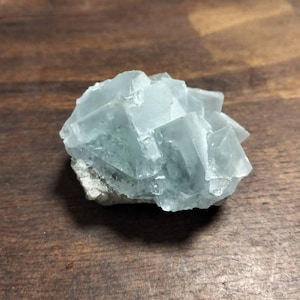
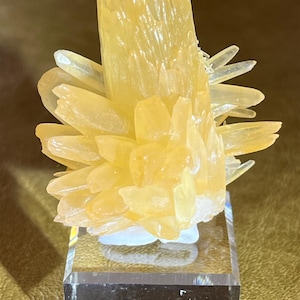
Very fine Sheelite of high quality and weight. Lovely with rich orange color. Packaged well and beautiful with stand included. Thank you- wonderful seller - great shop!!! Hugely recommended.
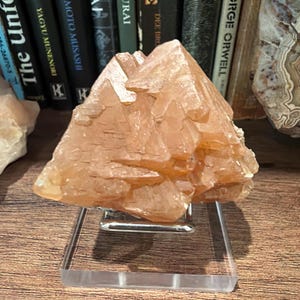
Absolutely stunning specimen. Packaged well! Thank you for including a free stand as well it’s much appreciated! Took a little while to ship out but it’s all good!! Thank you so much. I love it!
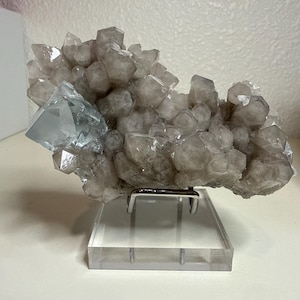
Beautiful authentic stone. Very fast shipping. Excellent 👍
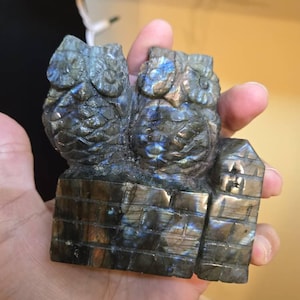
Lovely piece from a like seller with great communication. Indian quartz, a charming cluster. Very pleased
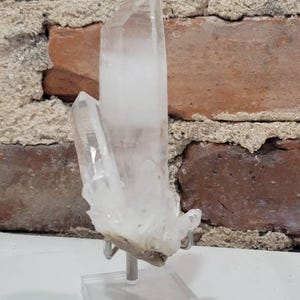
Reçu très rapidement. Très beaux cristaux.
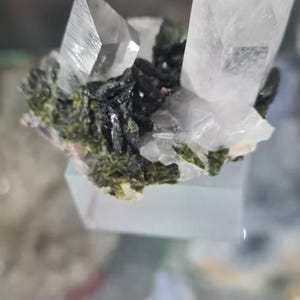
Clear, in perfect condition, which ia rare by itself, and here also location makes it a real collection best tier item. Thank you 🥹
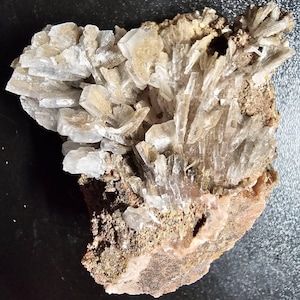
Another stunning mineral from Maggie. It has a CHARACTER which is not so often to get. I'm in love with every single piece from Maggie and this one is no exception.
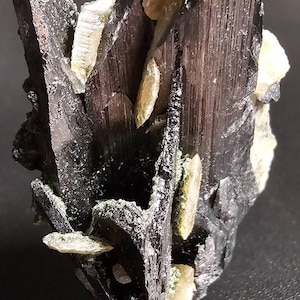
It's FENOMENAL. I'm so happy I decided to buy it. Cristals are in perfecf shape, big... I'm speachless. I think it's absolutely one of my best specimens. Thank you!
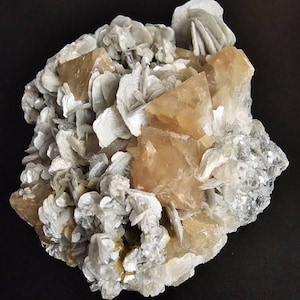
I'm obsessed with this fluorite. It's like the universe frozen in the box... Amazing. Can't stop looking at it 🥰
I have other wanadynites but this one is my favourite. Cristals itslef are small, but the overall composition is georgous 😍