福建省
Fujian, China
中國福建省——以幻影色帶螢石標本著稱。
Fujian — coastal fluorite and color-zoned classics
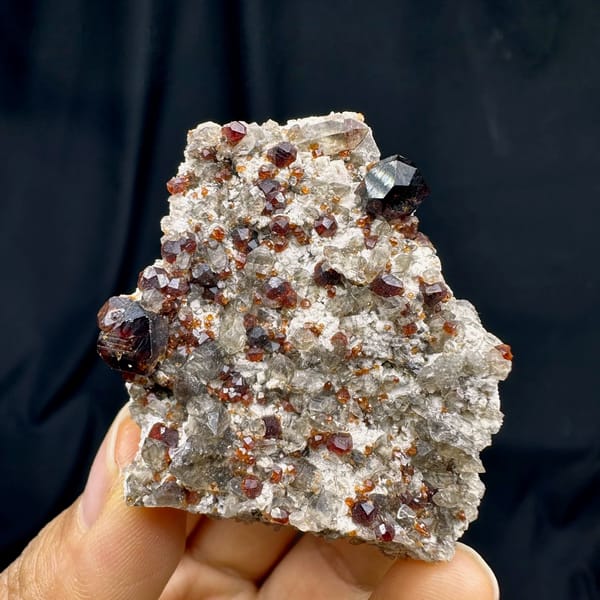
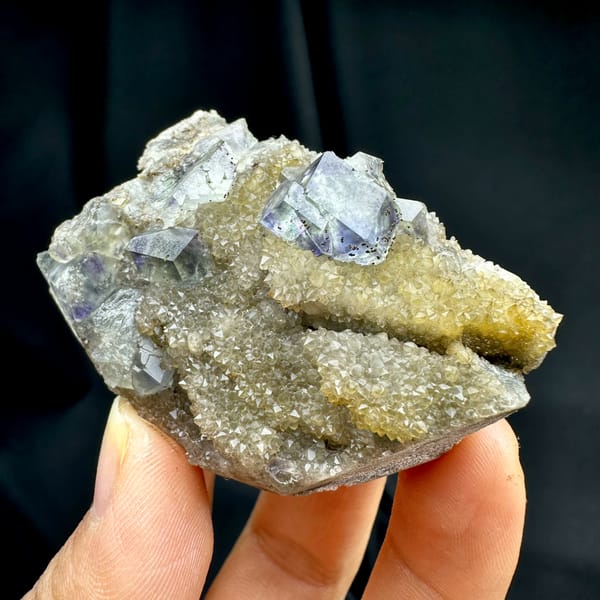
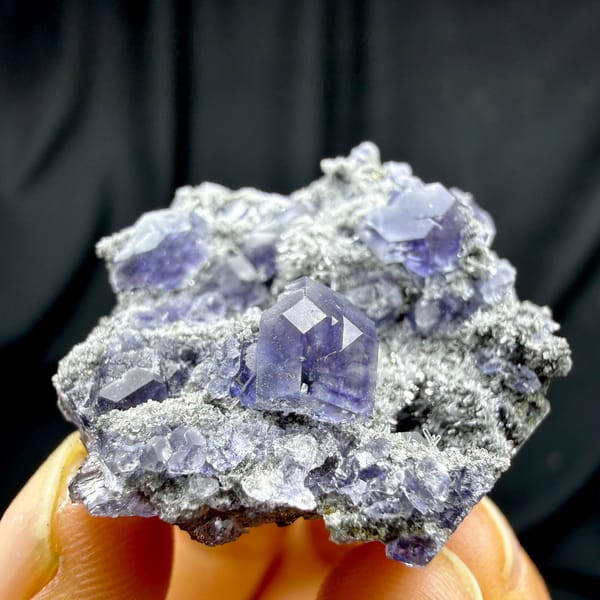
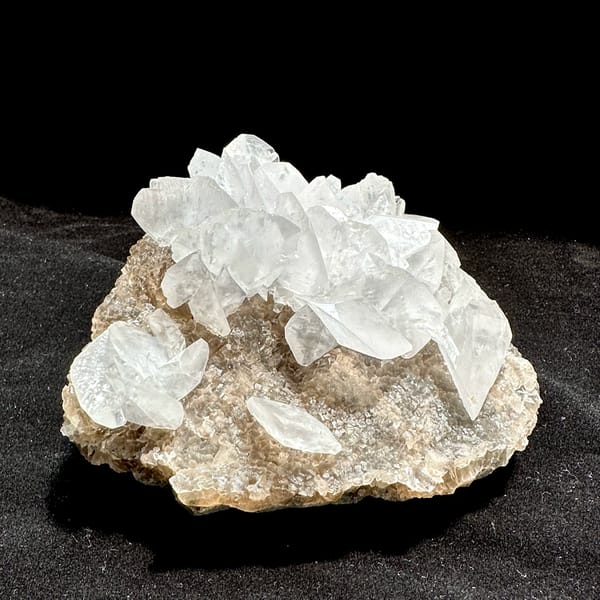
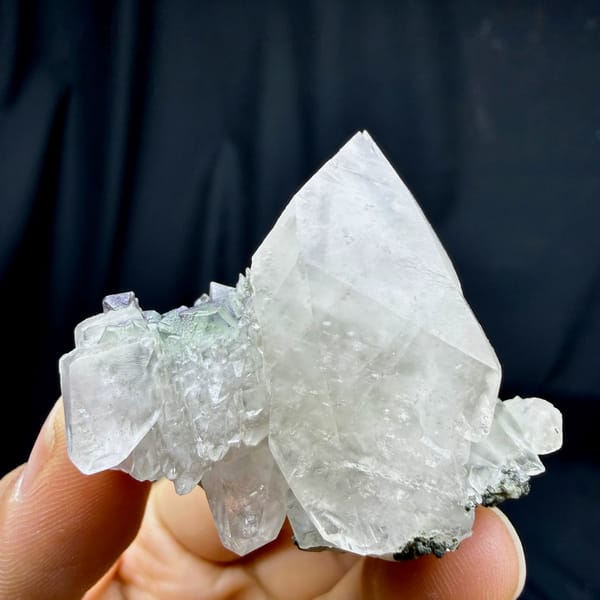
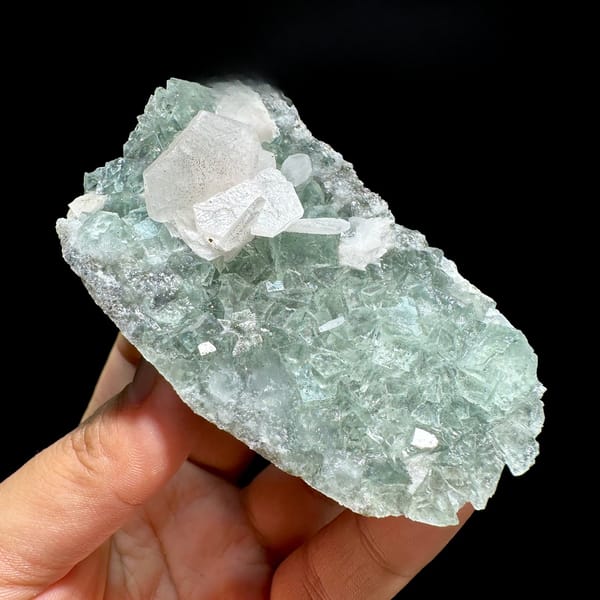
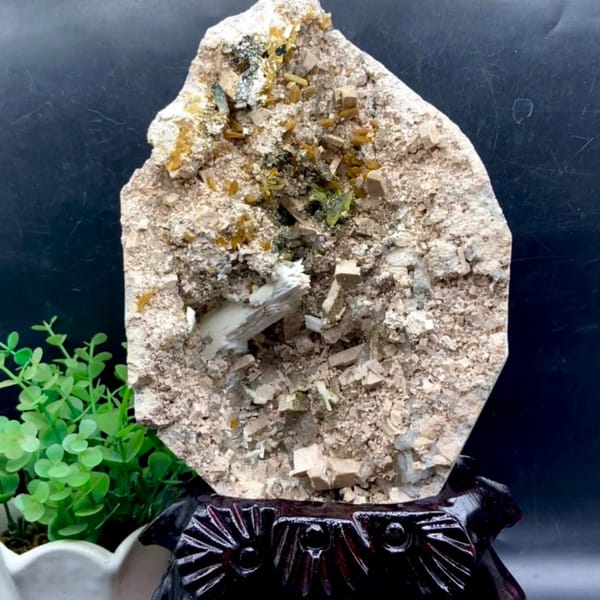
Fujian Province on China's southeast coast is best known among collectors for high-saturation green and purple cubic fluorite, often with sharp color zoning and well-developed phantoms. The province also produces calcite, quartz, and minor stibnite from its hydrothermal vein systems.
Geological setting
Fujian's fluorite deposits are hosted in faulted volcanic and volcaniclastic terrane of Late Mesozoic age, with later hydrothermal overprinting. The fluorite occurs in epithermal vein systems with low temperatures of formation — producing the sharp cubic habit and clear color preservation that Fujian material is known for.
What Fujian is known for
- Green and color-zoned cubic fluorite
- Purple-phantom fluorite with sharp zoning
- Fluorite + quartz combination pieces
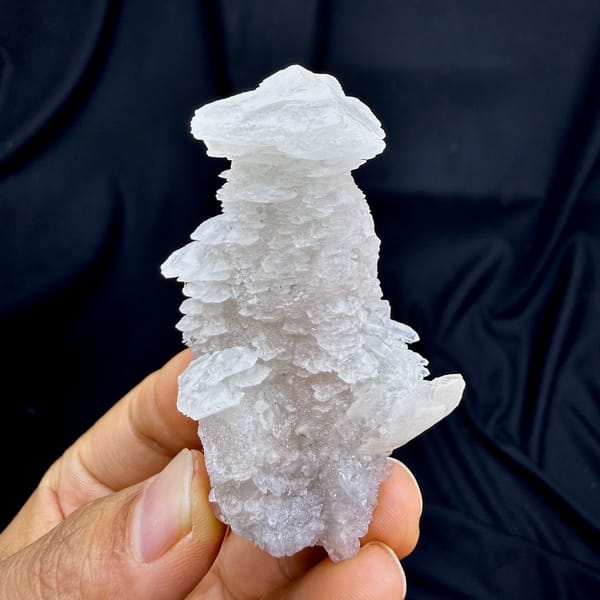
- Smaller production of associated calcite
Collector value
Fujian fluorite trades at a slight discount to Hunan because of lower locality recognition abroad, but the best Fujian pieces compete on color saturation and crystal sharpness. Color-zoned and gem-clear specimens are the value drivers.
From our inventory
Browse Fujian specimens or learn more in our fluorite buying guide.
Where it is mined
Published resource reviews identify Fujian as one of China's main fluorite-resource provinces. The mineral is worked across the province — for example in the Yongchun area (including the Xia Yang workings) and the Jiangle district (the Changkou deposit) — within the wider Nanling fluorite belt that straddles the Fujian–Jiangxi border, one of the most important fluorite-producing regions in the country.
From Our Sources
Fujian fluorite comes to us through dealer contacts on China's southeast coast, which is how we get to choose pieces one at a time rather than buy a flat sight-unseen. What we look for is straightforward: cube edges that are sharp rather than bruised, colour zoning that reads cleanly when the piece is backlit, and matrix left as it was collected instead of trimmed flat.
Everything we sell is natural, untreated material. Each specimen is photographed as the exact piece you receive, with its species and locality on the label — and where a locality attribution is debated in the literature, we print the label we were given and say so.