
A Late Start with Deep Roots
China is not a country that lacked appreciation for stone. Chinese royal families were collecting rare and beautifully shaped rocks as early as 200 BC, and the tradition of "viewing stones" — naturally sculpted rocks admired for their form and poetic associations — runs through two millennia of Chinese art and philosophy. What China never developed, however, was the European-style habit of collecting crystallized minerals as objects of science and natural art.
The reasons were partly historical. For much of the twentieth century, crystals encountered during mining were simply ore. Aesthetic collecting was discouraged during the Mao era, geoscience education for the public barely existed, and virtually every fine crystal found underground went to the refining mill or the waste dump. Meanwhile, Western museums had been carefully preserving specimens from their own mines for two centuries.
The Door Opens
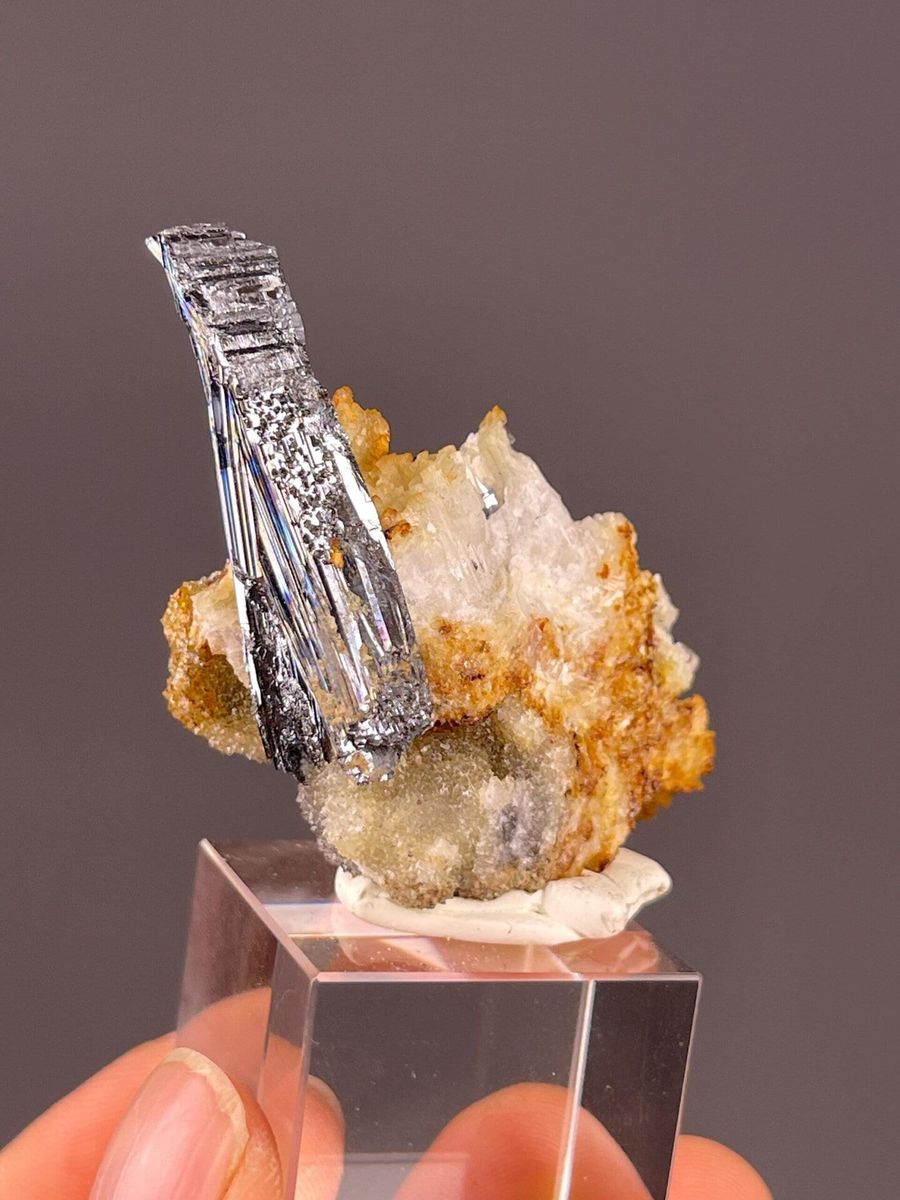
Everything changed after 1978, when Deng Xiaoping's reforms reopened China to the world. In 1980, the Geological Museum of Beijing brought a landmark exhibit of Chinese specimens — cinnabar, realgar, stibnite, azurite — to the Tucson Gem and Mineral Show. Many pieces never made the trip home; they were traded on the spot for American classics and cash, and Western dealers took notice.
The first true commercial hub emerged at the geological museum in Changsha, Hunan, where curator Zhou Xinkuang began selling to visiting collectors in the early 1980s. By 1985 the museum had opened China's first genuine mineral shop, sourcing specimens from nearby mines — above all the Yaogangxian tungsten mine, now documented in a dedicated Mineralogical Record monograph.
What followed was a remarkable education campaign, run not by universities but by dealers. Chinese wholesalers had to teach miners an entirely new vocabulary: what a "specimen" was, why an undamaged crystal tip mattered, how to wrap a fluorite so it survived the journey out of the mountain. The miners — many of them farmers working underground between harvests — learned fast. From the mid-1980s to the early 2000s, as thousands of small, hand-worked mines proliferated across southern China, a flood of world-class specimens reached the international market.
Rewriting the Record Books
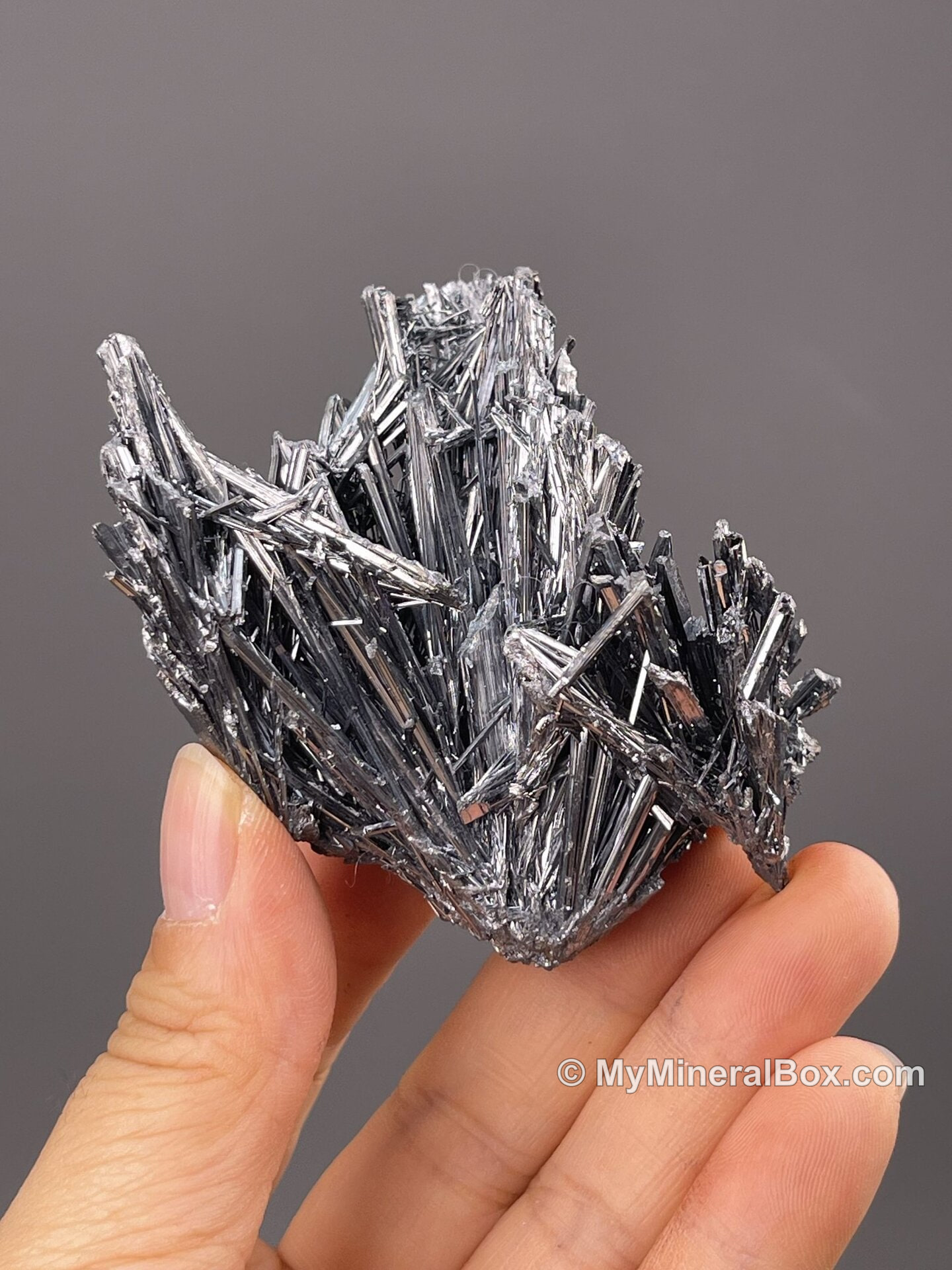
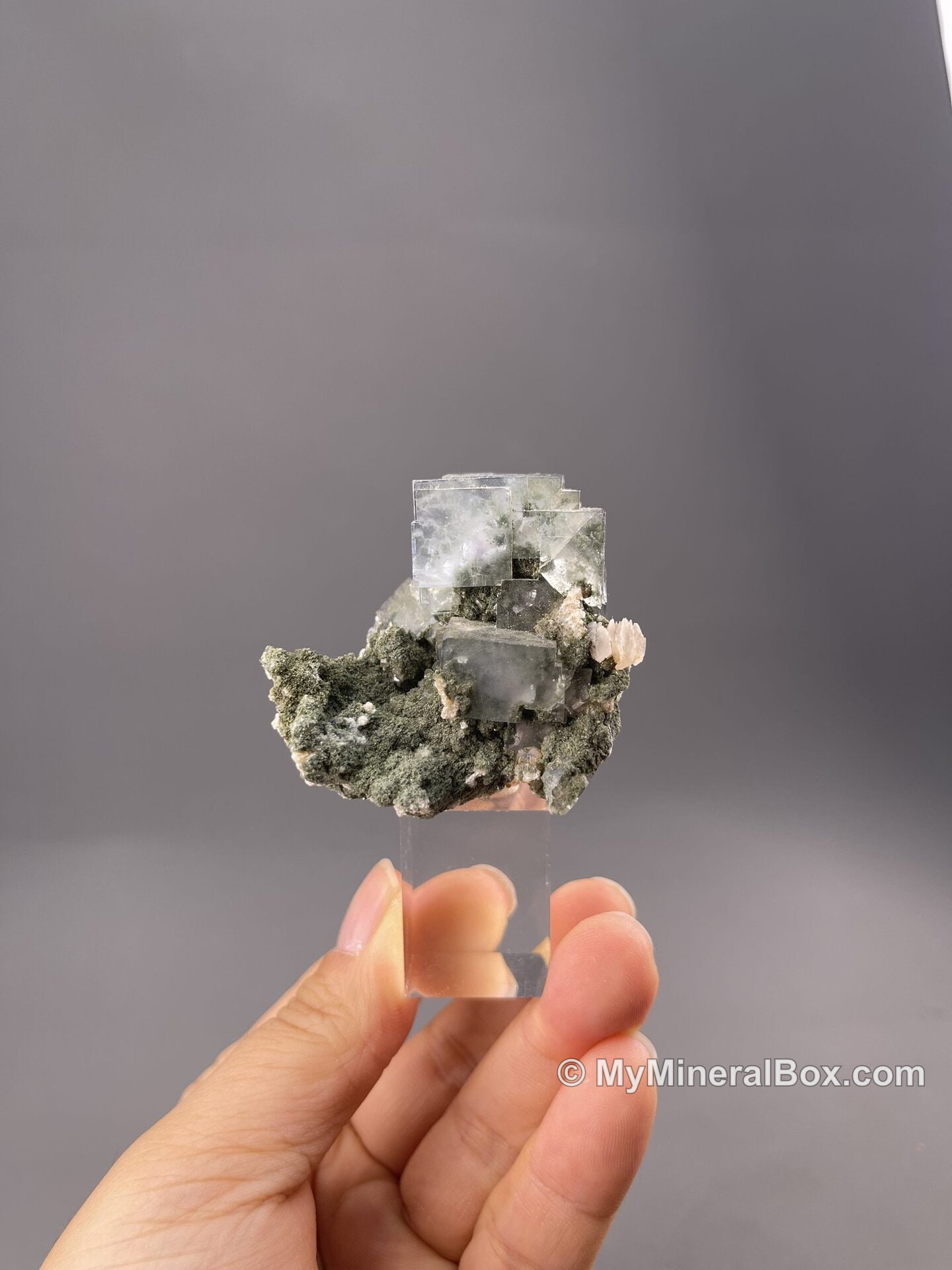
The results challenged some famous classic localities. The Mineralogical Record's Crystalline Treasures reports that Xikuangshan and Wuling stibnite surpassed Japanese crystals once regarded as the finest on Earth. The same publication describes Chinese fluorite comparing favourably with older Illinois and English classics. Daoping pyromorphite, Wutong rhodochrosite, Huanggang ilvaite and Xuebaoding scheelite each brought distinctive modern material to collectors.
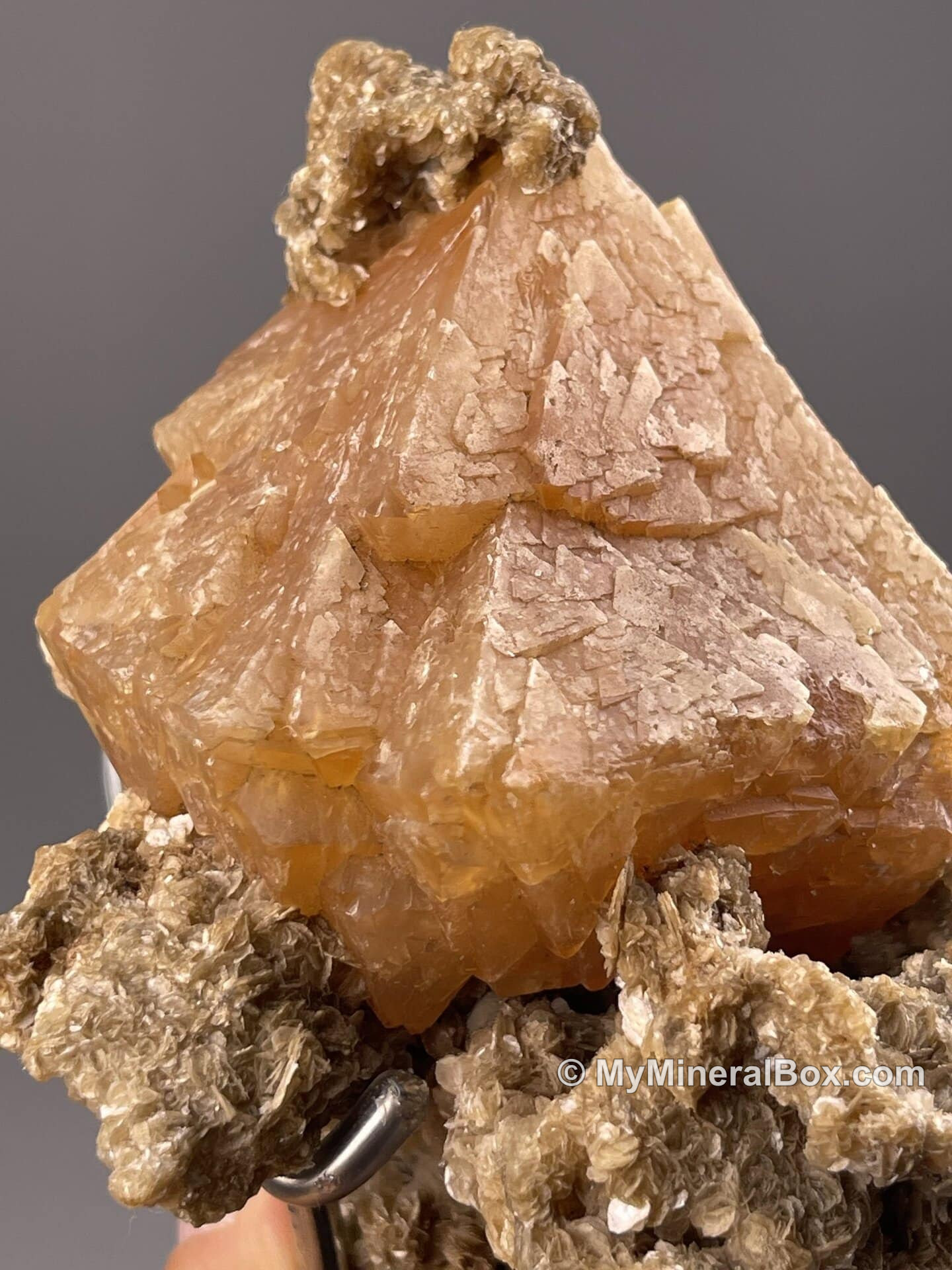
New species have come out of China too: hsianghualite, hubeite, ottensite and others were first described from Chinese localities, a reminder that this is scientific frontier as much as commercial bonanza.
China Collects China
The newest chapter may be the most important one. A prosperous Chinese middle class has discovered fine minerals, and specimens that once flowed almost exclusively westward are now being bought back. Mineral trading centers thrive in Changsha, Chenzhou, Huangshi and Guilin, with hundreds of millions of dollars changing hands annually. The government has funded modern natural history museums at an extraordinary pace, and international mineral shows in Changsha, Beijing, Chenzhou and Shanghai draw worldwide participation.
For collectors, the message is simple: we are living through the golden age of Chinese minerals. Small mines continue to close for safety and environmental reasons, and mechanized modern mining saves far fewer crystals than a farmer with an oil lamp and a hand hammer ever did. The specimens recovered during this brief historical window — roughly 1985 to today — may never be equaled.
At MyMineralBox we specialize in exactly this material: authentic, locality-documented Chinese specimens from the classic mines. Explore our China Mineral Hub for province-by-province guides.
---
The Market in 2026
The story is still being written. China's own collectors have become a major force: the 12th China (Hunan) International Mineral & Gem Expo in Changsha, held in May 2024, filled 60,000 square meters with roughly 1,200 booths and more than 600 exhibitors — a seven-percent increase over the previous year — as domestic museums, institutes and private buyers increasingly compete for the best material. At the same time, fine Chinese pieces remain central abroad: fluorite was the headline theme of the 2026 Tucson Gem & Mineral Show, with Chinese localities prominently represented.
Two forces are tightening supply. First, many of the small hand-worked mines that produced the specimen flood of the 1990s–2000s have closed or slowed, and high-grade resources are depleting. Second, strategic-metal politics now touches the specimen world directly: China introduced antimony export licensing in 2024, and stibnite — an antimony ore — has seen prices and scarcity climb as a result. For collectors, condition, locality documentation, and the production history of a deposit matter more than a broad promise of appreciation.
Sources and further reading
All text is original to MyMineralBox, based on our own sourcing experience and locality documentation. Image credits are shown with each photo.
Frequently asked questions
When did Chinese minerals become popular with collectors?
Chinese specimens reached Western collectors after China reopened in the late 1970s. The 1980 Tucson Gem & Mineral Show, where the Beijing Geological Museum exhibited cinnabar, stibnite and azurite, is widely seen as the turning point, and the market grew rapidly from the mid-1980s onward.
Why are Chinese mineral specimens considered so important?
Chinese localities have produced world-class examples of many species — Yaogangxian fluorite, Xikuangshan and Wuling stibnite, Xuebaoding scheelite, Daoping pyromorphite — that rival or surpass historic classics from Europe and the Americas, often at more accessible prices.
Are Chinese minerals a good investment?
Mineral specimens are illiquid collectibles, not guaranteed investments. Condition, locality documentation, rarity, and collector demand affect resale, while bulk or damaged material may have little secondary-market value. Buy for knowledge and enjoyment first, keep the original labels, and do not rely on a promise of future appreciation.