
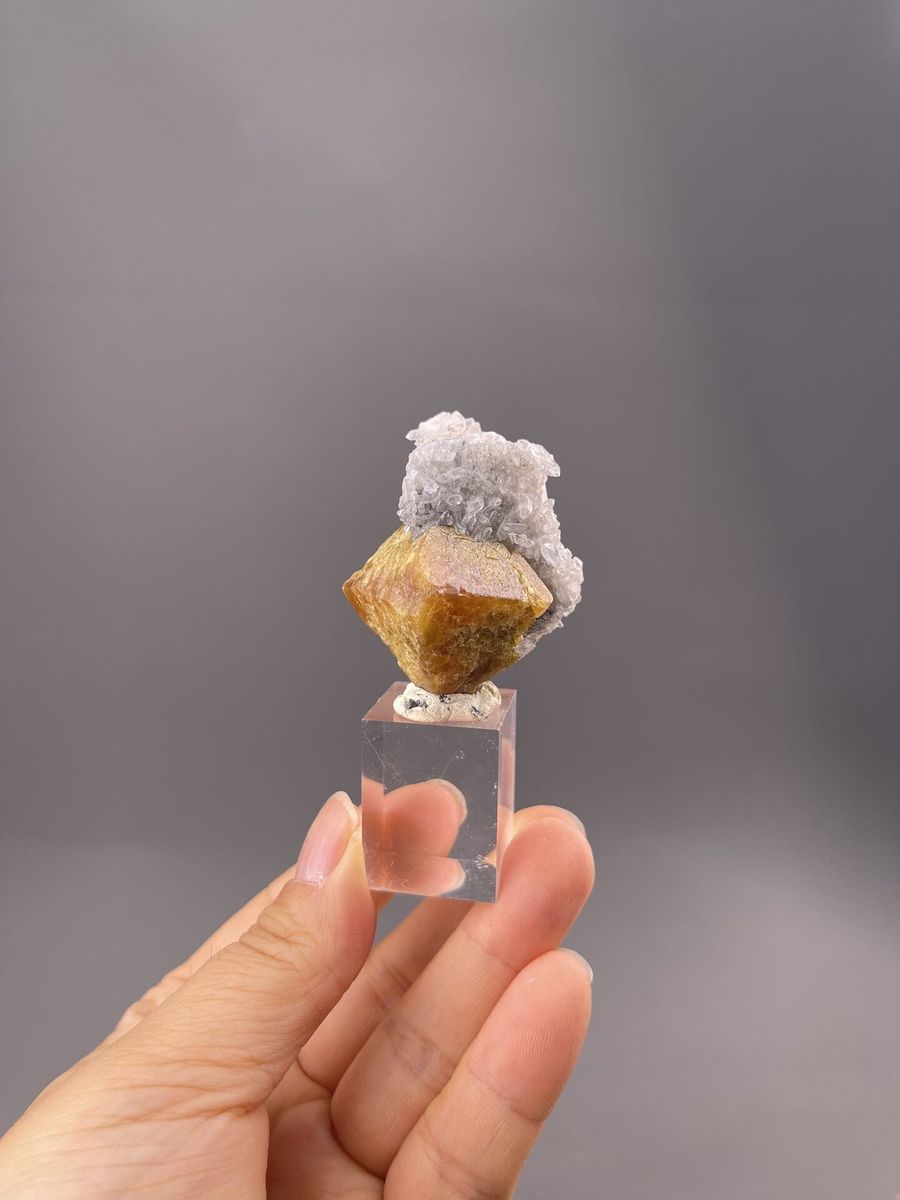
What makes a locality “classic”
A locality becomes famous when it produces specimens that are consistently distinctive — a recognizable combination of species, crystal form, color, and aesthetic that collectors learn to spot on sight. Longevity helps: the most storied localities produced fine material over years or decades, so their pieces are studied, written about, and held in major collections.
Classic status is partly about quality and partly about identity. When you can look at a specimen and say “that’s a Tsumeb,” or “that’s a Yaogangxian fluorite,” the locality has earned its reputation.
A few of the world’s celebrated localities
Tsumeb (Namibia) is legendary for the variety and perfection of its secondary minerals. Panasqueira (Portugal) is a benchmark for fine apatite, ferberite, and quartz. The pegmatites of Minas Gerais (Brazil) and the granite pegmatites of Pakistan and Afghanistan have produced superb tourmaline, aquamarine, and topaz. Classic European and American localities — from Cornwall to Colorado — anchor the older tradition of the hobby.
No list is complete; collectors argue happily about which belong. What they share is that recognizable, place-specific character.
Where China fits
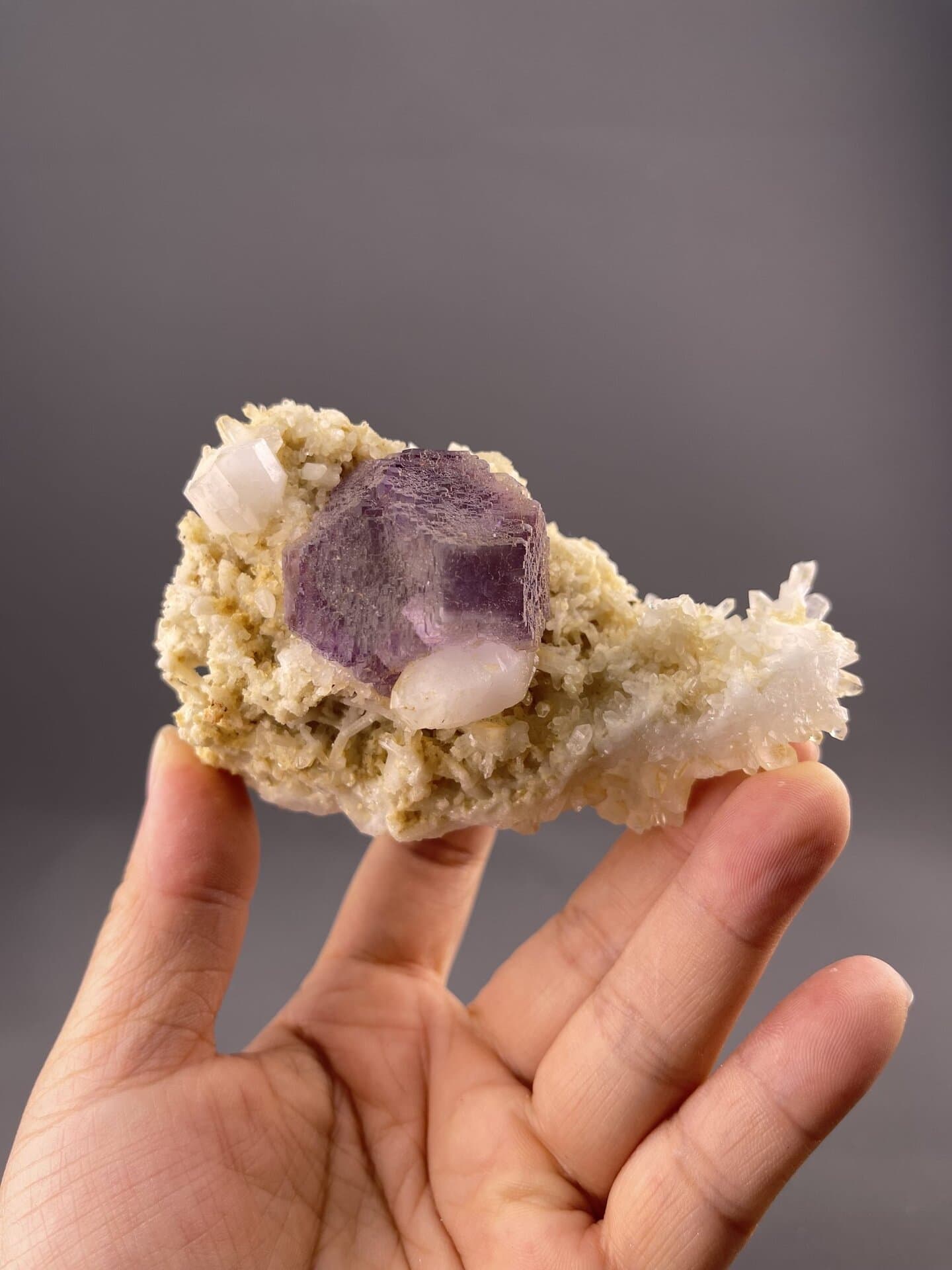
Since the 1990s, Chinese localities have joined this top tier. Hunan’s Yaogangxian and Shangbao mines are modern fluorite standards; Sichuan’s Xuebaoding is a reference locality for gemmy scheelite, cassiterite, and pink beryl; and published collector literature records how Xikuangshan and Wuling stibnite surpassed older Japanese classics. Hubei’s Daye iron belt yields fine calcite and pyrite.
These are not “new” curiosities — they are now classic localities in their own right, well documented and widely collected.
Why locality matters when you buy
Because locality drives both interest and value, it pays to buy specimens tied to a specific, named source rather than a vague country label — and to check that a specimen’s appearance fits that locality’s known style. A transparent seller will tell you what they know about origin, and will be honest about any uncertainty.
We keep every specimen linked to a locality page so you can read the geology and regional signature behind it before you buy.
For the full structured reference, see our China Mineral Hub
Localities, classic species, and the specimens currently in stock — all in one place.
Frequently asked questions
What makes a mineral locality famous?
A locality becomes classic when it consistently produces distinctive, recognizable specimens over time — a place-specific combination of species, form, color, and aesthetic that collectors learn to identify on sight.
Are Chinese localities considered classic?
Yes. Since the 1990s, mines such as Yaogangxian and Shangbao (Hunan fluorite), Xuebaoding (Sichuan scheelite), and Xikuangshan (Hunan stibnite) have become reference localities collected worldwide.
Why does locality affect a specimen’s value?
Locality drives both scientific interest and collector demand. A specimen from a well-documented classic source, with an appearance that fits that locality’s style, is generally more desirable than the same species with a vague or uncertain origin.