
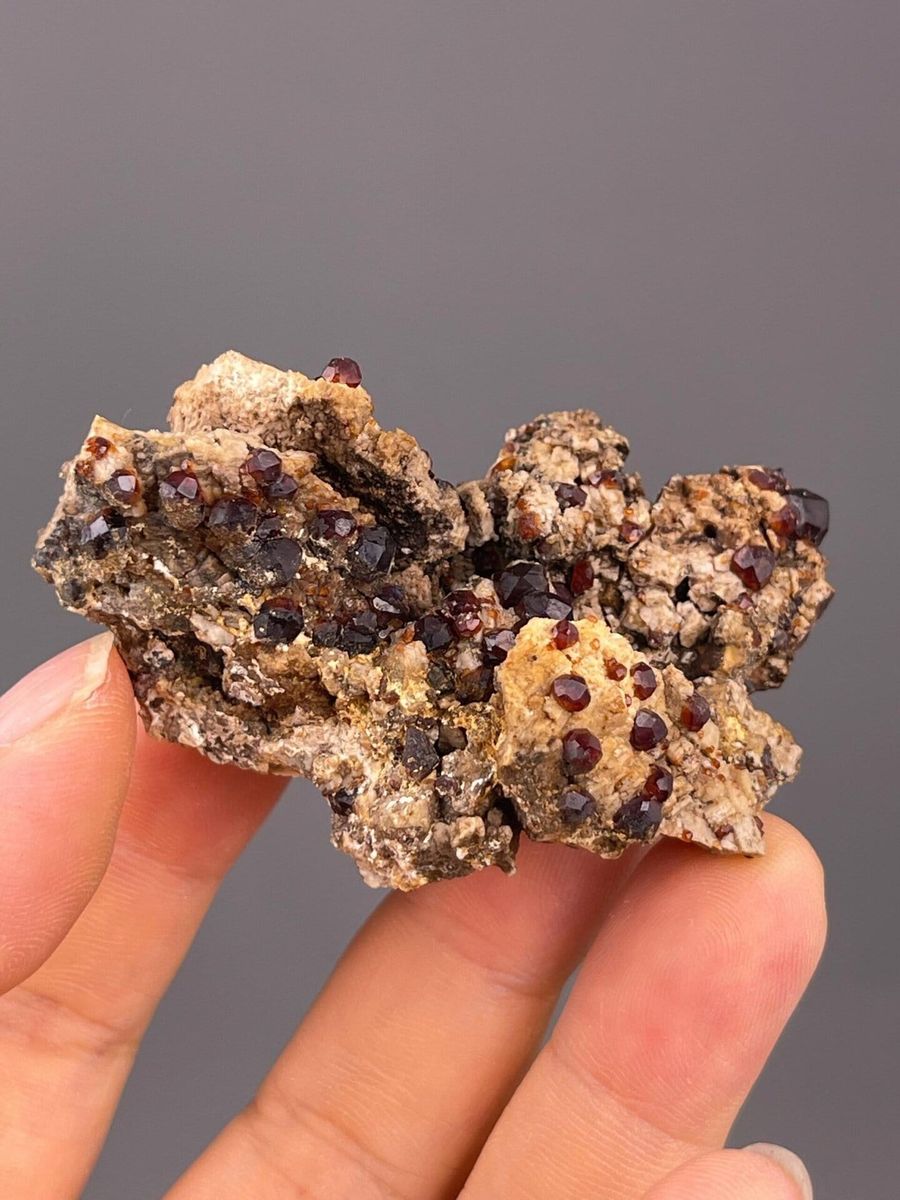
Two different kinds of rarity
Species rarity means a mineral is genuinely uncommon in nature — it forms only under unusual chemistry or conditions, and is known from few localities. Many of these are of mainly scientific or systematic interest and may be visually modest.
Specimen rarity is different: it describes how hard it is to find a particular species in excellent quality. Fluorite is common, but a large, gem-clear, perfectly-formed fluorite from a classic locality is rare and valuable. Most of what drives the collector market is specimen rarity, not species rarity.
Rarity is only one ingredient of value
A rare species is not automatically expensive, and a common species can command high prices in exceptional quality. Value is always a blend: rarity, locality, crystal quality, color, luster, aesthetics, size, and condition together — weighed against demand.
The practical lesson is that “rare” on its own is not a reason to buy. A rare but damaged or unattractive piece may matter far less than a superb example of a more familiar species.
How locality and condition amplify rarity
Rarity compounds with locality and condition. A scarce species from its classic type locality, in undamaged condition, sits at the top of the desirability scale. The same species from an obscure source, or with damage to key crystals, drops sharply.
This is why experienced collectors care so much about provenance and condition reporting: with uncommon material, those details often matter more than raw size.
A sensible approach for newer collectors
Start by collecting what you find beautiful and can evaluate confidently — usually well-formed examples of accessible species — and let your eye mature before chasing rarity for its own sake. When you do buy something uncommon, prioritize condition and a credible locality over size, ask the seller directly about repairs or treatment, and keep the documentation with the specimen.
Rarity is most rewarding when it’s paired with quality you can actually appreciate on the shelf.
Frequently asked questions
What does “rare” mean for a mineral?
It can mean two things: a species that occurs in few places (species rarity), or a common species that is hard to find in fine, undamaged quality (specimen rarity). Most collector value comes from specimen rarity.
Are rare minerals always expensive?
No. A rare species can be inexpensive if it is visually modest or in poor condition, while a common species can be costly in exceptional quality. Rarity is only one of several factors — locality, condition, aesthetics, and demand all matter.
Should a new collector focus on rare minerals?
Usually not at first. It’s better to learn to judge quality on accessible species, then approach uncommon material prioritizing condition and a credible locality over size, and asking about any repair or treatment.