History · Geology
About Erzgebirge / Krušné Hory
The Erzgebirge (“Ore Mountains”) and adjacent Krušné Hory range straddling the German-Czech border is one of Europe’s historically richest mining regions — the source of the word “thaler” (silver coin) and the type localities of cobalt, nickel, uranium (as elements), bismuth-mineral classics, and many sulfide species. Mining began in the 12th century and continued for ~800 years; uranium mining (Wismut AG) ran 1946-1990.
Geology
The Erzgebirge is a Variscan polymetallic mineralized province with greisen, vein, and skarn-replacement Sn-W-U-Ag-Bi-Co-Ni-As-F mineralization tied to Carboniferous-Permian granitoid intrusions. Multiple vein generations produced an extraordinary diversity of mineral species across centuries of mining.
Notable Minerals
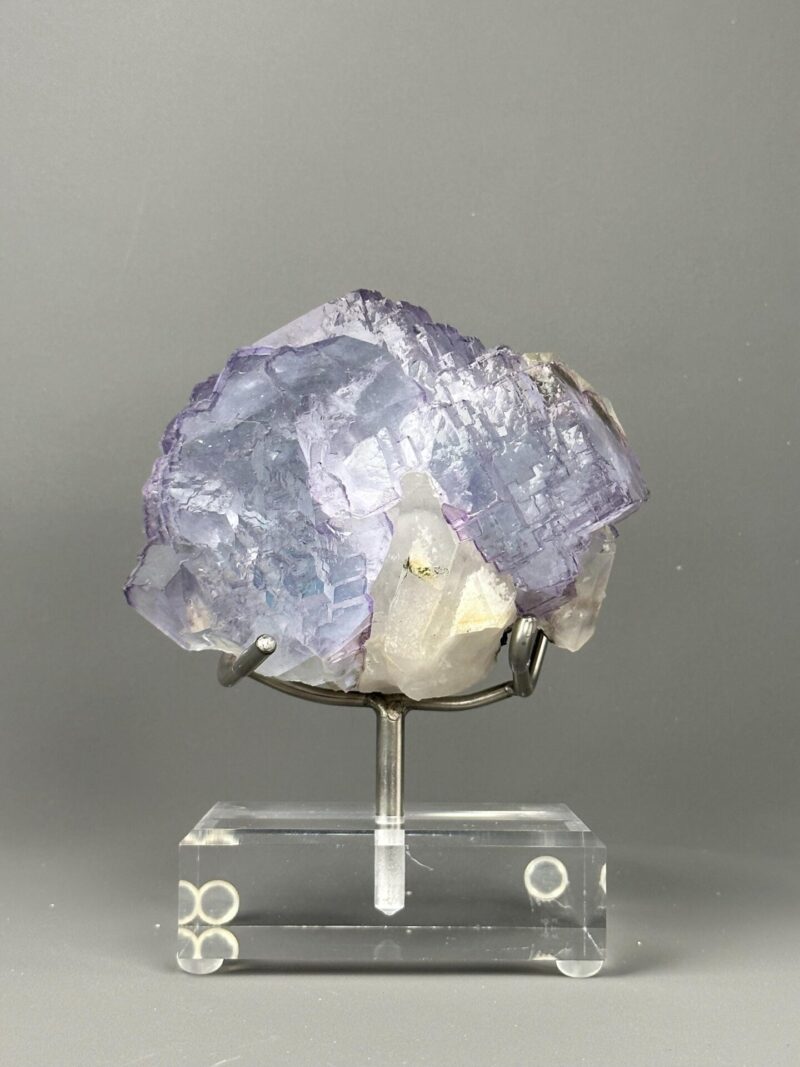
Native bismuth (Schneeberg / Annaberg classic — old-stock specimens premium), native silver (wires and dendrites), arsenopyrite, cassiterite, wolframite, fluorite (color-zoned cubic), pyrite, chalcopyrite, cobaltite, erythrite (Schneeberg “cobalt bloom”), annabergite (green Ni arsenate), autunite, torbernite, barite. Many species — proustite, pyrargyrite, polybasite — have type-locality status here.
Collector Notes
“Schneeberg” and “Annaberg” specimens are 18th-19th century mineralogical heirlooms. Pair with Příbram (Czech) and Sainte-Marie-aux-Mines (France) for the historical European silver-bismuth collector triad.
Minerals Produced Here
- Arsenopyrite (毒砂矿)
- Autunite (钙铀云母)
- Barite (重晶石)
- Bismuth (Native) (自然铋)
- Cassiterite (锡石)
- Chalcopyrite (黄铜矿)
- Cobaltite (辉砷钴矿)
- Erythrite (钴华)
- Fluorite (萤石)
- Proustite (淡红银矿)
- Pyrite (黄铁矿)
- Silver (Native) (自然银)
- Torbernite (铜铀云母)
- Wolframite (黑钨矿)