
Chinese Stibnite for Sale — Lengshuijiang / Xikuangshan
Curated by Maggie Liu · 3 specimens available
The antimony deposits around Lengshuijiang, Hunan — anchored by Xikuangshan, historically called the “world’s antimony capital” — are a classic source of stibnite in bright metallic blades, single sword-like crystals and radiating sprays. Published collector literature records how major Chinese finds changed the standard once set by Japanese classics.
View specimens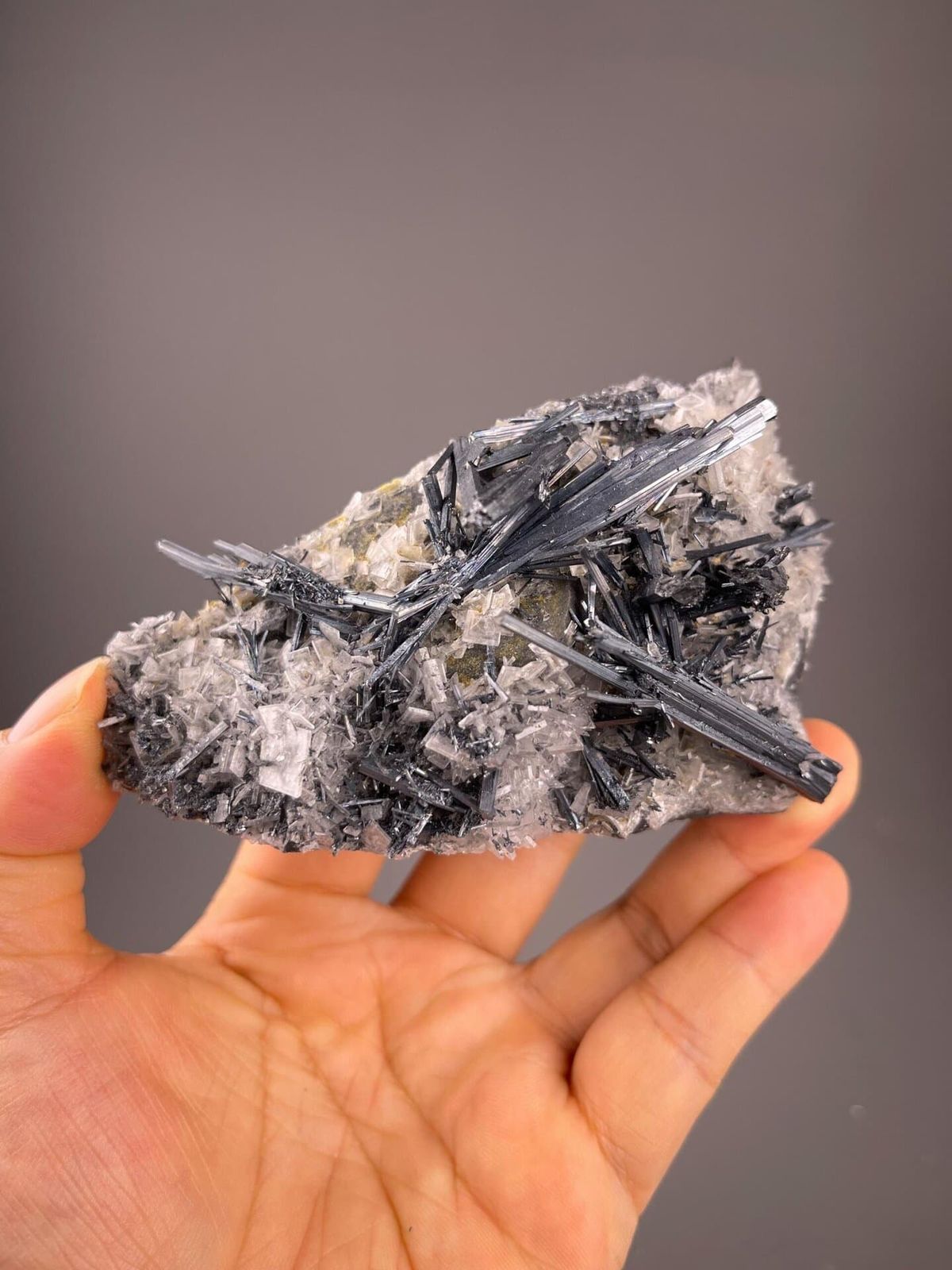
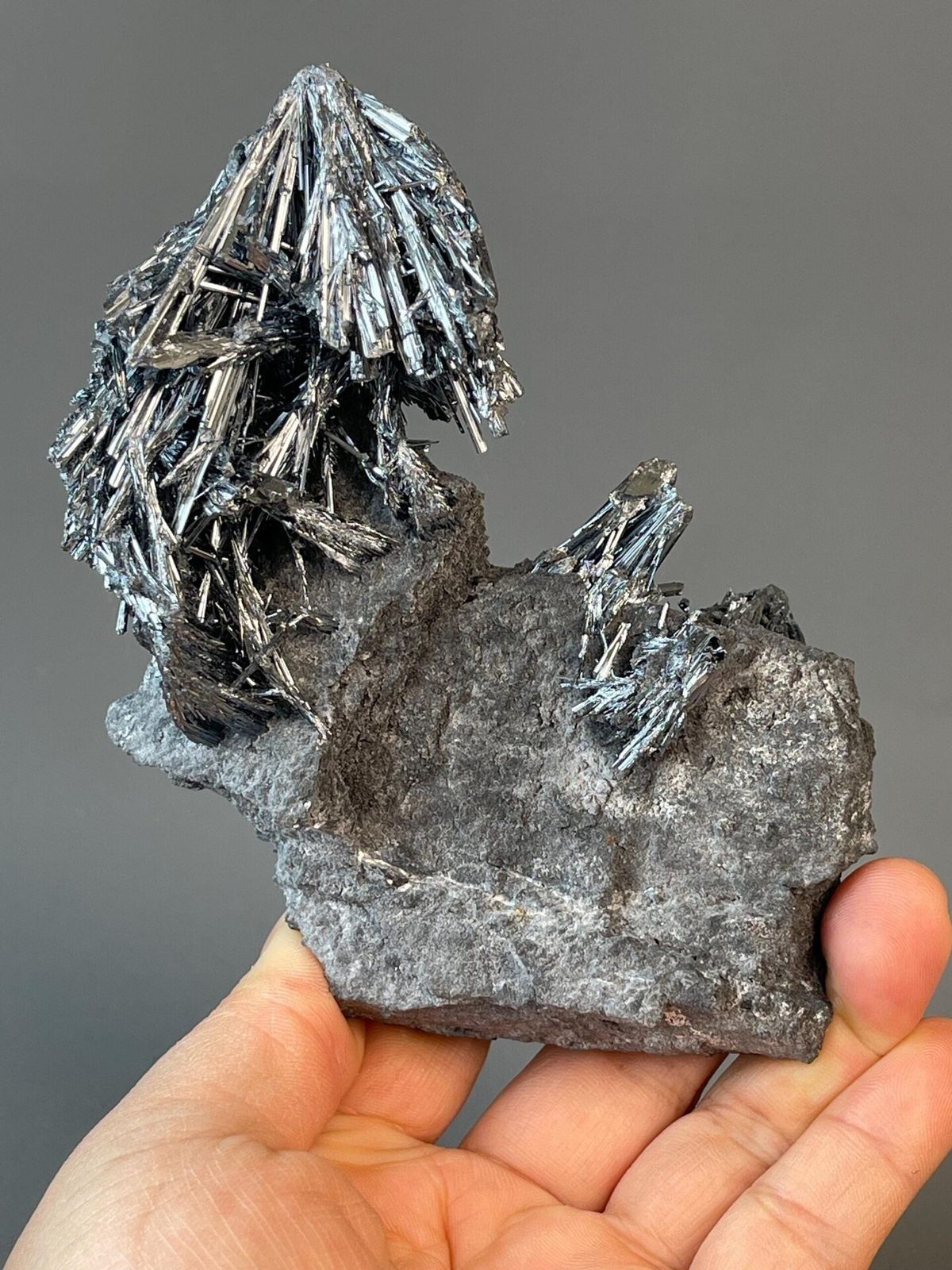
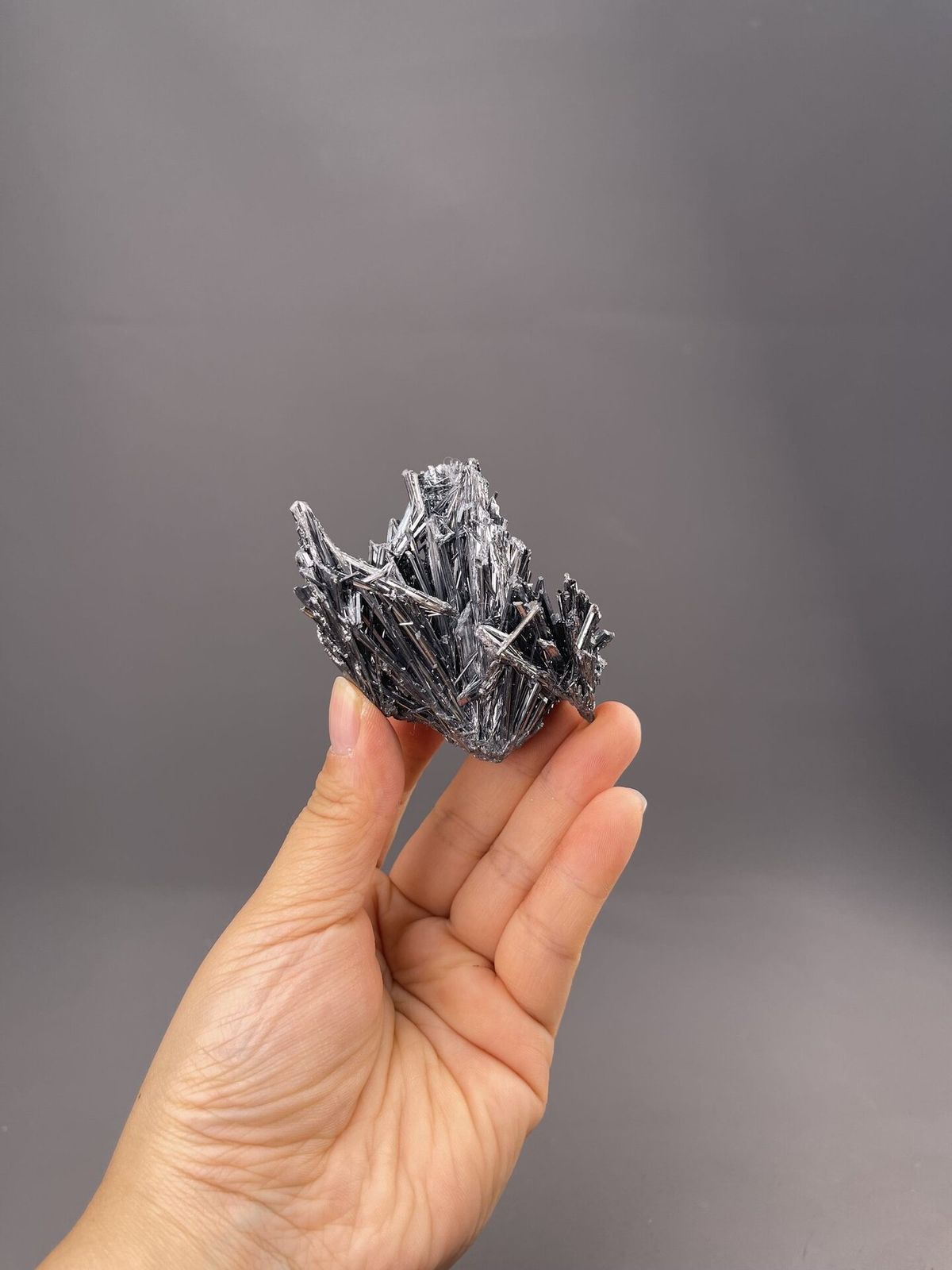
Recently sold — for reference
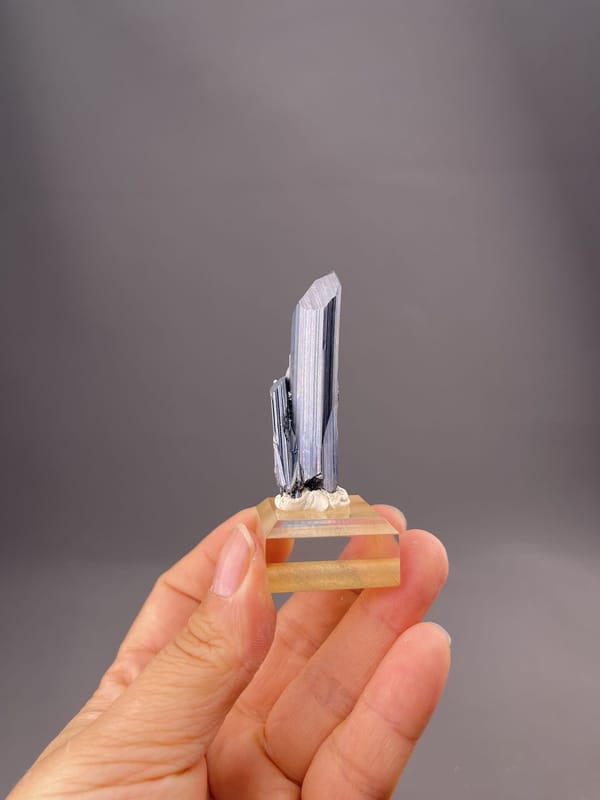
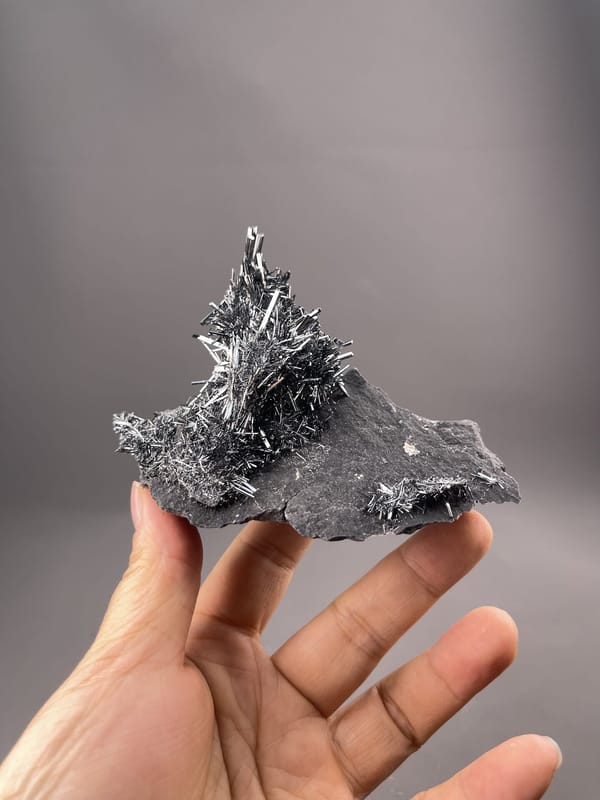
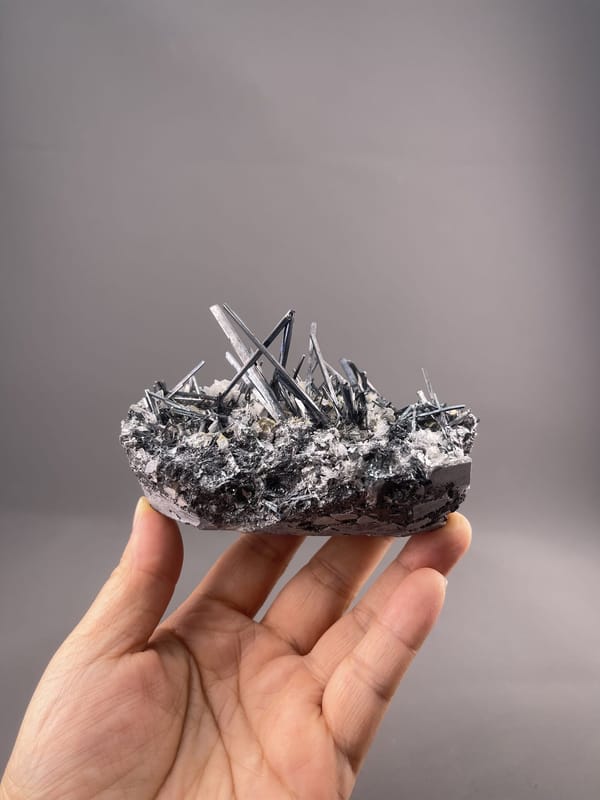
Frequently asked
Where can I buy Xikuangshan stibnite specimens?
MyMineralBox lists currently available, individually photographed stibnite records assigned to the Lengshuijiang/Xikuangshan locality in this collection. Open each exact-piece listing to check the stated locality level, dimensions, condition, price and photographs. A Hunan-only label or visual resemblance should not be upgraded to Xikuangshan without supporting provenance.
Why is Chinese stibnite famous?
The Mineralogical Record’s Crystalline Treasures reports that major Chinese stibnite from Xikuangshan and Wuling surpassed older Japanese classics in collector reputation. That is a published historical assessment of major finds, not a claim that every Hunan specimen is better than material from every other locality.
Is stibnite safe to handle?
Yes, with basic care: wash hands after handling, don’t ingest particles, and keep it away from children. Stibnite is stable at room conditions; treat it like any soft metallic mineral.