
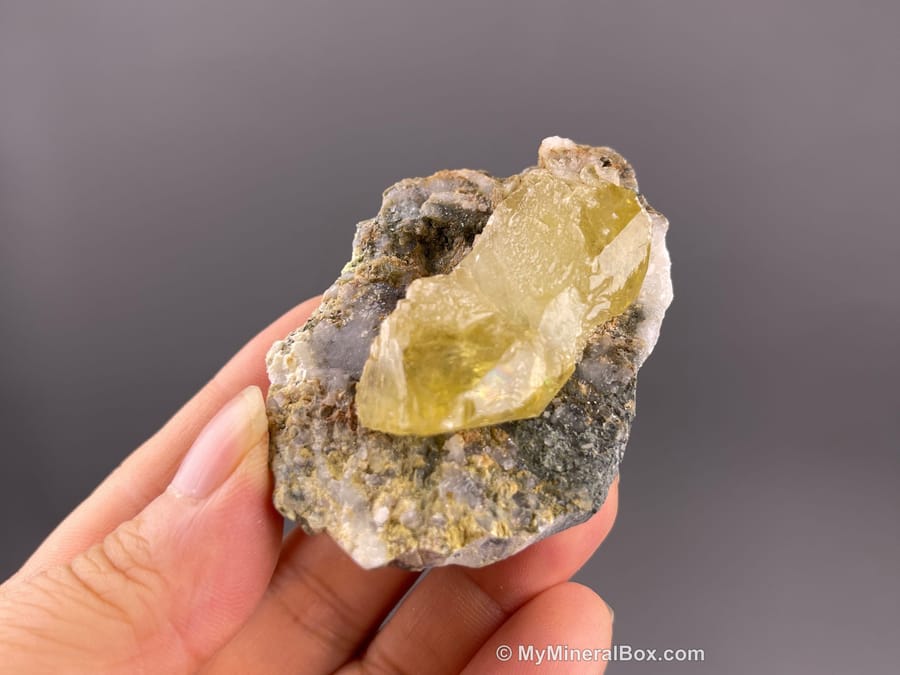
Tonglushan: Where Chinese Mining Began
Discovered by archaeologists in 1973, the Tonglushan mine on Mount Verdigris preserves 3,000-year-old shafts, trenches and smelting furnaces — one of the oldest copper mines in the world, worked from the 11th century BC into the Han Dynasty. The ancients mined the deposit's rich oxidized zone; their modern successors operate an open pit next door that still yields native copper, chalcopyrite, azurite, malachite and calcite. Owning a Daye-district specimen means owning a continuation of the longest mining story on the planet.
Fengjiashan: China's Calcite Masterclass
The Fengjiashan mine (Daye County, Huangshi Prefecture) is a skarn-type copper-iron deposit whose cavities produced calcite in a remarkable range of habits — sharp scalenohedra ("dogtooth"), thick rhombohedra, poker-chip stacks and twins — frequently water-clear and often perched on contrasting matrix. The celebrated 2008 pocket produced a unique intensely colored crystal (its hue attributed to trace manganese) that has become one of the icons of Chinese calcite.
Fengjiashan's supporting cast elevates it further:
Inesite. Rosy-pink sprays and bowties of this rare manganese silicate, on white matrix, are documented from finds around 2000–2005.
Japan-law quartz. Elegant flattened V-twins of quartz, sometimes accompanying brassy pyrite crystals.
Hubeite. A modern scientific footnote: the species hubeite, a rare calcium-iron sorosilicate, was first described in 2002 from this very district and named for the province — one of several new minerals China has given to science.
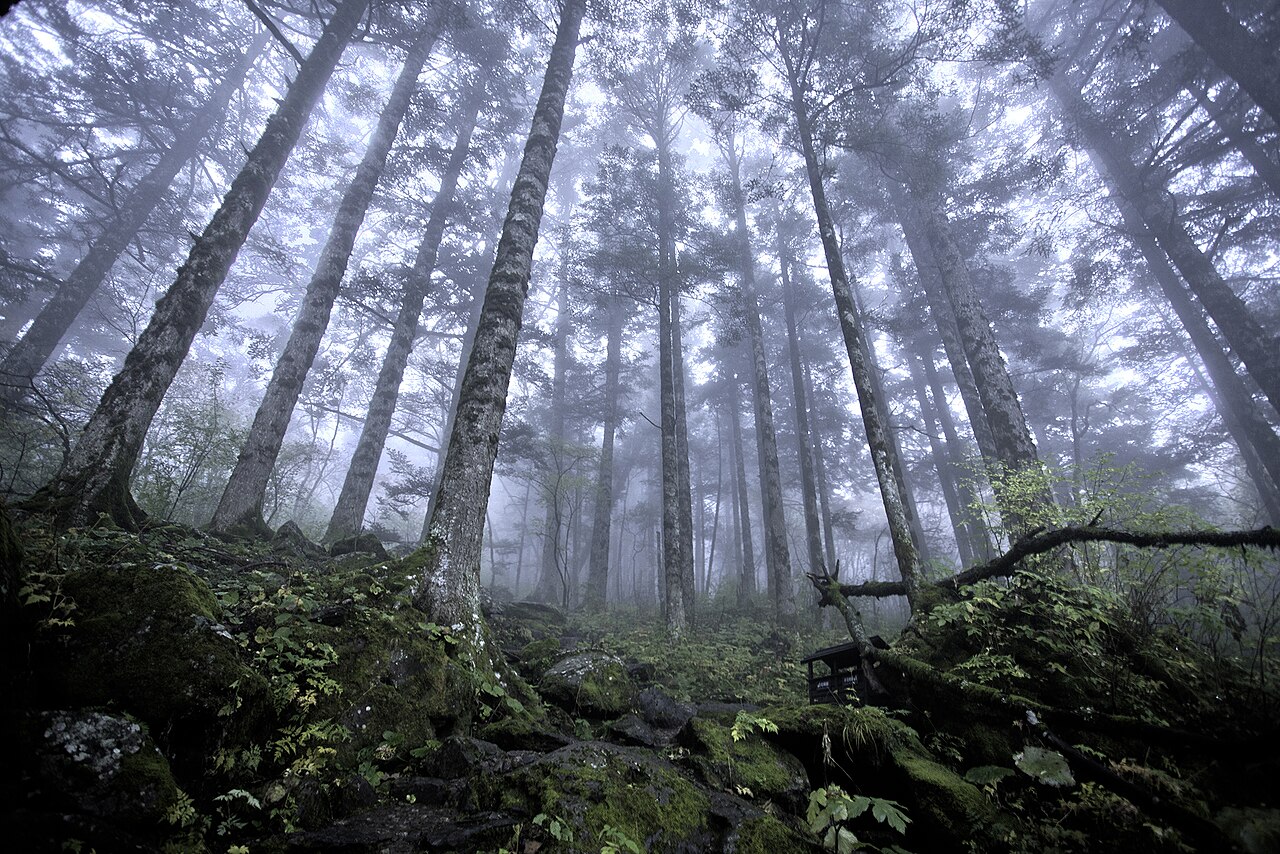
Shennongjia Amethyst
From the misty Shennongjia Forest District — better known internationally for its nature reserve and its legendary "wild man" — the Guanmenshan copper deposit produced large amethyst groups to 40 cm around 2008, an unexpected purple chapter for a province defined by carbonate mineralogy.
How to read a Hubei label
Hubei's collector minerals cluster in one district, and the label hierarchy is worth learning. The district is structured as Daye Co., Huangshi, Hubei, with the specimen mines as distinct localities within it: the Fengjiashan Mine — the modern source of calcite and inesite, and the type locality of hubeite — and the Tonglushan Mine in the Edong district, where malachite and native copper are recorded.
The practical rule: keep the mine level only when the original label states it. "Daye, Hubei" is the honest default for most market specimens, and a bare "Hubei" is fine when nothing narrower is supported. Tonglushan's Bronze Age history is a wonderful story, but a malachite labeled only "China" cannot borrow it — history travels with the label, not with the species.
Collector's Notes
Hubei calcite competes on form, transparency and associations rather than flashy color, which keeps prices reasonable relative to quality — an excellent entry point for building a serious China collection. Inesite is the sleeper: rare worldwide, undervalued relative to its scarcity, and strongly identified with this single Chinese district. Check calcite terminations carefully (cleavage bruises are common) and favor pieces with documented pocket dates where available.
---
Recent Developments (as of 2026)
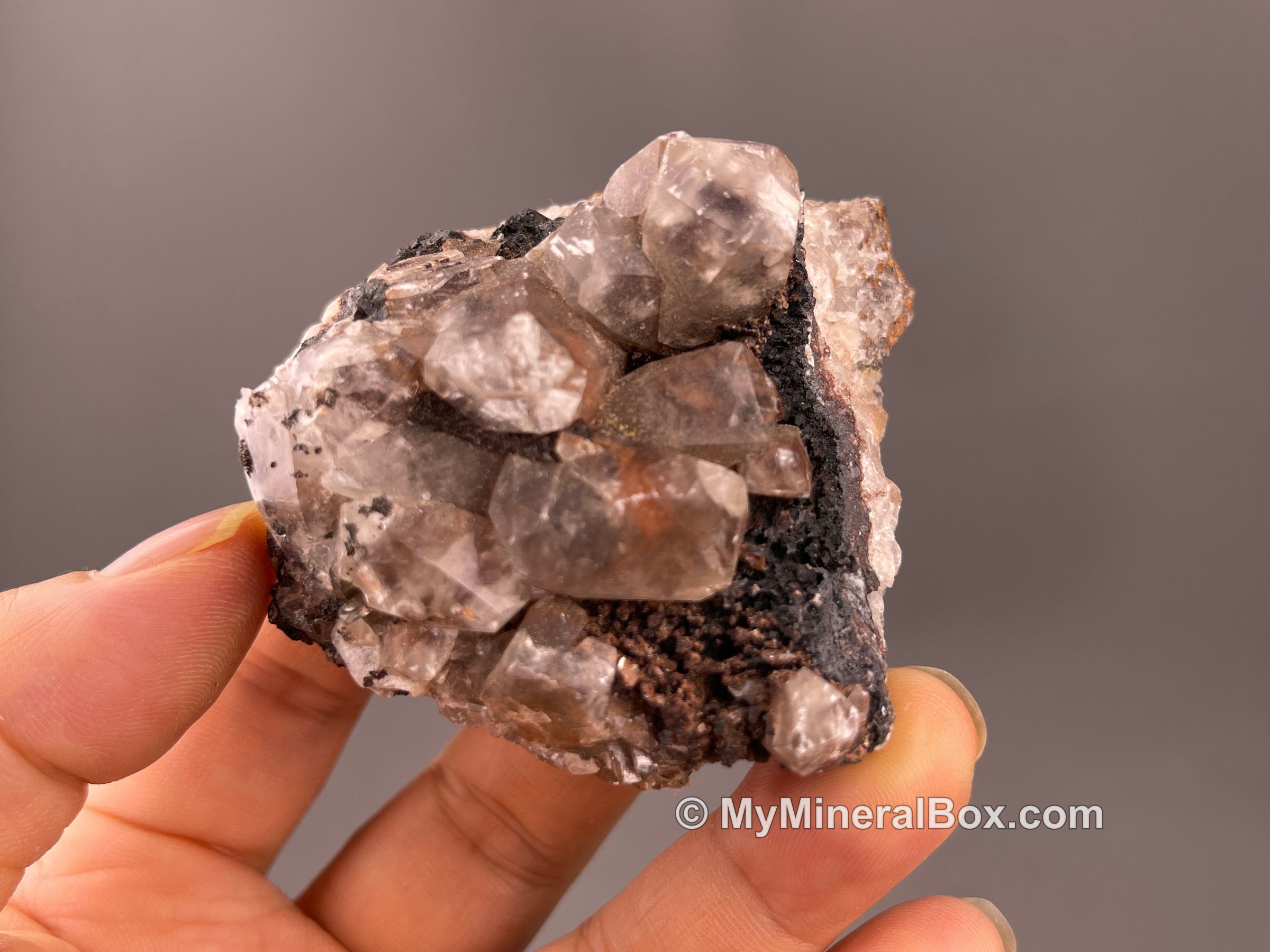
Fengjiashan has shifted to intermittent output. Recent material centers on "Mercedes-star" twinned calcite and calcite-on-amethyst combinations rather than the classic early-2000s inesite rosettes, which are now essentially unavailable and command strong premiums — though the mine still yields the signature silicate association sporadically, with fresh inesite-and-apophyllite-on-hubeite pieces appearing around 2023. Japan-law twin quartz from the mine continues to reach auction. The ancient Tonglushan workings are now catalogued as their own locality and still produce azurite and malachite from the oxide zone through 2024, though the celestine pockets were reportedly mined out around 2021.
Sources and further reading
All text is original to MyMineralBox, based on our own sourcing experience and locality documentation. Image credits are shown with each photo.
Frequently asked questions
What collectible minerals come from Hubei, China?
The Daye district, especially Fengjiashan, is known for transparent and twinned calcite, pink inesite, Japan-law twin quartz, hubeite, malachite, native copper, and azurite. Hubei also produced Shennongjia amethyst. Collectors should preserve the narrowest supported mine label, because a specimen marked only 'China' cannot be assigned to Daye from appearance alone.
Is the Tonglushan mine still producing minerals?
Yes. Beside the 3,000-year-old ancient workings, a modern open pit still yields native copper, azurite and malachite from the oxide zone; its celestine pockets were reportedly mined out around 2021.