
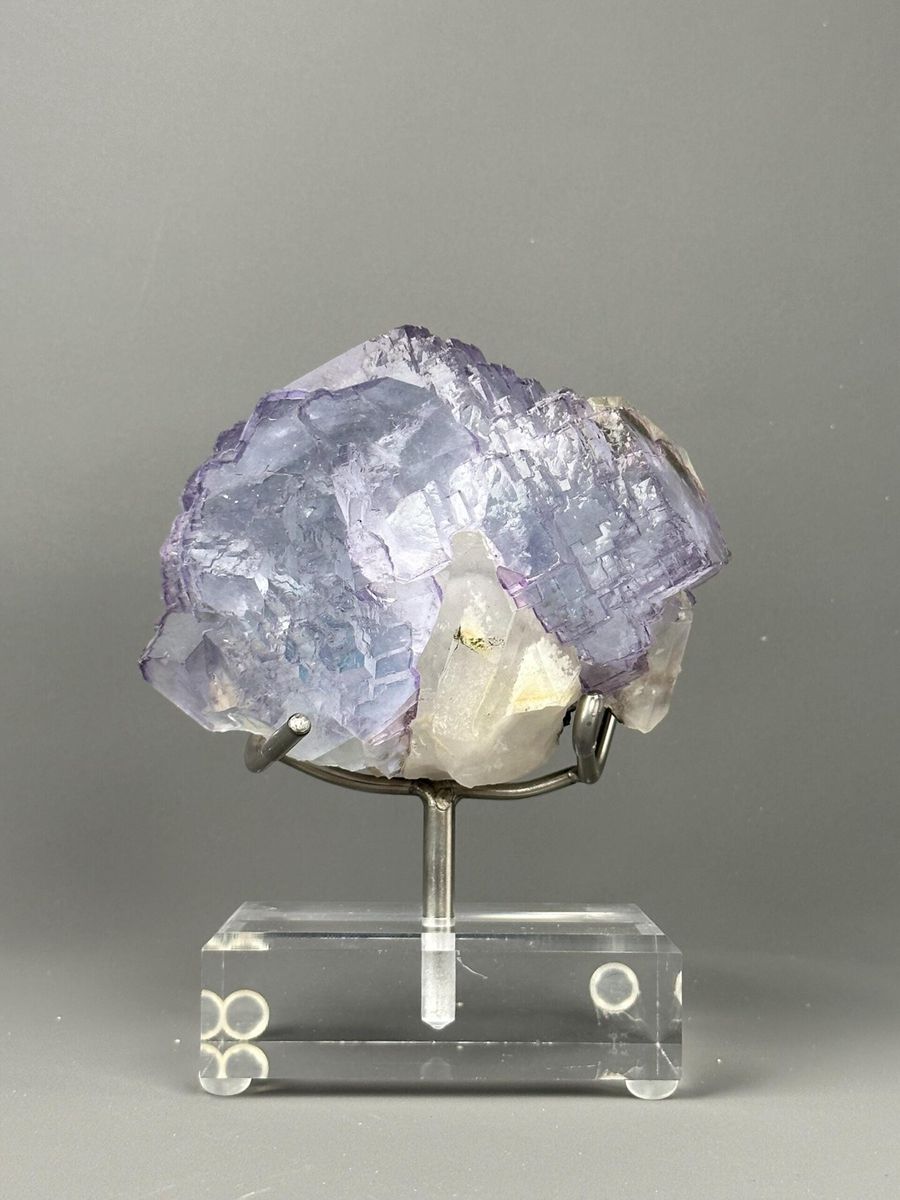
What defines a mineral specimen
A collector-grade mineral specimen is kept as close to its natural state as possible. Its value rests on the species and variety, the sharpness and completeness of the crystals, condition (damage, repairs, restorations disclosed), aesthetics, and — often decisively — the locality it came from with evidence to support it.
That is why specimen listings talk about mines, labels and provenance rather than carats. Polishing a fine natural crystal usually removes specimen value rather than adding it, because the natural faces and the growth history are the point.
What defines a polished crystal or carving
Towers, spheres, palm stones, skulls and freeform carvings start as natural rock, but their final shape is human work. Value follows the material’s color, translucency and pattern, the quality of the carving and polish, and size. Locality usually matters less, and precise mine-level origin is often unknown — which is acceptable, as long as the listing does not borrow specimen language like “natural formation” for a shaped object.
An honest carving listing names the mineral, discloses that the piece is carved or polished, gives real dimensions and weight, and mentions any dye, resin or reconstitution.
What defines gemstone jewelry
Jewelry adds cutting, setting, metalwork and wearability. A gemstone’s value is judged by material identity, treatment status, cut quality and durability in wear — plus the design and craftsmanship of the finished piece. Certification practices are more standardized than in the specimen world, and treatment disclosure matters even more because treatments are common and affect price directly.
Jewelry is a legitimate, skilled product category. It is simply a different purchase from a specimen: you are buying a finished object for wearing, not a documented piece of geology.
Where buyers get misled
Most problems come from mixing the three vocabularies:
- A polished, shaped object sold as a “natural specimen” without disclosing the work.
- A specimen price justified by jewelry-style carat logic, or a jewelry price justified by a famous mine name that cannot be evidenced.
- Treatment language that belongs to one category applied to another — “natural untreated” means something checkable for a specimen with documentation, and something different for a faceted, heated gemstone.
- “Museum grade” or “investment grade” used as marketing in any of the three categories without stated criteria.
The fix is always the same question: *which product am I actually buying, and does the evidence offered match that product’s value logic?*
Where MyMineralBox draws its own line
MyMineralBox is a mineral specimen shop first: documented natural specimens with locality evidence, condition disclosure and exact-item photos. We also carry carved and polished pieces — clearly labeled as carvings, never as natural formations. We do not position ourselves as a jewelry house; where a drilled pendant or strung piece appears, the stone and its disclosure remain the product, and design claims stay modest.
This boundary is why our product pages emphasize species, locality grades and condition rather than wearability — and why a carving on our site will always say it is a carving.
Frequently asked questions
Is a polished crystal worth less than a natural specimen?
Not inherently — they are different products. A superb carving can cost more than an average specimen. But polishing a fine natural crystal usually destroys its specimen value, because natural faces, completeness and growth history are what specimen collectors pay for.
Does locality matter for jewelry or carvings?
Far less than for specimens. For jewelry and carvings, material identity, treatment status and workmanship dominate. A mine name adds value only when it is evidenced — and that standard is the same in every category.
Can one object be both a specimen and a gemstone?
The same crystal could become either, but it is sold as one or the other. Once material is cut for jewelry it is judged by gem standards; while it remains a documented natural crystal it is judged by specimen standards. The listing should make clear which product you are buying.
Why does MyMineralBox not sell fashion jewelry?
Because our expertise and documentation are built around specimens: species, localities, condition and provenance. Jewelry competes on design, sizing and metalwork — a different craft with different evidence. We stay where our documentation genuinely helps the buyer.