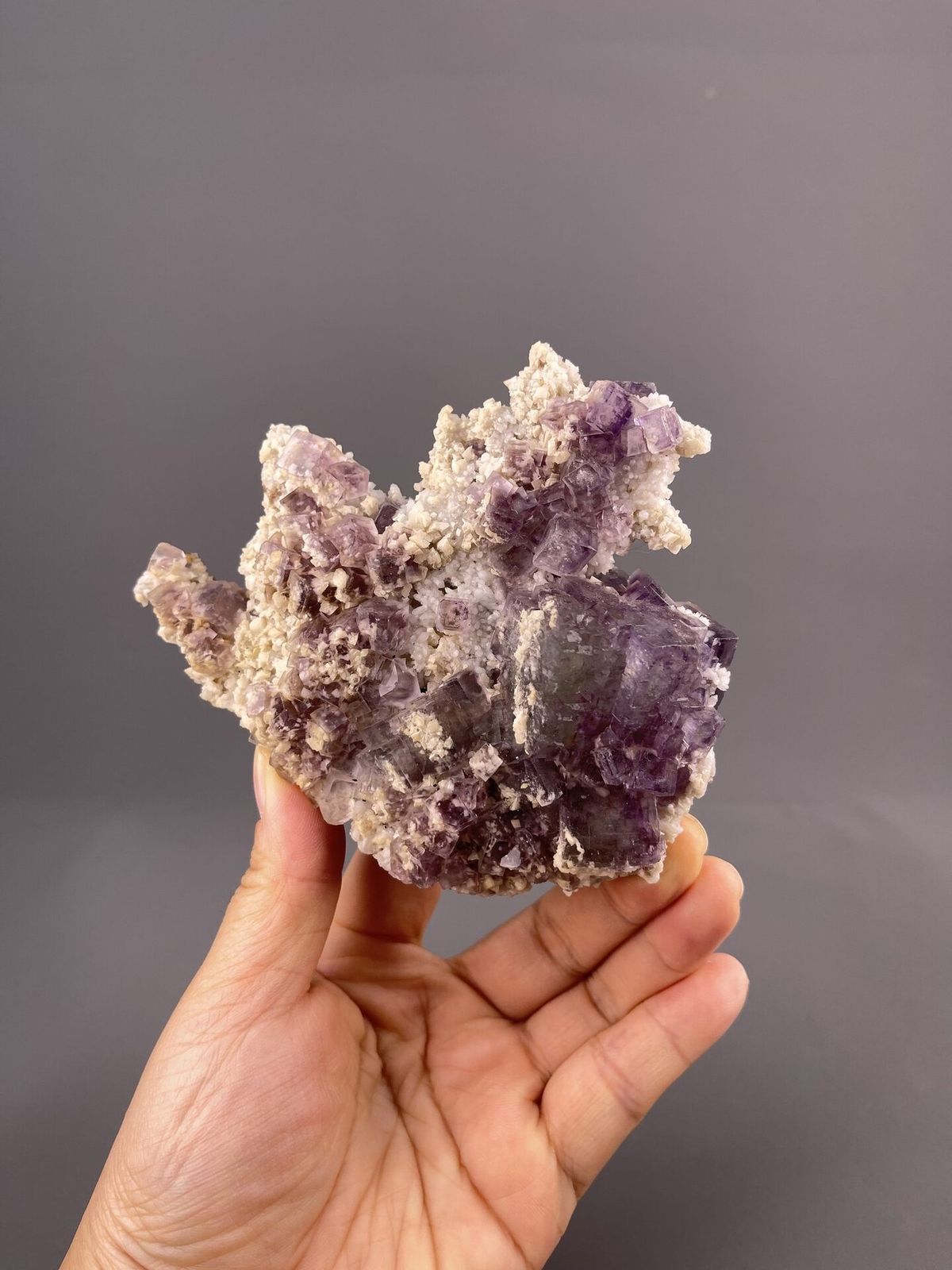
BUYING GUIDE
How to Spot Fake, Repaired & Assembled Mineral Specimens
A buyer's guide to fakes, dyed and coated stones, heat treatment, repairs and assembled clusters — what to look for and the questions to ask before buying.
Read the guide
Page 2 of 8 · 67 guides total.
A buyer's guide to fakes, dyed and coated stones, heat treatment, repairs and assembled clusters — what to look for and the questions to ask before buying.
Read the guide
Why some minerals glow under ultraviolet light: how fluorescence works, shortwave versus longwave lamps, the classic glowing species, and safe UV practice.
Read the guide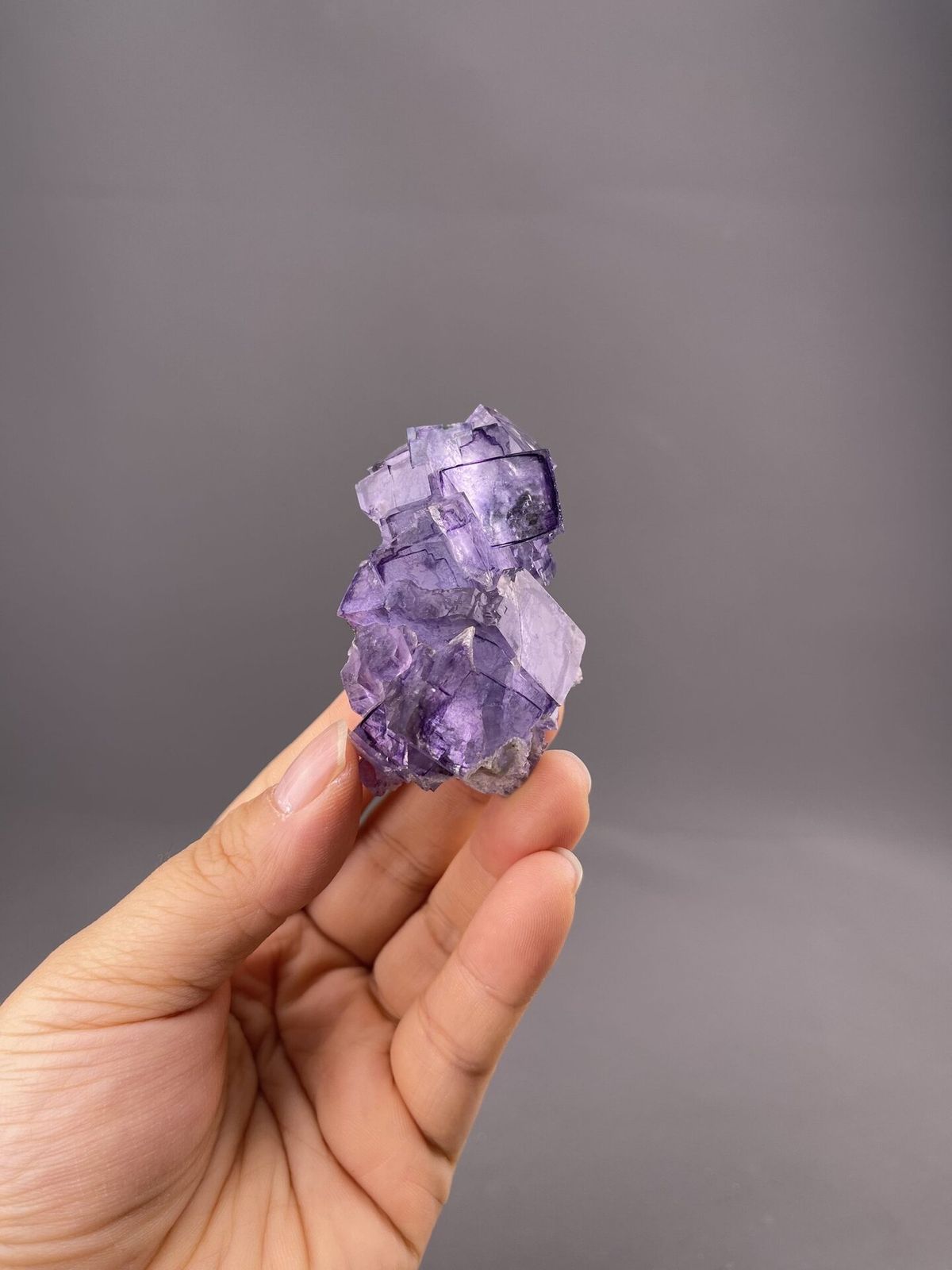
Where crystals come from: how minerals form by igneous, hydrothermal, sedimentary and metamorphic processes — with a real Chinese example of every one.
Read the guide
The 7 crystal systems — Cubic, Hexagonal, Trigonal, Tetragonal, Orthorhombic, Monoclinic, Triclinic — explained, with symmetry as your first mineral ID clue.
Read article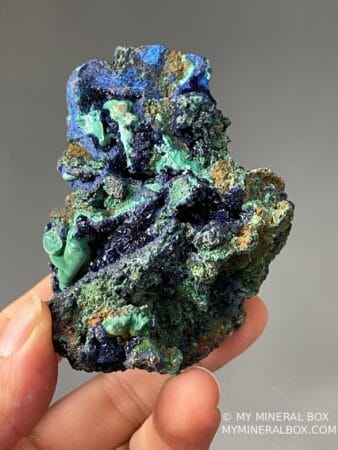
Learn to read mineral chemical formulas like CaF₂ and Cu₃(CO₃)₂(OH)₂ — what subscripts and parentheses mean, plus the anion groups that classify every mineral.
Read article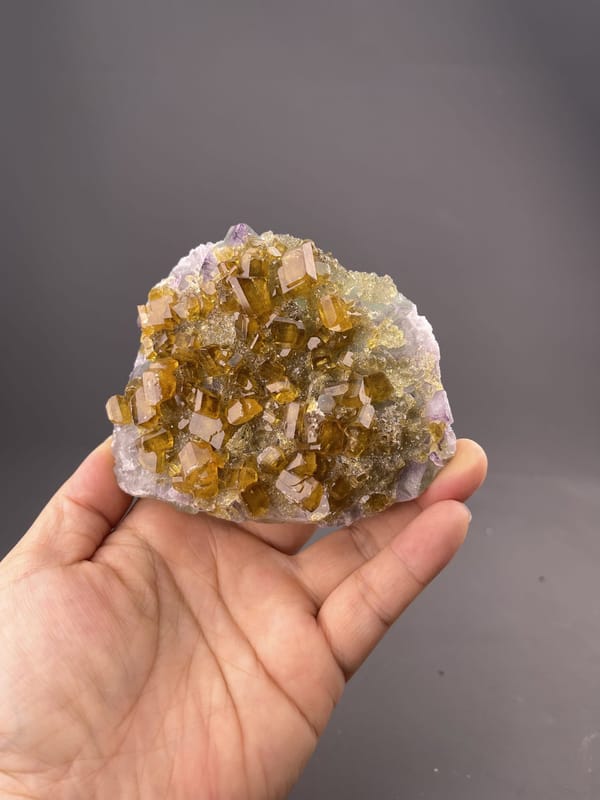
Mohs hardness scale explained: the 10 reference minerals from talc to diamond, the field-test tools every collector owns, and how to scratch-test a specimen.
Read article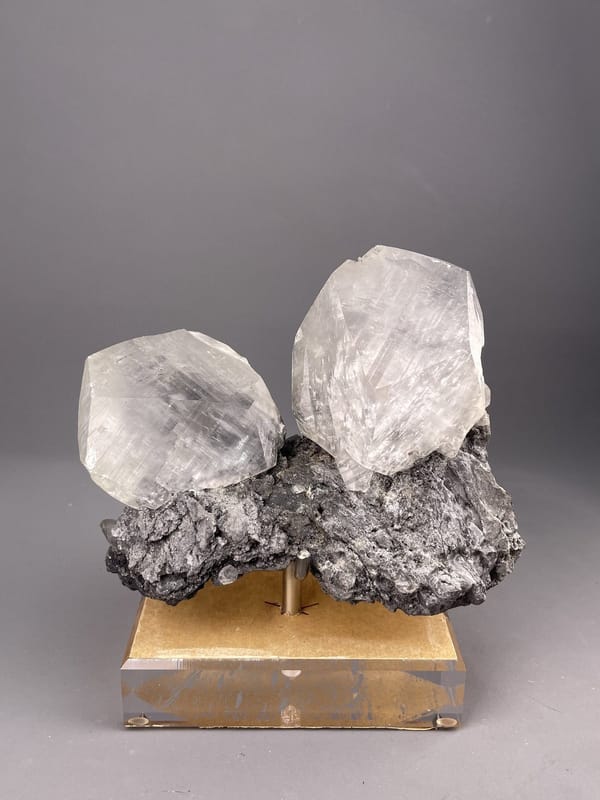
Identify look-alike minerals with luster, streak, cleavage, and fracture: metallic vs vitreous shine, streak as a fingerprint, and breakage that confirms an ID.
Read article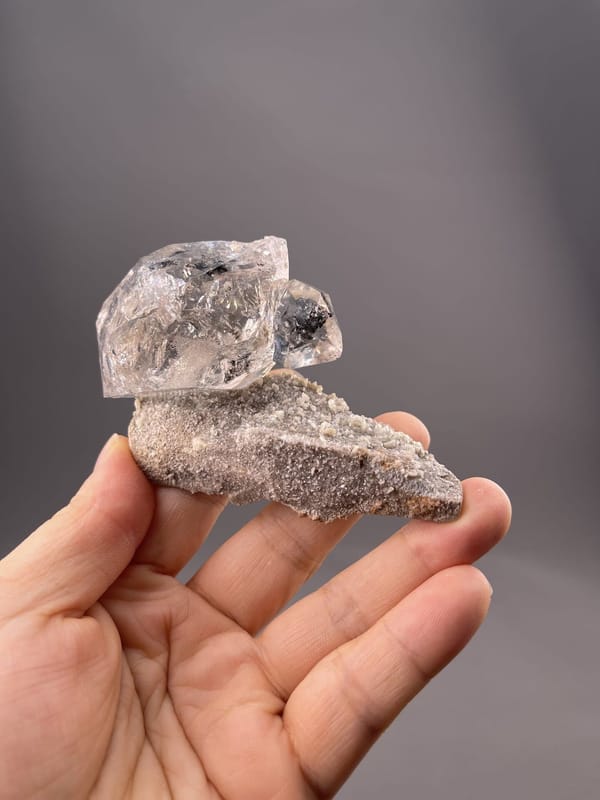
Crystal habits explained: prismatic, tabular, acicular, botryoidal, dendritic, druzy, massive — the dozen shapes that let you identify minerals at a glance.
Read article
Color, pleochroism, and fluorescence in minerals: why color misleads, how idiochromatic and allochromatic hues differ, and how UV light makes specimens glow.
Read article