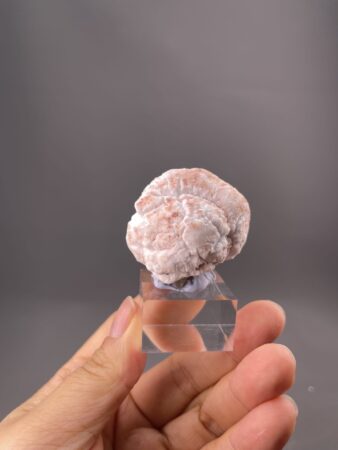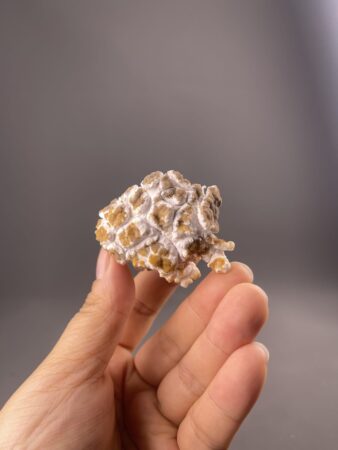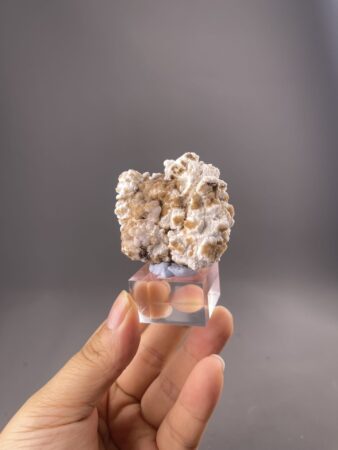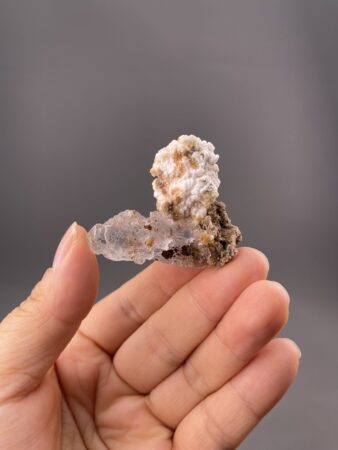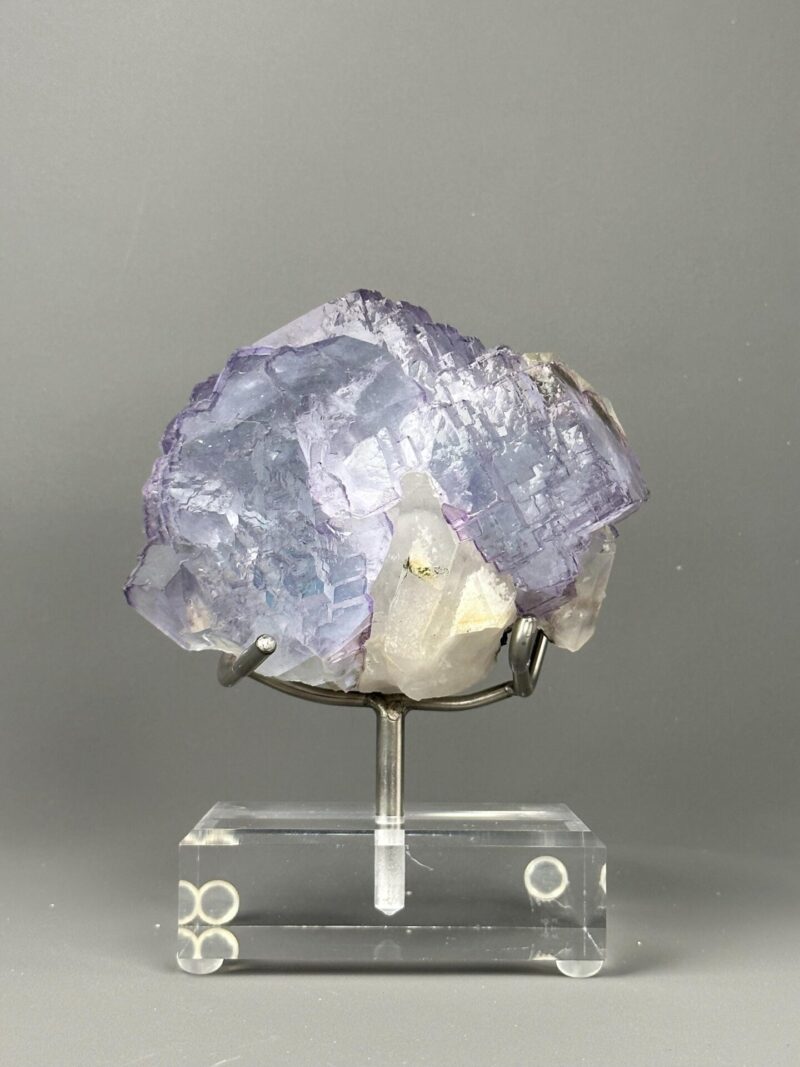
Gypsum is the Mohs-2 reference mineral and one of the most varied collector species. Its varieties span from the world's largest crystals (Naica selenite, 11+ meters) through the silky satin spar of stalactite caverns to the desert-rose rosettes of arid sand floors. Gypsum defines the second step of the Mohs hardness scale and dissolves slowly in water, producing some of the most fragile yet visually arresting display specimens.
Key Facts
- Mohs hardness 2 – the hardness-scale reference; can be scratched with a fingernail.
- Specific gravity 2.31-2.33 – lighter than quartz; diagnostic in hand.
- Soluble in hot water; sensitive to humidity in long-term storage.
- Naica Cave (Mexico) holds the world's largest natural crystals – selenite blades over 11m long.
- Plaster of Paris and drywall are calcined gypsum products.
Notable Varieties
- Selenite (transparent crystals; the Naica giants)
- Satin spar (silky fibrous; cave deposits)
- Alabaster (massive granular; carving stone)
- Desert rose (rosette intergrowths in sand)
- Swallowtail twins (V-shaped contact twins)
The Chinese Angle
Chinese gypsum is industrially significant (Hunan, Hubei, Inner Mongolia) but specimen-grade material reaches the international market sporadically. Xinjiang produces some satin spar and selenite blades; Hunan stalactite caves yield occasional botryoidal satin spar. Most collector gypsum still flows from Mexico, Pakistan, Morocco, and the United States.
Found at these Localities
- Naica Mine, Chihuahua (纳伊卡矿(奇瓦瓦州))
- Inner Mongolia (内蒙古)
- Hubei (湖北)
- Hunan (湖南)
- Imiter Mine (伊米泰尔银矿)