History · Geology
About Tonglüshan Bronze-Age Cu Mine
The Tonglüshan Mine in Daye District, Hubei, is one of China’s most archaeologically and mineralogically significant copper localities. Active since at least the late Shang Dynasty (~1500 BCE), Tonglüshan supplied bronze-age copper for early Chinese metallurgy and continues as an active modern mine. The site’s ancient mining shafts are preserved as a UNESCO-recognized industrial heritage area.
Geology & Signature Specimens
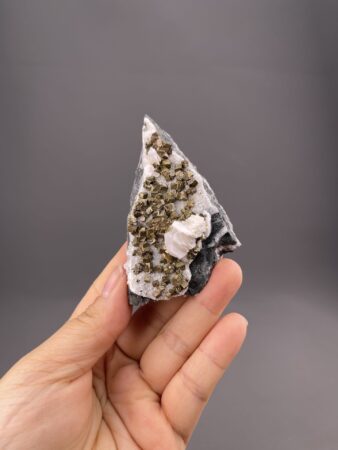
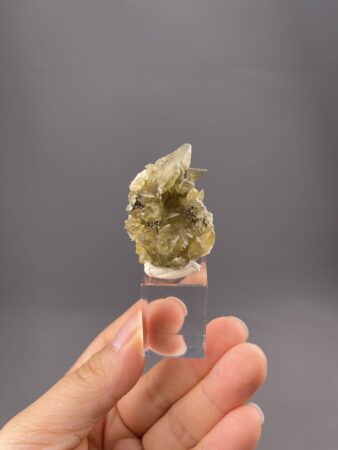
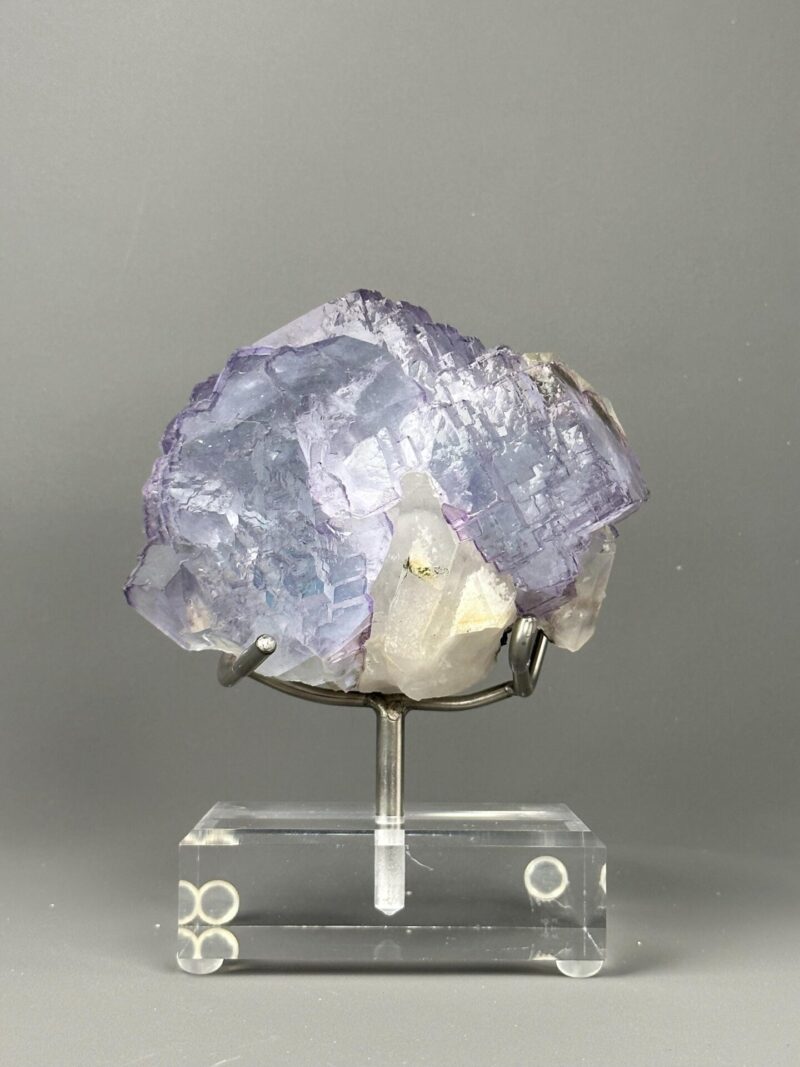
The deposit is a skarn-type Cu-Fe contact metasomatic system at the contact between Cretaceous Daye-suite granodiorite and Triassic-Carboniferous carbonate sequences. Garnet (andradite) – magnetite – chalcopyrite – hematite skarn ore is dominant. Modern reserves remain significant; the historical mining vertical extent reaches over 60 m below ancient surface workings.
Minerals Produced Here
- Calcite (方解石)
- Chalcocite (辉铜矿)
- Chrysocolla (硅孔雀石)
- Covellite (铜蓝)
- Cuprite (赤铜矿)