Native Copper
Curated by Maggie Liu · Updated:
Native Copper is a native element mineral known for its striking metallic crystals, with several world-class Chinese localities.
About Native Copperextended article
Native copper — the metal, uncut
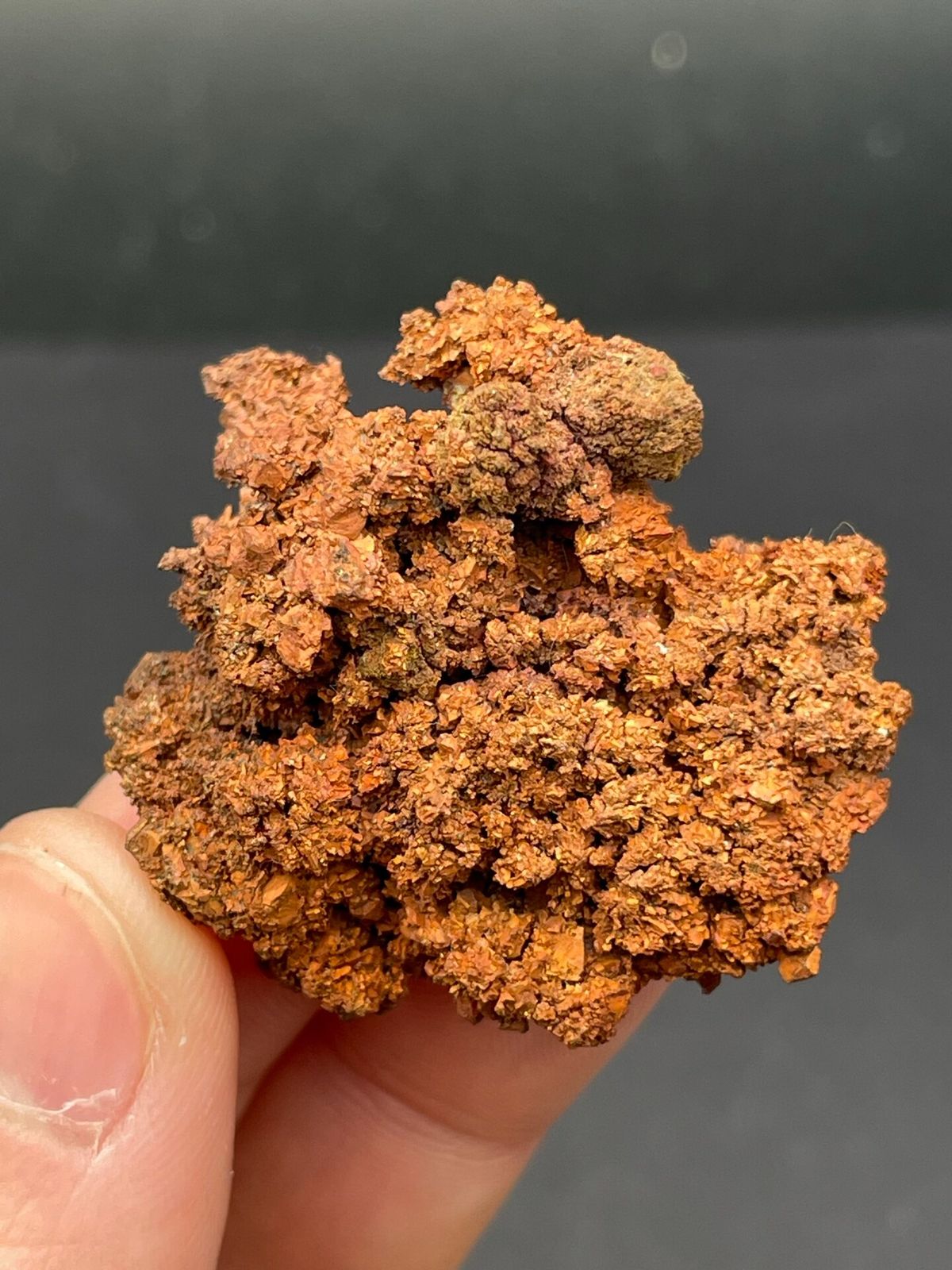
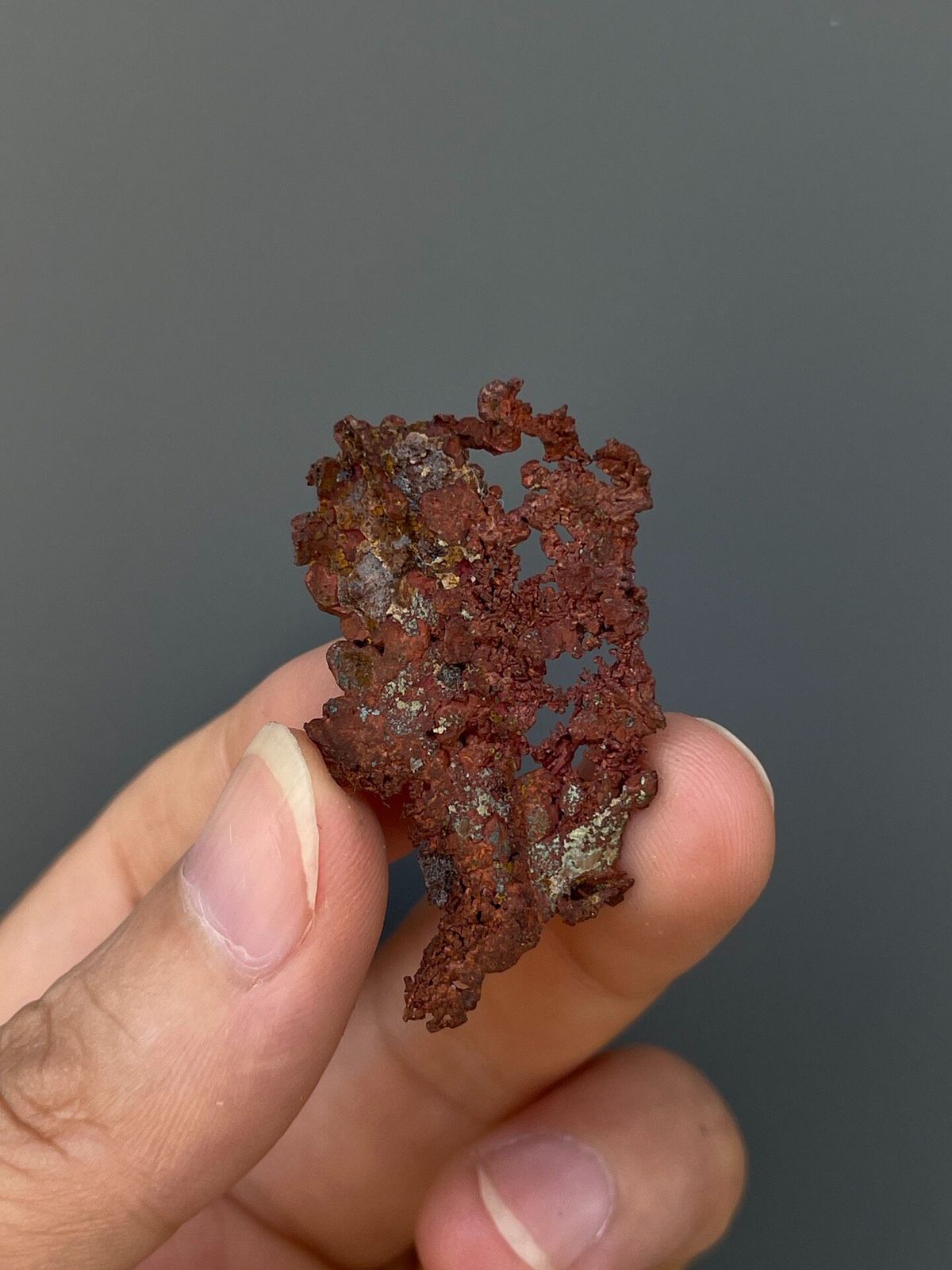
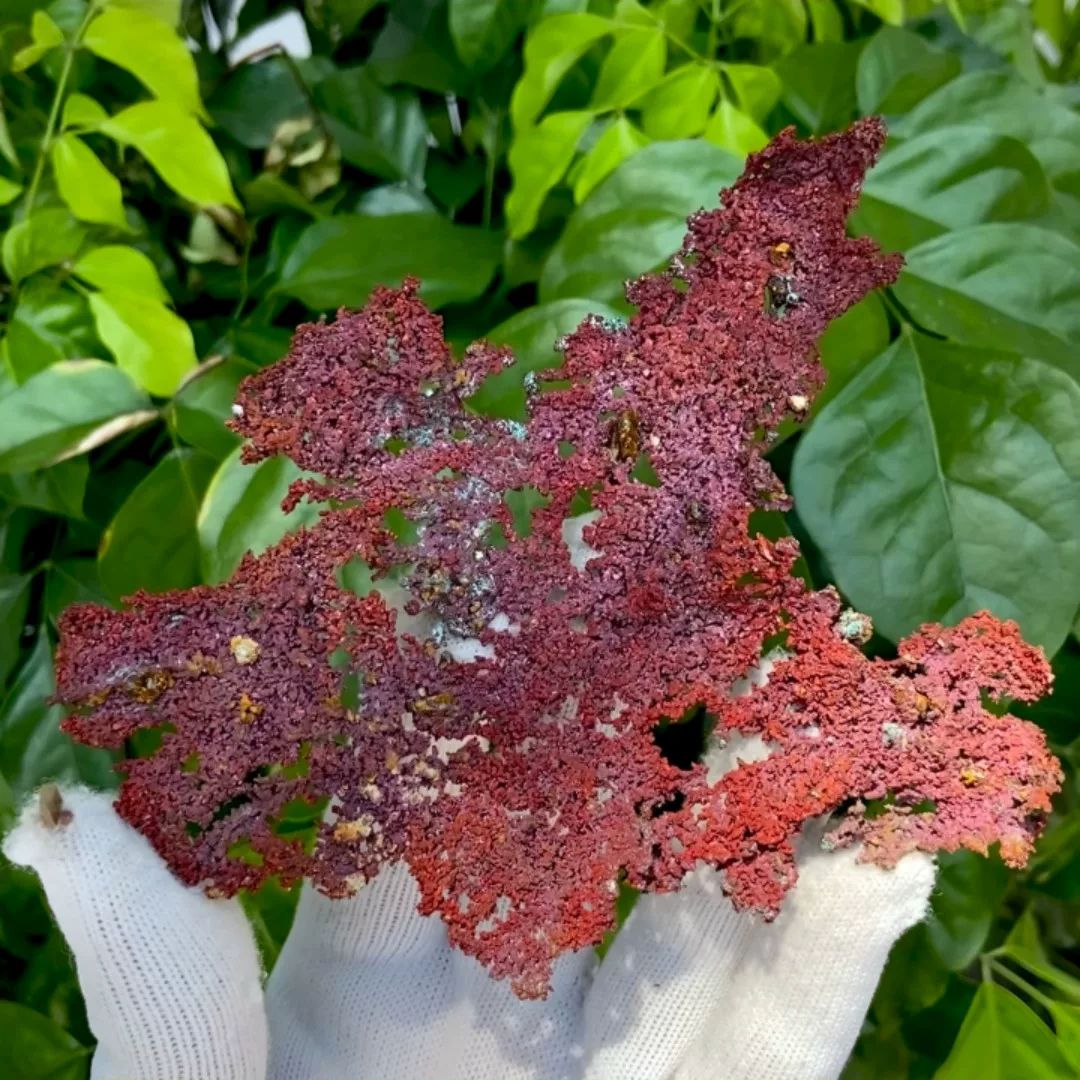
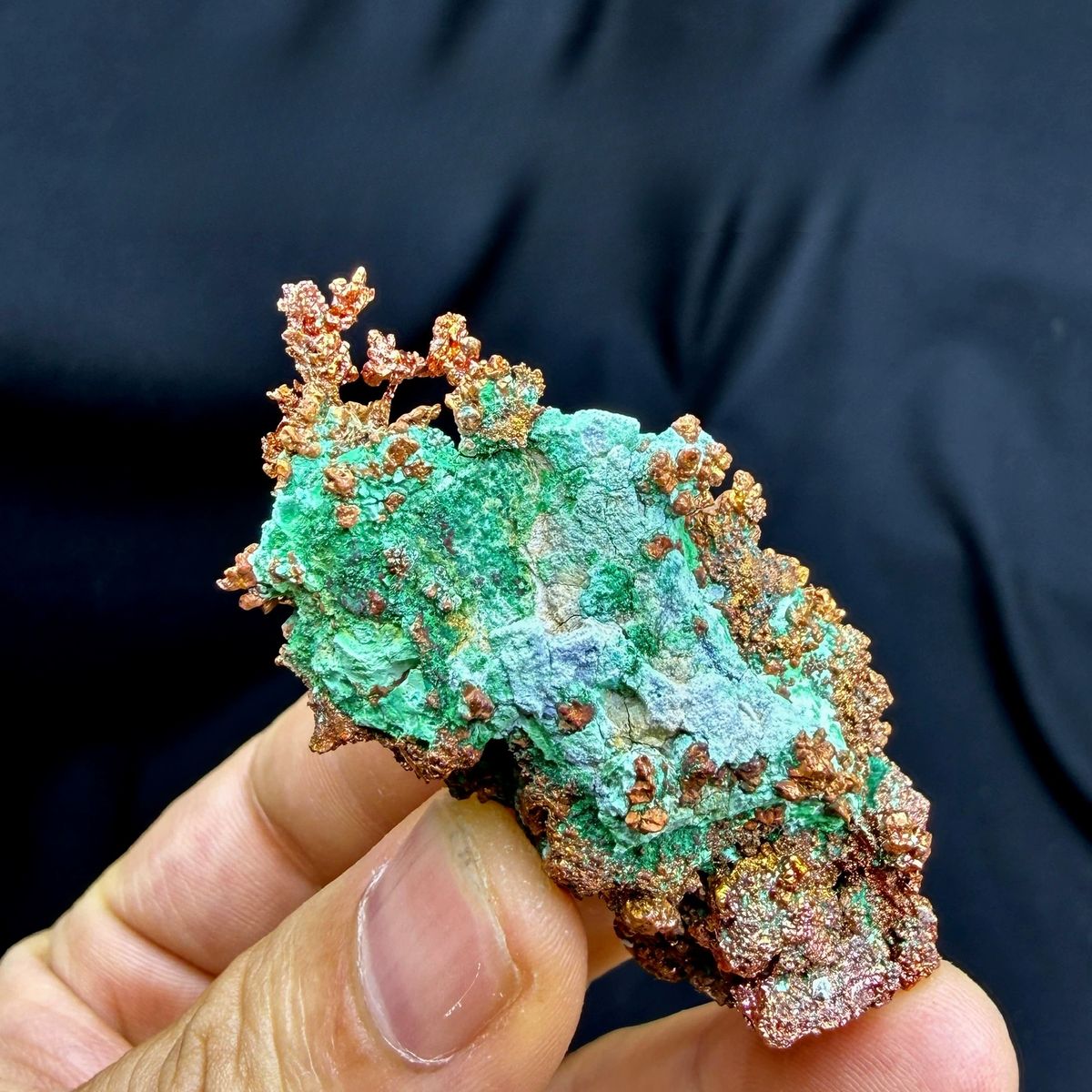
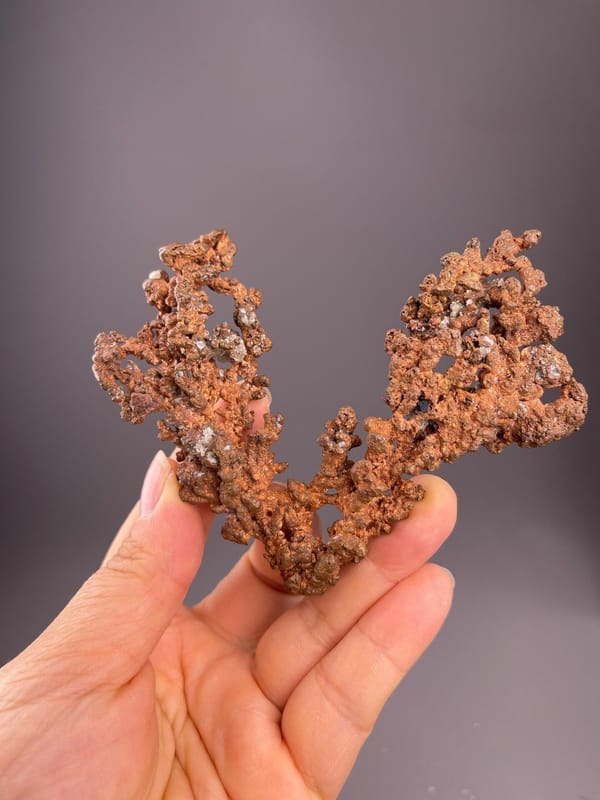
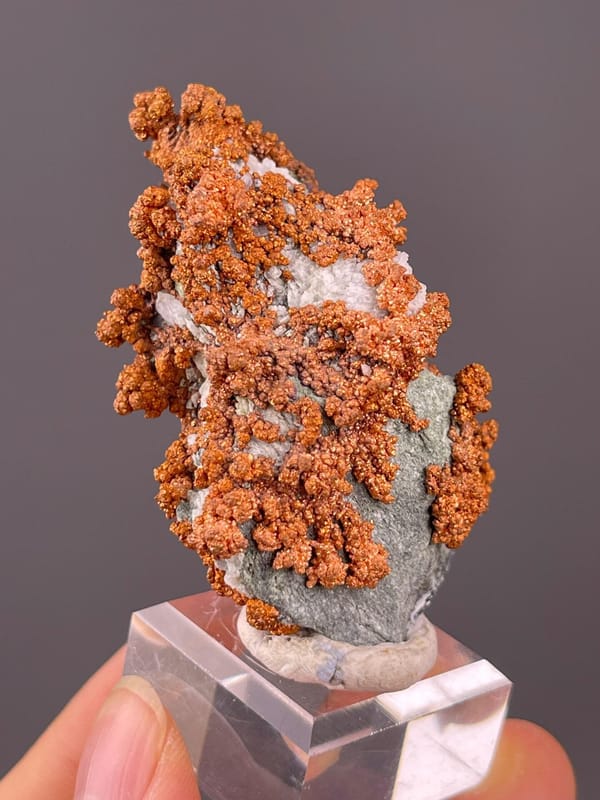
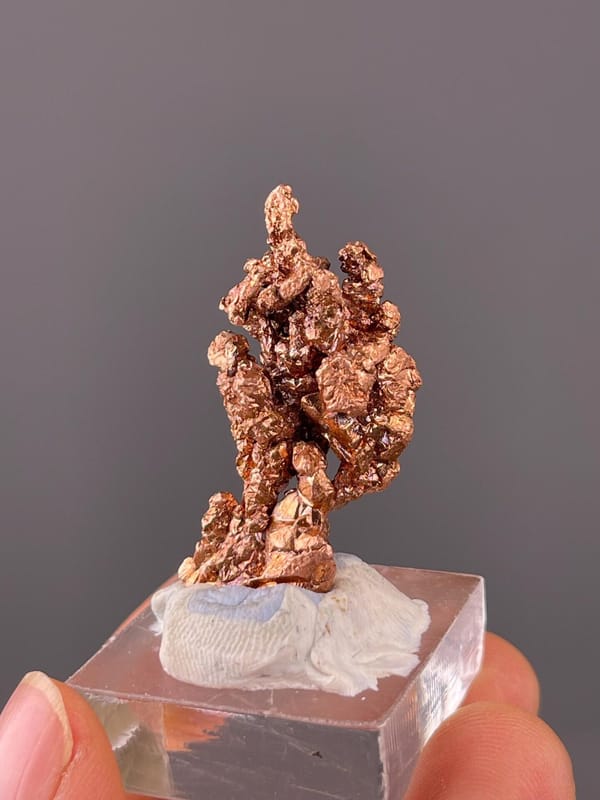
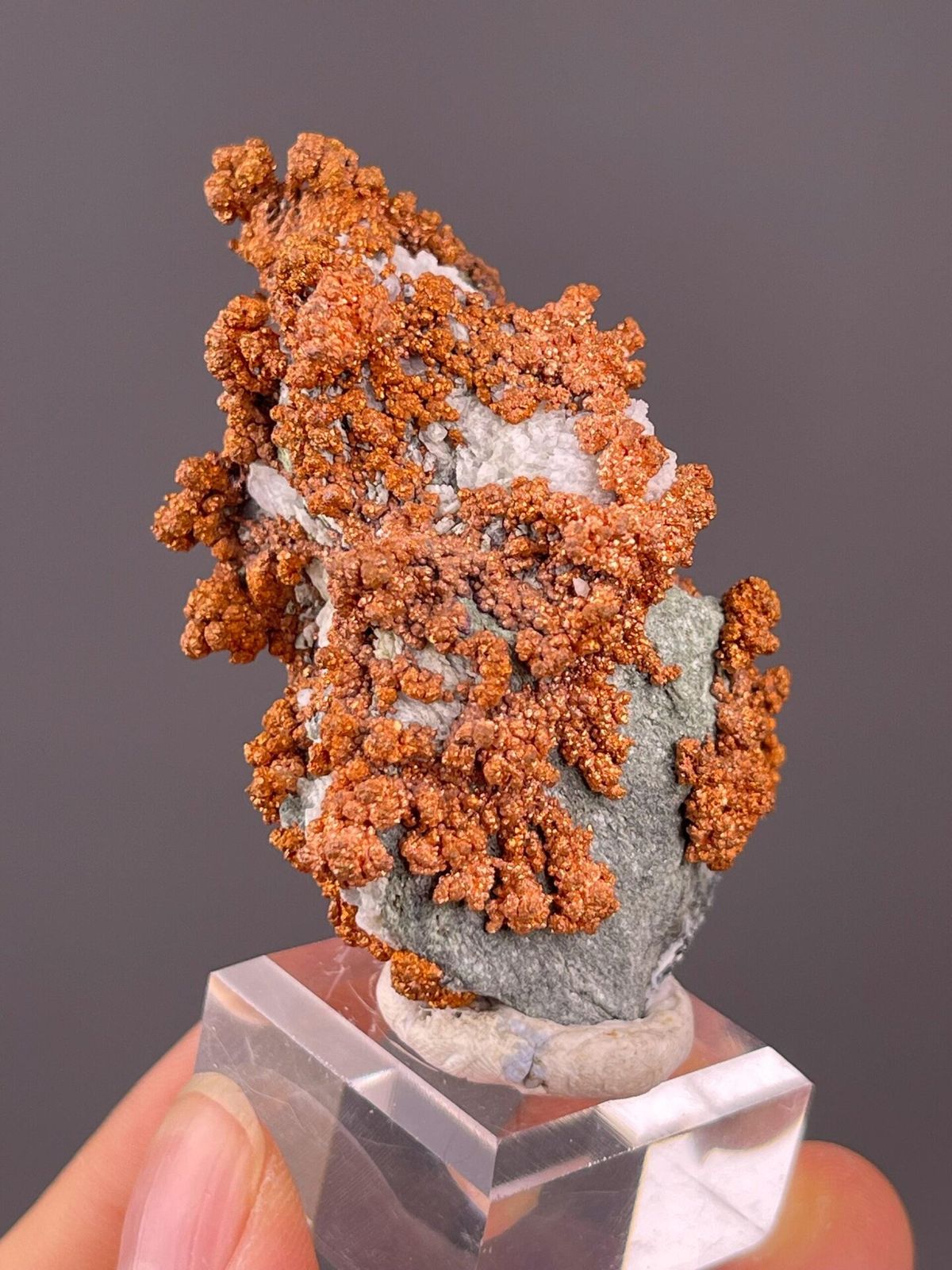
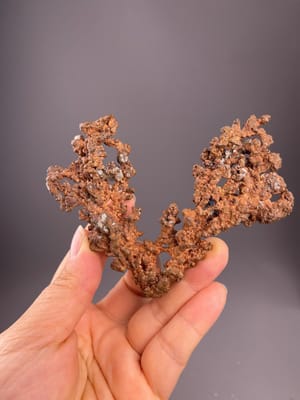
Native copper is elemental copper as nature deposits it: branching arborescent growths, wiry dendrites, and clusters of distorted cubic crystals, all with the unmistakable salmon-pink metallic color where freshly exposed. It was one of the first metals humans ever worked, precisely because it occurs ready-made.
Our material
Our specimens come from the copper systems of Jiangxi Province, China — arborescent growths and crystal clusters, including pieces from the Yichun mining area. Historically the species is most associated with Michigan's Keweenaw Peninsula, whose glacier-scattered "float copper" built a 19th-century mining boom.
Display notes
Copper tarnishes: expect surfaces to deepen toward brown-red over time, and keep pieces dry — humidity accelerates green carbonate patina. Some collectors prize the patina; purists keep a sealed display case with desiccant.
From our inventory
See the Jiangxi locality page for our native copper and its companion sulfides.
About Native Copper
Native Copper belongs to the native element class in the copper group and has the chemical formula Cu. It crystallizes in the isometric system and is relatively soft, requiring careful handling. Its combination of structural character and global distribution make it a recognized species in both systematic and aesthetic collections.
Identification & care
Crystals commonly develop as cubes, dodecahedra, tetrahexahedra; rarely octahedra; filiform (wires), herringbone, arborescent branching, massive nuggets. Its color is typically copper-red on fresh surfaces and tarnishes to black or green (malachite/azurite) in air. The luster is metallic, the streak is copper-red, and specimens are typically opaque. The cleavage is none observed. The fracture is hackly, which aids identification.
Collector context
How it forms
The geological setting for Native Copper is typically secondary oxidation zones of copper deposits; vesicular basalts (michigan district); hydrothermal veins; uncommon in primary deposits. It is commonly found in association with malachite, azurite, cuprite, tenorite, bornite, calcite, prehnite.
Classic Chinese localities
Jiama Cu-polymetallic deposit and Dexing Cu-Mo-Au ore field are an important Chinese source for the species.
Why collectors care
Collectors gravitate to Native Copper for the drama of its metallic luster and the geometry of its crystals — long striated blades, parallel sprays, or radiating clusters depending on the specimen. A large terminated group of native copper with intact luster is a centerpiece-level display object, and Chinese localities (where relevant) have produced some of the world's best-preserved material.
What affects value
Value in Native Copper is assessed, in typical order of weight, against: (1) locality provenance; (2) crystal size; (3) termination quality and crystal completeness; (4) metallic luster integrity (absence of tarnish); (5) crystal habit elegance (parallel, radiating, or bladed); (6) matrix contrast and aesthetic balance; (7) condition and absence of re-attached crystals. Verified locality documentation and absence of cleaning residue act as strong multipliers across the above.
Frequently asked questions
What is Native Copper?
Native Copper has the chemical formula Cu, crystallises in the Isometric system. Native Copper is a native element mineral known for its striking metallic crystals, with several world-class Chinese localities.
What is the chemical formula of Native Copper?
The chemical formula of Native Copper is Cu.
What crystal system does Native Copper belong to?
Native Copper crystallises in the Isometric crystal system.
Where is Native Copper found?
Notable localities for Native Copper include Jiangxi Province.