Guangxi
Curated by Maggie Liu · Updated:
Guangxi, in subtropical southern China, is a major source of grass-green pyromorphite (the Daoping Mine) and a major tin-polymetallic and lead-zinc region centred on the Dachang ore field.
About Guangxiextended article
Guangxi — pyromorphite, tin, and secondary lead minerals
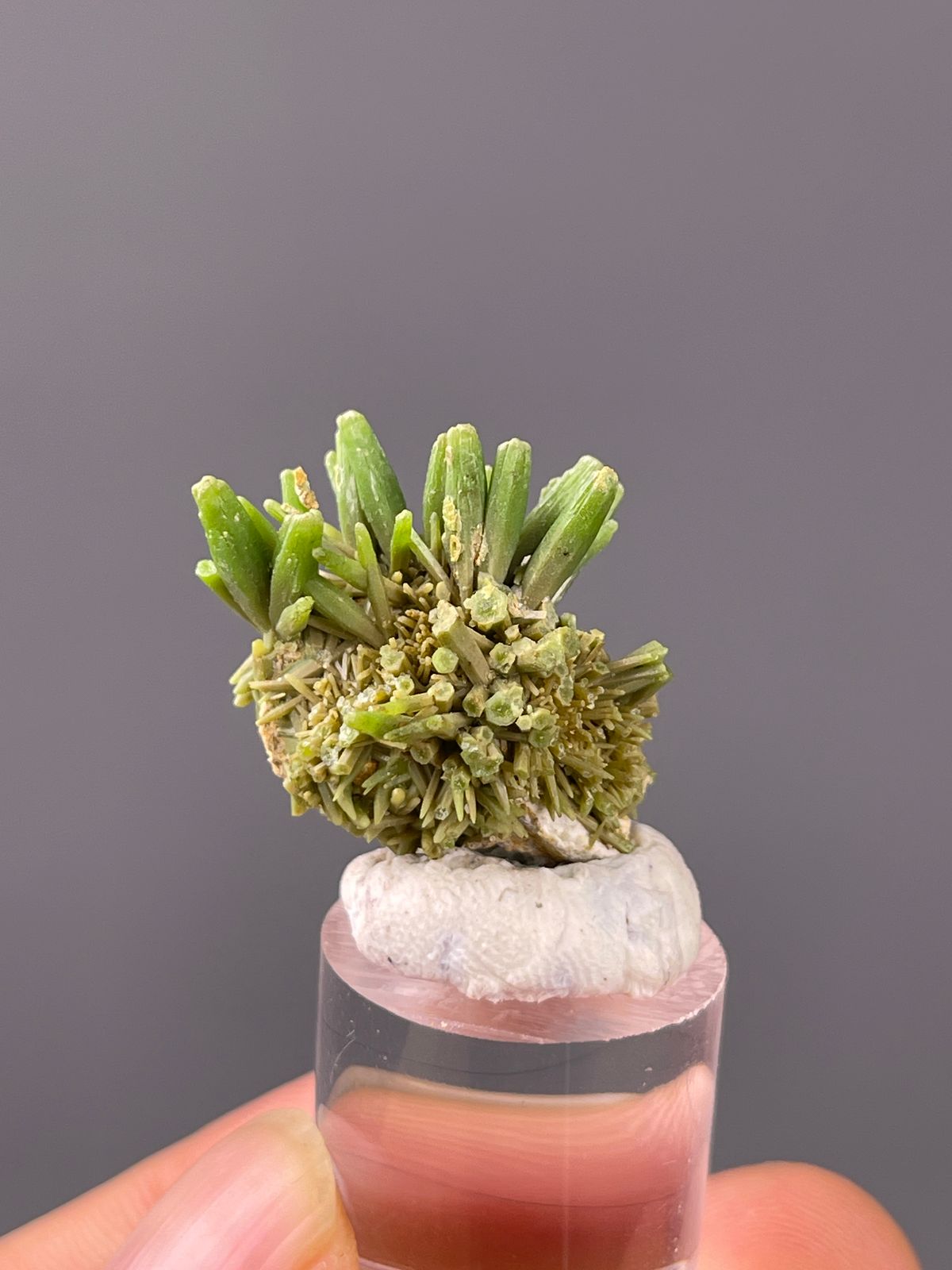
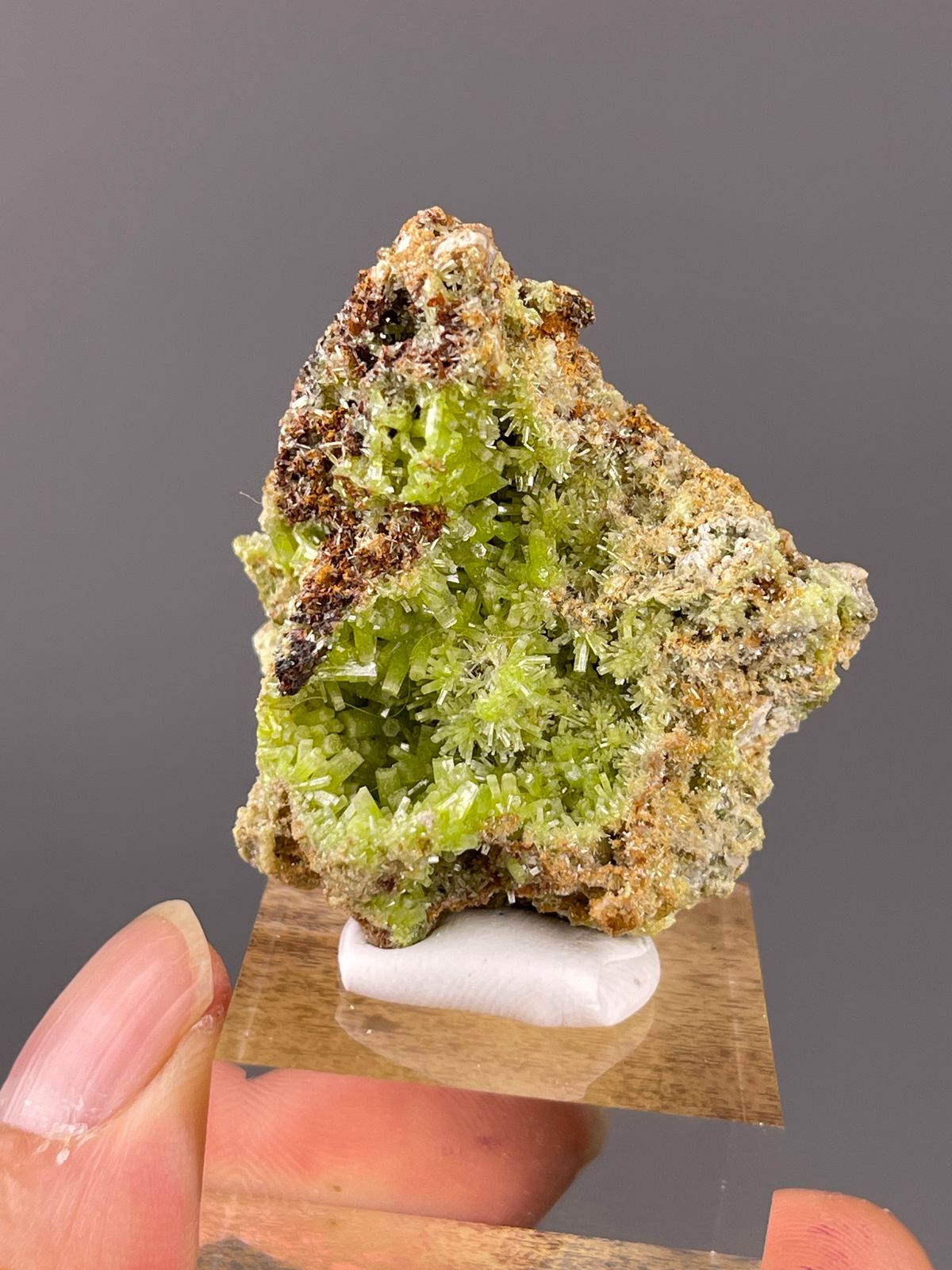
Guangxi Zhuang Autonomous Region is best known to collectors for one mineral above all: the brilliant grass-green pyromorphite of the Daoping Mine near Yangshuo, the world’s foremost source for the species. Beyond it lies a varied mineralogy built on tin-polymetallic and lead-zinc deposits.
Geological setting
Guangxi sits at the south-western end of the Nanling metallogenic belt, where granitic intrusions cut Devonian–Carboniferous carbonates. This produced the Sn-polymetallic ore fields of the Dachang district in Nandan County — one of China’s great tin–zinc–antimony areas — alongside lead-zinc deposits whose oxidised zones yield the secondary lead minerals the region is known for.
What Guangxi is known for
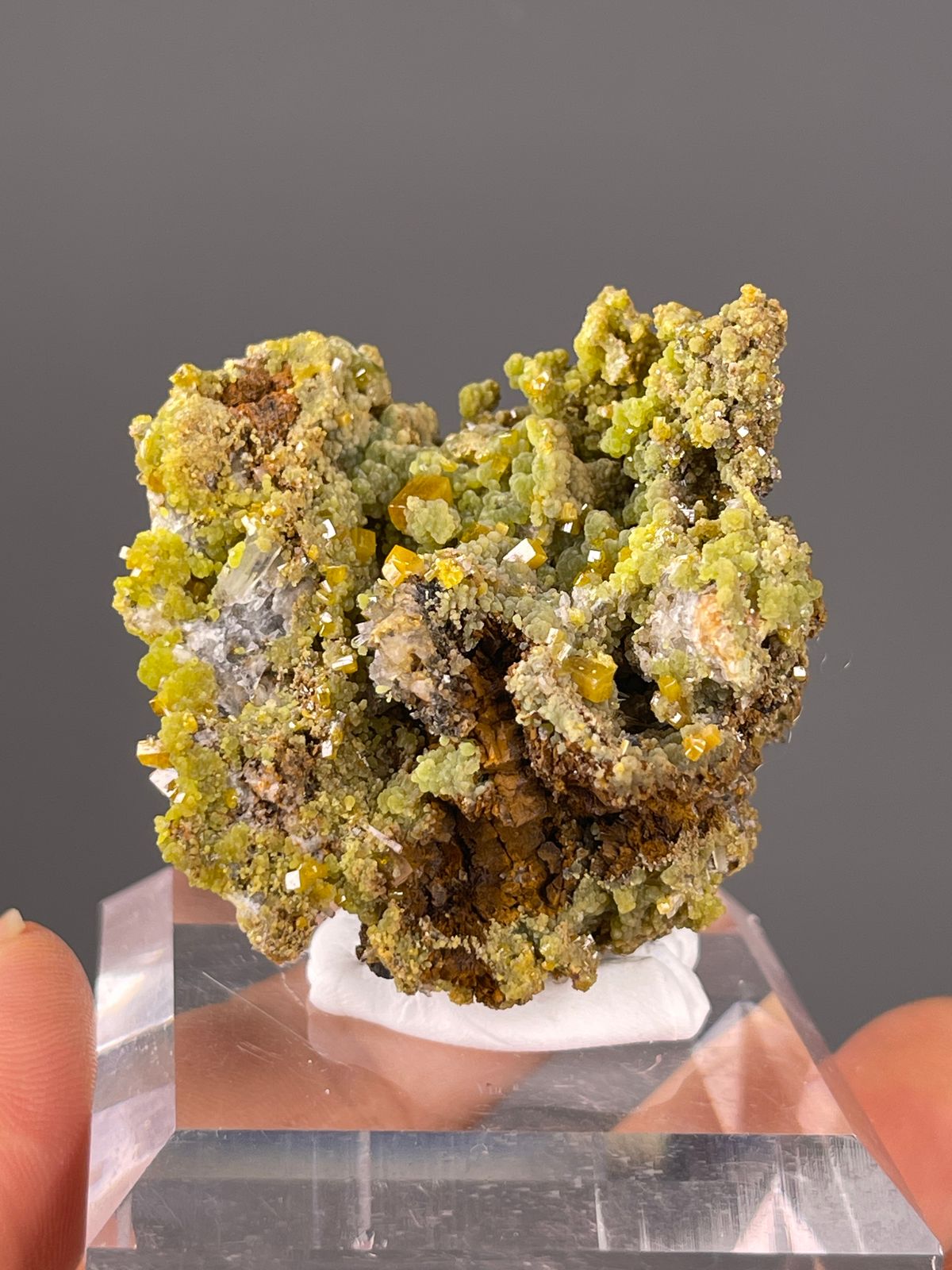
- Pyromorphite — grass-green crystal druses from Daoping (a signature source)
- Cassiterite, sphalerite, and sulfosalts from the Dachang ore field
- Mimetite, cerussite, and other oxidised lead minerals
- Well-crystallised sulfides from the lead-zinc deposits
Collector value
Daoping pyromorphite is the province’s signature — colour saturation, crystal coverage, and undamaged druse faces drive value. Dachang specimens (cassiterite, sphalerite, and the rarer sulfosalts) are prized by systematic collectors. Browse the Daoping Mine page or the pyromorphite guide.
Frequently asked questions
Where is Guangxi?
Guangxi is a mineral locality in China. It lies at approximately 23.8000°N, 108.8000°E.
What is Guangxi known for?
Guangxi, in subtropical southern China, is a major source of grass-green pyromorphite (the Daoping Mine) and a major tin-polymetallic and lead-zinc region centred on the Dachang ore field.