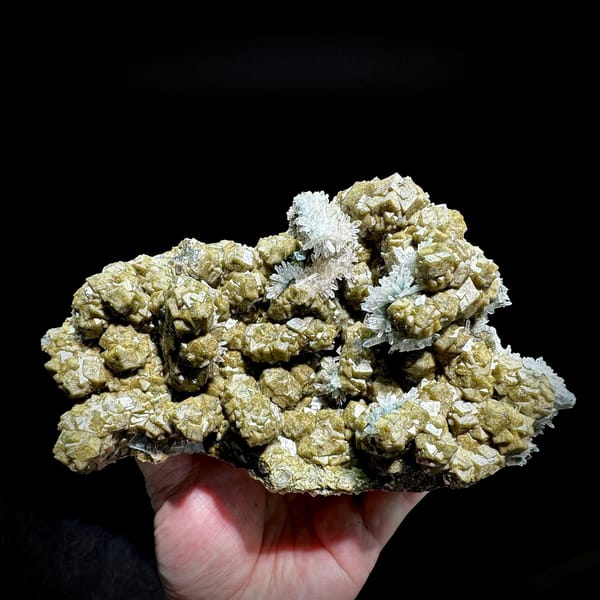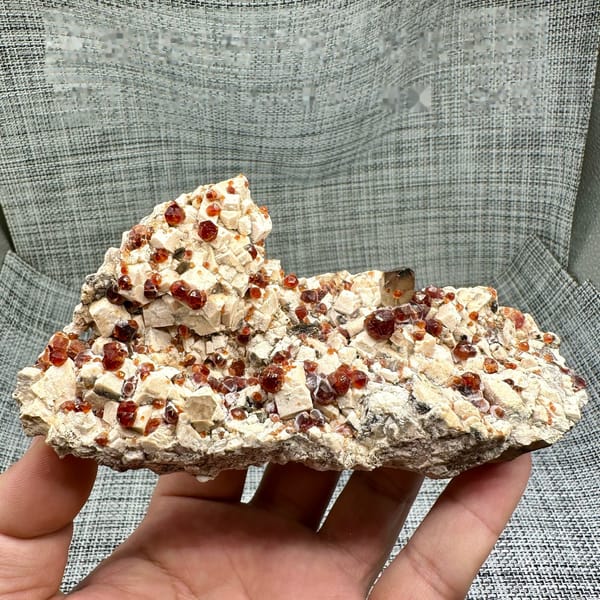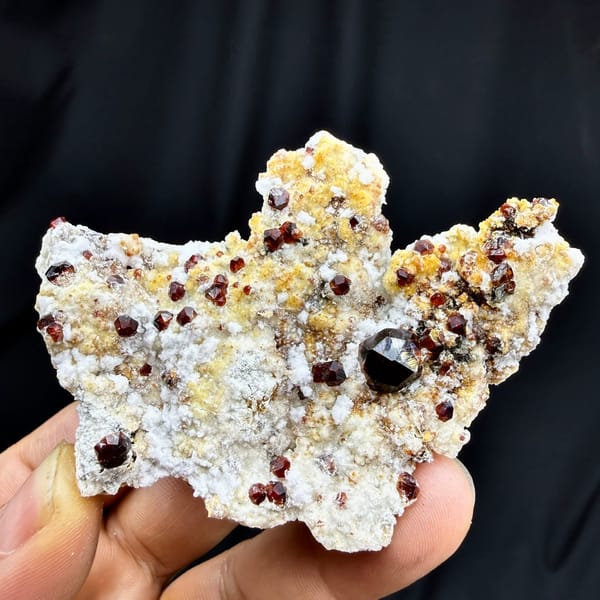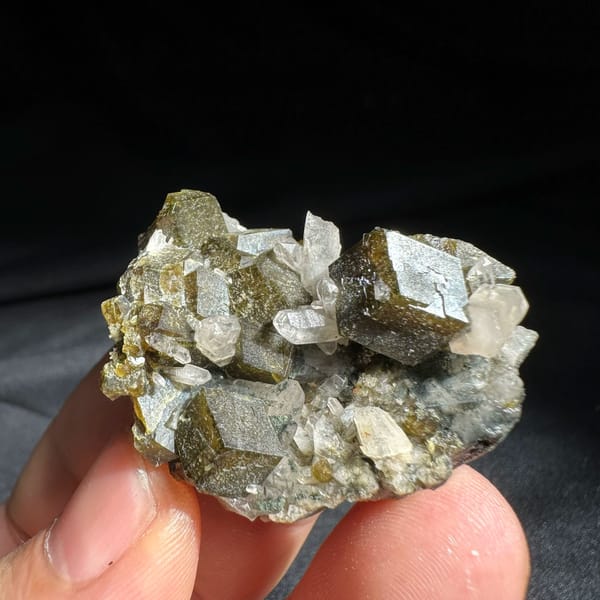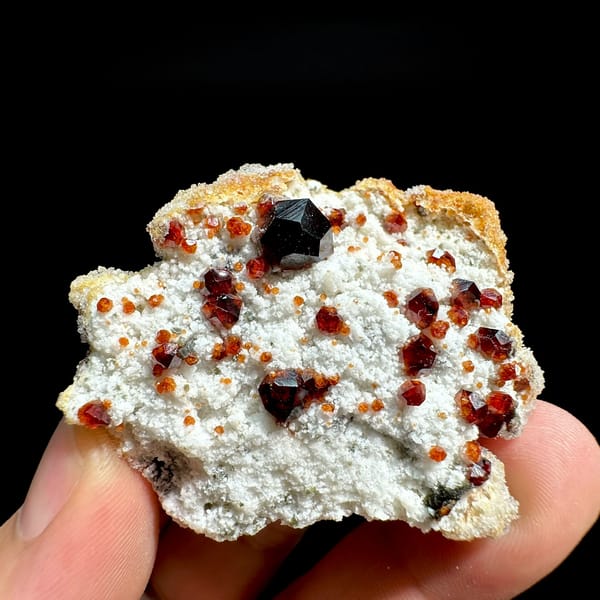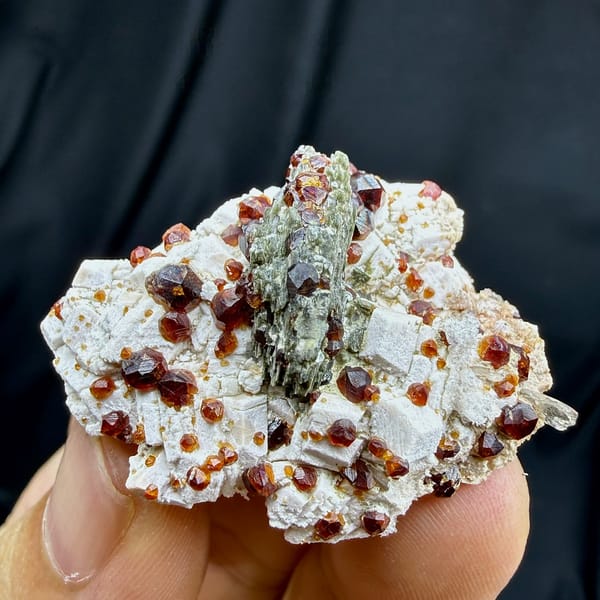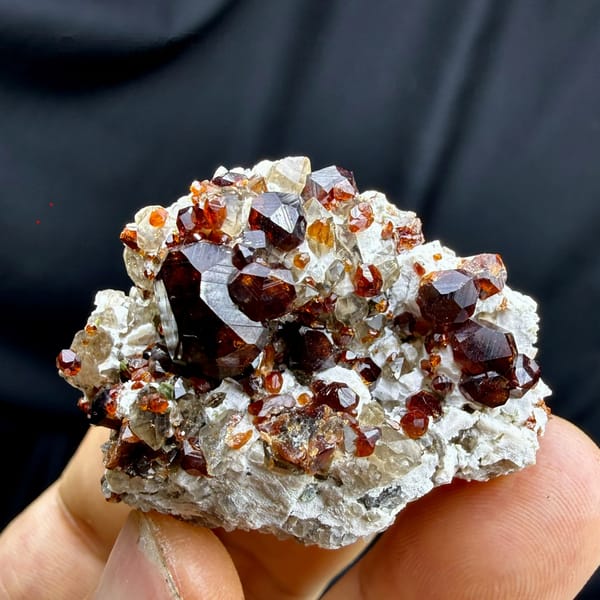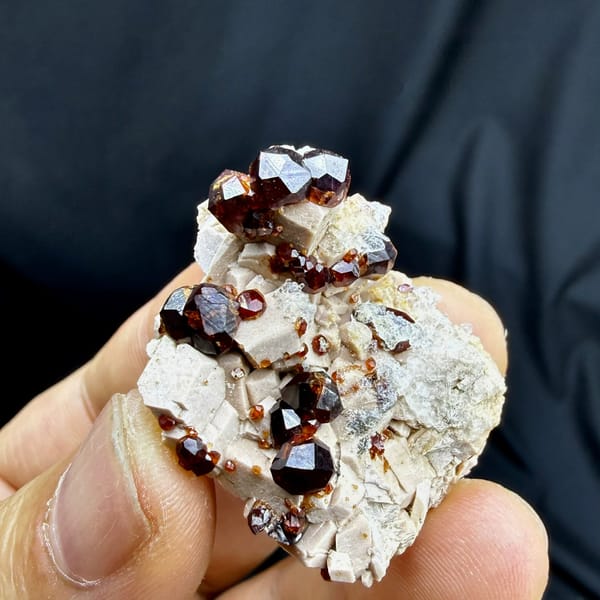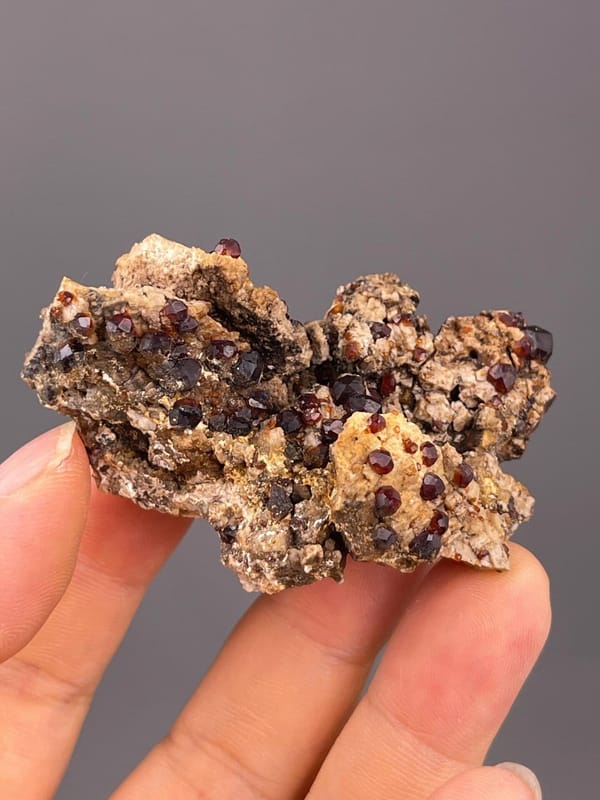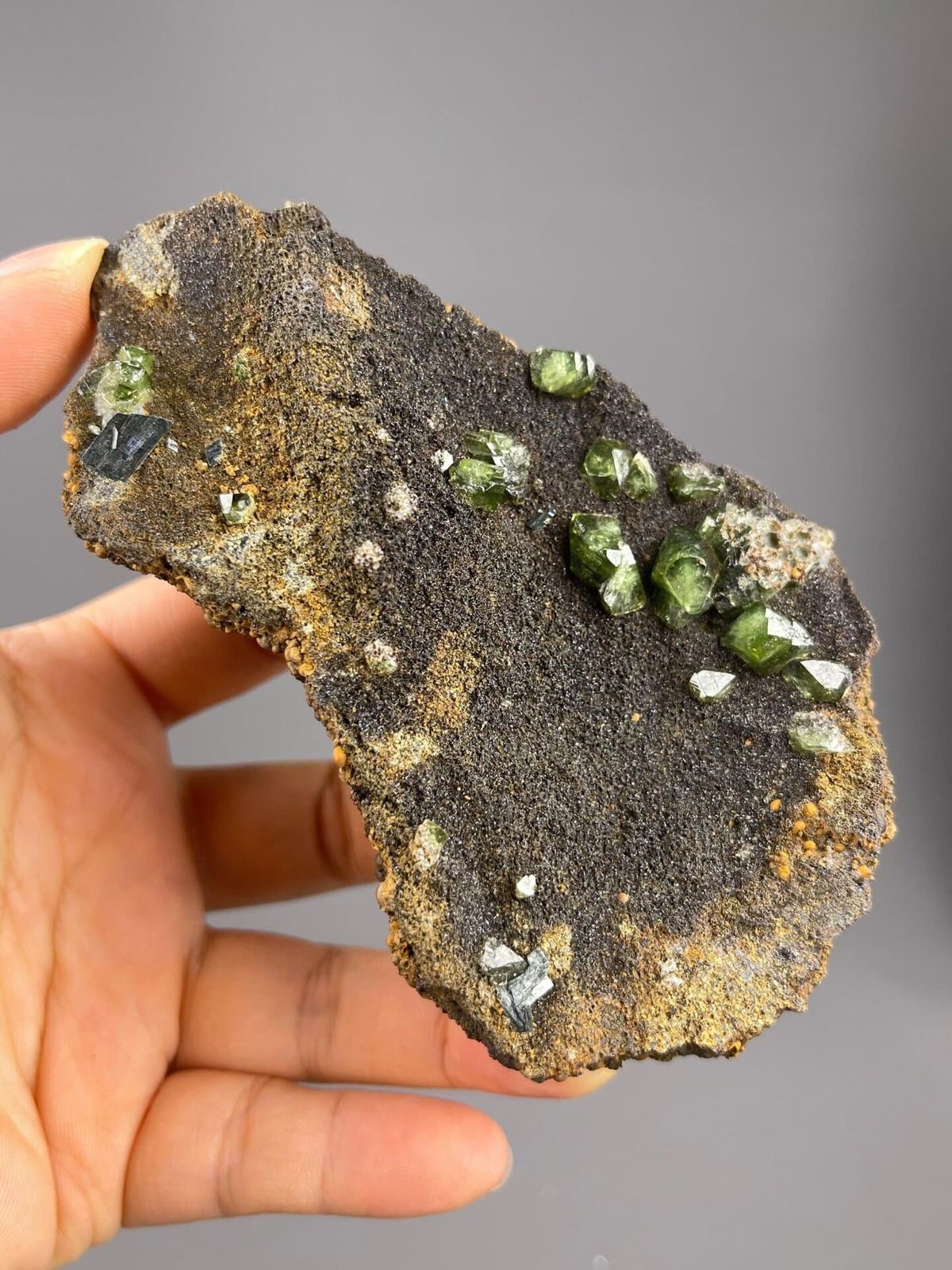
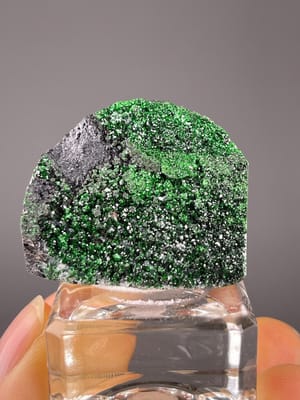
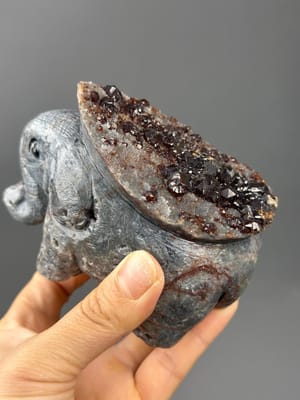
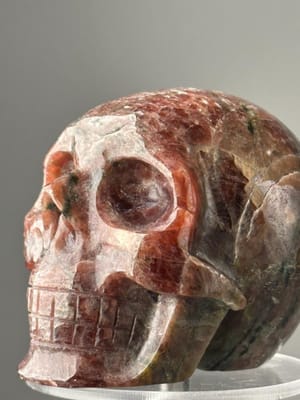
Garnet Quick Facts
| Chemical Formula | X₃Y₂(SiO₄)₃ (Nesosilicate group; X = Ca, Mg, Fe²⁺, Mn; Y = Al, Fe³⁺, Cr) |
| Crystal System | Isometric (Cubic) |
| Mohs Hardness | 6.5–7.5 |
| Specific Gravity | 3.5–4.3 (varies by species) |
| Cleavage | None (parting occasionally observed) |
| Luster | Vitreous to resinous |
| Streak | White |
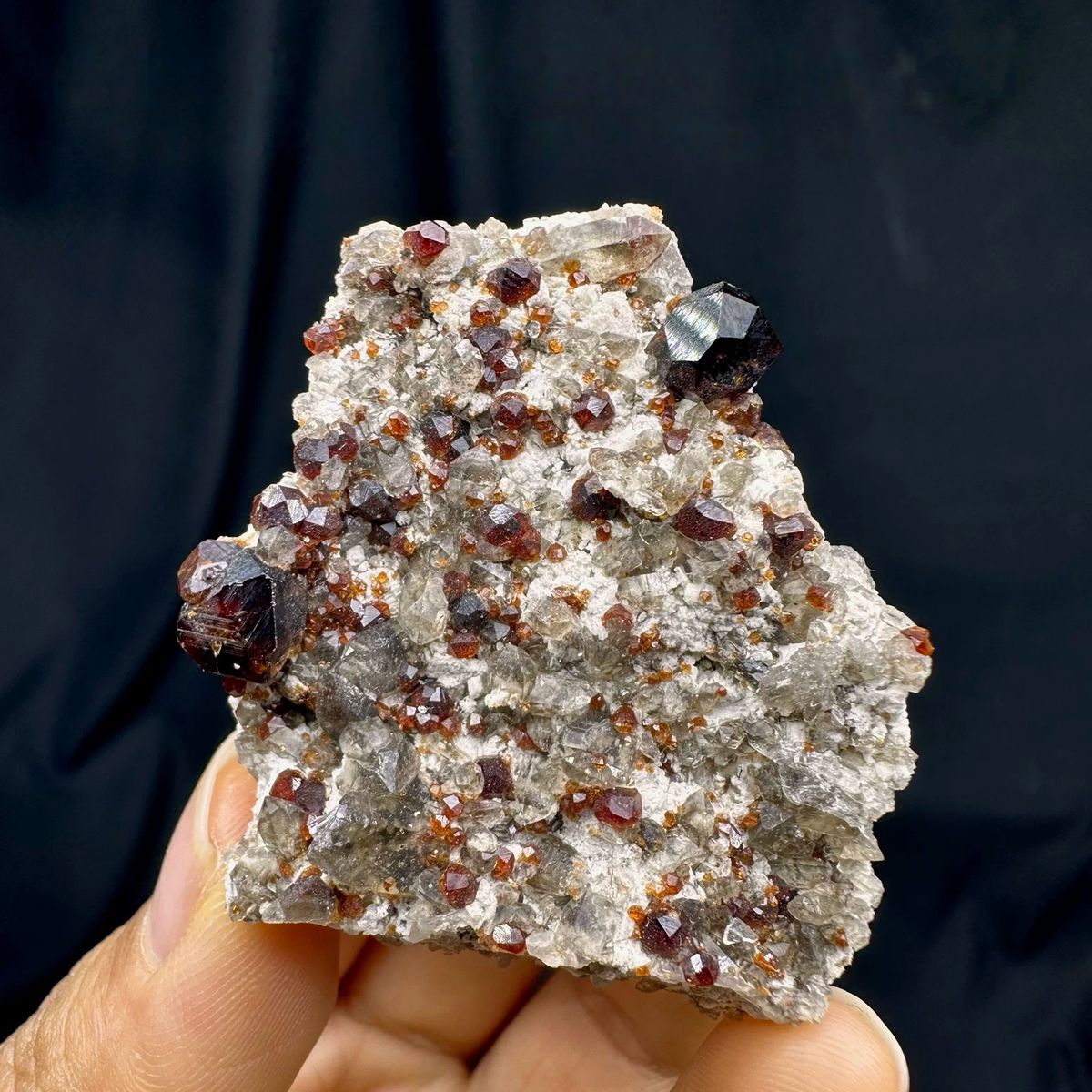
| Common Colors | Red (almandine/pyrope), orange (spessartine), green (grossular/uvarovite), black (andradite) |
| Notable Localities | Wrangell (Alaska, USA), Minas Gerais (Brazil), Mali, Jeffery Mine (Quebec, Canada), Asbestos (Russia) |
What is Garnet?
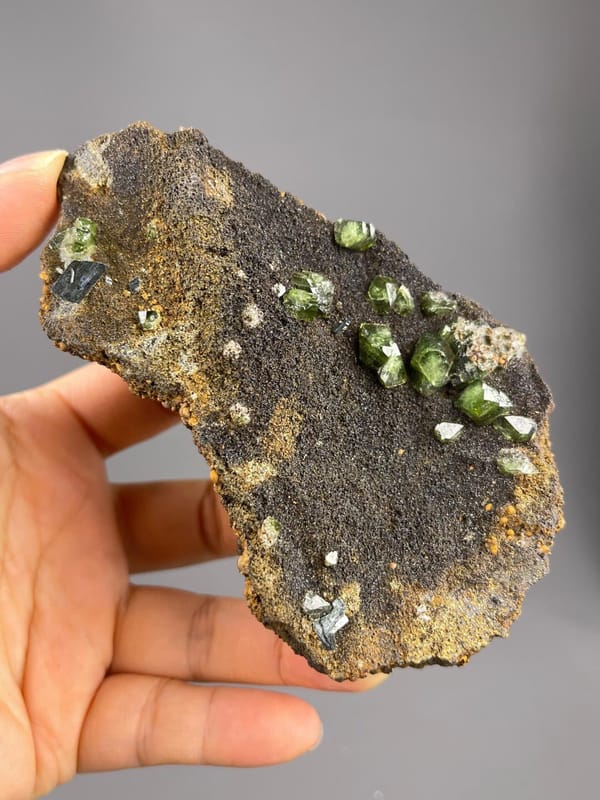
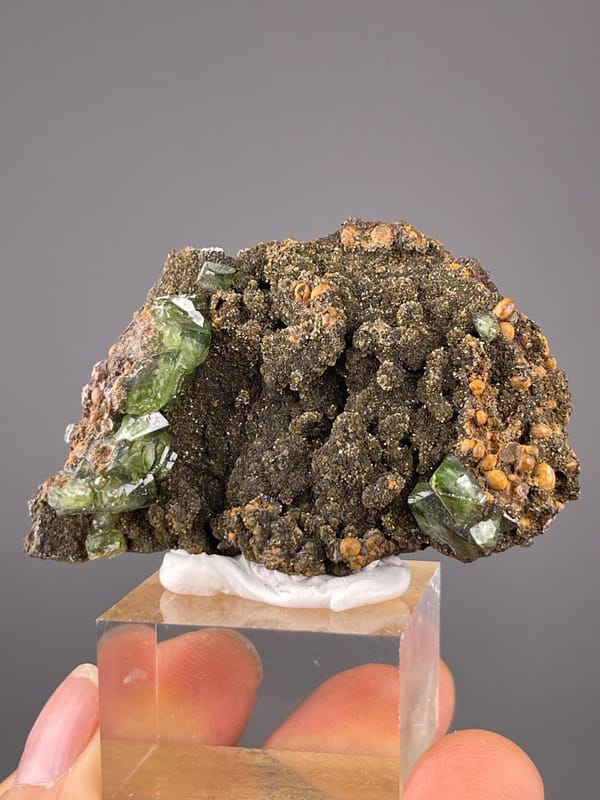
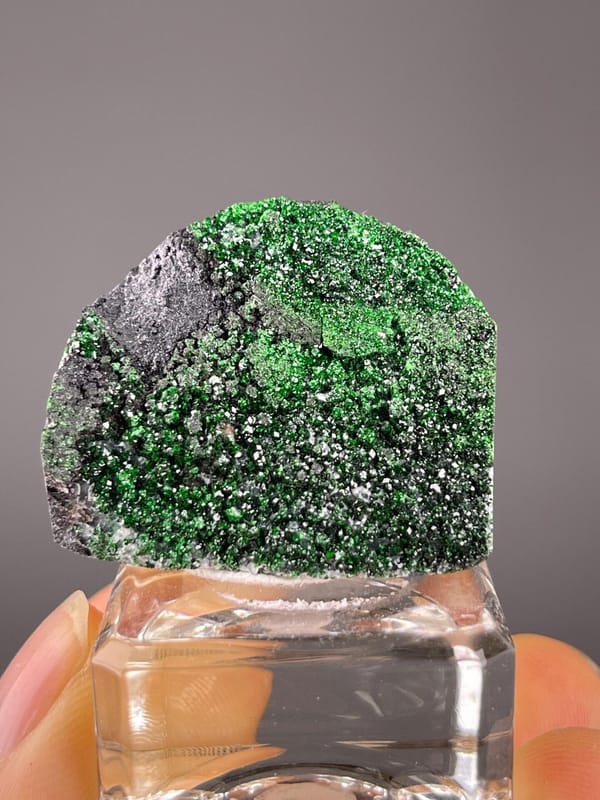
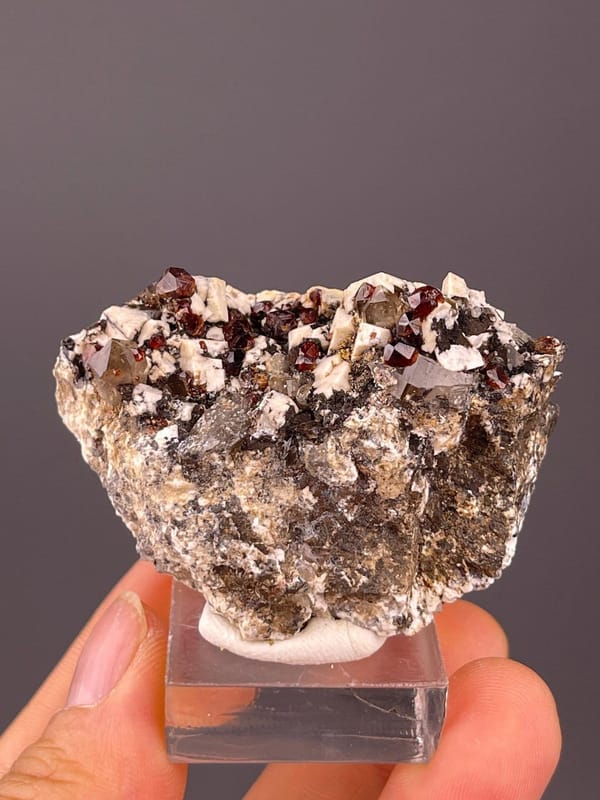
Garnet is not a single mineral but a group of closely related silicate minerals sharing the general formula X₃Y₂(SiO₄)₃. The most common garnet species include almandine (deep red, iron-rich), pyrope (blood red, magnesium-rich), spessartine (orange, manganese-rich), grossular (green to golden, calcium-aluminum), andradite (including the prized green demantoid variety), and uvarovite (emerald green, chromium-rich). This diversity makes garnet one of the most colorful and versatile mineral groups for collectors.
Garnets crystallize in the cubic (isometric) system, typically forming dodecahedral (12-faced) or trapezohedral (24-faced) crystals that are instantly recognizable. Their well-formed crystal geometry, combined with rich colors and high luster, makes garnet a display favorite. Garnets have been used as gemstones and abrasives for thousands of years — garnet jewelry has been found in Egyptian tombs dating to 3100 BC.
Famous Garnet Localities
Jeffrey Mine, Asbestos, Quebec, Canada produced world-class grossular garnet crystals in vibrant green, pink, and golden colors. Specimens from this now-closed mine are highly collectible. Mali produces stunning green grossular-andradite garnets (Mali garnets) prized by gem and mineral collectors alike.
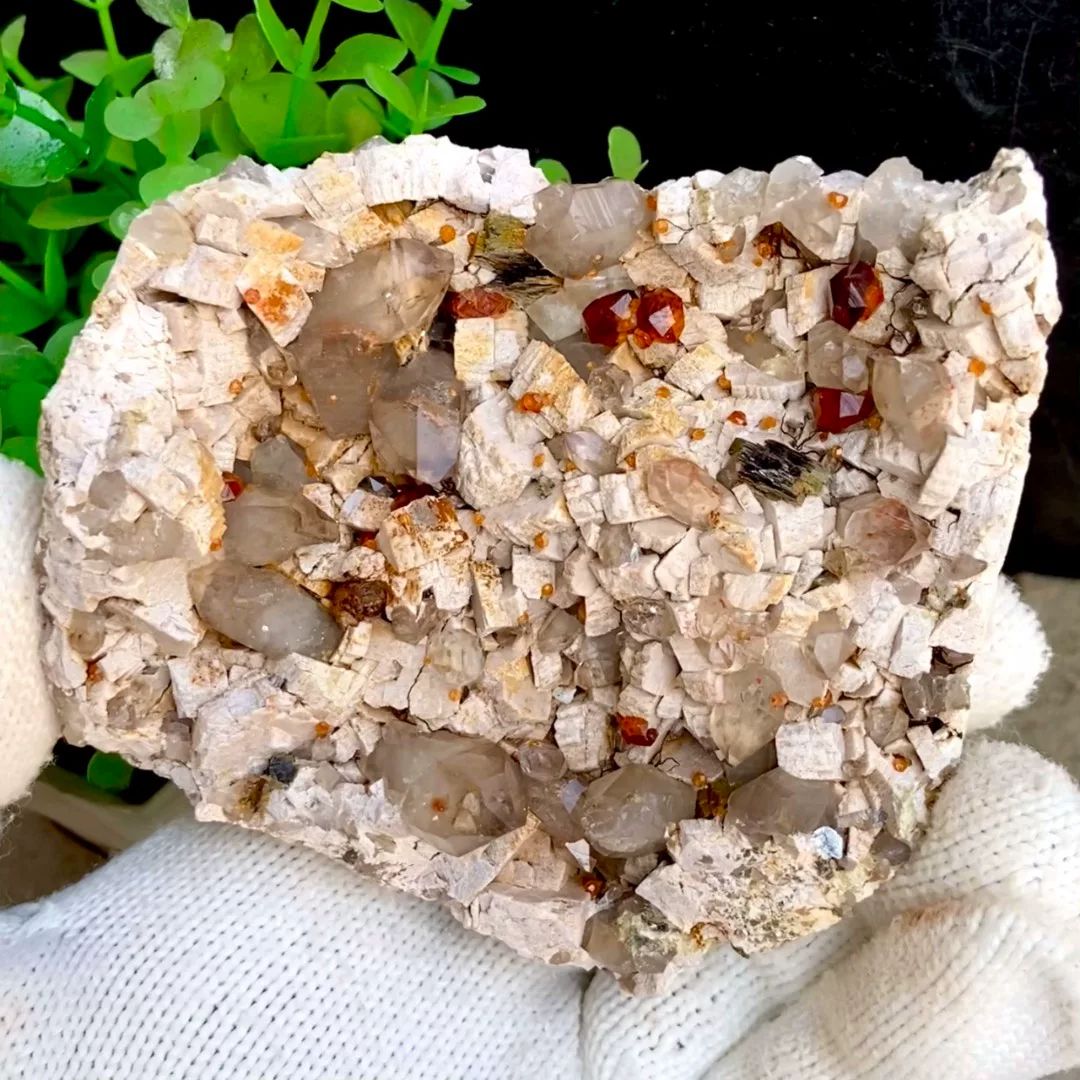
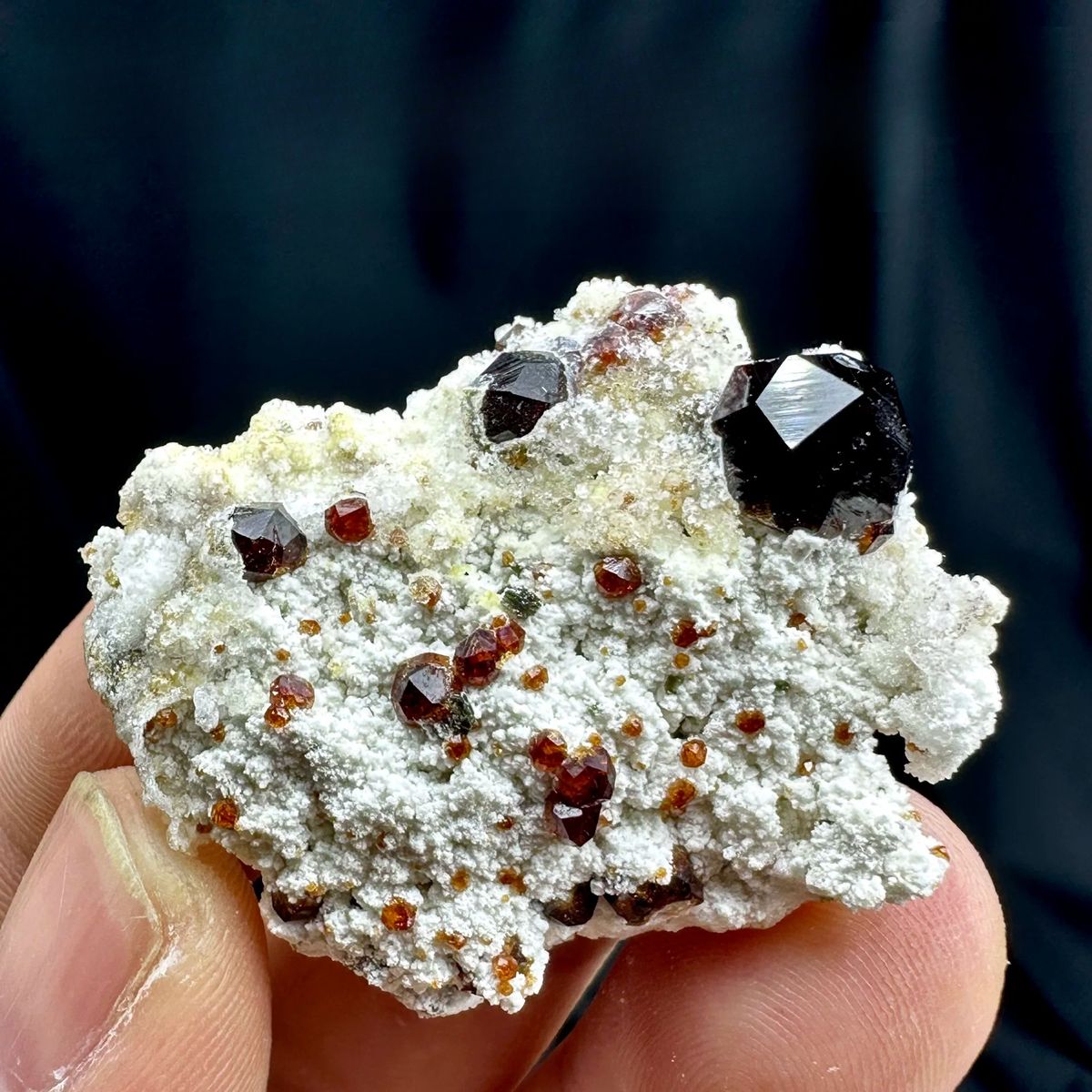
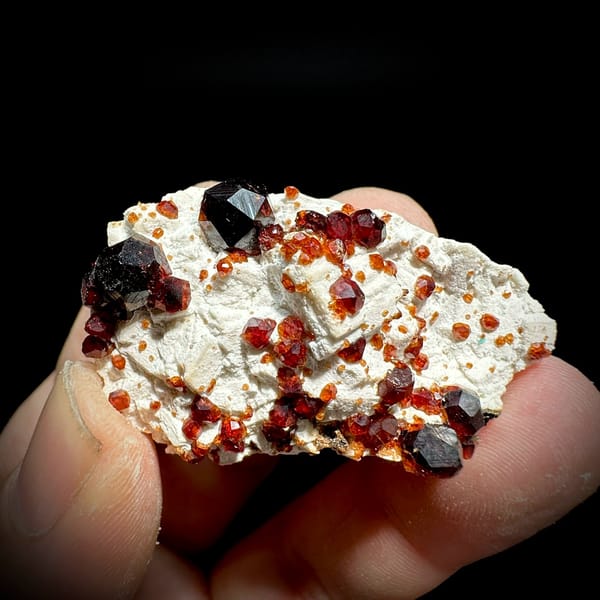
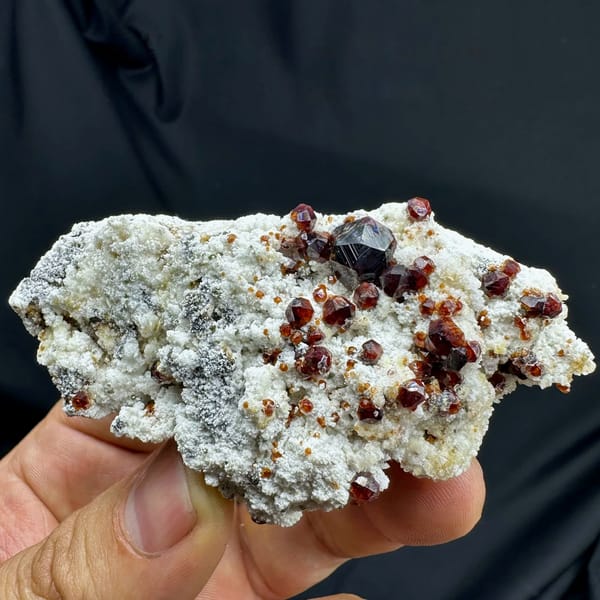
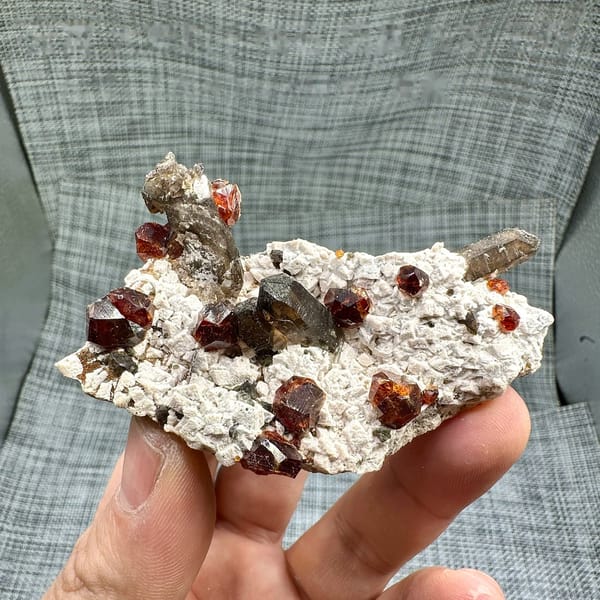
Namibia is famous for demantoid and spessartine garnets. The Erongo Mountains and other localities yield bright orange spessartine crystals on matrix that are perennial favorites at mineral shows. Tanzania produces the rare and valuable tsavorite variety of grossular garnet in vivid green.
Russia’s Ural Mountains are the classic source of demantoid andradite garnet — the rarest and most valuable garnet variety, with its characteristic green color and “horsetail” chrysotile inclusions. China has become an important source of large, well-formed almandine and spessartine garnets from multiple provinces, often at very attractive prices for collectors. India, Sri Lanka, Brazil, and Madagascar round out the major garnet-producing regions.
Collecting Garnet: What to Look For
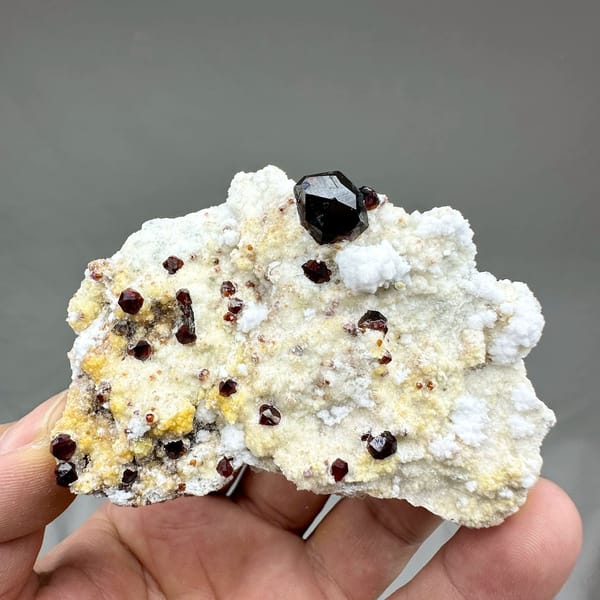
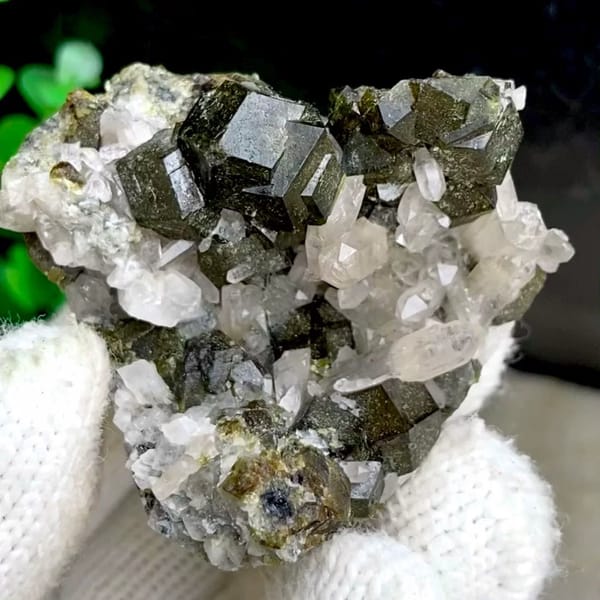
Crystal form: Well-formed dodecahedral or trapezohedral crystals with sharp, clean faces are the hallmark of quality garnet specimens. Look for complete crystals fully emerged from matrix, with minimal chipping or damage to crystal faces.
Color and species variety: Building a collection of different garnet species is a rewarding approach. Aim for deep red almandine, bright orange spessartine, green grossular or tsavorite, golden hessonite, and green demantoid to showcase the group’s color range.
Transparency and luster: Transparent garnets with high vitreous luster are most desirable. Hold specimens up to light — gem-quality transparency significantly increases value. Even opaque specimens should display good surface luster.
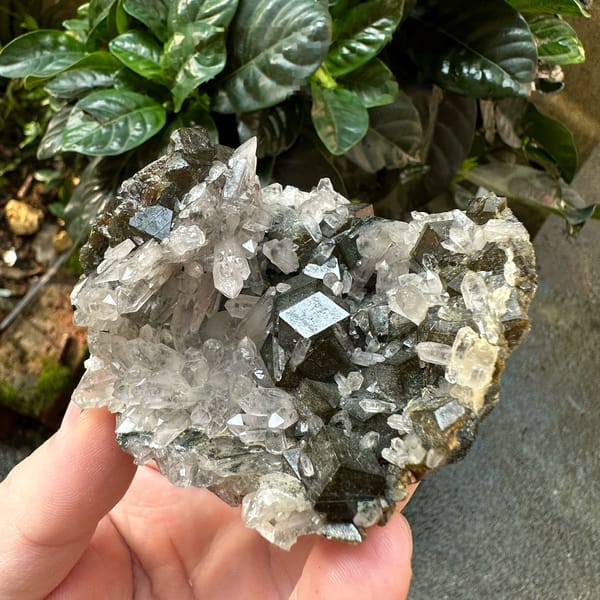
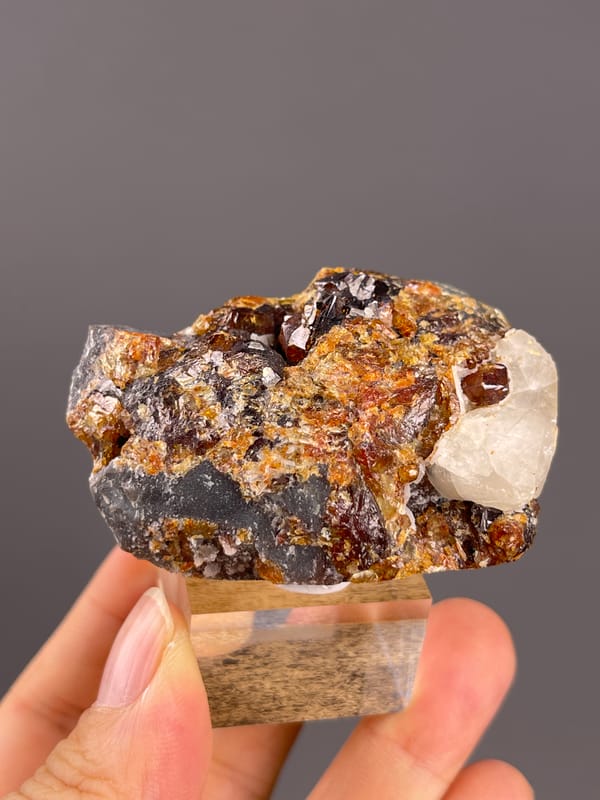
Matrix and presentation: Garnets in mica schist, marble, or other contrasting matrix create excellent display specimens. Clusters of multiple crystals add visual complexity and collecting interest.
Care, Handling, and Display
Garnets are durable minerals (hardness 6.5–7.5) suitable for permanent display without special precautions. They are not light-sensitive and maintain their color indefinitely. Clean with warm water and a soft brush. Ultrasonic cleaning is generally safe for garnets without fractures.
For display, garnets look best under warm-toned lighting that enhances their rich colors. Red almandine and pyrope garnets particularly glow under incandescent or warm LED light. Place transparent specimens where light can pass through them, revealing their inner fire and color depth.
Garnet pairs beautifully with other metamorphic minerals for themed displays: kyanite, staurolite, and mica create a schist-hosted mineral grouping, while grossular with calcite and diopside represents marble-hosted assemblages.
Garnet Species Guide for Collectors
Almandine — The most common garnet; deep red to purplish-red. Found worldwide in metamorphic rocks. Affordable and widely available in large crystals. Pyrope — Blood-red, magnesium-rich. Classic Bohemian garnets are pyrope. Often found as rounded grains rather than well-formed crystals. Spessartine — Orange to reddish-orange, manganese-rich. Namibian and Chinese specimens offer superb crystal form. Grossular — Calcium-aluminum garnet occurring in many colors: green (tsavorite), golden (hessonite), pink (rosolite), and colorless. Andradite — Includes rare green demantoid (the most valuable garnet), black melanite, and golden topazolite. Uvarovite — Emerald-green chromium garnet, almost always found as druzy coatings on chromite. Complete single crystals are extremely rare.
Shop Garnet at My Mineral Box
Explore our collection of garnet specimens showcasing the full range of this remarkable mineral group. From deep red almandine dodecahedra to bright orange spessartine on matrix, every piece is selected for crystal quality and display appeal. Browse our full mineral collection today.