
Cassiterite
Curated by Maggie Liu · Updated:
Cassiterite is an oxide mineral prized by collectors for its exceptional color range, with several world-class Chinese localities.
About Cassiteriteextended article
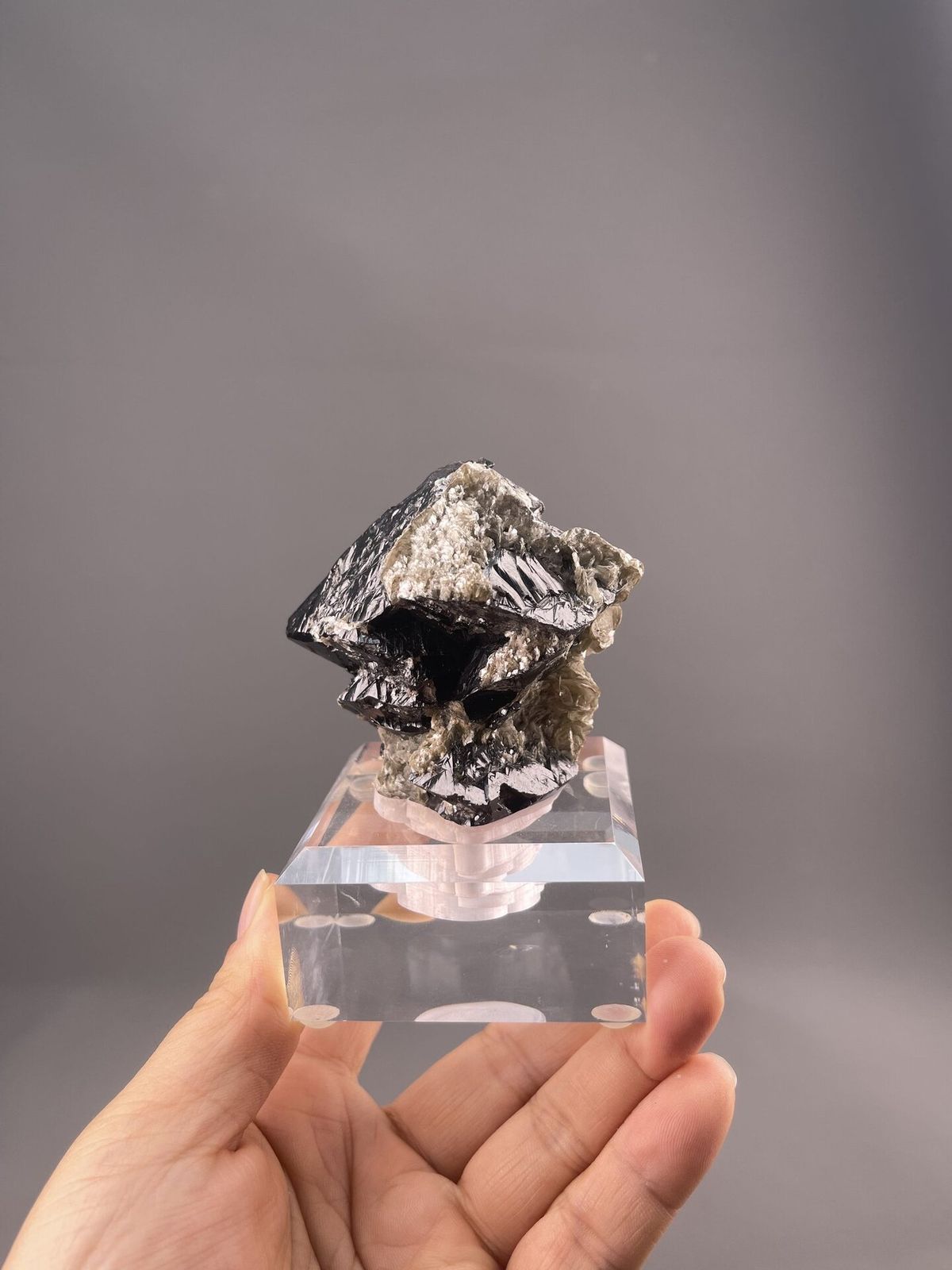
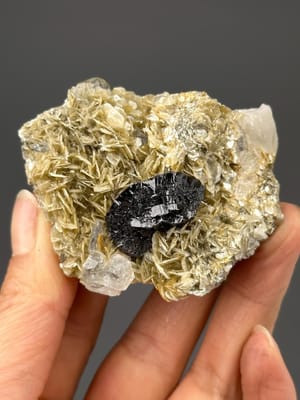
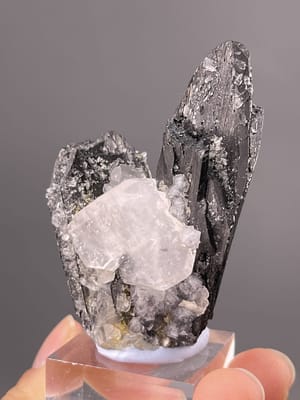
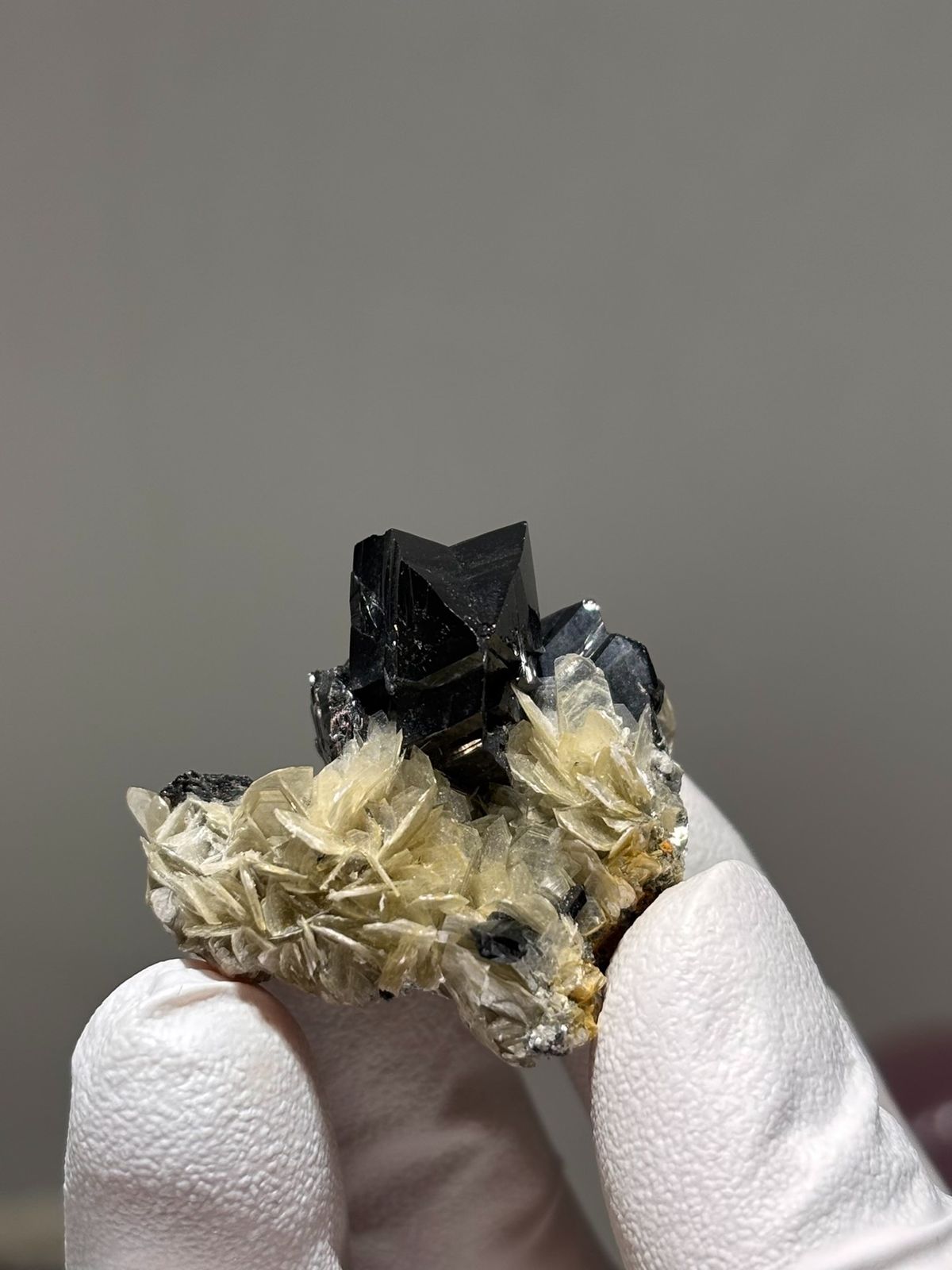
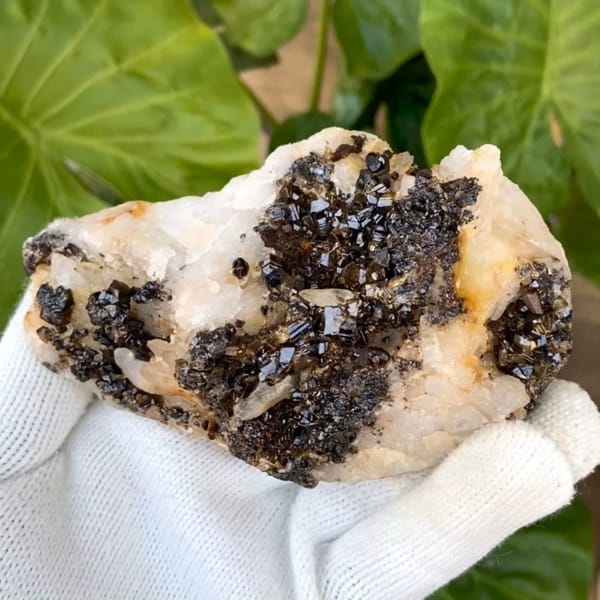
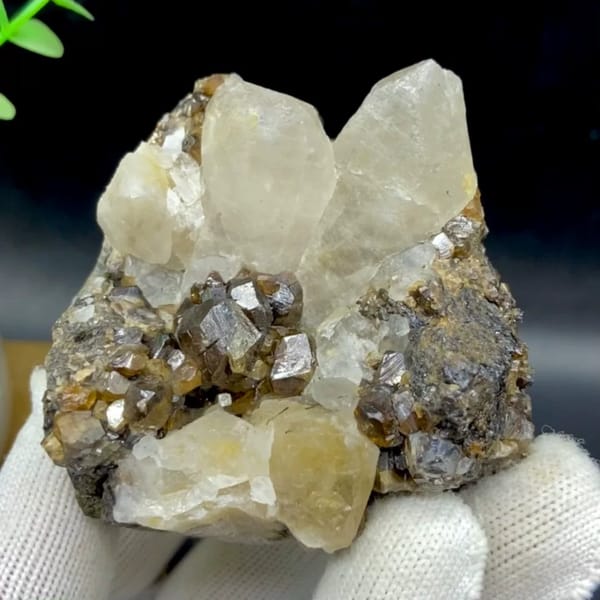
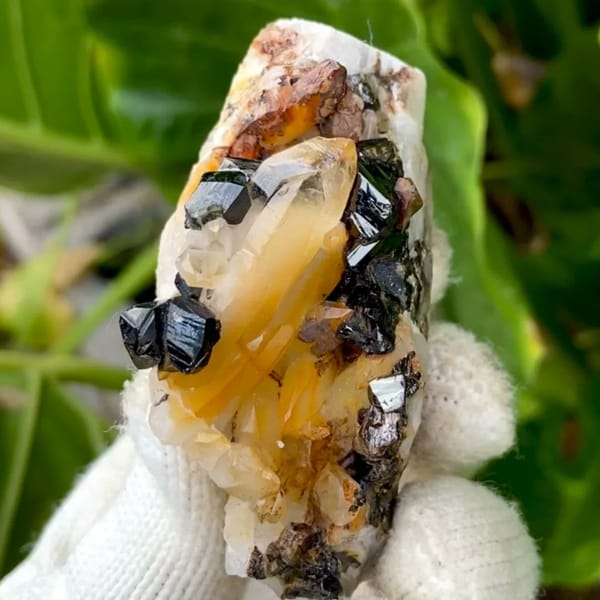
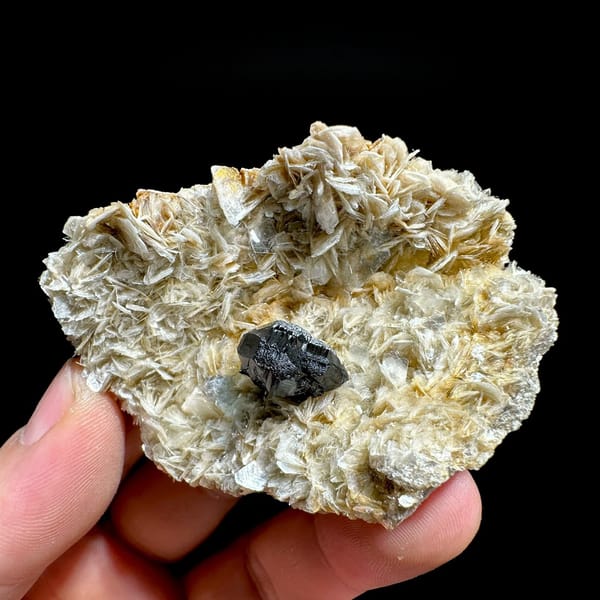
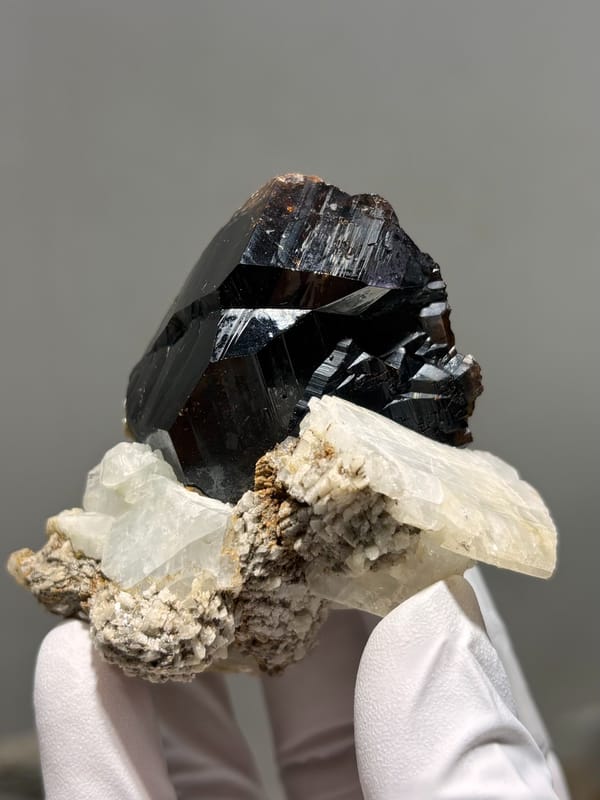
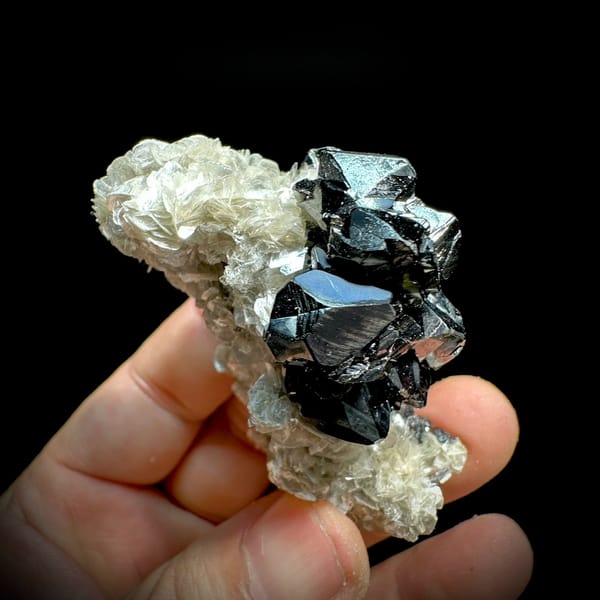
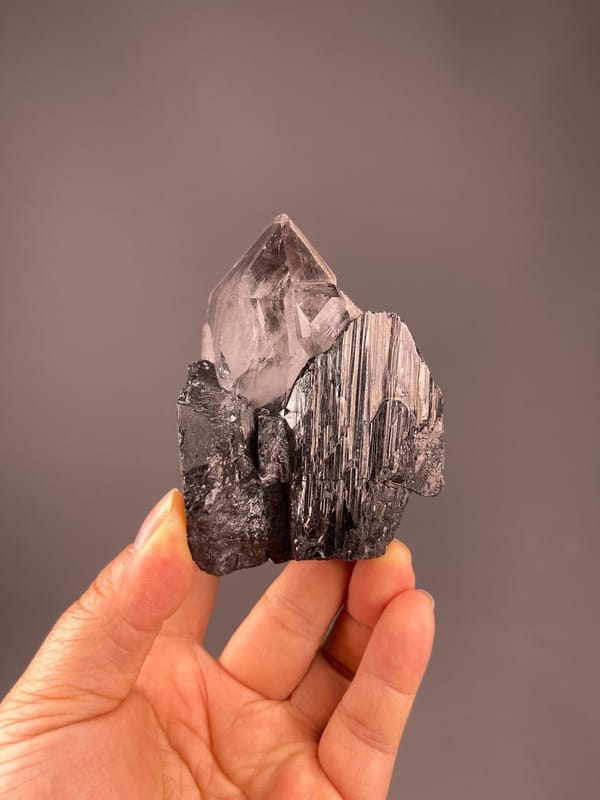
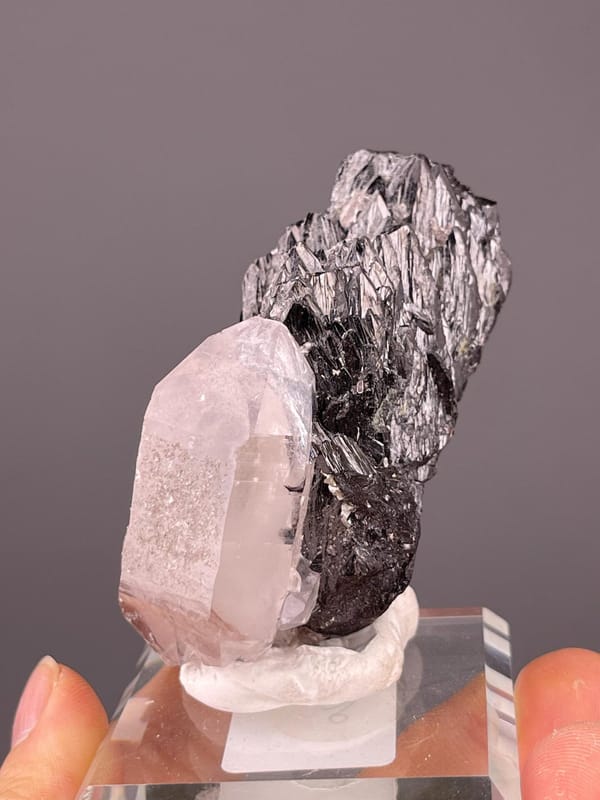
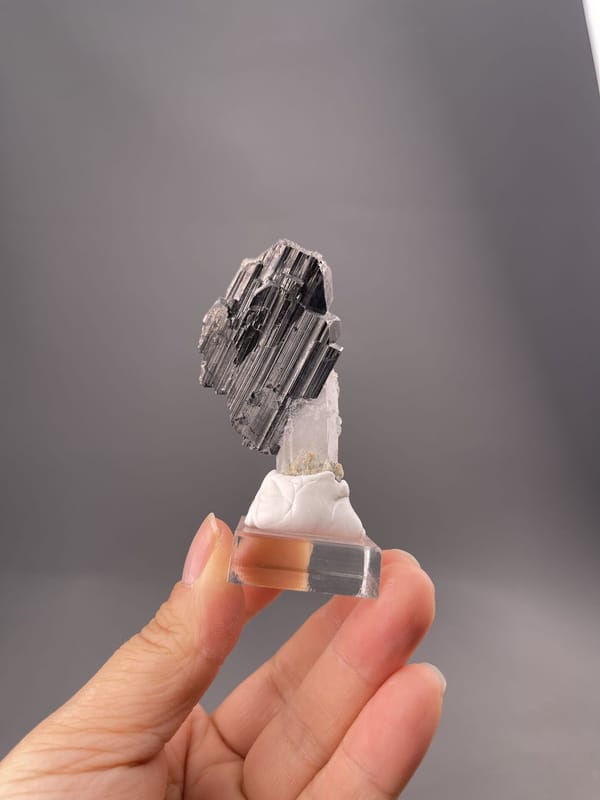
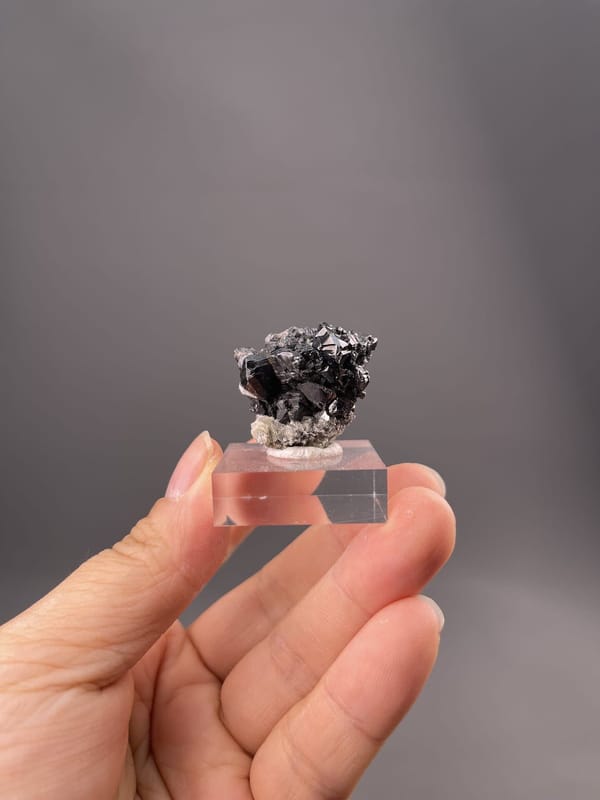
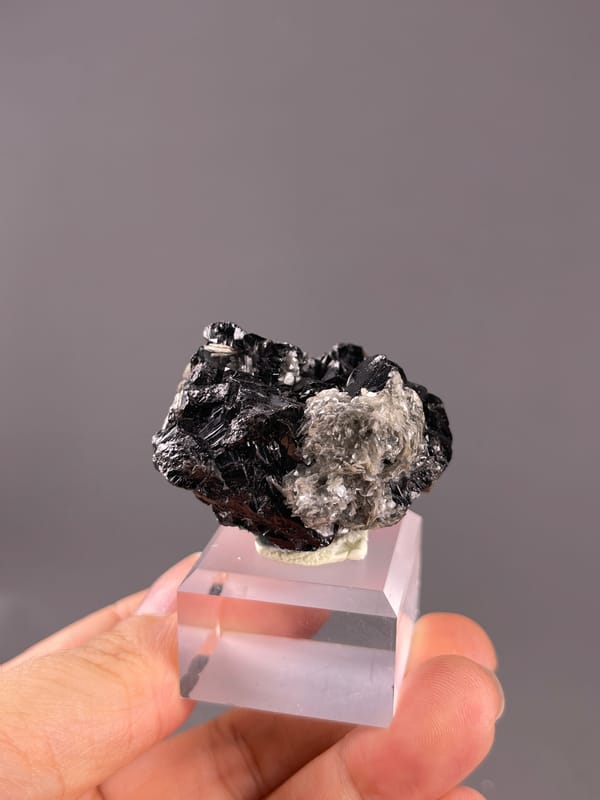
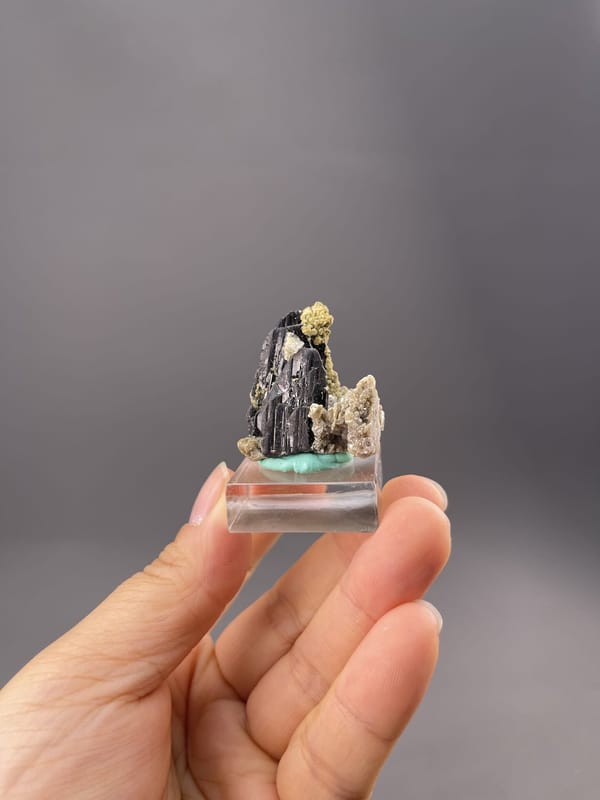
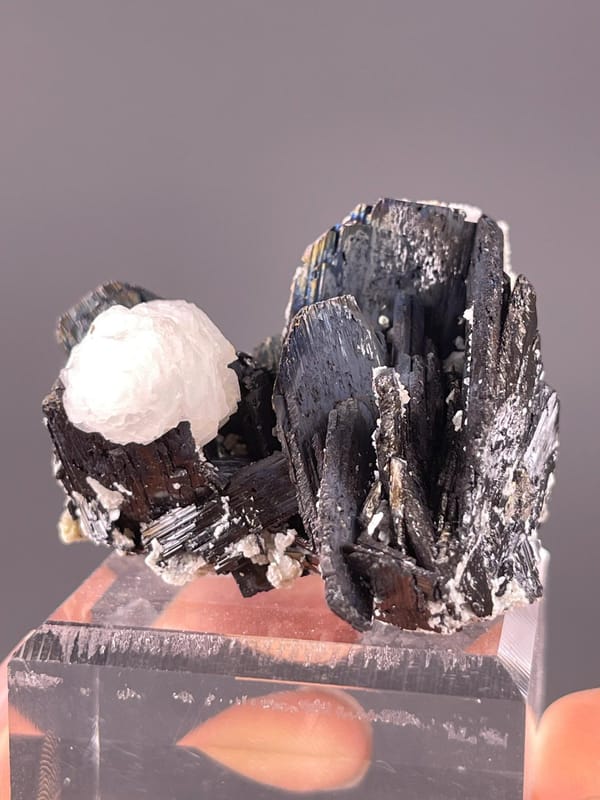
Cassiterite is the principal ore of tin and the signature heavy mineral of the Xianghualing-Xuebaoding-Gejiu axis. Black or deep brown adamantine pyramids, often twinned into a dramatic visor or knee shape, define the species visually. China is both the largest producer of tin and the source of celebrated specimen material.
Notable varieties
- Visor twin / knee twin (twinned crystal)
- Wood tin (botryoidal habit)
The Chinese angle
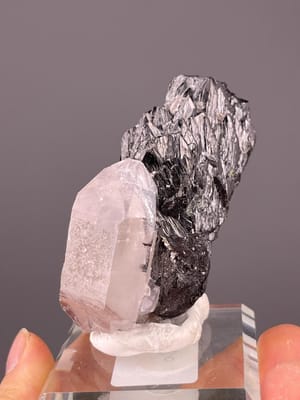
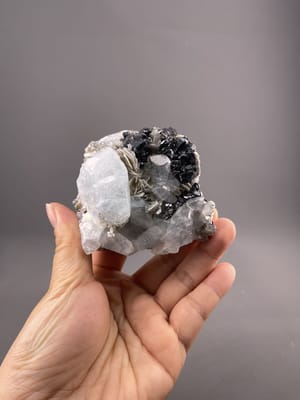
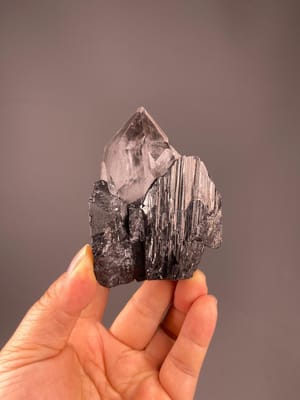
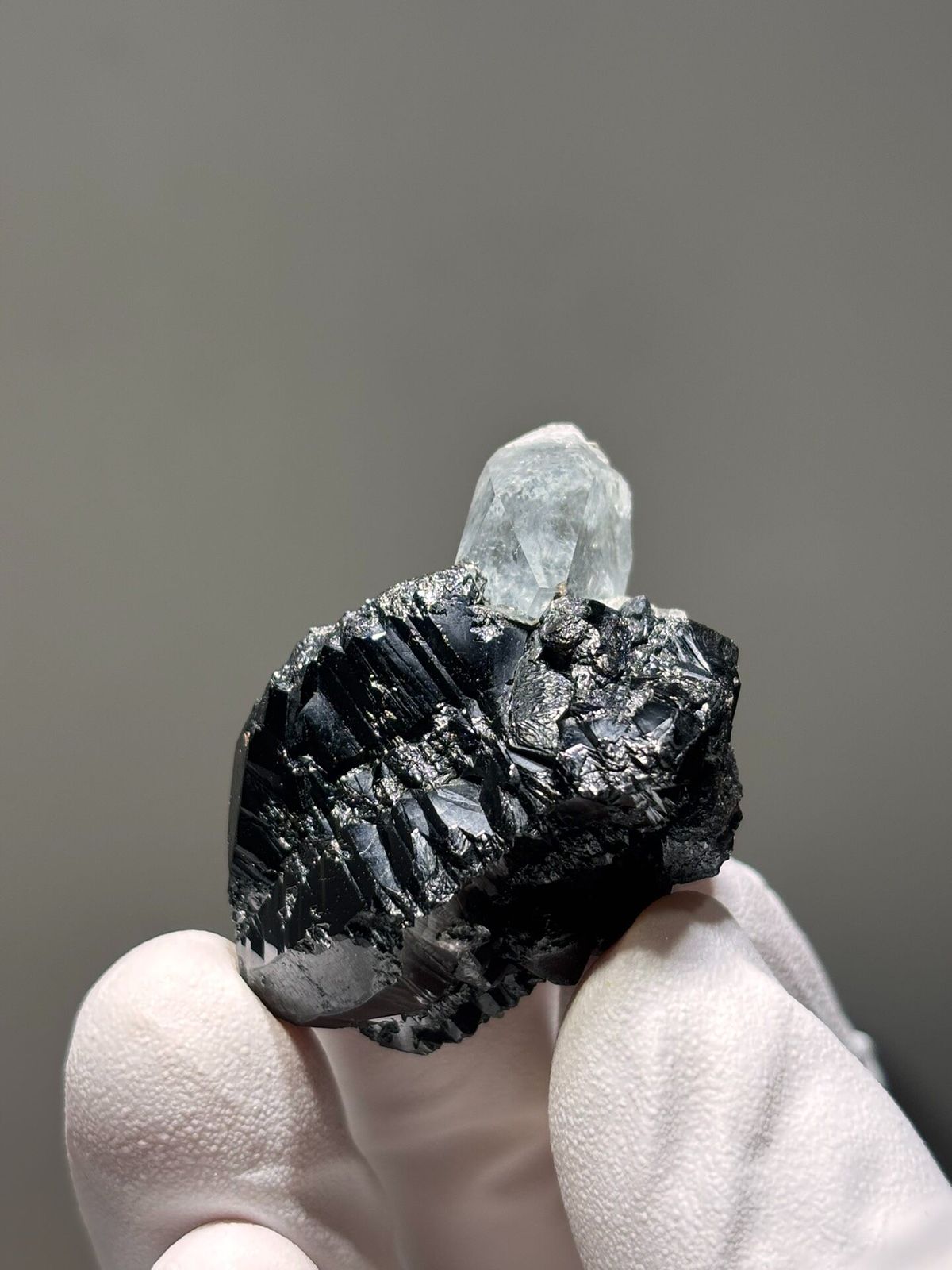
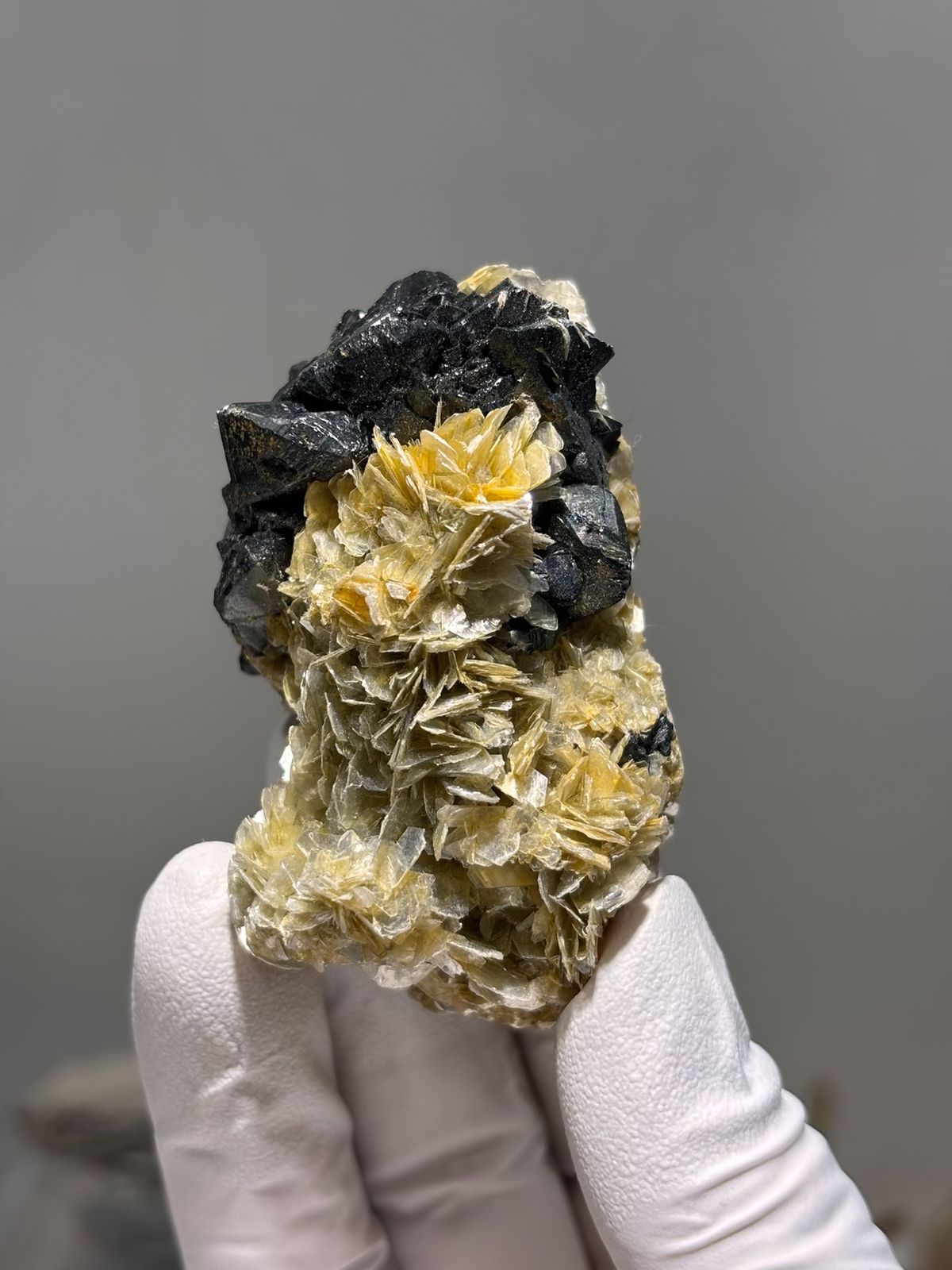
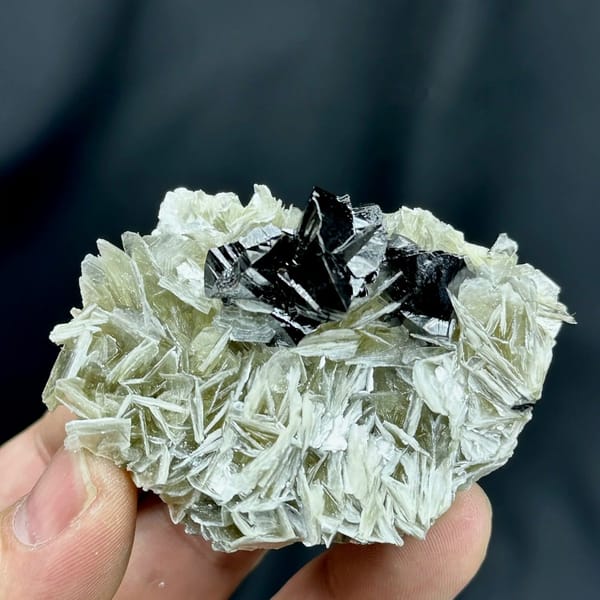
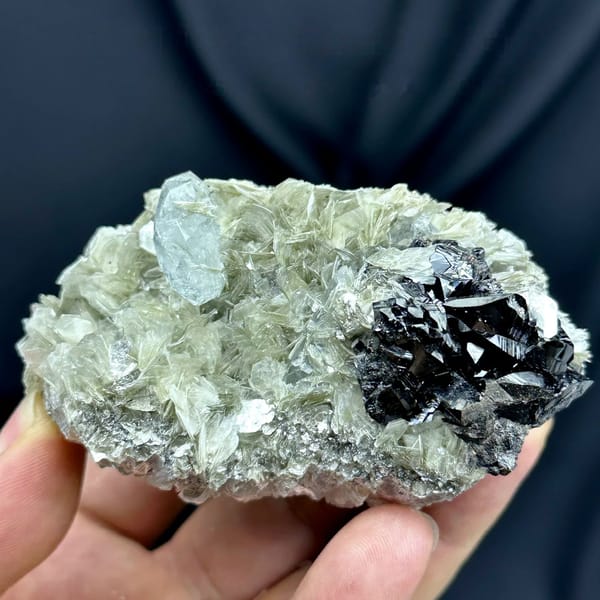
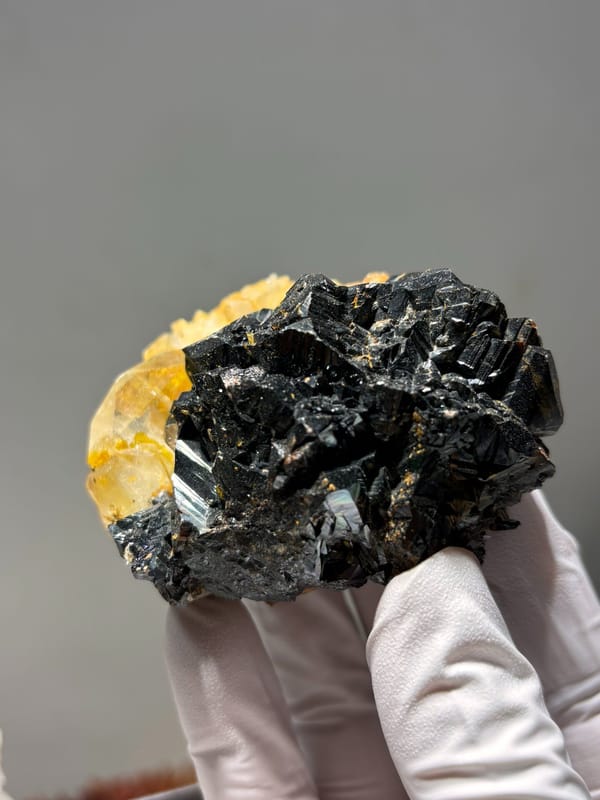
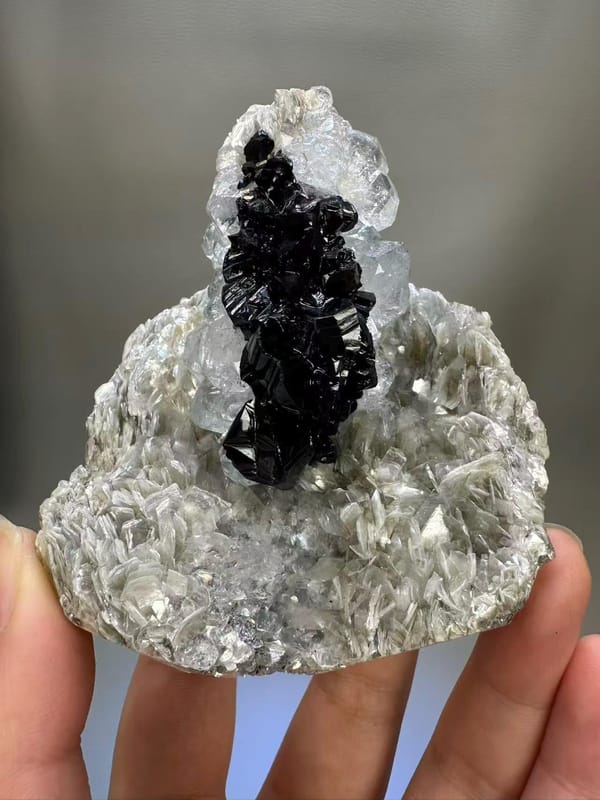
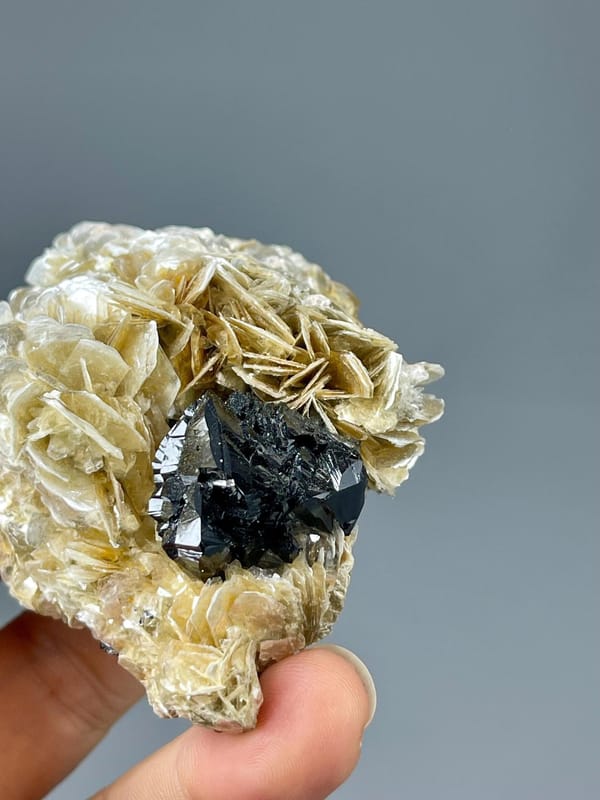
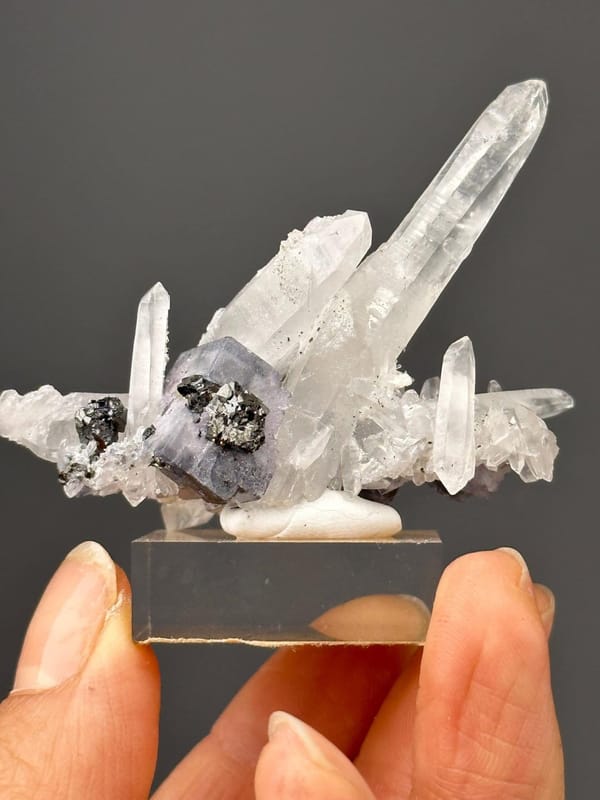
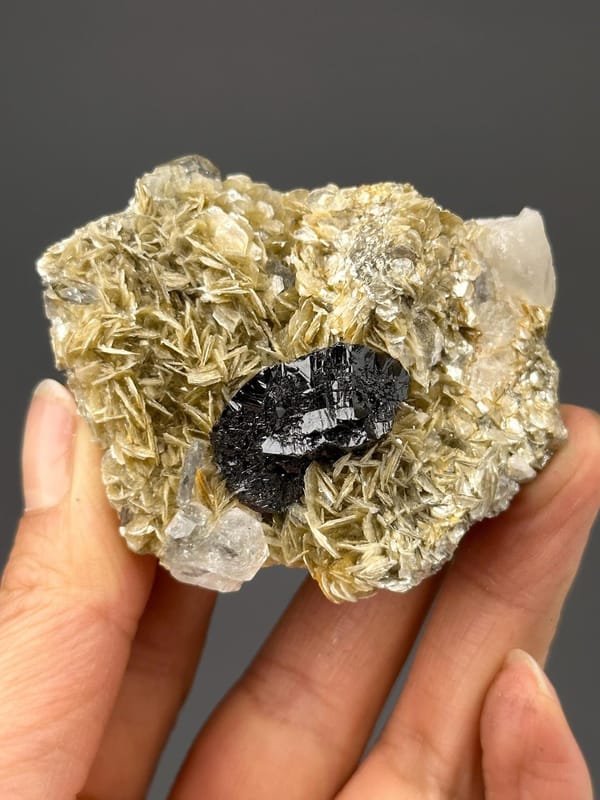
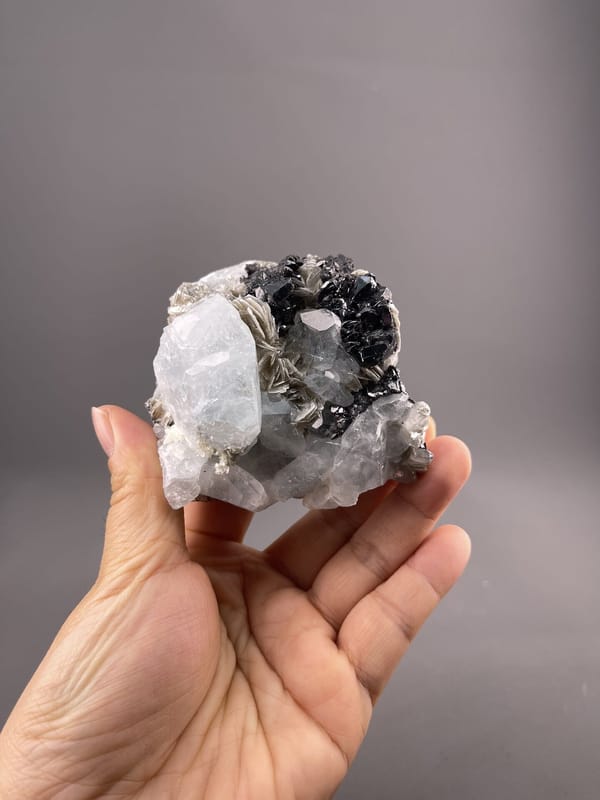
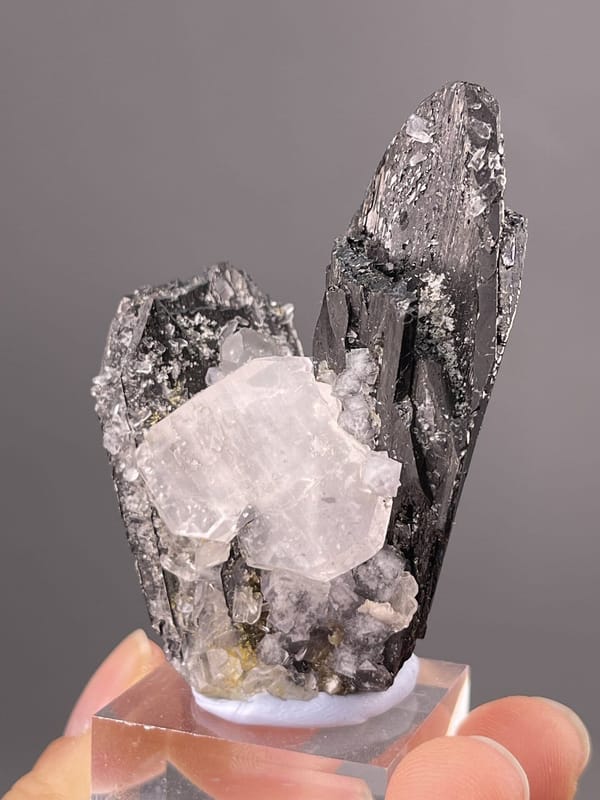
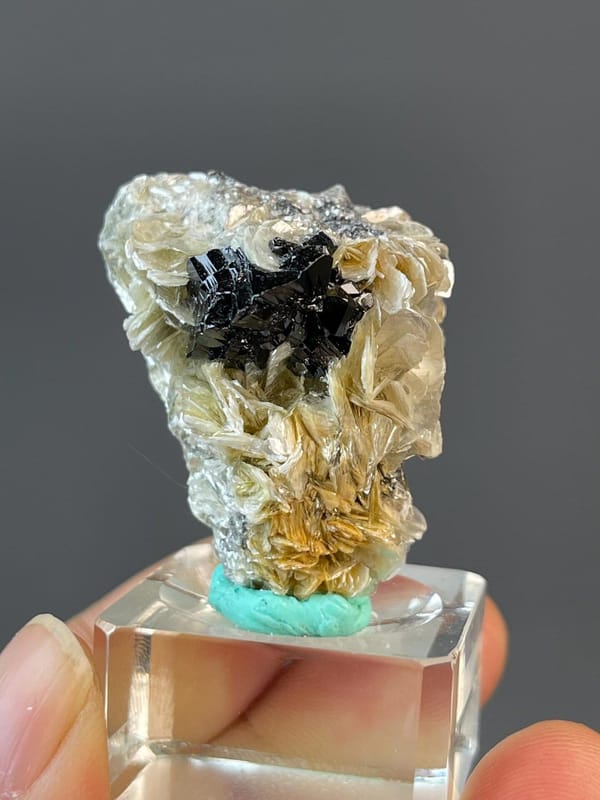
The Xianghualing district in Hunan and Xuebaoding in Sichuan produce gem-quality cassiterite twins, often translucent reddish-brown, in matrix combinations with fluorite, beryl, and muscovite. Gejiu in Yunnan supplies the bulk industrial output.
Cassiterite — localities and judging quality
For specimens, the Xianghualing district in Hunan and Xuebaoding in Sichuan are the key Chinese sources — gemmy reddish-brown twinned crystals on muscovite or with fluorite and beryl — while the Gejiu tin district in Yunnan yields more opaque black material. Sharp “visor” or “knee” twins, adamantine lustre, translucency, and undamaged terminations drive value; the gemmy Xuebaoding twins are the most prized.
About Cassiterite
Cassiterite is an oxide mineral in the rutile group and has the chemical formula SnO2. It crystallizes in the tetragonal system and is one of the most visually varied minerals in the collector market. Its combination of structural character and global distribution make it a recognized species in both systematic and aesthetic collections.
Identification & care
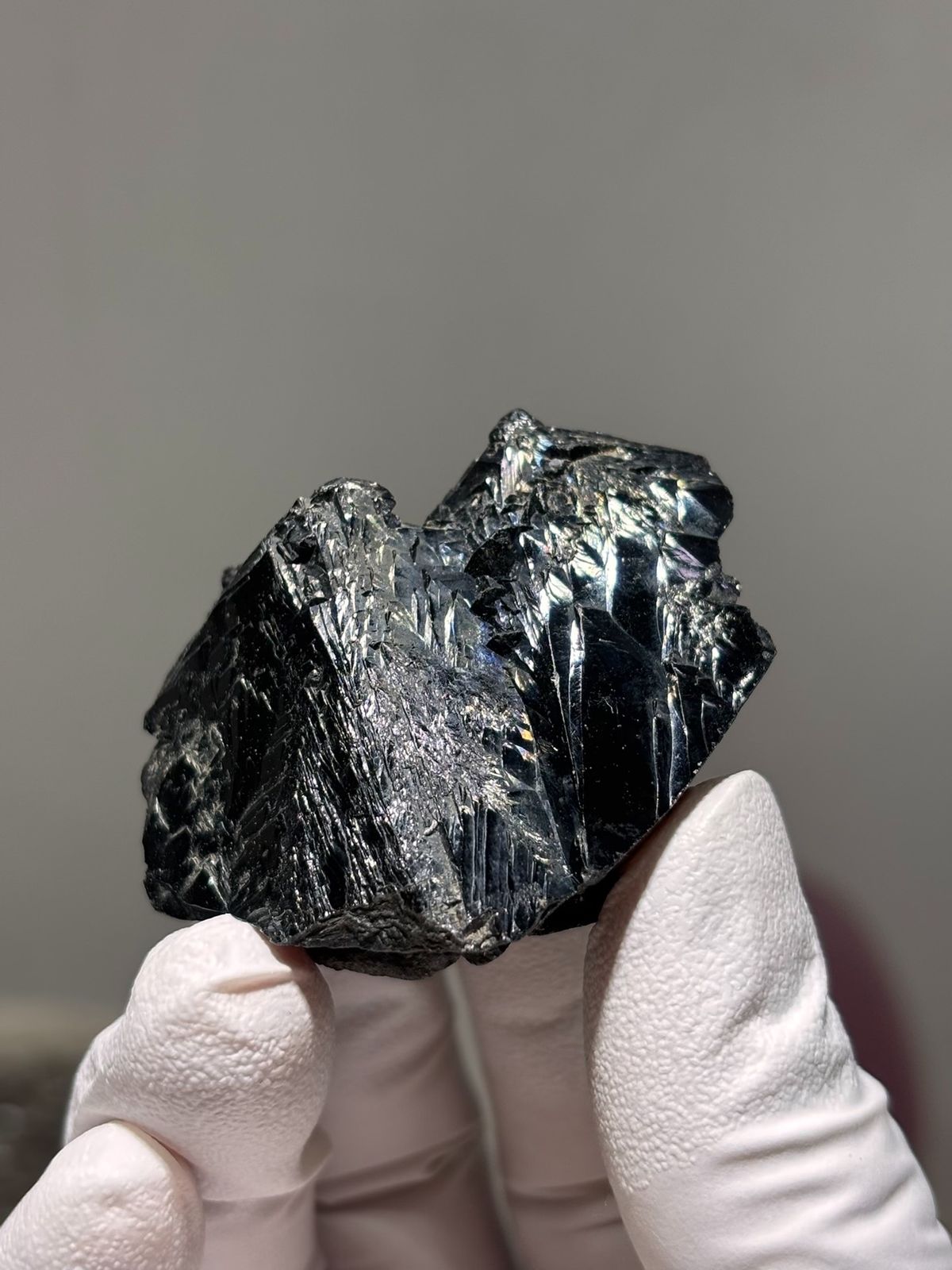
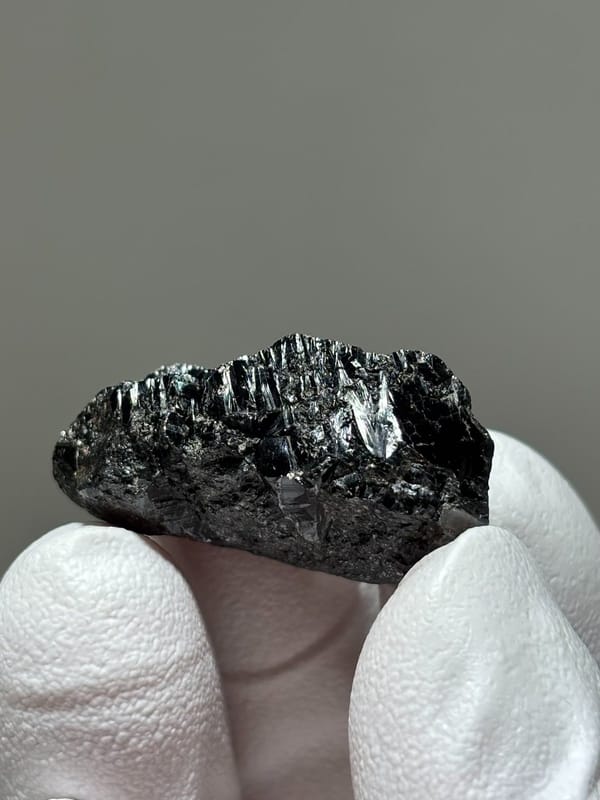
Cassiterite typically forms dipyramidal ('elbow twins'), prismatic, acicular; massive, granular, rounded alluvial pebbles ('stream tin'). Its color range is broad, including black, brown, yellow, red, white, and colorless. The luster is adamantine, greasy, sub-metallic, the streak is brownish white, white, greyish, and specimens are typically transparent, translucent, opaque. The cleavage is imperfect/fair on {100}; indistinct on {110}. The fracture is irregular/uneven, sub-conchoidal, which aids identification.
Collector context
How it forms
Cassiterite forms in granite pegmatites and greisens; hydrothermal tin veins; alluvial 'stream tin' placer deposits from erosion of primary sources. It is commonly found in association with wolframite, tourmaline, columbite-tantalite, topaz, mica, quartz, arsenopyrite.
Classic Chinese localities
Dachang ore field, Yaogangxian W-Sn ore field, and Huanggang Fe-Sn deposit are each a benchmark source for cassiterite. Xianghualing Sn-polymetallic ore field and Xianghuapu Mine are an important Chinese source for the species.
Why collectors care
Cassiterite is a frequently-sought species in serious collections because its habit is recognizable, its color often strong, and its best examples unmistakable even at a distance. Chinese material has driven much of the recent visual shift in the species — sharper crystals, deeper colors, cleaner matrix.
What affects value
Value in Cassiterite is assessed, in typical order of weight, against: (1) locality provenance; (2) size relative to the species norm; (3) crystal form and termination sharpness; (4) color saturation and zoning; (5) transparency and internal clarity; (6) matrix quality and aesthetic balance; (7) condition (absence of damage, chips, or repair). Cleaning quality and verified locality documentation act as multipliers across the above.
Naming history
Cassiterite comes from the Greek kassiteros, "tin" — a word already ancient when Herodotus used it, and connected to the semi-legendary Cassiterides, the "Tin Islands" somewhere off the Atlantic coast of Europe from which Mediterranean traders obtained the metal. Tin made Bronze Age civilisation possible, and cassiterite has always been essentially its only ore.
Frequently asked questions
What is Cassiterite?
Cassiterite has the chemical formula SnO2, crystallises in the Tetragonal system, has a Mohs hardness of 6–7. Cassiterite is an oxide mineral prized by collectors for its exceptional color range, with several world-class Chinese localities.
What is the chemical formula of Cassiterite?
The chemical formula of Cassiterite is SnO2.
What crystal system does Cassiterite belong to?
Cassiterite crystallises in the Tetragonal crystal system.
Where is Cassiterite found?
Notable localities for Cassiterite include Yaogangxian Mine, Xianghualing Mine, Gejiu Mine, Cornwall, Xuebaoding, Pingwu.
Is Cassiterite rare?
As a collector mineral, Cassiterite is generally considered uncommon.
Related minerals
Available Cassiterite specimens
Recently sold Cassiterite specimens
External references
Cassiterite on Wikidata.